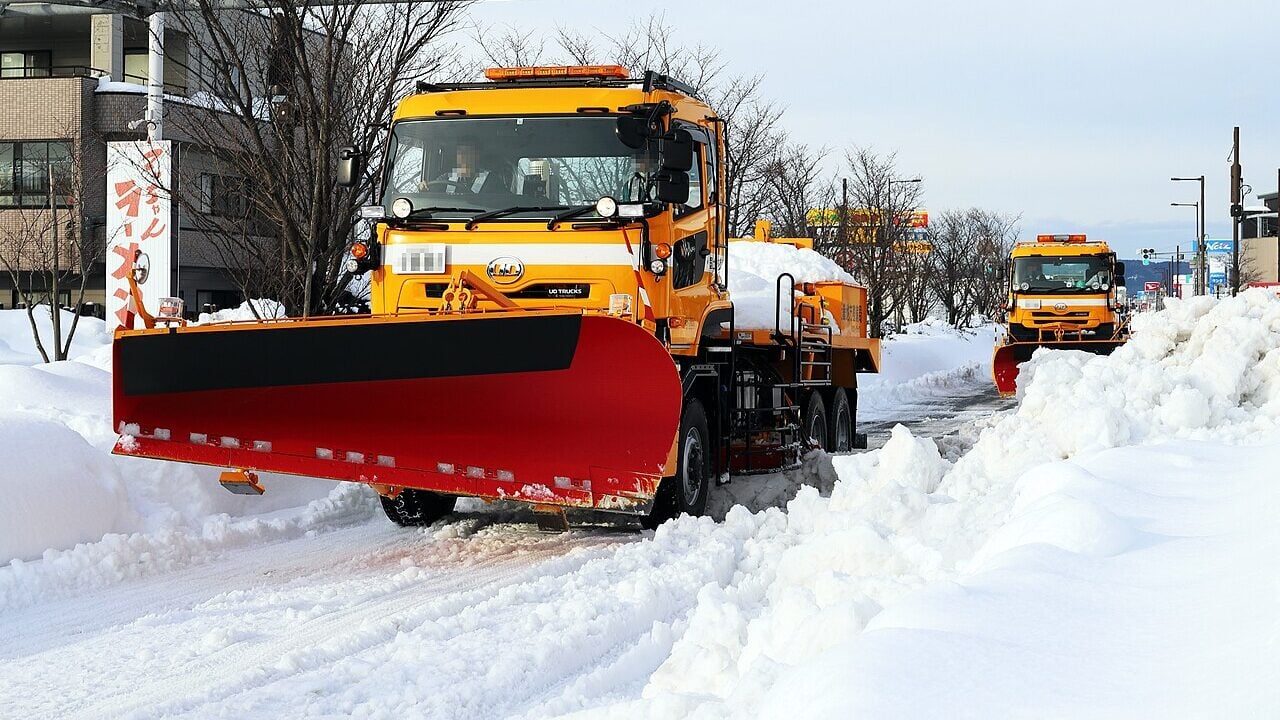

The political fallout from Washington’s January snow emergency is no longer about plows and frozen streets. It is now about labor, government accountability, and whether the District of Columbia can compel contractors to work through a declared emergency and later refuse to pay them for the hours they say were approved in real time.
According to reporting from WUSA9, more than 100 small trucking companies and subcontractors remain caught in a payment dispute tied to one of the capital’s most expensive snow responses in recent memory. Many of the drivers worked 24-hour shifts during January’s historic storm under emergency conditions declared by the city.
The controversy intensified after the DC government reversed an earlier statement that appeared to acknowledge millions in disputed payments. Officials initially suggested roughly $11.4 million would be covered before later retracting the claim and stating the number had been issued in error.
That reversal has transformed a contract dispute into a broader political issue for the administration of Muriel Bowser, whose government has long promoted public-private partnerships and emergency preparedness as pillars of city operations. Critics now argue the dispute exposes vulnerabilities in how municipal governments depend on subcontracted labor during crises while leaving smaller operators financially exposed.
A Storm That Tested Washington’s Infrastructure
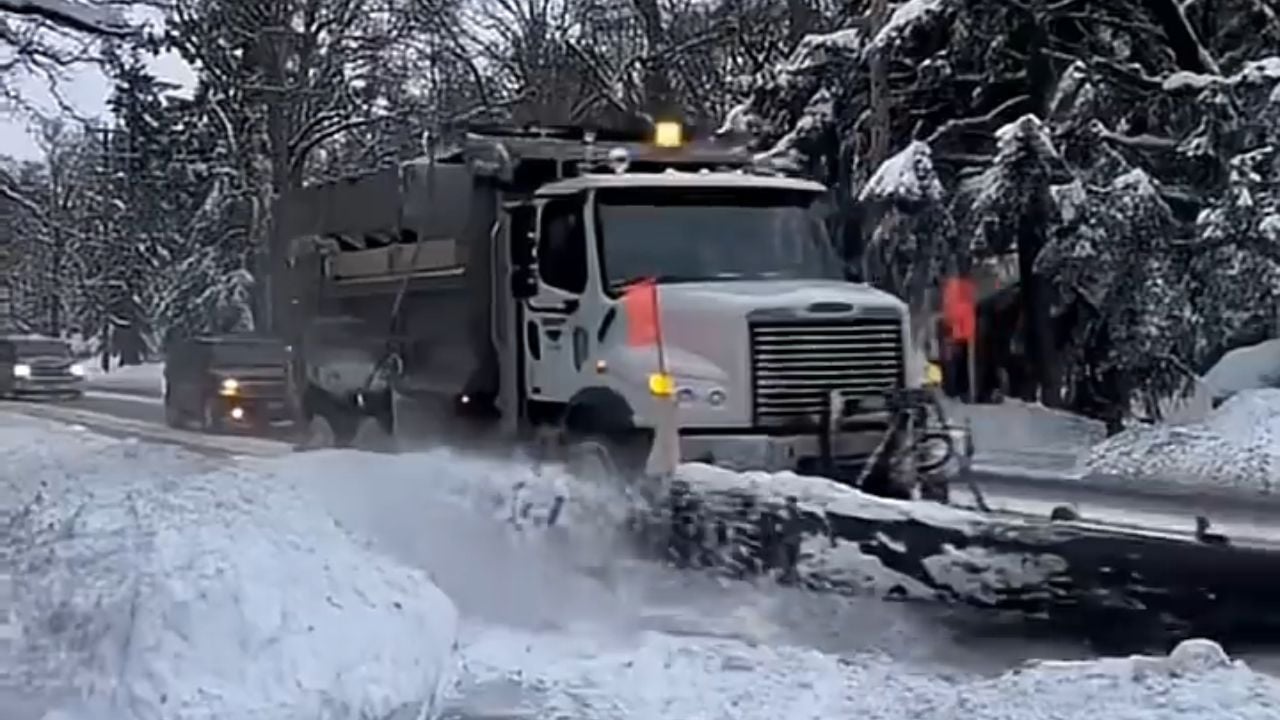
January’s storm was not a minor weather event. Washington’s Department of Public Works mobilized a large-scale emergency response as heavy snowfall crippled traffic corridors, delayed federal operations, and strained the city’s transportation network.
The District later estimated the total taxpayer cost of snow cleanup at $67 million, a figure that reflects both the scale of the operation and the city’s increasing dependence on private contractors to supplement municipal services. Across many major American cities, governments have shifted snow removal, debris hauling, and emergency logistics work to independent contractors over the last two decades in an effort to reduce permanent staffing costs.
That model often works during ordinary winter weather. During declared emergencies, however, legal and operational ambiguities become far more consequential.
Subcontractors working under primary contractor District Logistics claim they operated with the understanding that 24-hour deployments were authorized under emergency exemptions embedded in federal transportation law. Many drivers say they remained on the roads continuously because city supervisors signed off on work logs and never instructed crews to stop operations after 14 hours.
The 14-Hour Rule and the Legal Gray Zone
The dispute hinges on a federal hours-of-service regulation that generally limits commercial truck drivers to 14 consecutive working hours. DC officials now argue those restrictions capped the hours eligible for payment, even during the emergency response.
Contractors dispute that interpretation by pointing to federal emergency exemptions that suspend those limitations during officially declared emergencies. The District had, in fact, declared such an emergency during the storm response.
That distinction could become decisive if the matter reaches court or the city’s Contract Appeals Board. Contractors argue the government cannot retroactively invoke safety regulations to deny payment after supervisors allegedly approved the work in real time.
The case also exposes a longstanding tension in American labor politics. Municipal governments frequently depend on independent operators and subcontracted workers during disasters because they provide flexibility and surge capacity.
Yet those same workers often lack the protections available to unionized public employees, leaving payment disputes capable of cascading into personal financial crises. Several subcontractors told WUSA9 they are now struggling with insurance payments, fuel debts, and credit obligations incurred while operating around the clock during the storm.
Political Consequences Beyond the Snow
The dispute arrives at a difficult political moment for local governments nationwide. Cities across the United States are already confronting rising infrastructure costs, labor shortages, and public skepticism about government contracting practices.
For Washington, the optics are particularly sensitive because the city relied on these contractors during a highly visible emergency affecting the nation’s capital. Drivers describe sleeping little, burning through diesel supplies, and remaining deployed for extended stretches while federal offices, commuters, and emergency routes depended on passable roads.
Now, many say the city is distancing itself from the very conditions it permitted during the storm. DPW has apologized for confusion surrounding the payment figures but maintains it has approved no additional amount beyond roughly $14.5 million already allocated to District Logistics.
Officials have also emphasized that contract disputes should be resolved through formal appeals rather than public pressure campaigns. Still, the episode is likely to fuel scrutiny over emergency procurement systems and the balance of power between governments and subcontracted labor forces. In cities increasingly dependent on outsourced emergency operations, the Washington dispute may become a case study in how legal interpretations made after a crisis can shape trust long after the snow melts.