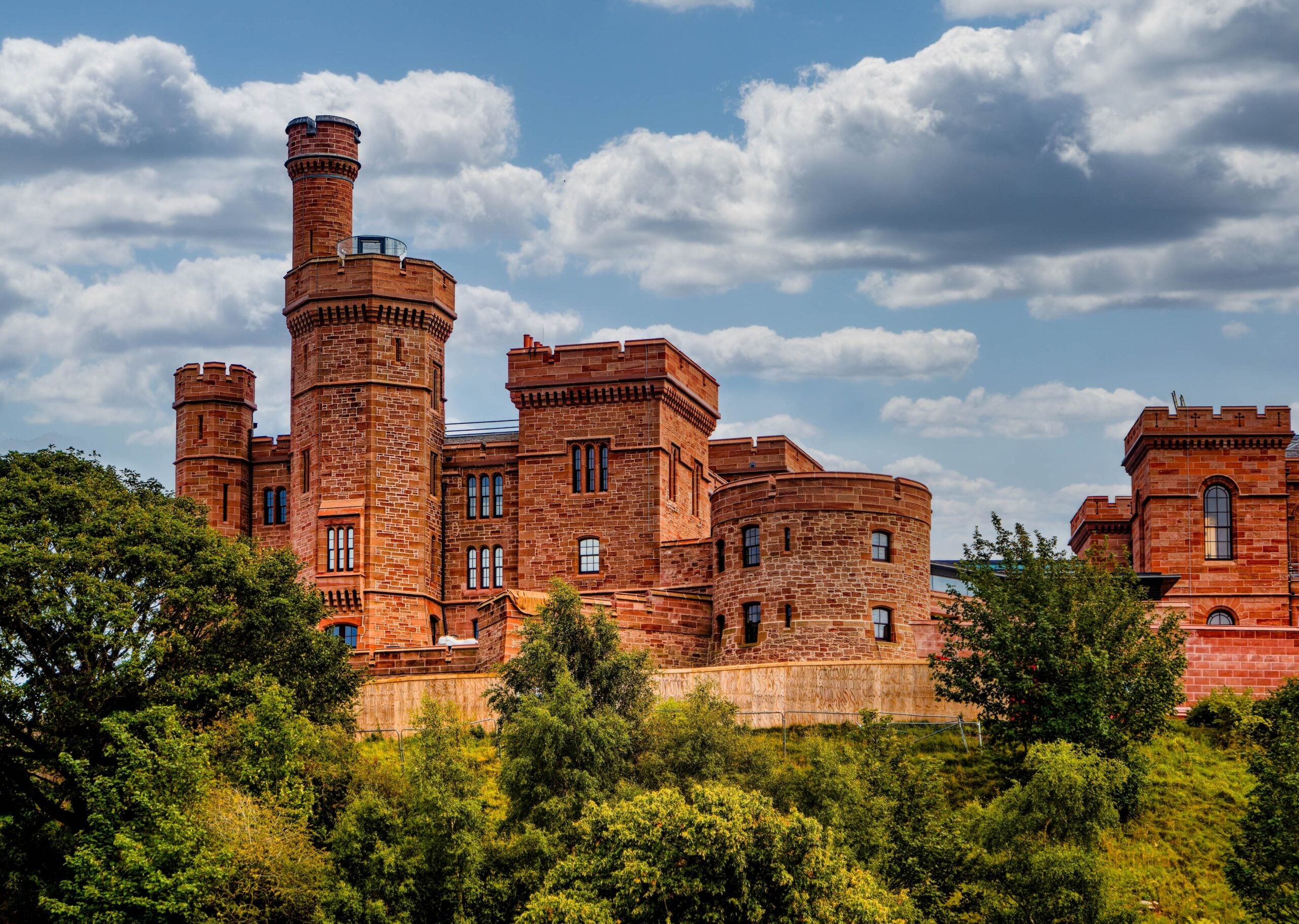
Scotland is easy to rush on a first trip. Too many itineraries try to squeeze Edinburgh, Stirling, the Highlands, Loch Ness, and Skye into one fast loop, which usually means long drives, short castle visits, and too many nights spent packing again.
A better route starts with Edinburgh, adds Stirling without pulling the trip off course, then heads north to a smaller Highland base before turning west for Glencoe and Fort William. Skye can finish the journey if there is enough time. If not, the trip is still strong without it.
The scenery changes in a way that makes sense. Edinburgh brings castle rock, dark stone closes, old streets, and pub windows glowing after rain. Stirling adds ramparts and open views. Pitlochry, Dunkeld, Aviemore, or the Cairngorms bring river paths, wooded roads, cafés, distilleries, and smaller-town evenings. Glencoe and Fort William bring steeper slopes, darker rock, lochs, waterfalls, and weather that can change the whole view in minutes.
Seven to nine days is the sweet spot. Two nights in Edinburgh, time for Stirling, one or two nights around Pitlochry or the Cairngorms, then Glencoe and Fort William, with Skye added only if there is enough room for at least two nights. That route gives first-time visitors castles, towns, Highland roads, and big scenery without making the whole trip feel like a race across the map.
1. Start in Edinburgh for Castle Rock, Old Town Lanes, and a First Pub Night
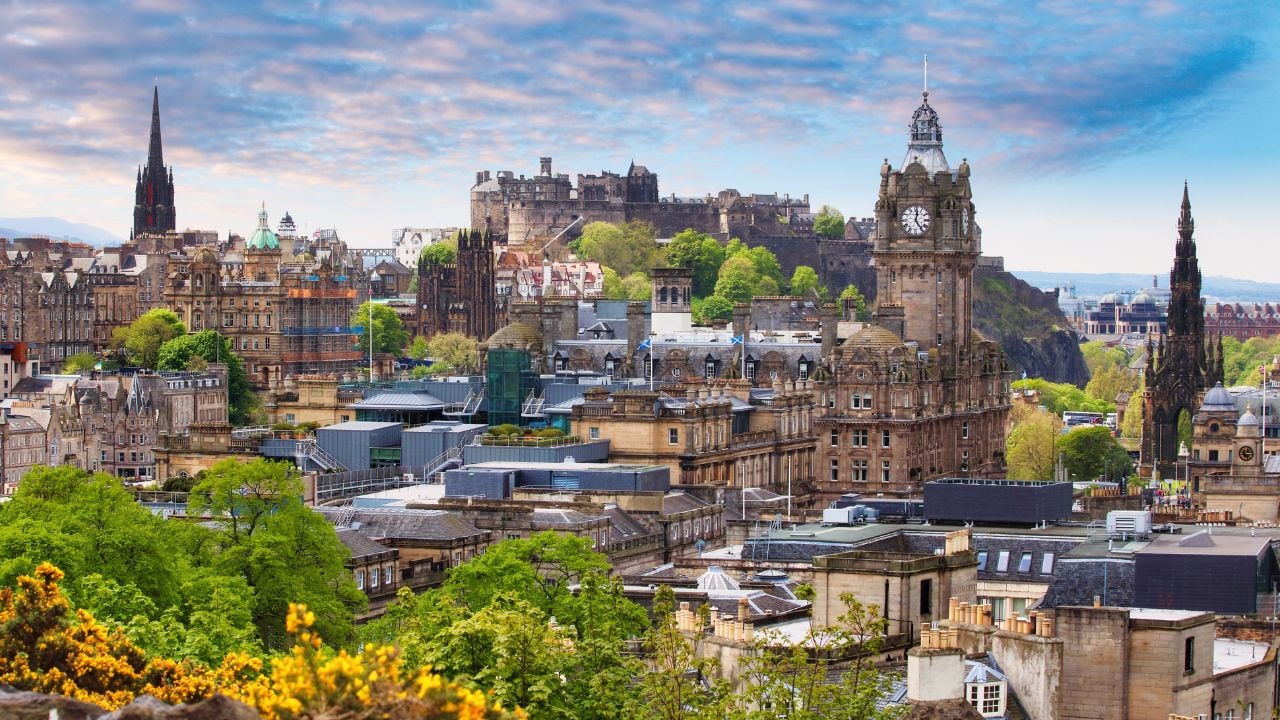
Edinburgh gives the trip its first strong scene before a car is even necessary. The castle sits high on volcanic rock above the Old Town, the Royal Mile drops past stone buildings and narrow closes, and the first evening can be as simple as a walk, dinner, and a pub near the old center.
If castles are a major reason for the trip, the pass is useful. Historic Environment Scotland’s Explorer Pass includes entry to Edinburgh Castle as well as other major sites such as Stirling and Urquhart, which makes it a practical fit for a route built around several historic stops.
Give Edinburgh two nights if possible. Use one day for the castle, the Royal Mile, and the Old Town, then keep the next morning lighter: Calton Hill, the New Town, a museum, or Arthur’s Seat if the weather and energy are right. The city is busy, but it becomes easier when the day stays around one area instead of bouncing between scattered sights.
There is no need to pick up a car the moment the plane lands. Stay central, walk as much as possible, and let the city provide the first stretch of castle walls, rain-dark pavement, church spires, shopfronts, and warm indoor stops before the route turns toward smaller towns and Highland roads.
2. Add Stirling for a Castle Stop That Actually Fits the Route
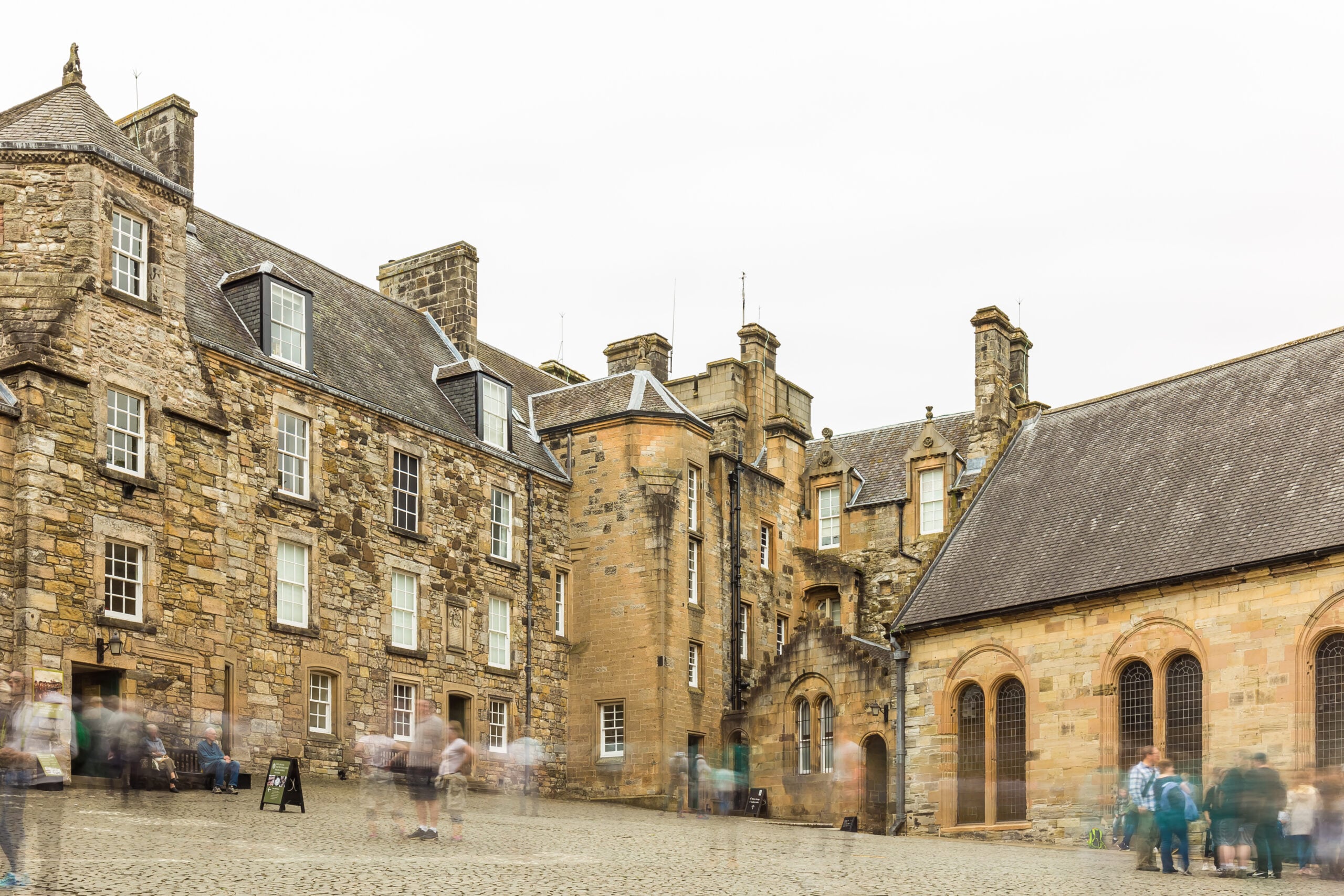
Stirling gives the trip another major castle without forcing a messy detour. The castle stands high above the town, with open ground, wide views, thick walls, and a different feeling from Edinburgh’s tighter city setting.
Inside, the visit has enough scale for a proper stop. Historic Environment Scotland highlights the Royal Palace of James V and its connection to Mary Queen of Scots, and the rooms, courtyards, battlements, and hilltop views make the castle worth more than a quick pass-through.
The town below keeps the day manageable. Walk the old streets, have lunch, visit the castle properly, then continue only if the route still feels comfortable. Stirling does not need to become a packed multi-stop day. Its value is that it places royal history, military setting, and broad central Scotland views directly between Edinburgh and the road north.
For first-time visitors, the pairing is useful. Edinburgh gives the opening city and castle; Stirling gives a second major historic site in a smaller setting. After that, the trip can move toward rivers, forests, villages, and mountain roads without leaving the castle part of Scotland behind too early.
3. Slow Down Around Pitlochry, Dunkeld, or the Cairngorms
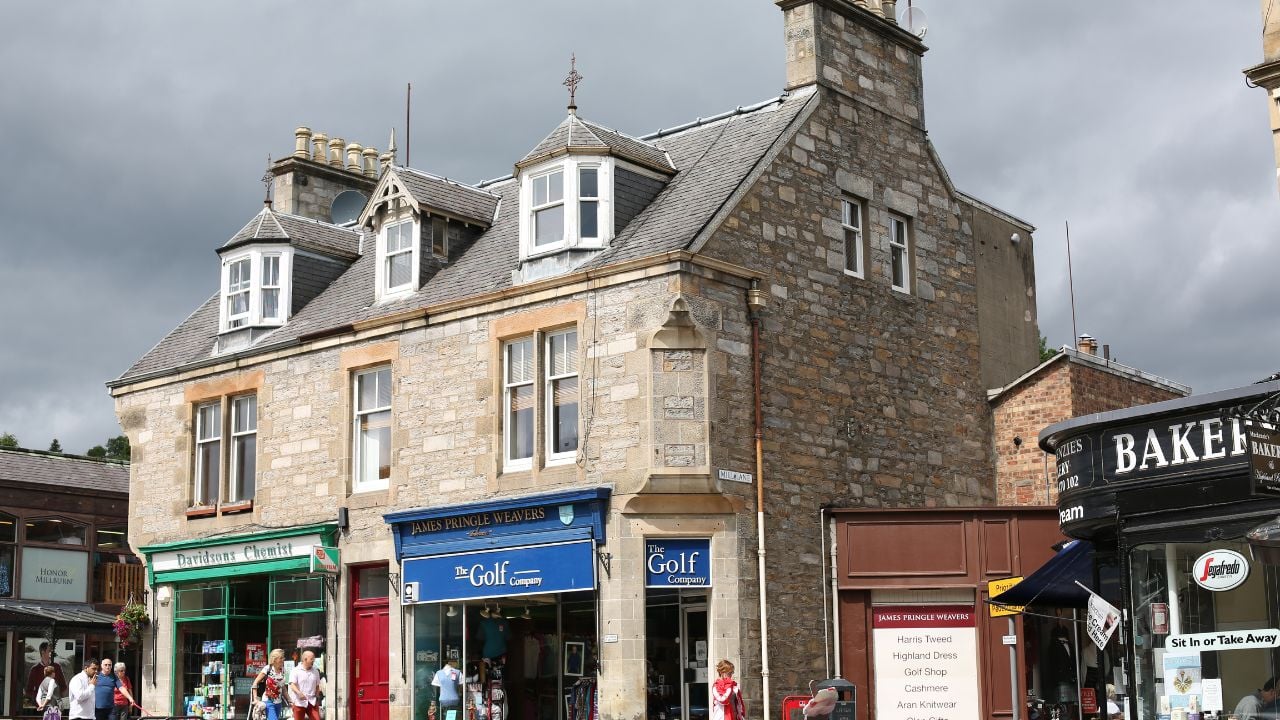
After Edinburgh and Stirling, the trip needs a smaller base before the west-coast roads get longer. Pitlochry, Dunkeld, Aviemore, or another town around the Cairngorms gives travelers cafés, river paths, short forest walks, distillery stops, and quieter evenings instead of another day built around timed castle entry.
Here, the streets are smaller, the roads begin to pass more woodland and open ground, and the views start shifting from city stone to rivers, moorland, and mountain edges. Pitlochry has stone-fronted buildings, shop windows, cafés, and an easy walking center, while the wider area adds wooded paths, water, and roads that begin to feel more Highland without becoming difficult too quickly.
VisitScotland describes Cairngorms National Park through mountains, forests, rivers, lochs, wildlife, and friendly villages. That variety is exactly why this part of the route works well in the middle. Travelers can choose one thing that suits the weather: a short forest walk, a distillery stop, a river path, a scenic drive, or a slow afternoon in town.
One or two nights here keep the route from turning into a string of check-ins and long drives. A pub dinner in a smaller town, rain on trees, a quiet main street, or a short walk by the river can do as much for the trip as another famous stop.
4. Save the Big Highland Scenery for Glencoe and Fort William
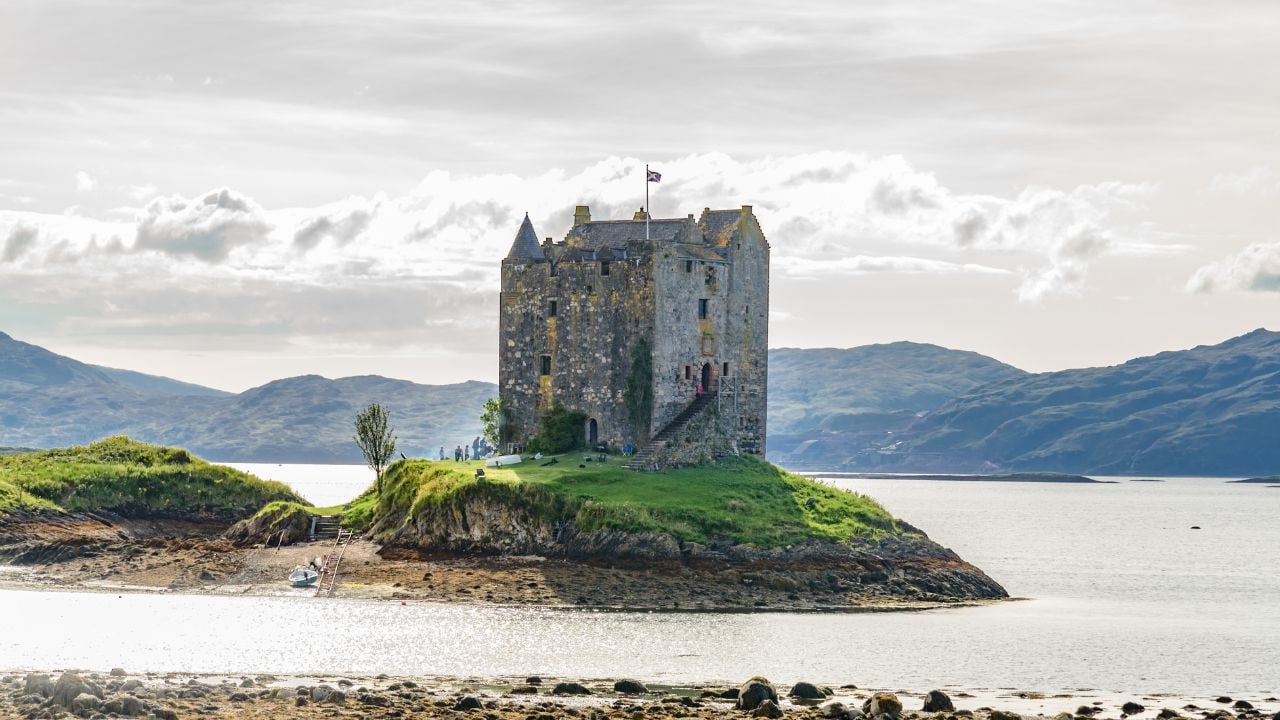
Glencoe is where the road starts running between steeper slopes, darker rock, open glen, and weather that can change the view in minutes. Burns cut down through the glen, waterfalls appear stronger after rain, and low cloud can turn the mountains from sharp and open to dark and heavy before the drive is finished.
The National Trust for Scotland’s visitor centre is worth using at the start, especially on a first trip. It helps with walks, weather, local stories, and seasonal wildlife, which is useful in a place where it is easy to keep pulling over for views without really knowing what you are looking at.
Fort William works well as a base because it keeps the logistics simple. From there, travelers can give a full day to Glencoe, add a quieter drive into Glen Etive, or take a short walk instead of trying to cover every famous Highland viewpoint in one go. Spend enough time there to notice the road under the cliffs, the waterfalls after rain, the low cloud on the slopes, and the way the glen looks different each time the light changes.
This is often the part of the trip where travelers feel the weather most directly: wind at roadside pull-offs, rain moving across the glen, wet gravel underfoot, and mountains disappearing and reappearing behind cloud. After the towns and castles farther east, Glencoe and the Fort William area give the route the rougher Highland scenery most first-time visitors came to see.
5. Add Skye Only if the Trip Has Time to Do It Properly
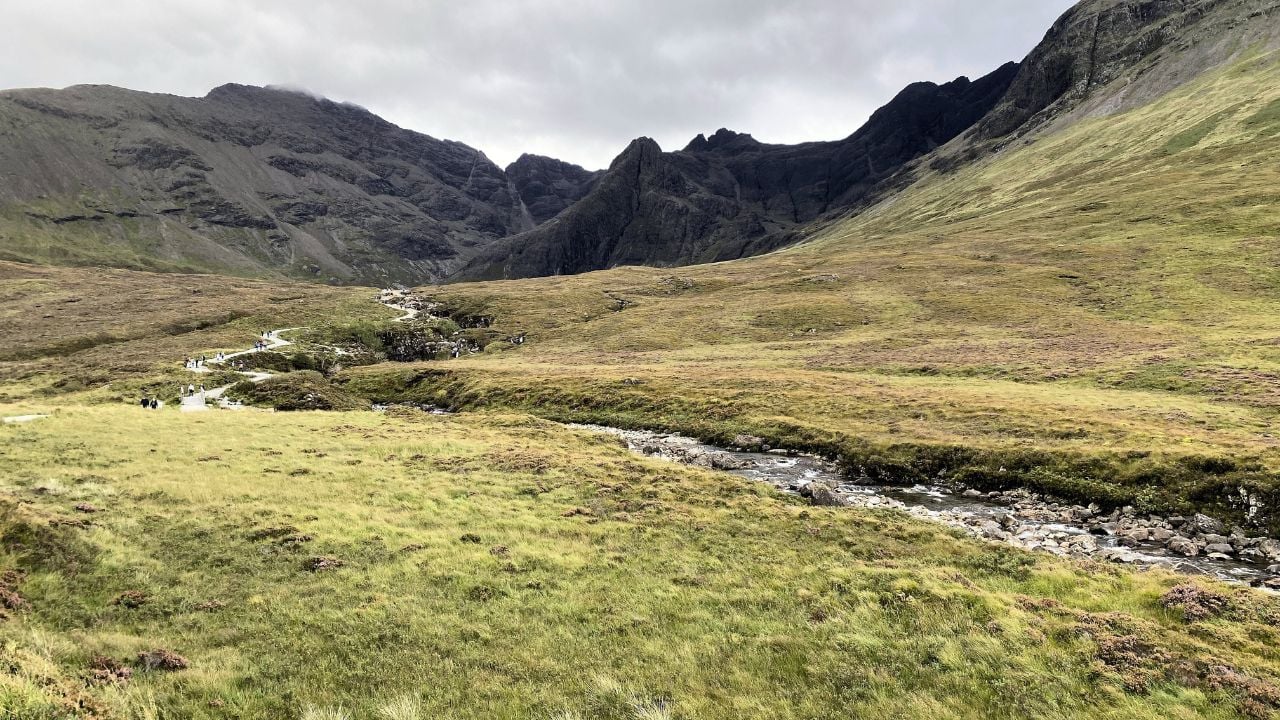
Skye can finish the route with sea cliffs, single-track roads, Portree’s harbor, mountain ridges, and weather that can turn a short drive into a slower day than expected. The island is famous for a reason, but it is not a place to bolt onto the end of an already crowded itinerary.
Two nights should be the minimum. Roads can be slow, weather shifts plans quickly, and even short distances take longer when every lay-by opens onto another view of water, rock, or ridge. A rushed Skye visit often becomes one long drive with a few tired photos. A better version gives the island enough time for Portree, part of Trotternish, a coastal view, and a slower meal without making the day collapse into logistics.
If there are enough days, save the final stretch for Skye and let the trip end there. Portree can anchor one day, while another part of the island can fill the next without trying to cross every famous viewpoint. The island reads better when the route leaves space for weather, ferry or bridge timing, single-track roads, and stops that take longer than expected.
If the schedule is shorter, skip Skye without guilt. Finish with Fort William, Glencoe, Loch Ness, or a simpler Highland loop and keep the route comfortable. A first Scotland trip should end with good memories, not with the feeling that every day was spent catching up to the map.