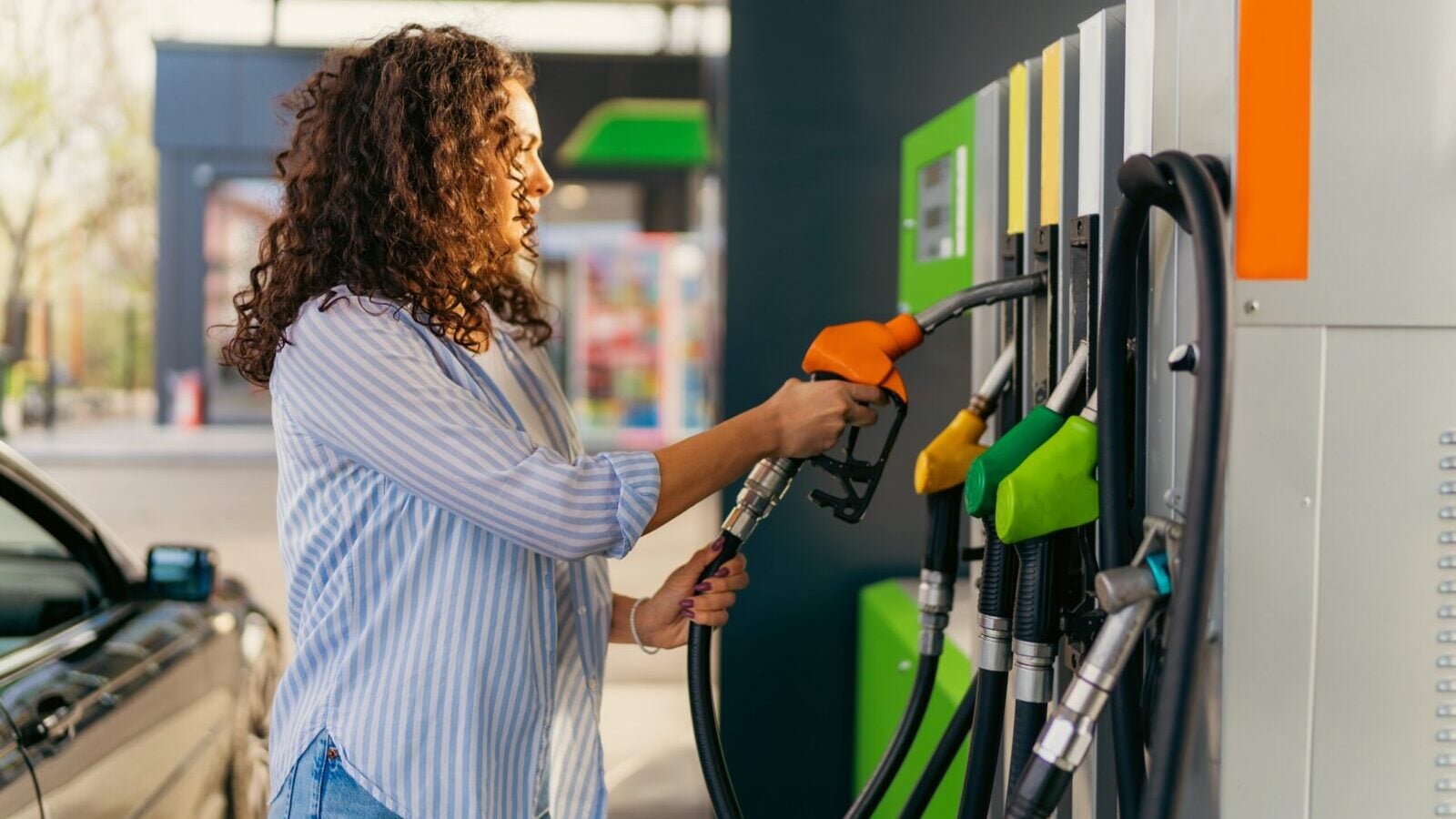
A routine gas stop in Spring Branch, Texas, reportedly turned into a financial nightmare for multiple drivers after customers at an independently operated Circle K location on Long Point Road began reporting vehicles stalling, sputtering, and breaking down shortly after filling up.
One of those drivers, Uber driver Jack Tillett, told local media his car began backfiring and died shortly after leaving the station. He later learned the vehicle may have suffered severe engine damage. Other drivers also reportedly experienced similar problems, with several vehicles allegedly needing to be towed from the area.
Drivers and a station employee who spoke with Fox 26 Houston pointed to possible water contamination in the fuel supply as the suspected cause. The employee reportedly said four to six customers complained about fuel-related issues and that the independently operated station was working with insurance regarding possible reimbursements.
According to the employee, the contamination issue had already been addressed by the time local media arrived at the station.
What Actually Happens When Water Gets Into Your Gas Tank
Water and gasoline do not mix, and that is the core of the problem. When water-contaminated fuel enters your engine, combustion becomes irregular or fails entirely because water simply does not burn the way gasoline does. According to fuel experts at Fuel Logic, contaminated fuel can cause rough idling, hesitation on acceleration, and hard starts shortly after refueling. The check engine light often follows, triggered by the engine’s sensors detecting irregular combustion or emissions patterns.
The damage can ripple outward quickly. According to EpicVIN’s automotive research, bad gas rarely damages just one component. In most cases, multiple systems are affected. The fuel pump, fuel injectors, and the engine itself are all at risk, with repair costs that can climb into the thousands. That is exactly what Tillett was facing, having already paid $150 just for the tow.
Robert Sanchez, the manager at Firestone River Oaks, told Fox 26 that the warning signs can appear almost immediately. A vehicle that is hard to start, sluggish to accelerate, or that suddenly stalls shortly after a fill-up is a red flag. His advice was direct: if you notice any of those signs, stop driving the vehicle right away. Continuing to drive on contaminated fuel can turn a manageable problem into a much more expensive one.
More Drivers Were Affected Than Initially Reported
Tillett was not alone. KHOU 11 spoke with Jacqueline Santos, who said her sister’s Boba Tea business van broke down after filling up at the same location. Santos said more drivers started showing up while they were all waiting for roadside assistance, each with the same story. Several vehicles were towed from the station. Santos later returned to the gas station and placed bags over the pumps herself while collecting fuel samples.
By Monday, a “no gas” sign was posted in the station window. The scale of the situation appeared to go well beyond the four to six customers initially mentioned by the employee who spoke with Fox 26. For a gig driver like Tillett, the stakes were especially high. Without a working vehicle, there is no income. He told reporters he had been unable to work since the incident, making the repair timeline not just an inconvenience but a direct financial crisis.
What Drivers Can Learn From the Spring Branch Incident
This situation is not entirely unique to one station or one brand. Similar fuel contamination incidents have been reported at gas stations across the country over the years, including a recent case where WINK News reported contaminated fuel supplied by a third-party vendor impacted several independently operated Circle K locations in Southwest Florida.
Fuel contamination can happen for several reasons, including leaking underground storage tanks, fuel delivery problems, equipment failures, or water intrusion during severe weather events.
So what should drivers take away from all of this? A few practical points stand out.
Automotive experts recommend keeping your tank at least half full when possible, which reduces condensation inside the tank that can contribute to moisture buildup. They also suggest filling up at stations with high fuel turnover, since fuel sitting in underground tanks for long periods is more prone to degradation.
If you suspect you have gotten bad gas, mechanics’ advice is consistent: do not keep driving. Get it towed if necessary. The longer a vehicle runs on contaminated fuel, the more damage accumulates to the fuel pump, injectors, and engine. Catching it early is the difference between a fuel system flush and a brand-new engine.
What to Do If This Happens to You
If you find yourself in a situation like the Spring Branch drivers, documentation is your most important tool. KHOU 11 outlined a clear set of steps for affected customers. First, hold onto every receipt and record the date, time, and location of the fuel purchase. If possible, collect a fuel sample before the tank is drained or repaired. Then contact the gas station directly and make sure your complaint is formally on record.
In Texas specifically, drivers can also file a complaint with the Texas Department of Licensing and Regulation, which is the state agency responsible for overseeing fuel quality at gas stations. Having documentation in hand makes any insurance or reimbursement claim far easier to pursue. The independently operated Circle K on Long Point Road was reportedly already in contact with its insurance provider over the incident, which is promising, but affected drivers will need their own paper trail to be part of that process.
Tillett put it simply when talking about the experience: he had about a month left on the road under his belt when the car just quit. The hope now is that automakers and fuel systems might one day include sensors that alert drivers to fuel quality in real time. Until then, knowing the warning signs and acting quickly remains the best protection a driver has.