
Jeep dealers across the United States are sitting on enough new vehicles to last roughly twice as long as the industry average, yet shoppers shouldn’t necessarily expect desperate discounts. New inventory data suggests the brand entered July with a staggering 160-day supply of vehicles, the highest figure among major brands tracked.
That’s double the broader industry’s approximately 80-day supply and dramatically higher than some of Jeep’s strongest competitors. Toyota, for comparison, reportedly had just 37 days of inventory, while Lexus sat at 41 days and Honda at 48.
Normally, an inventory pileup of this magnitude would suggest aggressive incentives designed to move vehicles off dealer lots. Jeep, however, appears to be taking a surprisingly restrained approach, with incentives reportedly equivalent to 6.7 percent of average transaction prices in June.
That figure was actually below the industry average of 7 percent, according to data cited from Cox Automotive. In other words, Jeep has some of the slowest-moving inventory in the country, yet the discounts available across the brand aren’t significantly more aggressive than the wider market.
Jeep Has A 160-Day Supply Of Vehicles
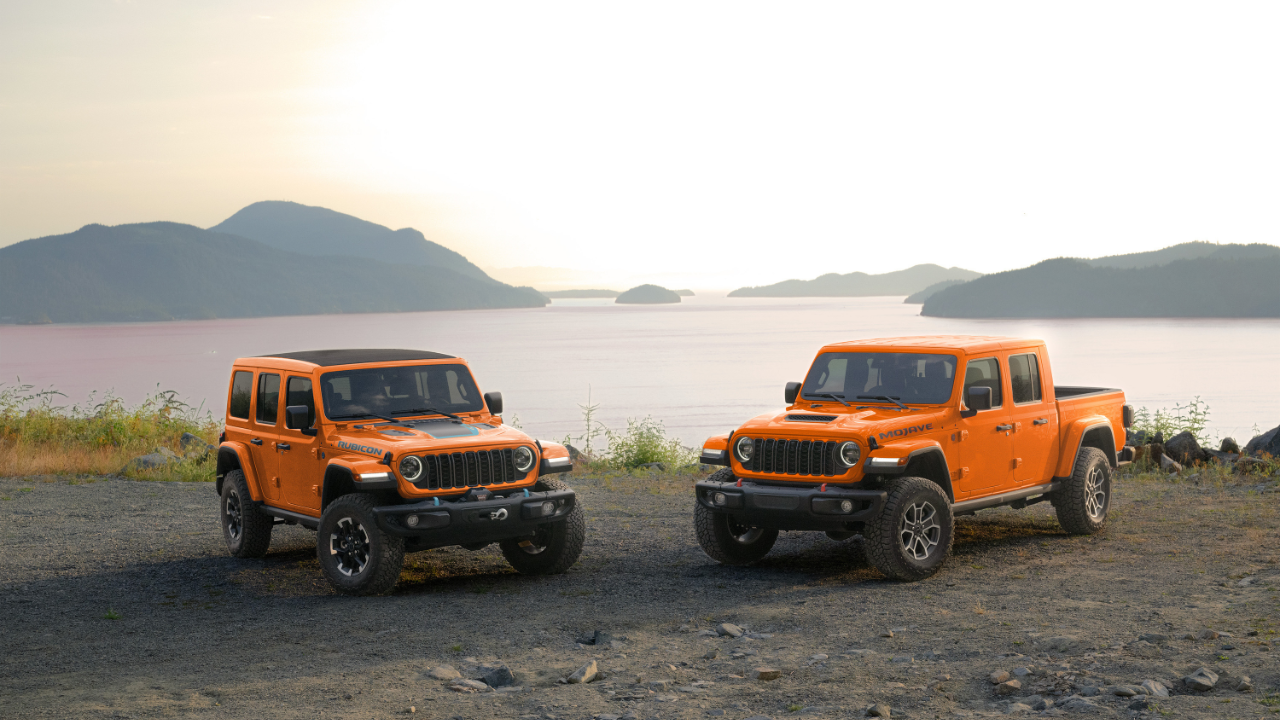
Days’ supply is an important measurement of how quickly automakers and dealers are moving their available inventory. A higher number generally means vehicles are sitting longer relative to the current sales pace, while a low figure indicates tighter supply and stronger turnover.
The industry entered July with an average supply of around 80 days. Jeep’s 160-day figure puts it at precisely double that level, making the brand an extreme example of the inventory challenges affecting parts of Stellantis’ American portfolio.
Jeep isn’t alone within the company, either. Ram and Dodge also reportedly carried inventories exceeding twice the industry average, suggesting Stellantis dealers continue to face considerable pressure to balance production, pricing, and consumer demand.
The contrast with Toyota is particularly striking. With only 37 days of supply, Toyota dealers have considerably less reason to negotiate aggressively when many of their vehicles are already moving quickly.
The Big Discounts Still Haven’t Arrived
Conventional wisdom suggests that a dealership packed with slow-selling vehicles should be a good place to negotiate. Manufacturers and dealers typically use incentives, financing deals, rebates, or direct discounts to clear aging inventory and make room for incoming models.
Jeep’s numbers complicate that assumption. Despite having the highest days’ supply among the brands included in the data, its June incentives reportedly represented 6.7 percent of average transaction prices, slightly below the overall industry’s 7 percent.
That doesn’t mean individual Jeep models or dealerships aren’t offering attractive deals. Incentives can vary significantly depending on the vehicle, region, trim level, financing arrangement, and how long a specific unit has been sitting in inventory.
Still, the broader numbers suggest shoppers shouldn’t assume that Jeep’s inventory situation automatically gives them unlimited negotiating power. The brand may have plenty of vehicles available, but it hasn’t responded with incentives dramatically exceeding those offered across the rest of the market.
New Cars Are Still Extremely Expensive
The inventory situation comes as affordability remains one of the biggest concerns facing American car buyers. According to the latest figures cited by Cox Automotive, the average new-vehicle listing price reached $49,336 in June.
That’s up 1.4 percent compared with June 2025 and represents another reminder of how close the typical advertised new-car price has moved toward the psychologically significant $50,000 mark. Expensive pickups, luxury SUVs, and premium EVs can pull that average higher, however, meaning it doesn’t necessarily represent what every shopper will encounter.
There are still hundreds of thousands of relatively affordable new vehicles available. More than 688,000 vehicles were reportedly listed between $30,000 and $40,000 during June, with an average listing price of $35,377 within that bracket.
Approximately 34 percent of total new-vehicle inventory was priced below $40,000. Vehicles in the $30,000-to-$40,000 category also represented 28 percent of June sales and carried a 70-day supply, indicating that comparatively affordable models are moving faster than the overall market.
Stellantis Has An Inventory Problem To Solve

Jeep’s enormous inventory figure is especially notable because the brand has spent years attempting to move further upmarket. Models such as the Grand Wagoneer pushed Jeep into significantly more expensive territory, while prices across familiar nameplates also climbed substantially compared with previous generations.
That strategy becomes harder to sustain when dealers accumulate vehicles faster than customers buy them. A 160-day supply doesn’t necessarily mean every Jeep model is struggling equally, but it does suggest the overall balance between inventory and sales is far from ideal.
The challenge for Stellantis is finding a solution that doesn’t damage residual values or train customers to wait for enormous rebates. Heavy discounting can clear dealer lots quickly, yet it can also hurt resale values and make full-price sales considerably harder in the future.
Holding firm on pricing carries its own risks. Vehicles sitting on dealer lots cost money, and aging inventory eventually has to compete against newer model-year products arriving behind it.
Jeep Buyers May Want To Shop Around
For consumers, Jeep’s inventory situation creates an unusual market. There should theoretically be plenty of choice available, particularly compared with brands such as Toyota, but that abundance hasn’t translated into industry-leading incentives.
That makes comparison shopping especially important. Buyers interested in a Jeep may find significantly different deals between individual dealerships, particularly on vehicles that have been sitting in stock for extended periods.
The bigger question is how long Jeep and its dealers can maintain relatively restrained incentives with a 160-day supply hanging over the brand. If inventory continues accumulating or sales weaken, stronger discounts may eventually become difficult to avoid.
For now, however, having the slowest-moving inventory doesn’t necessarily mean Jeep dealers are ready to give vehicles away. The lots may be full, but shoppers hoping that alone guarantees a bargain could still find themselves negotiating harder than expected.