
For decades, footballers and high-performance cars have shared a cultural link shaped by money, celebrity, and the symbolism of speed. From the turbocharged supercar boom of the 1980s to today’s social media-driven athlete branding, expensive vehicles have become extensions of sporting identity as much as transportation.
That relationship has also carried a darker history. A long list of professional players across Europe have faced legal trouble tied to reckless or impaired driving, often exposing the tension between elite athletic discipline and impulsive decisions made away from the pitch.
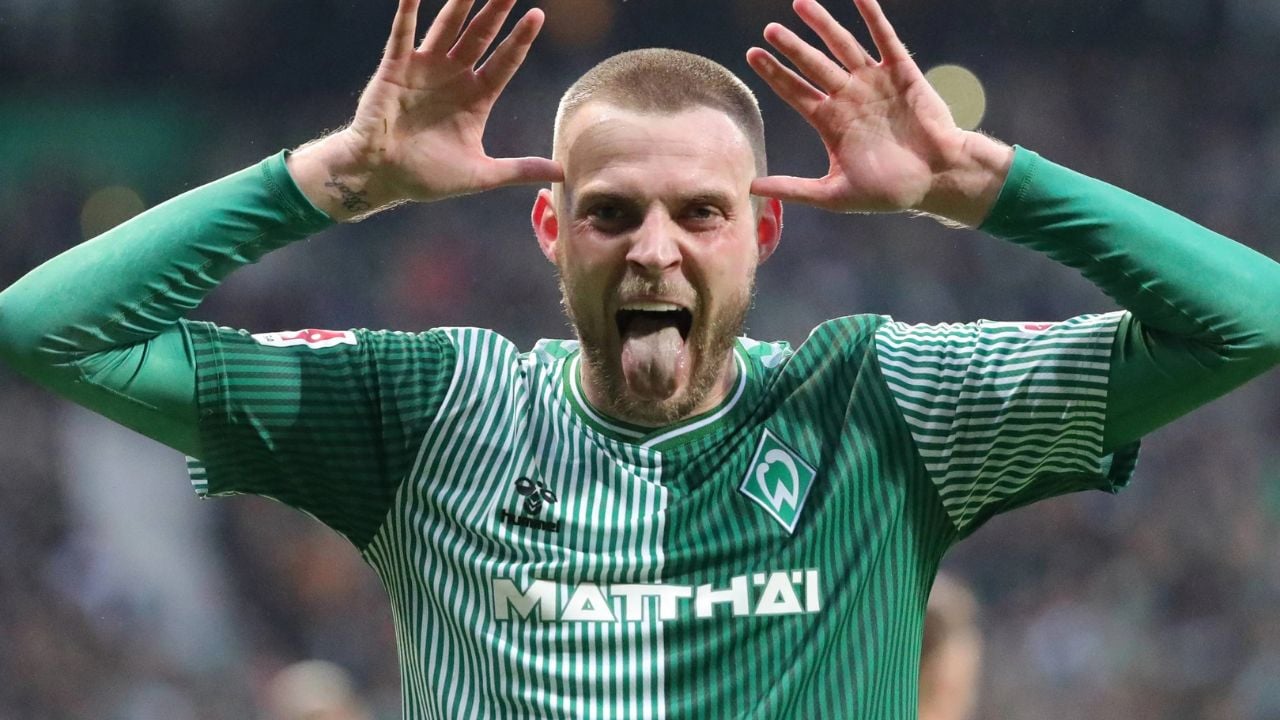
Now, Birmingham City striker Marvin Ducksch has joined that conversation after a drink-driving crash in Warwickshire led to a court appearance, a substantial fine, and a lengthy driving ban. The incident unfolded only hours after the German forward featured in Birmingham’s Championship defeat to Ipswich Town.
The case has reignited debate around football culture in England, where clubs increasingly market players as polished global personalities while still confronting recurring off-field incidents involving alcohol, nightlife, and luxury vehicles.
Post-Match Celebration Ends in Collision
According to prosecutors at Warwickshire Magistrates’ Court, Ducksch consumed alcohol after Birmingham City’s 2-1 loss to Ipswich Town on April 6 before deciding to drive his Mercedes home. While traveling along the A3400 near Henley-in-Arden, the striker reportedly attempted to change the music in his vehicle and drifted into oncoming traffic, clipping two cars and injuring two women.
Police administered a roadside breath test that recorded 65 micrograms of alcohol per 100 millilitres of breath, significantly above the legal limit of 35 micrograms. A later intoxilyzer test in custody registered 53 micrograms.
Ducksch pleaded guilty at the earliest opportunity and admitted he believed he was under the legal threshold. Prosecutors told the court the player remained cooperative throughout the investigation, stayed at the crash scene, and checked on the occupants of the damaged vehicles before officers arrived.
Magistrate John Kiely warned the footballer he was fortunate the crash did not result in fatalities. He noted the incident could easily have escalated into a far more serious criminal case involving dangerous driving charges.
Football, Wealth, and Automotive Symbolism
Modern football culture has long embraced luxury automobiles as visible markers of success. Premier League and Championship parking lots have become showcases for Mercedes-AMG models, Range Rovers, Lamborghinis, Bentleys, and Ferraris, with manufacturers often eager to associate their brands with elite athletes who command enormous online audiences.
That connection intensified during the 1990s and early 2000s, when television money transformed English football into a global entertainment business. Young players suddenly earned salaries that granted access to vehicles once reserved for business magnates and celebrities.
Yet the automotive symbolism surrounding footballers has repeatedly collided with public safety concerns. Cases involving speeding, drink-driving, and dangerous driving have shadowed several generations of players, creating recurring scrutiny over club discipline and athlete accountability.
Ducksch’s case also highlights how distractions inside modern vehicles continue to feature prominently in crash investigations. Infotainment systems, touchscreen controls, and connected media functions have introduced new forms of cognitive distraction even as automakers improve crash protection and driver assistance technologies.
Birmingham City’s Internal Punishment
Birmingham City F.C. responded internally before the court ruling, limiting Ducksch’s playing time during the final weeks of the season and issuing financial penalties. The club confirmed shortly after the incident that the striker had accepted responsibility for his actions.
The disciplinary response reflected a broader shift across professional football, where clubs increasingly move to protect commercial reputations and reassure sponsors following off-field controversies. Owners and executives understand that player behavior now spreads instantly through social media ecosystems that amplify reputational damage far beyond local headlines.
Ducksch only joined Birmingham City in 2025 through a reported £2 million (roughly $2.69 million) move that reportedly received backing from minority owner Tom Brady. The transfer formed part of Birmingham’s ambitious rebuilding project under high-profile ownership seeking to elevate the club’s global visibility.
On the pitch, the German striker delivered a respectable first campaign with 10 goals. Off the field, however, the crash now threatens to overshadow much of that contribution.
A Familiar Reckoning for Modern Sports
View this post on Instagram
The court ultimately fined Ducksch more than £16,000 (about $21,500) and imposed a 14-month driving ban, with additional compensation payments ordered for the injured victims. Because his alcohol reading fell within the lower sentencing category and he entered an early guilty plea, the striker avoided jail time.
Still, the episode reflects an enduring contradiction within elite sports culture. Professional athletes operate under strict physical and tactical discipline for much of their lives, yet fame, wealth, and public adoration can create environments where poor decisions carry devastating consequences.
In automotive terms, the story also underlines how vehicle sophistication cannot compensate for impaired judgment. Modern Mercedes safety systems may reduce crash severity, but no driver-assistance technology can neutralize alcohol impairment or distracted driving entirely.
For football clubs across Europe, incidents like this remain deeply uncomfortable because they cut against carefully managed public images. Teams sell professionalism, focus, and elite preparation, but one late-night drive can unravel months of branding and sporting momentum in seconds.