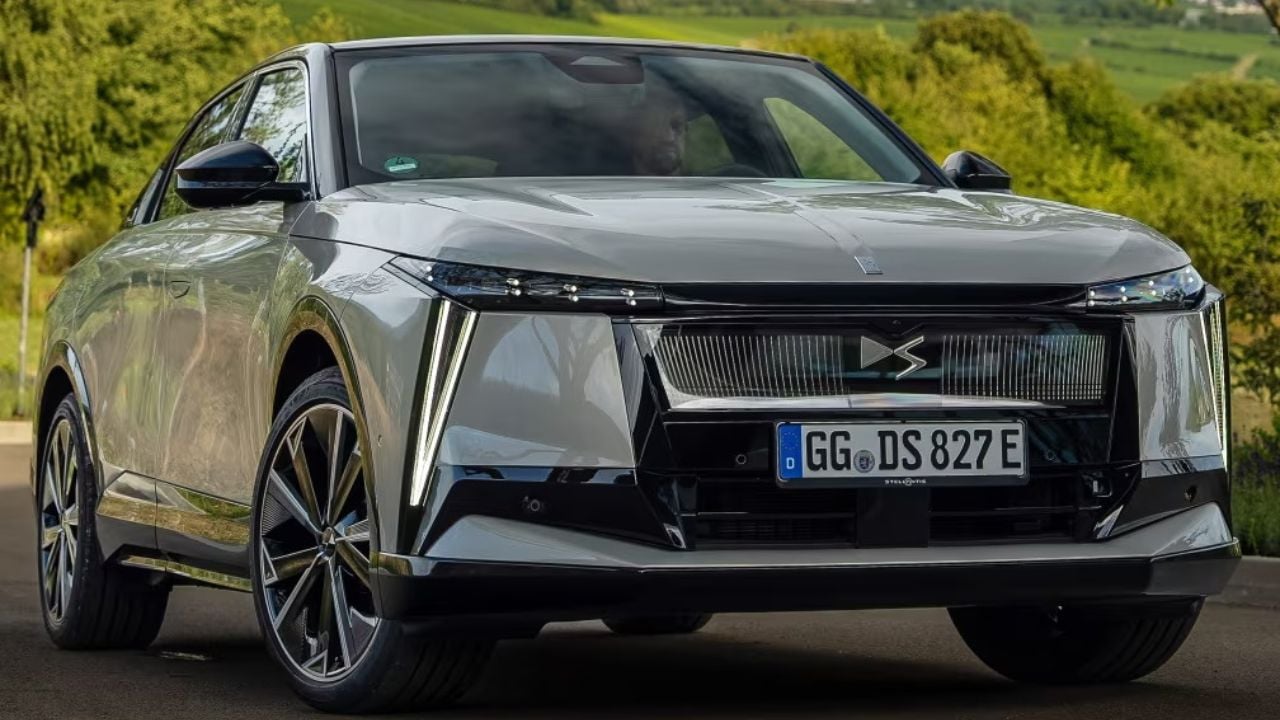
When Peugeot-Citroen and Fiat-Chrysler merged in early 2021 to create Stellantis, then-CEO Carlos Tavares promised that all 14 brands would remain under the same corporate roof.
Almost immediately, however, rumors began that some names could be sold or shut down to simplify the portfolio and reduce financial pressure.
Those scenarios never happened during Tavares’ turbulent time in charge. Every brand survived, despite constant industry speculation.
A new round of questions began after Antonio Filosa became CEO in May 2025, but one year later, all 14 brands are still part of the group, including Maserati, Lancia, and DS Automobiles.
A Clearer Plan Through FaSTLAne 2030
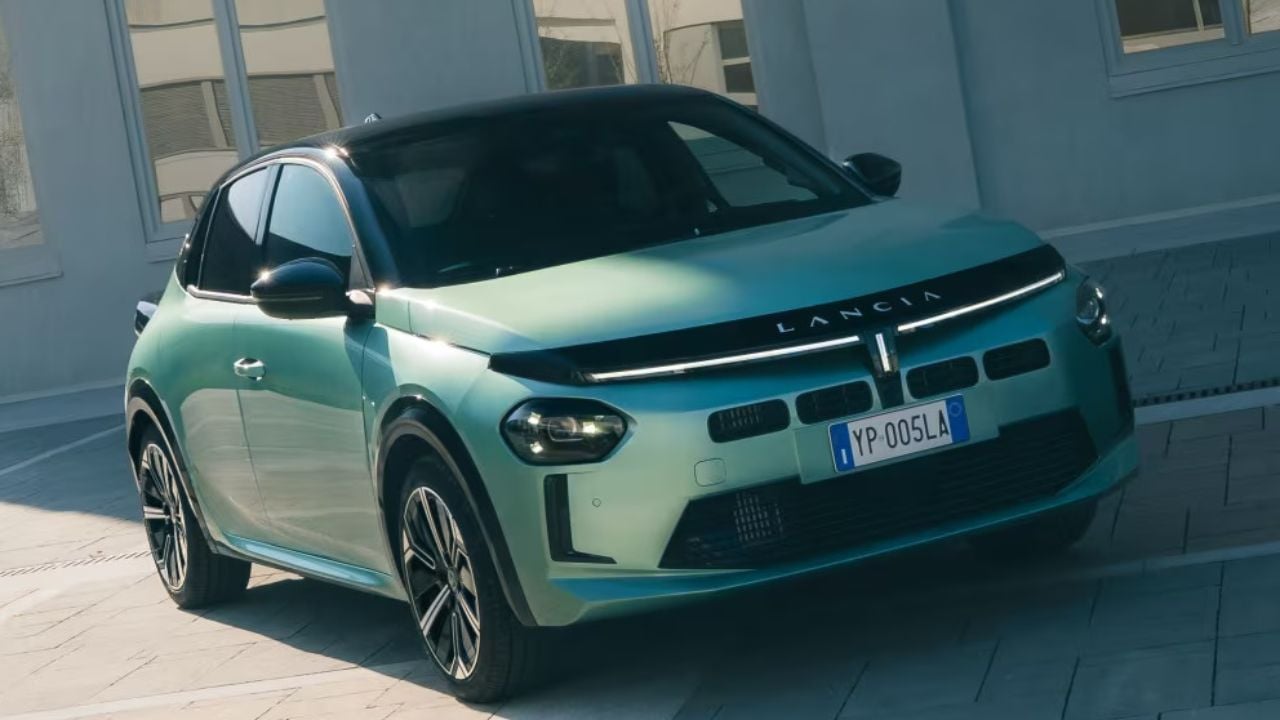
This week’s presentation of the FaSTLAne 2030 strategy brought a clearer look at Stellantis’ plans. The company wants to position Lancia and DS Automobiles as specialized premium brands with more clearly defined identities.
Fiat will be responsible for Lancia’s development, while DS will now be overseen by Citroen. Details about future models have not yet been released, but Filosa says every brand inside Stellantis will have a specific role in reaching the company’s goals through 2030.
The plan calls for 110 new or refreshed models by the end of the decade. Some of that product wave is expected to include Lancia and DS, although it seems unlikely that either brand will develop fully unique vehicles from scratch.
Premium Models With Limited Scale

A more realistic path would involve more luxurious and stylistically sophisticated versions of existing Fiat and Citroen models. That would allow Lancia and DS to target buyers who want more exclusivity without the cost of developing completely separate cars.
Still, Stellantis insists that Lancia and DS will remain separate brands, rather than becoming trim packages or luxury labels for their parent divisions. The term “specialized brands” remains broad for now. Industry analysts expect much smaller production volumes compared with the group’s main players.
That makes sense, because both Lancia and DS are likely to focus on image, design, and selected markets rather than mass volume.
Sales Numbers Show The Challenge
The sales figures show how difficult the job will be. According to the European Automobile Manufacturers’ Association, Lancia and Chrysler together recorded a 64% drop in registrations during 2025, with only 11,754 vehicles delivered.
The beginning of 2026 brought a mild recovery. In the first quarter, 4,072 cars were registered, which represented growth of 15.5%.
The situation is not much stronger for DS Automobiles. Registrations fell by 22.5% in 2025 to 29,042 vehicles. The negative trend continued in the first quarter of 2026, with registrations down another 17.1% to 6,771 cars.
Stellantis Is Taking A Risk By Keeping Them Alive
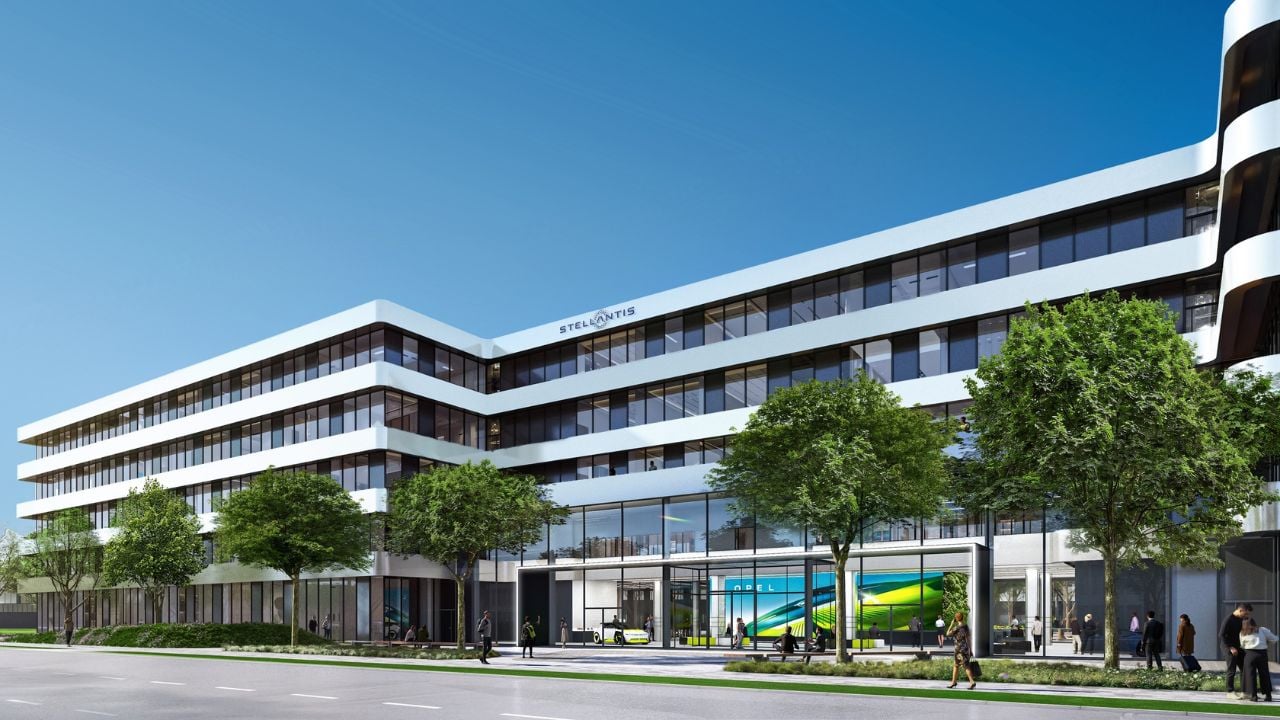
Stellantis’ strategy for 2026 to 2030 confirms that Lancia and DS will continue as separate entities. Fiat is now grouped among the company’s four global brands alongside Peugeot, Jeep, and Ram.
Citroën is part of a regional group that also includes Opel/Vauxhall, Alfa Romeo, Dodge, and Chrysler.
At a time when the auto industry is facing massive electrification costs, expensive software development, and growing pressure from Chinese manufacturers, keeping less profitable brands alive is a bold decision.
That is especially true for Lancia and DS, two names that have spent years searching for a stable position and a clear identity among Stellantis’ many internal rivals.
This article originally appeared on Autorepublika.com and has been republished with permission by Guessing Headlights. AI-assisted translation was used, followed by human editing and review.