
Manual cars used to be everywhere in the affordable performance market. Now they are becoming one of the easiest ways to separate an ordinary used car from something enthusiasts may fight over later.
The new-car market explains the pressure. Recent 2026 manual-transmission roundups show how short the list has become in the U.S., and MotorTrend’s current guide points to the same reality: the stick shift is still alive, but buyers no longer have many choices.
Used cars with the right manual gearbox now carry a different kind of value. Rear-wheel drive, compact size, naturally aspirated engines, simple turbocharged powertrains, hydraulic steering, and factory stick shifts are all harder to replace than they were ten years ago.
Affordable does not mean cheap commuter money here. Clean driver-quality examples of these cars still tend to live from the mid-teens into the low-$30,000 range, before the best stock cars move fully into collector pricing. The wrong example can still become a mistake, but the right one may be the car buyers wish they had grabbed earlier.
2001 To 2004 Chevrolet Corvette Z06
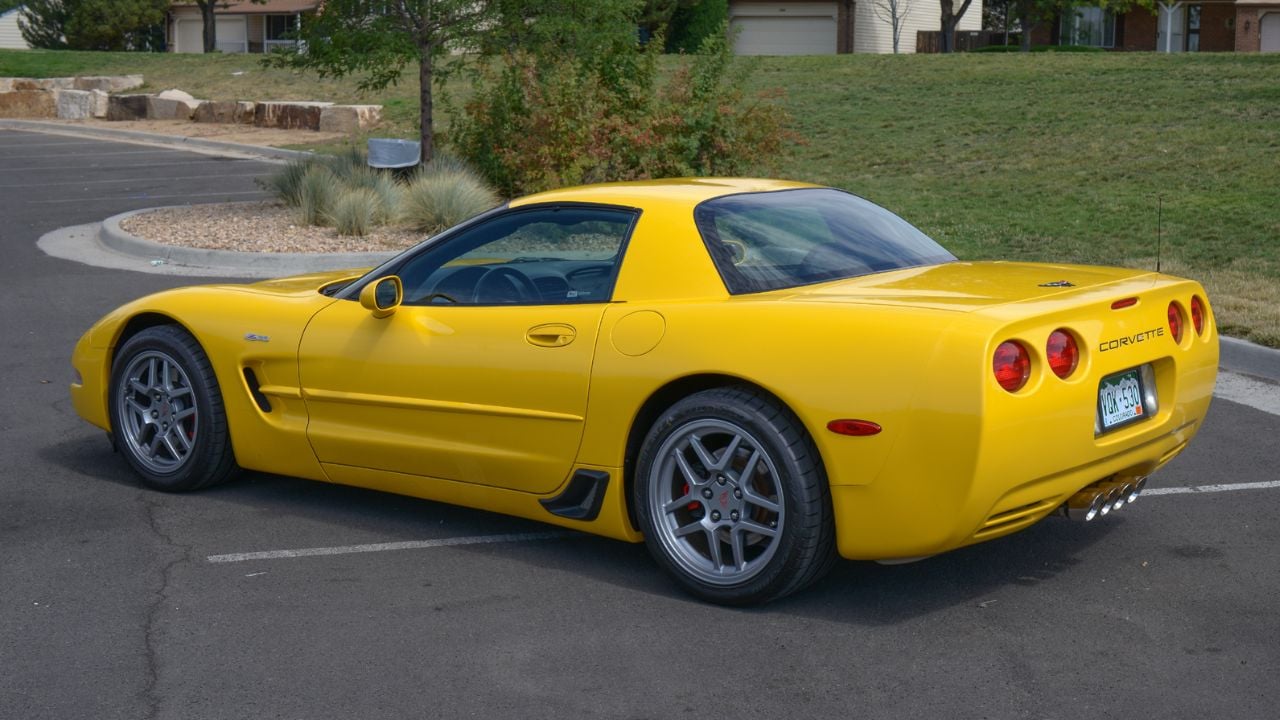
The C5 Corvette Z06 still sits in a dangerous price zone for buyers. It is not old enough to feel unreachable, but it has the hardware people usually chase once a generation of performance cars becomes collectible.
Chevrolet sold the Z06 only with a 6-speed manual transmission. It used the fixed-roof body, carried less weight than regular C5 models, and brought LS6 V8 power. The 2001 model made 385 hp and 385 lb-ft of torque, while 2002 to 2004 cars rose to 405 hp and 400 lb-ft.
Classic.com tracks the C5 Z06 at an average price around $30,400. That still looks attainable beside newer high-performance Corvettes, but clean stock cars already separate themselves from rougher modified examples.
Buyers should be picky. Track use, accident history, cheap modifications, clutch wear, and deferred maintenance can turn a tempting Z06 into the wrong car quickly. The example worth watching is the mostly original one with records, not the cheapest listing with sticky tires and a vague ownership story.
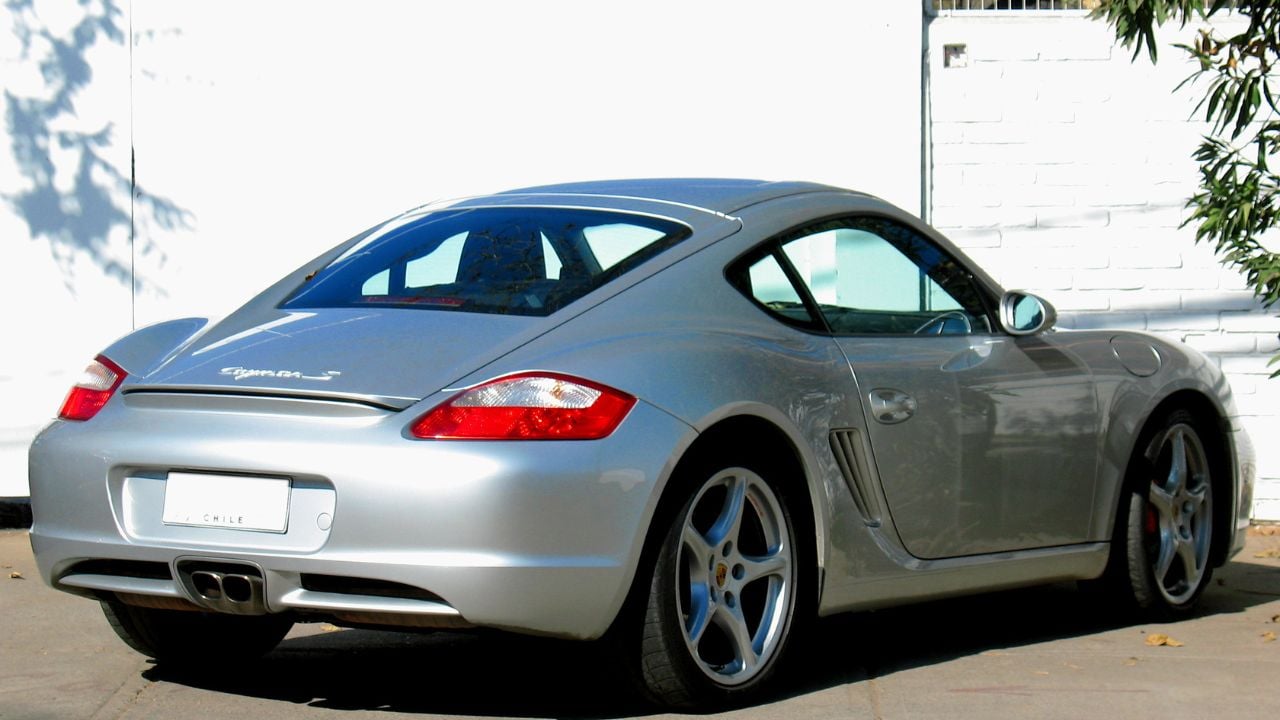
2006 To 2008 Porsche Cayman S Manual

The first-generation Porsche Cayman S manual gives buyers the layout Porsche fans keep coming back to: a mid-mounted flat-six, rear-wheel drive, compact size, and a proper 6-speed manual transmission.
The 987.1 Cayman S used a 3.4L flat-six rated at 295 hp and 251 lb-ft of torque. Those numbers are not shocking today, but the balance, steering, size, and seating position give the car a kind of road feel many newer performance cars bury under weight and electronic systems.
Classic.com places the manual 987.1 Cayman S around the high-$20,000 range on average, while automatic S examples sit much lower on its market breakdown. Buyers already separate the stick-shift car from the rest of the market.
A pre-purchase inspection is not optional. Maintenance history, cooling-system work, clutch condition, oil leaks, and signs of hard track use all matter. A neglected Cayman S can become expensive fast, but a clean manual car still looks like one of Porsche’s last reachable analog buys.
2004 To 2006 Pontiac GTO Manual
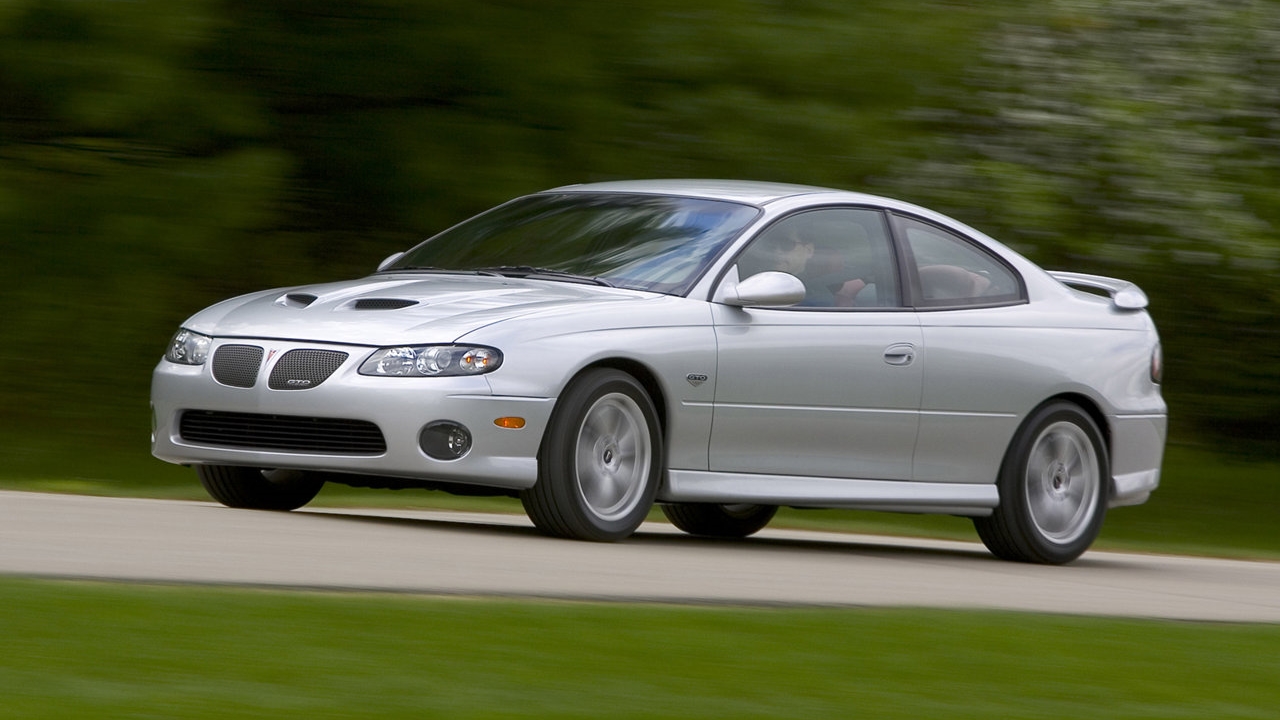
The fifth-generation Pontiac GTO was criticized when new for looking too plain. Two decades later, the simple Holden Monaro shape looks cleaner than many newer muscle cars with busier styling.
The mechanical package was never weak. The 2004 GTO used a 5.7L LS1 V8 rated at 350 hp and 365 lb-ft of torque. For 2005 and 2006, Pontiac moved to the 6.0L LS2 V8 with 400 hp and 400 lb-ft. A close-ratio Tremec 6-speed manual was available, and that is the version buyers should care about most.
Classic.com places the overall 2004 to 2006 GTO market around $21,600 on average, but clean LS2 manual cars can sit above that. The average number should not make buyers think every good GTO is still cheap.
The right car needs service records, a clean title, and careful inspection for cheap power mods, worn interiors, tired suspension parts, and body trim that may not be easy to replace. A clean manual GTO has three things newer buyers keep rediscovering: rear-wheel drive, LS power, and Pontiac’s final-era story.
2008 To 2013 BMW 135i Coupe Manual

The BMW 135i Coupe looks more interesting as newer BMWs grow larger, heavier, and more digital. It is small by modern standards, rear-wheel drive, and powered by a turbocharged 3.0L inline-six rated at 300 hp and 300 lb-ft of torque.
Early cars used the N54 twin-turbo engine, while later 135i models moved to the N55 single-turbo engine. Both kept the same factory power rating. A 6-speed manual was available, and later cars could also be found with BMW’s dual-clutch transmission, but the manual coupe is the one that best preserves the compact BMW formula.
Classic.com tracks the broader E8x 135i market around $17,600, although individual results show a huge spread. Ordinary examples still sell like used cars. Rare, low-mile, carefully kept cars can bring far stronger money.
This car punishes lazy shopping. N54 cars can bring fuel-system issues, turbo and wastegate concerns, oil leaks, cooling-system work, and years of questionable tuning. N55 cars are simpler in some areas but still need inspection. A clean manual 135i Coupe is the target, not the cheapest modified one with warning lights and missing receipts.
2014 To 2019 Ford Fiesta ST
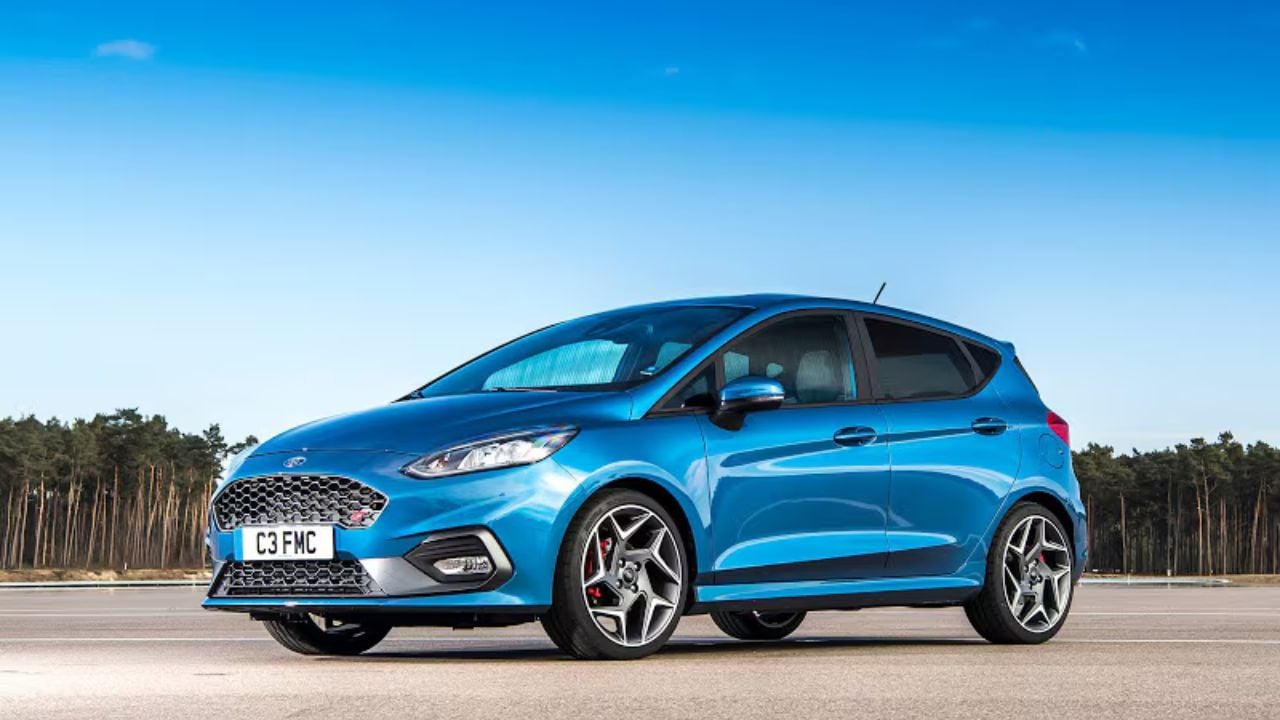
The Ford Fiesta ST is the cheapest car here, and buyers can easily underestimate it. Ford sold it in the U.S. only as a manual hot hatch, with a turbocharged 1.6L four-cylinder, a 6-speed manual transmission, and chassis tuning that made it feel far sharper than a small economy car should.
Ford’s 2014 ST supplement lists 197 hp and 214 lb-ft of torque on 93 octane, along with the 6-speed manual and optional Recaro front seats. Classic.com currently places the Fiesta ST market around $14,000, which keeps it within reach for buyers who cannot touch Corvette or Cayman money.
The Fiesta ST does not need huge speed to make sense. Its size, steering, short gearing, and lively chassis make normal roads entertaining. A car that feels fun below illegal speeds can be more satisfying than something that only wakes up on a racetrack.
Stock examples are the ones to watch. Many Fiesta STs were tuned, launched hard, autocrossed, or treated like disposable cheap fun. Buyers should check for crash damage, poor modifications, worn Recaros, rust depending on region, clutch condition, and missing maintenance. A clean, uncut car with records is already the better find.
The Manual Cars Worth Watching Are The Clean Ones
The cheapest example is usually not the smartest one. These cars are old enough now that condition, ownership history, and originality separate the good buys from the traps.
The C5 Z06 gives buyers manual V8 performance with real Corvette credibility. The Cayman S brings mid-engine Porsche balance before prices climb into less comfortable territory. The Pontiac GTO hides LS power under a body that has aged better than its early reputation. The BMW 135i Coupe keeps the small turbocharged BMW formula alive, but only rewards buyers who respect the maintenance risk. The Fiesta ST proves affordable hot hatches can still feel sharp, useful, and genuinely fun.
The common thread is not only the clutch pedal. It is the combination of a factory manual gearbox, a strong enthusiast identity, and a clean example worth preserving.
For buyers who still want that connection, waiting carries a real risk. These cars will not all become collector gold, and bad examples will remain bad examples. The clean, documented, manual cars are the ones that may become much harder to replace cheaply.