Tesla is constantly chasing small efficiency gains, and its latest patents show just how unconventional those ideas can get. One newly published filing describes a panoramic glass roof with microscopic perforations designed to improve cabin cooling efficiency, while another proposes literally vacuuming hot air out of the vehicle interior.
The concepts may sound strange at first, but both patents are aimed at solving a major challenge for electric vehicles: climate control energy consumption. On extremely hot days, running the air conditioning can noticeably reduce EV range, especially in vehicles with large glass roofs and spacious cabins.
Tesla believes smarter airflow management could significantly reduce that energy loss. Instead of relying solely on traditional dashboard vents blasting cold air at occupants, the company wants to distribute temperature more intelligently throughout the cabin.
Whether these systems ever reach production remains unclear. Still, the patents offer another glimpse into Tesla’s obsession with squeezing efficiency improvements out of every part of the vehicle.
A Glass Roof Designed to Cool the Cabin
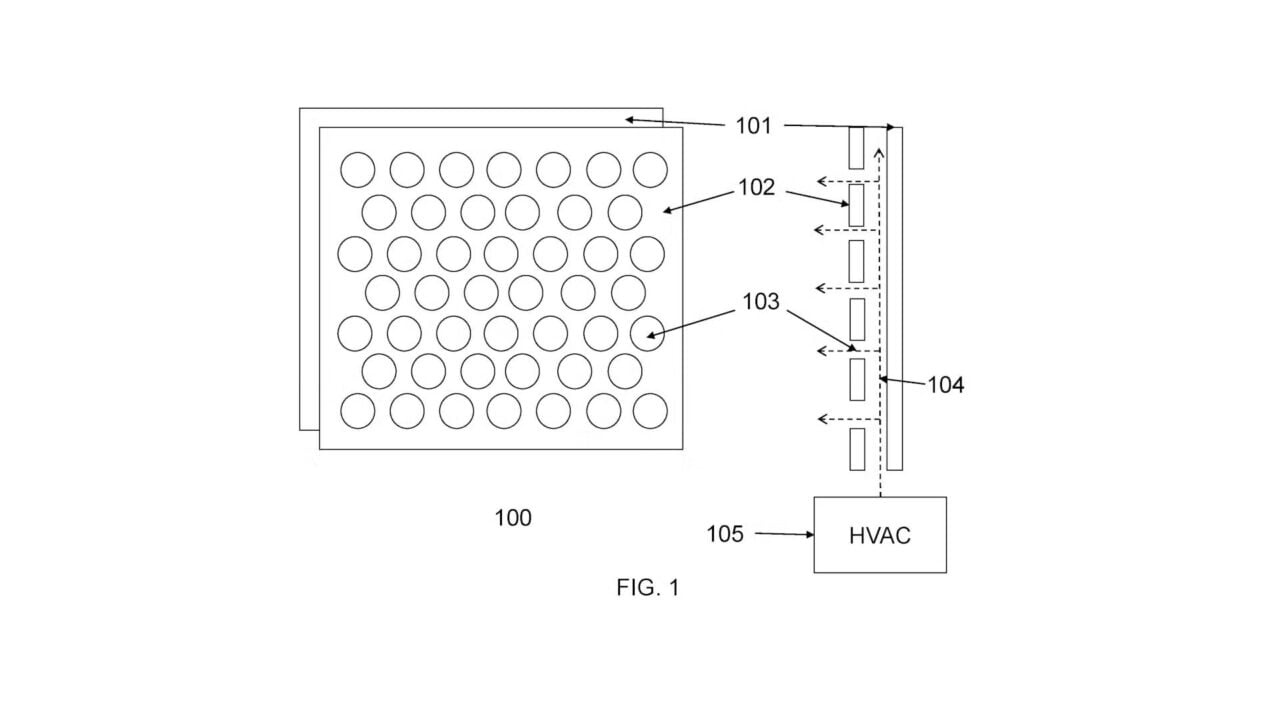
The first patent, titled “Automotive Perforated Glass Structure,” was originally filed in 2019 and has now been published by the United States Patent and Trademark Office.
At first glance, the roof appears similar to Tesla’s current panoramic glass setups. Underneath the surface, however, the design becomes much more complex.
The patent describes a multi-layer glass roof featuring a perforated inner layer separated from the outer glass by a honeycomb-style structure. That gap creates additional insulation against both heat and outside noise.
The tiny perforations would also allow cooled air from the HVAC system to circulate directly through the roof structure itself.
According to Tesla’s concept, cool air would spread across the upper portion of the cabin and gently diffuse downward toward passengers. Since hot air naturally rises, the system could create a more balanced cabin temperature while reducing the workload placed on conventional air conditioning vents.
The setup may also feel more comfortable for occupants. Instead of intense streams of cold air blowing directly at passengers, the cabin could maintain a more even and natural climate.
Tesla Also Wants to Vacuum Heat Out of the Cabin
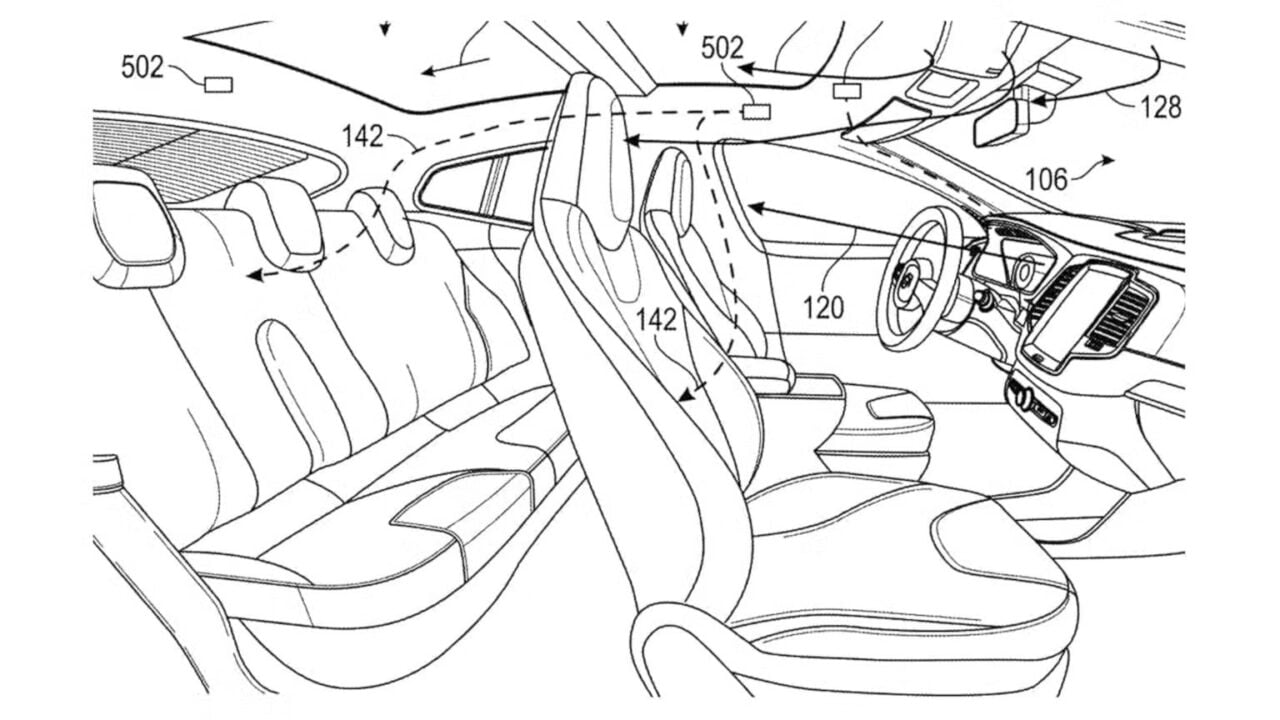
A second Tesla patent takes an even more unusual approach to cooling. Rather than focusing primarily on blowing cold air into the vehicle, the system would actively remove concentrated pockets of hot air using negative pressure created by a suction device integrated into the HVAC system.
In simple terms, Tesla wants the car to vacuum hot air out of the cabin. The patent explains that vents positioned near hotter areas of the interior could pull warm air directly into the HVAC system, where it would mix with cooler conditioned air before being recirculated back into the vehicle.
Tesla specifically points to solar heating as a major source of cabin temperature imbalance. Sunlight beating through a panoramic glass roof can create concentrated hot spots near upper seating areas, especially in larger vehicles like the Model X.
By targeting those areas directly, Tesla believes the HVAC system could cool occupants more efficiently while using less electricity overall.
Small Efficiency Gains Matter in EVs
Tesla estimates the suction-based cooling system alone could reduce HVAC-related energy consumption by roughly 7.4 percent under certain conditions.
That may not sound dramatic initially, but climate control has a surprisingly large impact on EV range. Studies have shown that air conditioning use during extremely hot weather can reduce driving range by as much as 18 percent.
Tesla’s proposed system reportedly reduced HVAC power draw from roughly 1,720 watts to 1,593 watts in simulations conducted at temperatures exceeding 100 degrees Fahrenheit. For EVs, those incremental improvements are important.
Unlike gasoline vehicles, where air conditioning typically has a relatively minor effect on overall efficiency, electric vehicles rely directly on battery energy for cabin cooling. Every watt saved by the HVAC system can potentially translate into additional driving range.
Combining Both Systems Could Be Even More Effective
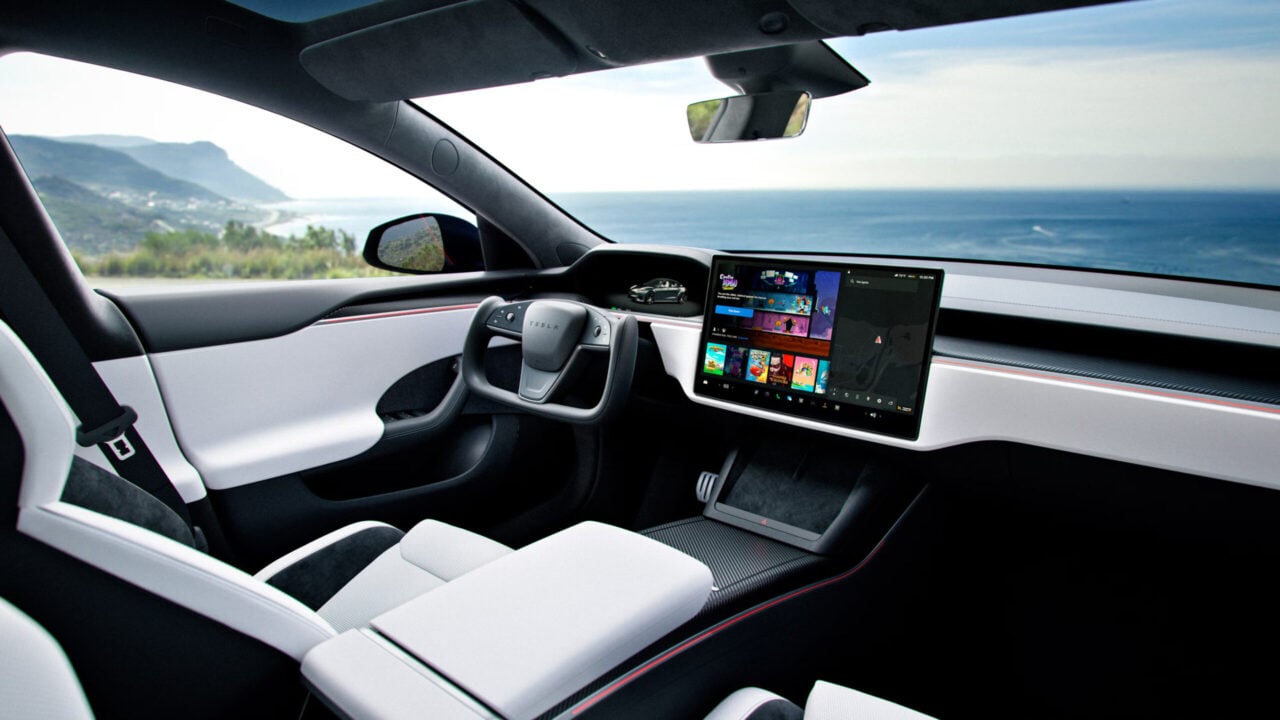
The most interesting possibility is how these two patents could work together. A perforated cooling roof combined with targeted hot-air extraction could allow Tesla vehicles to regulate cabin temperatures far more efficiently than traditional climate control systems.
The roof would help distribute cool air evenly from above, while the suction system would remove trapped heat pockets before they become uncomfortable.
Tesla’s patents also suggest the systems could adapt dynamically depending on cabin conditions, activating only where extra cooling is necessary. In theory, similar concepts could even be reversed during winter months to improve cabin heating efficiency as well.
Not Every Patent Reaches Production
Of course, Tesla files patents constantly, and many never appear in production vehicles. Automakers often protect experimental concepts years before deciding whether they are commercially practical.
Still, Tesla has repeatedly shown a willingness to introduce unusual engineering solutions if they improve efficiency or user experience. Features once considered unconventional, including giant glass roofs, over-the-air software updates, and minimalist interiors, have become defining characteristics of the brand.
The company’s future Cybercab and next-generation EV platforms could provide ideal opportunities to test some of these climate-control innovations.
Even if a roof full of microscopic holes sounds bizarre today, Tesla has built its reputation around ideas that initially seemed unconventional before becoming mainstream.