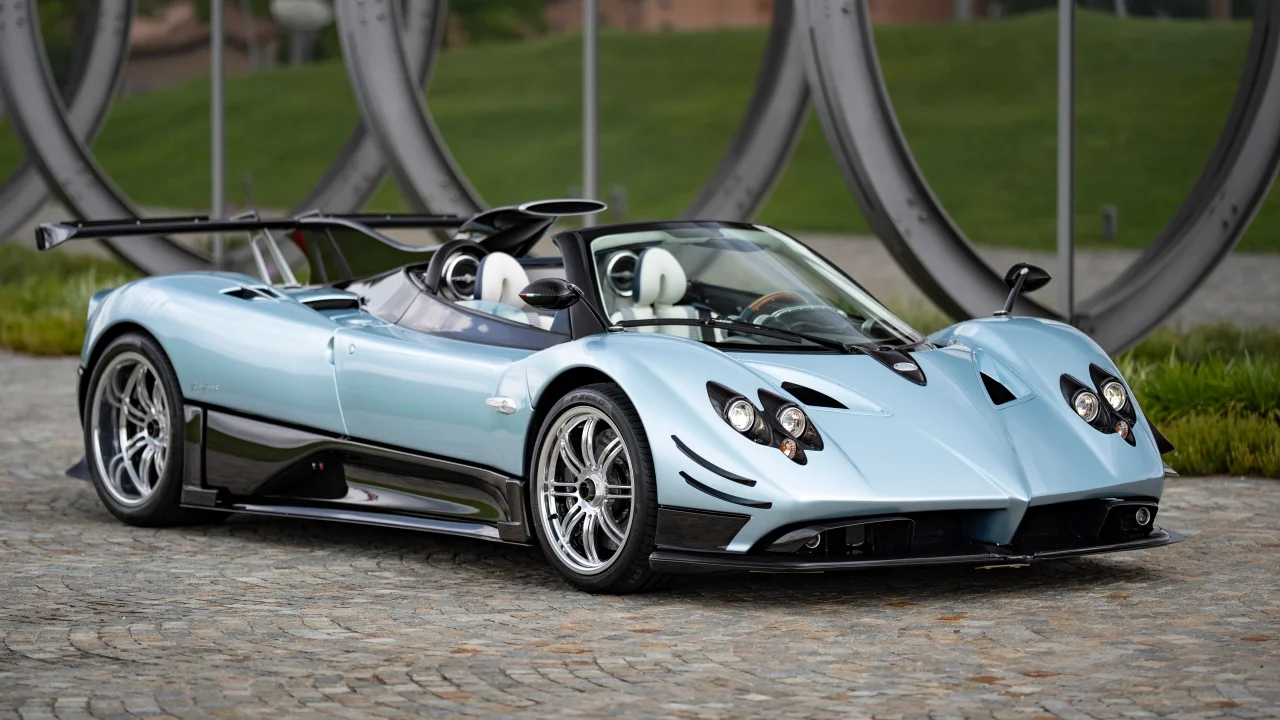
The Pagani Zonda is the supercar that simply won’t die. The first versions of the supercar were introduced in 1999, not long after the car made its debut at that year’s Geneva Motor Show. It remained in production right up until 2019, when Pagani officially replaced it with the Huayra. Yet towards the end, the Zonda refused to die, and that is still true today.
Even over a quarter of a century since it was unveiled, we can’t seem to shake off the Zonda. Not that it is a bad thing. Incredibly, the Zonda seems to be back once again, as Pagani has unveiled the new Zonda Cervino at this year’s Concorso d’Eleganza Villa d’Este in Italy. Just when you thought it was all over, the supercar has performed an amazing recovery.
While it is based on an existing chassis, this new Zonda features bespoke bodywork as well as upgrades under the skin, and it comes from the company’s customization service. But if you want one, you are out of luck, as this is a very special one-off example of the supercar.
That doesn’t detract from the fact that it is a minor miracle that the Zonda has returned, even if it is only as a singular unit. It is a sign of just how loved this remarkable supercar is, some 27 years after its introduction.
This Is What Makes the Pagani Zonda Cervino So Special
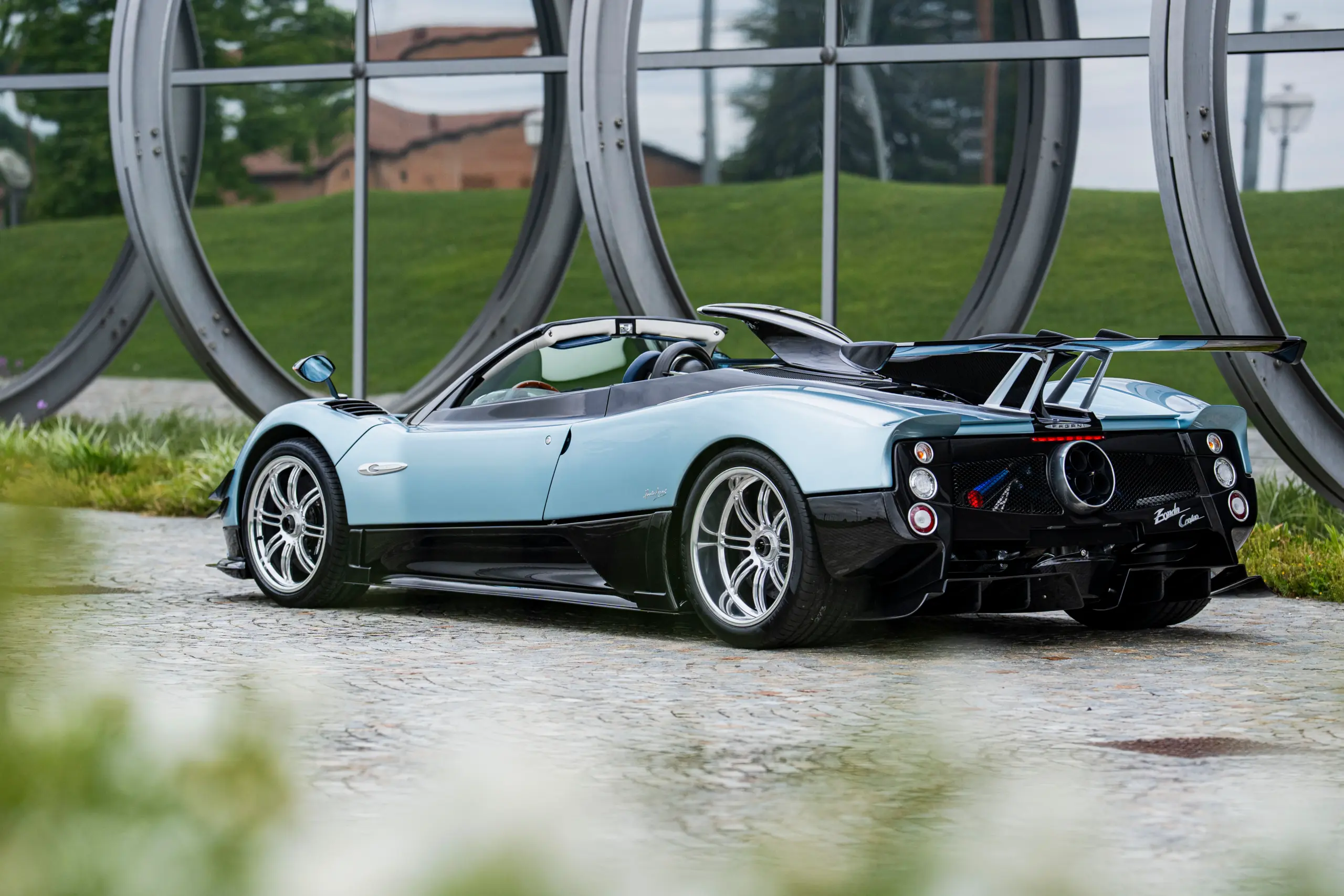
According to Pagani, the Zonda Cervino is an upgraded version of an existing Zonda. It made its debut at the Fuori Concorso during the Concorso d’Eleganza Villa d’Este in Italy. Remarkably, it is one of several custom one-offs produced since production ceased in 2019, such is the long-lasting appeal of the supercar.
Pagani says this is a “complete reimagining” of the supercar, and it was built by their customization service, Pagani Unico. The exterior has gone through an extensive redesign, with a two-tone paint job featuring Metallic Blue on the upper surfaces and Gloss Black on the lower ones. Outwardly and at first glance, it is tricky to tell the differences between this and other Zondas.
But there are some interesting details. The Cervino features two winglets on each side of the front fascia, just next to the headlights. The airbox behind the occupants looks incredibly thin, and it extends into an innovative shark fin behind it. Behind the fin is a large rear spoiler. The back looks very familiar, except with newer-looking taillights as well as an LED strip above the exhaust.
The Zonda Cervino Has a Bespoke Interior
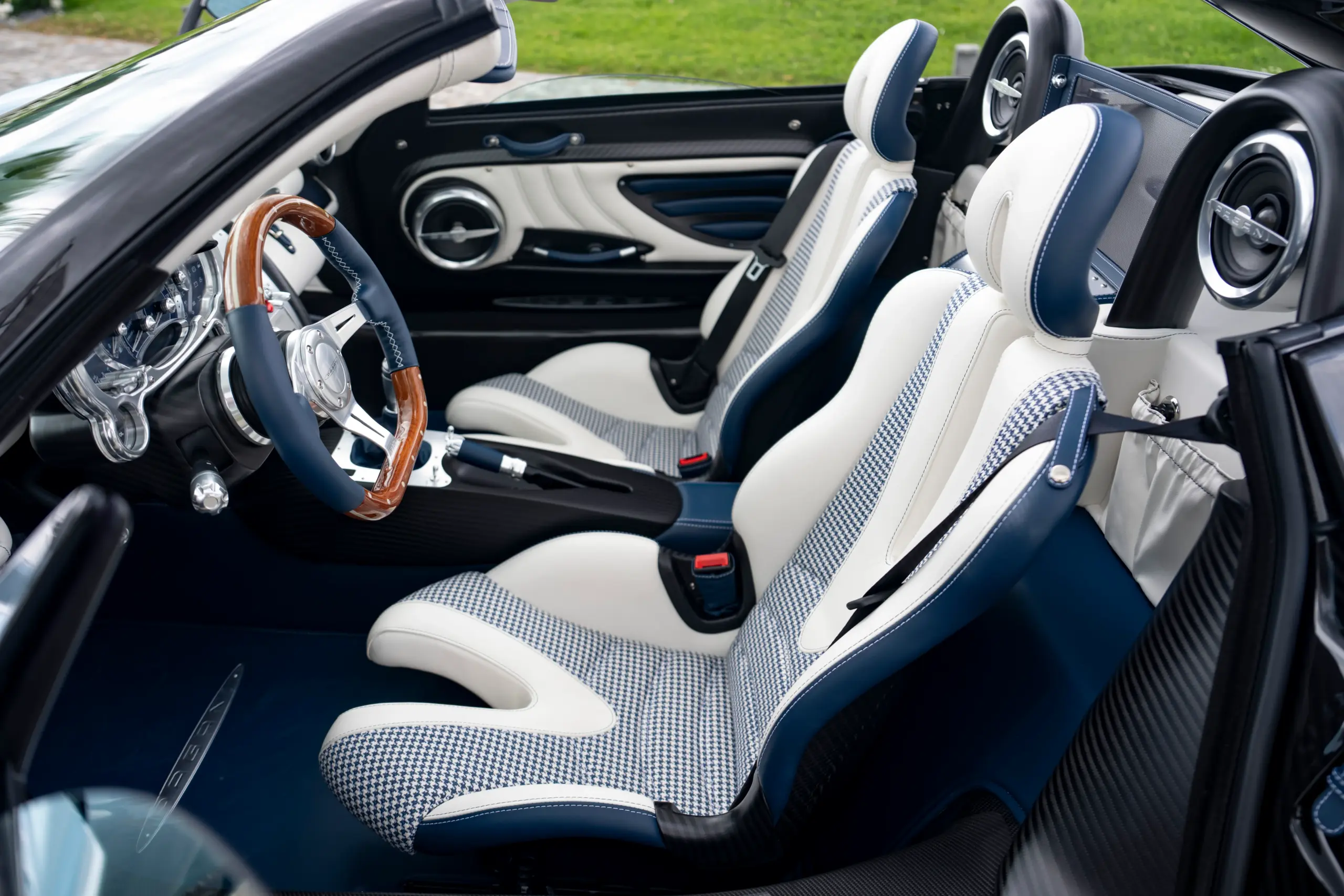
It isn’t just the outside of the car that has received attention. Pagani has ensured the interior of the car has also gone through some customization. It retains a very analogue look and feel, with plenty of physical controls that many of us miss in more modern supercars. The blue and white leather upholstery is stunning, as are the chequered seat inserts and signed plaque.
There are no announcements as to any additional technical details on the Zonda Cervino. Pagani said that the changes made to the car “bridge the gap” between its analogue heart and more modern vehicles. A bigger surprise, perhaps, is that Pagani has not announced what sits under the hood of this one-off Zonda. It is, however, likely to be a 7.3-liter Mercedes-sourced V12, making 750hp and 575lb-ft of torque, as used in other Zonda one-offs.
Why Pagani May Never Escape the Zonda
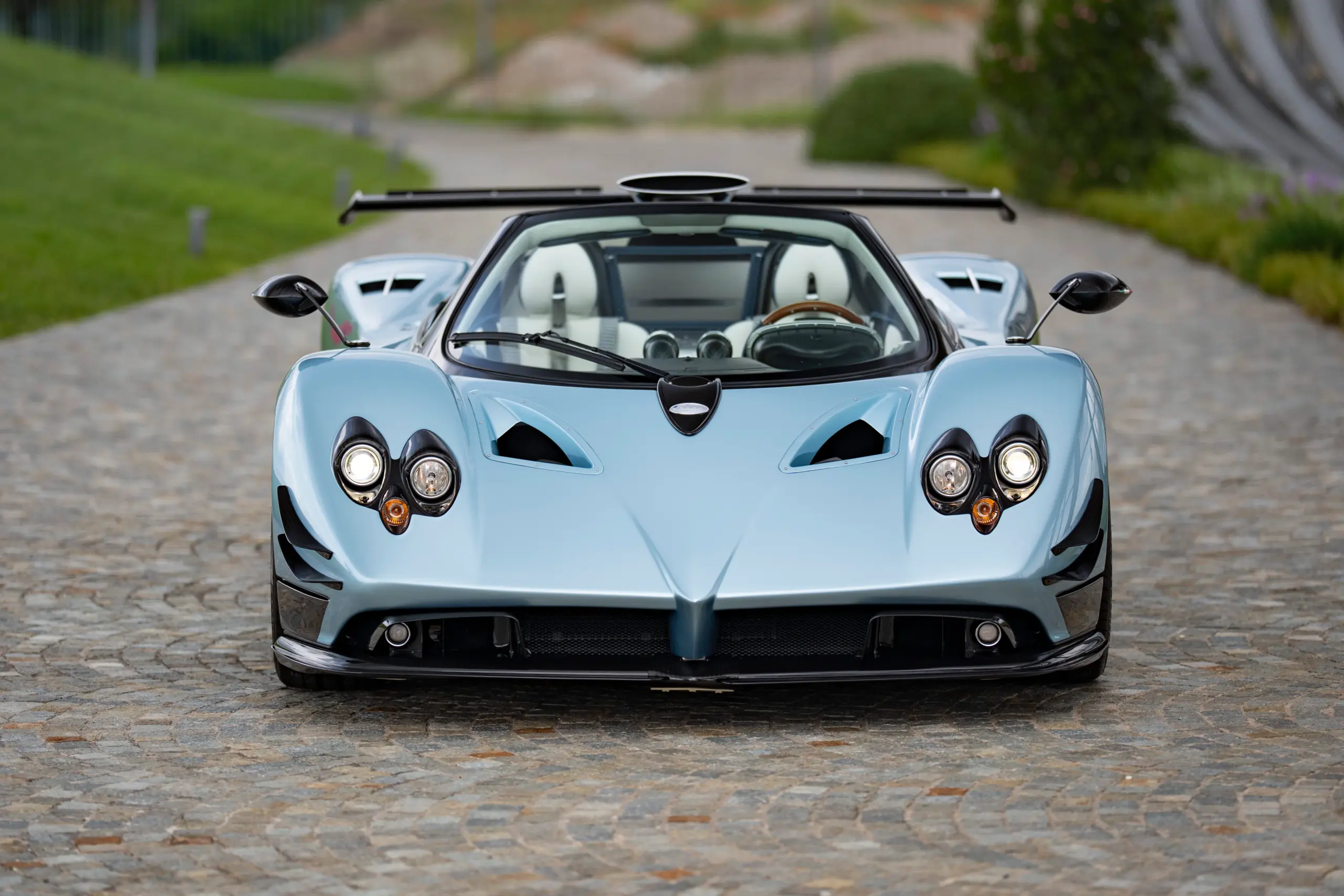
Despite production officially ending seven years ago, Pagani may never be able to escape the Zonda. The car was the poster boy of the company for ten years, and as their first supercar, it came to symbolize the company. It’s mad styling, V12 powertrain, and stunning soundtrack firmly put the company on the map. In total, 140 units and 12 iterations of the Zonda were produced from 1999 to 2019. Given the fact that we have just had another one-off version, we don’t think the Zonda story will end anytime soon.