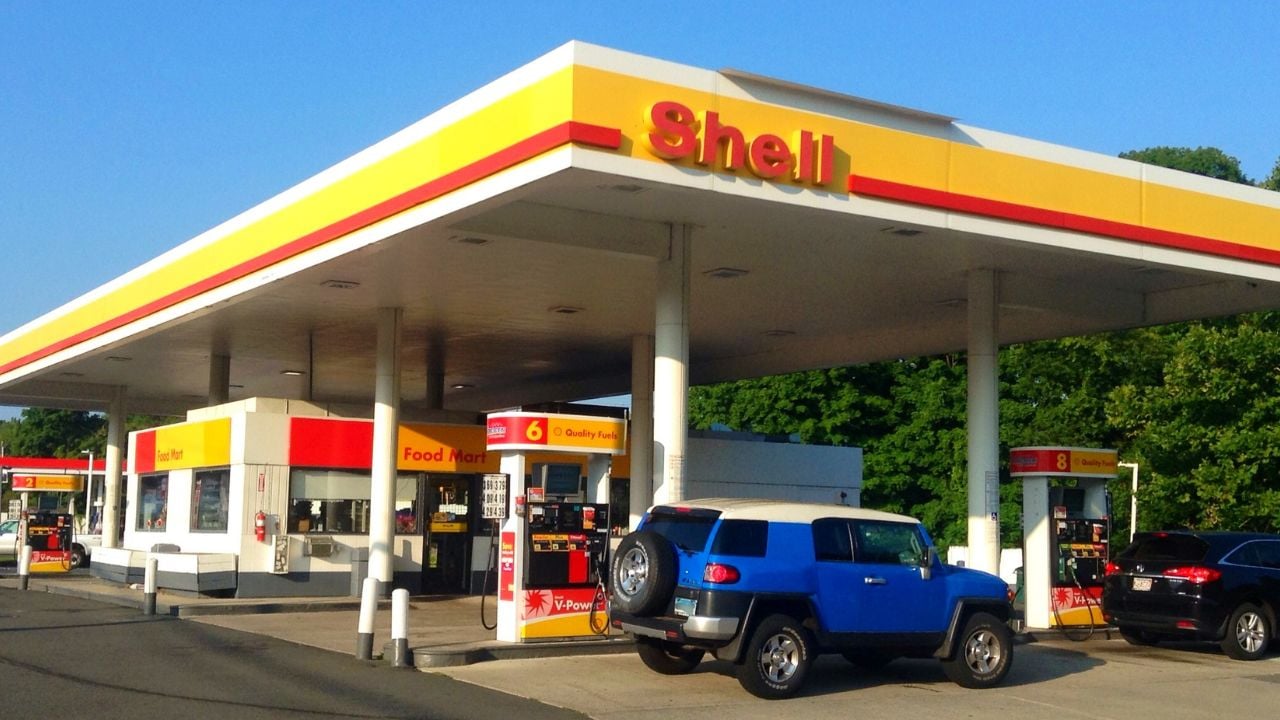
U.S. officials are investigating a series of cyber intrusions targeting fuel monitoring systems at gas stations across several states in what could become one of the most alarming infrastructure-related hacks of 2026. Investigators believe hackers breached automatic tank gauge systems, known as ATGs. These help station operators monitor underground fuel storage levels and detect leaks.
According to reports, many of the systems were exposed online without password protection, making them vulnerable to remote access. Officials suspect Iran-linked hackers were behind the campaign, though authorities have not publicly confirmed attribution. The attacks did not reportedly alter actual fuel supplies or shut down pumps, but cybersecurity experts warn the breaches exposed dangerous weaknesses in infrastructure tied directly to public safety.
The incidents surfaced in May 2026 amid heightened tensions involving Iran and renewed concerns over retaliatory cyber activity targeting U.S. infrastructure. Experts say the attack demonstrates how vulnerable operational technology remains despite years of warnings after earlier incidents like the Colonial Pipeline ransomware attack.
Attackers Exploited Unprotected Fuel Monitoring Systems
The hackers reportedly targeted automatic tank gauge systems used by gas stations to track fuel inventory and identify leaks in underground storage tanks. Investigators say some of the systems were connected directly to the internet without even basic password security, allowing attackers to gain access remotely.
Officials familiar with the investigation said the attackers were able to manipulate displayed tank readings in certain cases, though they did not change the actual fuel levels. Even so, cybersecurity specialists warn that false readings could create significant safety concerns if leaks or equipment failures go unnoticed.
The Energy Marketers of America had already issued an advisory in April 2026 warning that cybercriminals were actively targeting ATG systems nationwide. One convenience store chain reportedly saw at least 15 tanks affected during the broader campaign.
Similar warnings date back more than a decade, when researchers discovered thousands of internet-connected fuel monitoring systems lacked proper security protections.
Iranian Links Draw Attention From Federal Investigators
Multiple reports indicate U.S. officials are examining possible Iranian involvement because of Tehran’s history of targeting fuel infrastructure and industrial control systems. Iran’s own fuel infrastructure has repeatedly been tied to cyber conflict in recent years. In 2023, a cyberattack disrupted roughly 70% of gas stations across Iran after hackers targeted the country’s fuel distribution network.
Federal investigators caution that definitive attribution may prove difficult because the hackers reportedly left little forensic evidence behind. The FBI has declined public comment, while the Cybersecurity and Infrastructure Security Agency has not officially confirmed responsibility for the intrusions.
The timing has also intensified scrutiny, as it happened during heightened geopolitical tensions involving the United States, Israel, and Iran. This raises concerns that cyber operations may increasingly become part of broader international conflicts.
Cybersecurity Experts Warn of Bigger Infrastructure Risks

Cybersecurity analysts say the gas station intrusions are troubling because they demonstrate how exposed operational systems remain across the United States. Experts warn that while the May 2026 incidents caused no confirmed physical damage, attackers successfully accessed infrastructure tied to fuel distribution and environmental safety.
Some specialists described the campaign as a warning sign for future attacks that could target utilities, pipelines, transportation systems, or industrial operations. Kevin Kirkwood, chief information security officer at Exabeam, described the situation as being “on the verge of a kinetic cyber attack,” reflecting fears that digital intrusions could eventually trigger real-world consequences.
The incidents have also revived comparisons to the 2021 Colonial Pipeline ransomware attack, which disrupted fuel deliveries across the East Coast and exposed weaknesses in U.S. energy infrastructure security.
Despite years of federal warnings after the Colonial Pipeline incident, cybersecurity experts say many operators still rely on outdated industrial systems. These have weak authentication, or poor network protections. The May 2026 attacks suggest those vulnerabilities remain widespread, especially among smaller infrastructure operators with limited cybersecurity resources.