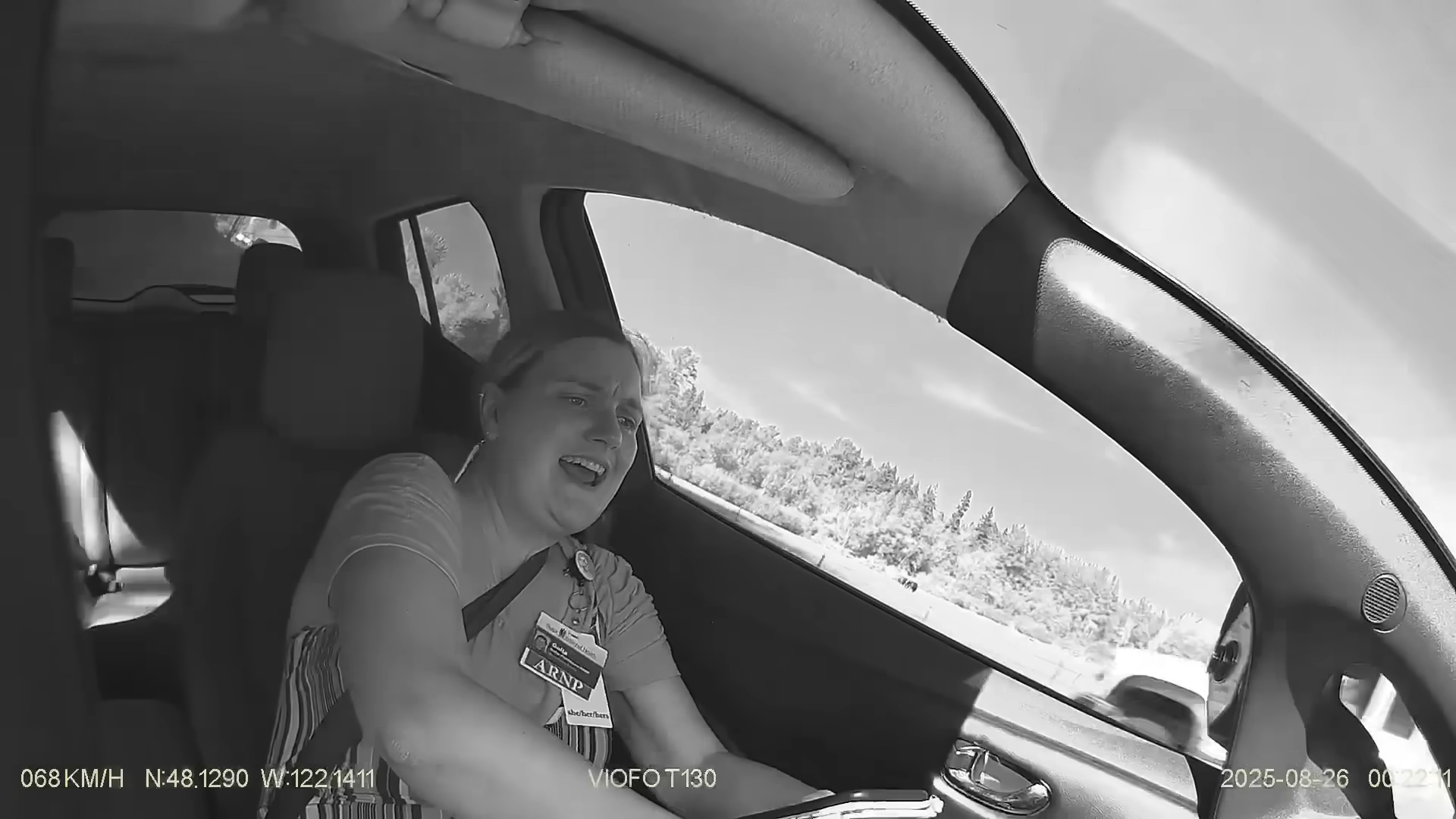
A nurse identified only as “G.P.” in court documents is taking on some of the biggest names in tech after a dash cam video of her crashing a rental car spread across the internet and reportedly upended her life. The lawsuit names YouTube, Meta, Reddit, Inside Edition, Atlanta Black Star, and the car’s owner as defendants, making it one of the more unusual legal battles to emerge from the era of viral social media content.
The incident started simply enough: G.P. rented a car through the peer-to-peer car-sharing platform Turo and returned it damaged. The car’s owner, Jose Hernandez Arevalo, says she told him another vehicle had run her off the road, but his dash cam told a very different story. The footage showed G.P. appearing to text with both hands off the wheel for extended periods before the car drifted off the road, struck a mailbox, and ended up in a ditch. Faced with that evidence, Arevalo posted the video to Facebook, and from there it took on a life of its own.
The video racked up millions of views and made its way to major outlets, including Inside Edition and the New York Post. According to the lawsuit, viewers saw G.P.’s face, heard her voice in a panic, and could identify her by name thanks to a visible work badge in the footage. What followed, the suit claims, was a wave of public humiliation that caused severe emotional trauma, professional damage, and a lasting loss of privacy and personal safety.
G.P. does not deny that an accident occurred. Her legal team frames the situation as a “split-second decision” to check her phone about the vehicle return time, compounded by a prior traumatic car accident that allegedly caused her to momentarily and mistakenly believe another car had been involved. Whether that explanation holds up in court is another matter entirely, but the lawsuit itself raises some genuinely interesting questions about where the law stands when a bad moment gets immortalized online.
What G.P. Is Actually Arguing in Court
The core of G.P.’s complaint is not that she was innocent of distracted driving. It centers on the claim that Arevalo violated Turo’s terms of service by recording her without disclosure and then sharing the footage without her consent. She also argues the video was edited to be “maximally humiliating,” presenting a misleading picture of how long she was distracted. Her suit cites the Washington Privacy Act, federal wiretapping law, misappropriation of name and likeness, outrage, and defamation as legal grounds.
Beyond Arevalo, the suit asks a judge to compel YouTube, Meta, and Reddit to remove the video and images of her from their platforms. She is also seeking financial damages. It is worth noting that she is not trying to extract money from the platforms themselves, just force them to take the content down.
Why the Case Against the Tech Platforms Is an Uphill Battle
Here is where legal reality gets complicated. YouTube, Meta, and Reddit are all shielded by Section 230 of the Communications Decency Act, also known as the Safe Harbor law. That federal protection generally means platforms cannot be held liable for content their users post. It is the same legal principle that has protected social media companies in countless similar disputes over the years.
Even if G.P. pursues a copyright argument, she faces another hurdle: in the United States, filming people in public spaces is broadly legal because there is no reasonable expectation of privacy. The fact that the footage was taken inside a car could offer some legal wiggle room, since state laws vary on whether the interior of a vehicle qualifies as a private space. But overall, the lawsuit faces a difficult road when it comes to compelling the platforms to act.
What We Can All Learn From This Situation
Whatever happens in court, this case is a useful reminder of a few things that are easy to forget until something goes wrong. Distracted driving remains one of the leading causes of accidents in the United States, and the legal and personal consequences of a crash can cascade in ways that go far beyond a traffic ticket or an insurance claim. G.P. now faces not only the legal fallout of the accident itself but also years of dealing with footage of her worst moment existing permanently online.
On a broader level, the case highlights what happens when the incentives of social media collide with the messiness of real life. Arevalo had a legitimate grievance: his car was damaged, and he was lied to about how it happened. But the decision to post the footage publicly, rather than working through Turo’s claims process or insurance channels, transformed a private dispute into a global spectacle. That is a choice more and more people are making, and it is worth thinking carefully about where the line sits between holding someone accountable and simply piling on.
The Bigger Picture: Filming Strangers in the Social Media Age
G.P.’s case is not unique in its emotional fingerprints. Viral videos of people in compromised, embarrassing, or distressing moments now appear online almost constantly. Some serve a genuine public interest, documenting misconduct or dangerous behavior that would otherwise go unaddressed. Others are little more than public shaming dressed up as outrage, quickly recycled into reaction content and meme formats before most viewers have any idea who the person in the video actually is.
The courts have not kept pace with how dramatically this landscape has changed. Laws written before smartphones and social media existed were never designed to handle a world where a single bad decision can be watched by millions of people before dinner. That gap between legal framework and digital reality is exactly what makes cases like G.P.’s hard to resolve and impossible to fully dismiss, regardless of what you think about her behavior behind the wheel.