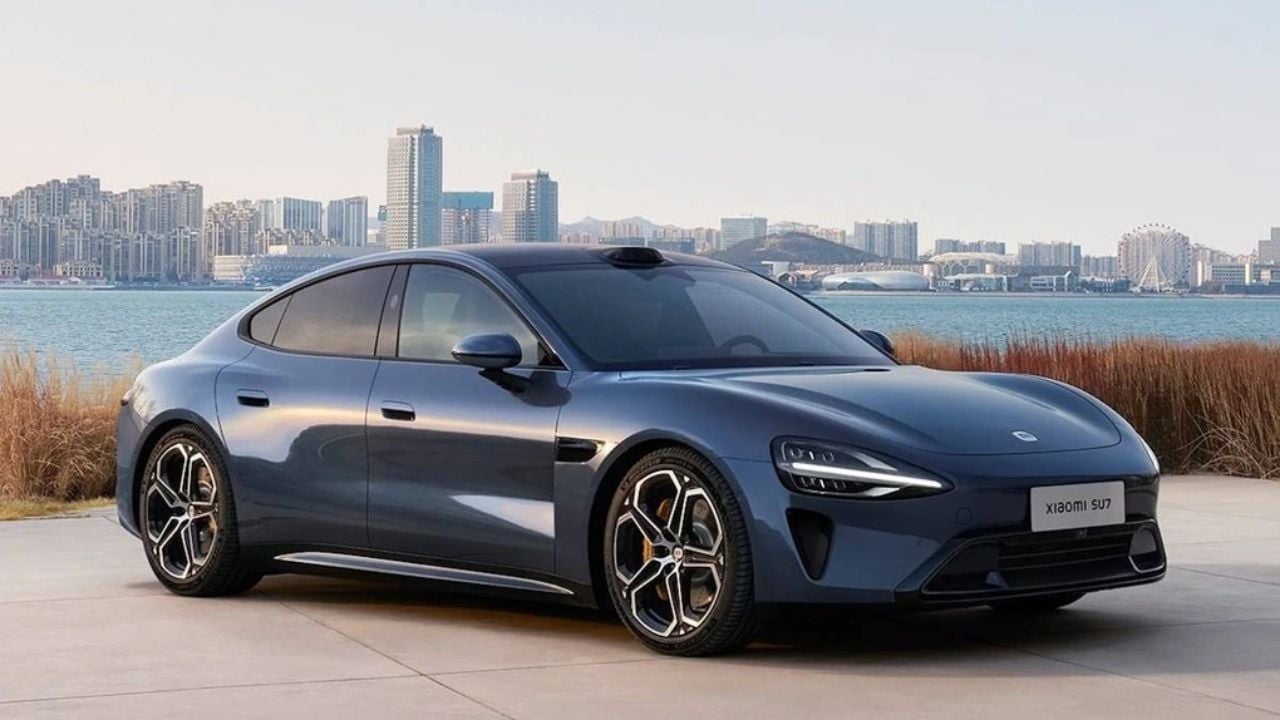
Chinese electric automakers are moving quickly from outsiders to serious challengers of the world’s best-known car brands. That is the main point of a detailed Forbes analysis about China’s rise in the EV industry.
The report describes how China has quickly become a leading force in several areas tied to electric vehicles, software, batteries, and new automotive technology.
The framing is strong, since it presents Chinese brands as a major threat to the traditional auto industry. More precisely, the biggest pressure is falling on established Western, Japanese, and Korean automakers that once controlled the global conversation.
The shift is no longer only about lower prices. Chinese companies are now competing through technology, speed of development, advanced features, and increasingly impressive performance.
Chinese Brands Are Moving Up Fast
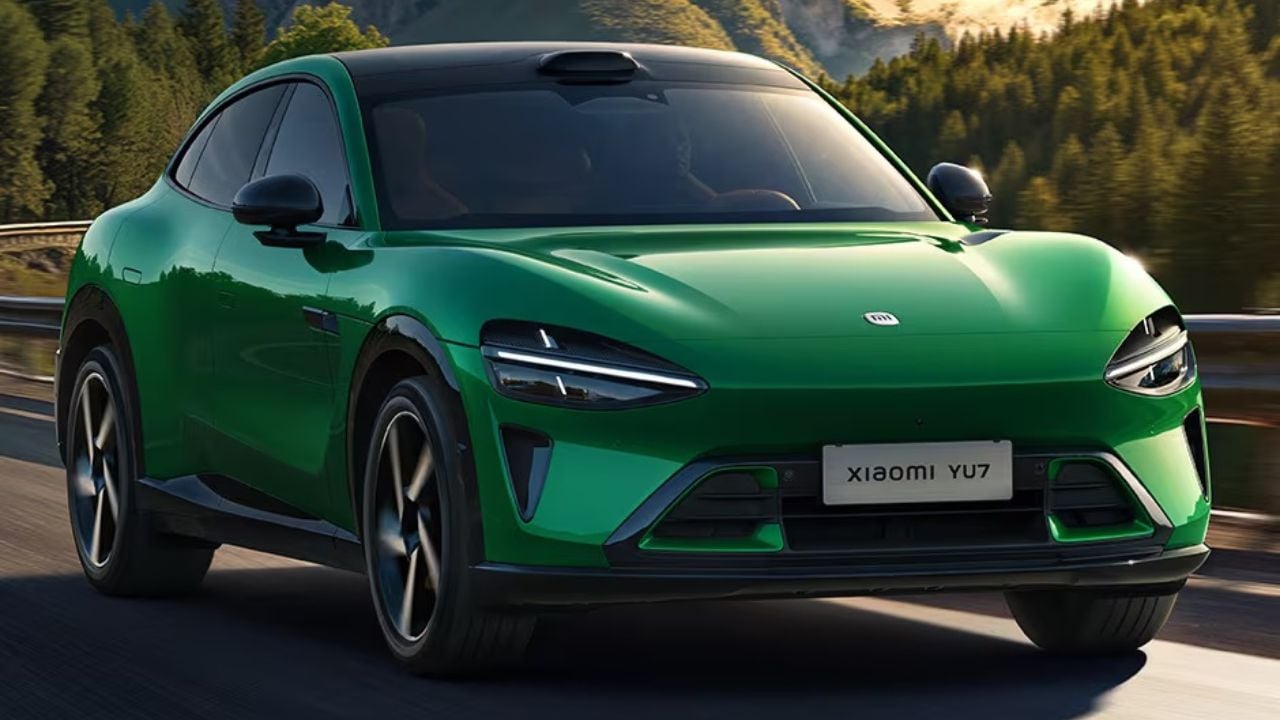
Forbes points to manufacturers such as BYD, Xiaomi, XPeng, Nio, and Geely as examples of how quickly China’s automakers have changed their position.
Only a few years ago, many of these companies were viewed mainly as budget competitors. Today, they are attracting attention with high-tech cabins, strong performance, advanced driver assistance systems, and rapid model development.
One example is BYD’s Yangwang U8, an electric SUV with four motors and the ability to turn almost in place using a so-called tank turn function.
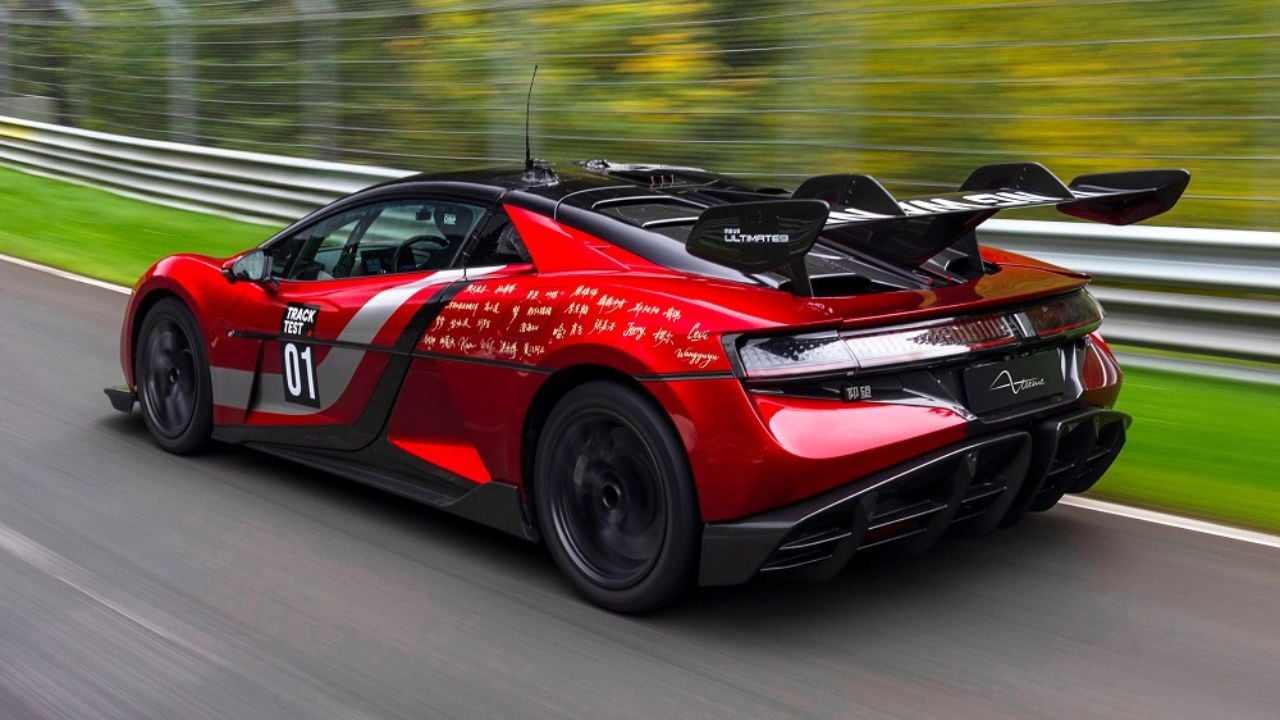
Forbes also highlights the Yangwang U9 hypercar, along with the Xiaomi SU7 Ultra Prototype, which recently set a record for four-door cars at the Nürburgring.
Technology Is Becoming The Real Advantage

The analysis suggests that Chinese automakers are often ahead of Western rivals in areas such as software, infotainment systems, AI features, and charging technology.
Ultra-fast charging is one of the areas where Chinese brands are especially aggressive. Some companies are also able to bring new models to market much faster than traditional manufacturers.
Forbes notes that established Western brands often need three to five years to develop a new model. Chinese manufacturers, helped by a much faster development cycle, can often do it in about two years.
That speed is becoming one of the biggest challenges for older automakers. It allows Chinese companies to react quickly to buyer demand, update technology faster, and enter new segments before rivals can respond.
Tesla Is No Longer The Only Concern
Forbes argues that the biggest threat to established automakers may no longer be Tesla alone, but China’s wider auto industry.
The report also points out that Tesla has been losing ground in China as more local buyers choose domestic brands. That is a major change in a market that was once central to Tesla’s global growth story.
This shift has already pushed governments in the United States and Europe to respond. The U.S. has introduced very high tariffs on Chinese electric vehicles, while the European Union has also debated higher duties to protect its own auto industry.
Batteries are another critical part of the story. China now has major influence across the battery supply chain and the raw materials needed for electric vehicles, while companies such as CATL have become essential suppliers for automakers around the world.
The Industry’s Center Of Gravity Is Changing
Forbes compares the rise of Chinese automakers to the way Japanese electronics companies changed global markets in the 1970s and 1980s.
This time, the effects could be especially significant because the auto industry plays such an important role in the economies of Europe, the United States, and Japan.
That does not mean established automakers are finished. Traditional brands still have strong names, large dealer networks, deep engineering experience, and loyal customers.
The message is still clear. The center of gravity in key parts of the global EV industry is shifting toward China, and the world’s biggest legacy brands now face a challenge they can no longer dismiss.
This article originally appeared on Autorepublika.com and has been republished with permission by Guessing Headlights. AI-assisted translation was used, followed by human editing and review.