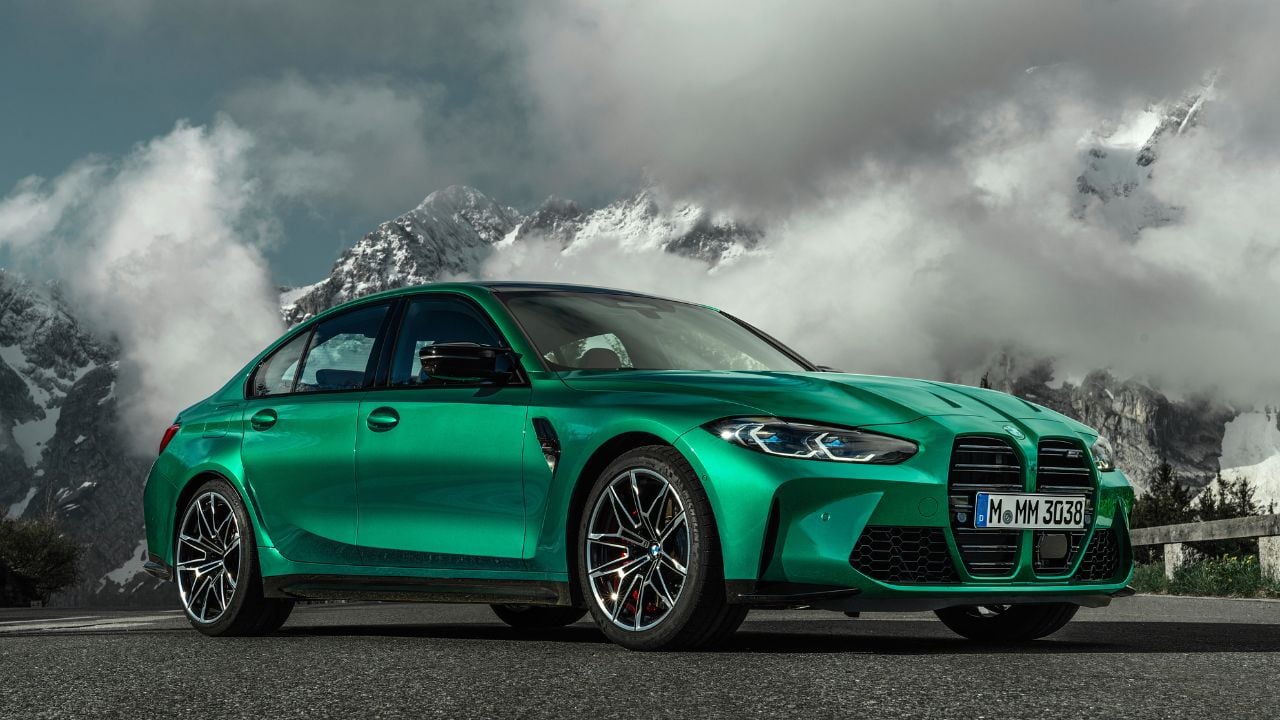
BMW built its reputation on engines long before screens, drive modes, and performance software became part of the conversation. The brand’s best cars were often defined by what lived under the hood: smooth inline-sixes, tough iron blocks, high-revving M engines, and powerplants that rewarded drivers who understood them.
That history matters because BMW engines have always had a second life outside the showroom. Tuners, engine builders, track drivers, and swap enthusiasts learned which ones could take abuse, which ones loved boost, which ones sounded special, and which ones could turn an ordinary chassis into something memorable.
The best BMW engines are not always the most powerful from the factory. Sometimes the real value is in the engine that responds well to work, holds together when pushed, or gives a car a personality that stays with the driver for years.
These seven engines show why BMW’s mechanical legacy still matters. Each one carries a different kind of value, from old-school durability to modern turbocharged power and one of the greatest road-car engines ever built.
Where BMW Engine Greatness Becomes More Than a Spec Sheet

The strongest engines here earned their place through engineering quality, tuning response, durability, character, historical importance, and the way enthusiasts still talk about them after the original cars have aged.
Factory output helped, but it never decided the whole story. A great BMW engine also needs a reason to matter once the car is being maintained, modified, tracked, swapped, restored, or rediscovered by a new generation.
Some engines here are loved because they accept boost. Some matter because they rev beautifully. Others belong because they made BMW’s straight-six reputation feel almost untouchable. One belongs because it represents the highest level BMW Motorsport reached for a road car.
This is not a simple power ranking. It is a look at the BMW engines that still mean something to people who build, drive, and preserve them.
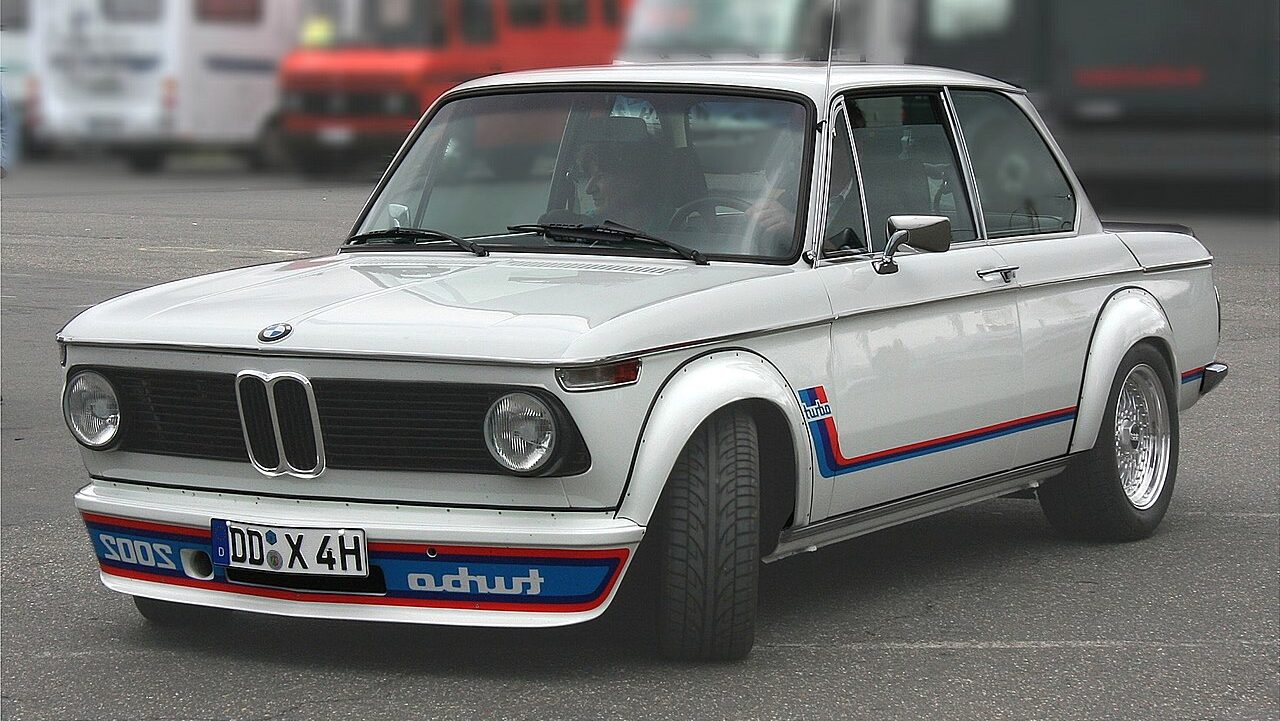
BMW M10-Family M31: BMW 2002 Turbo
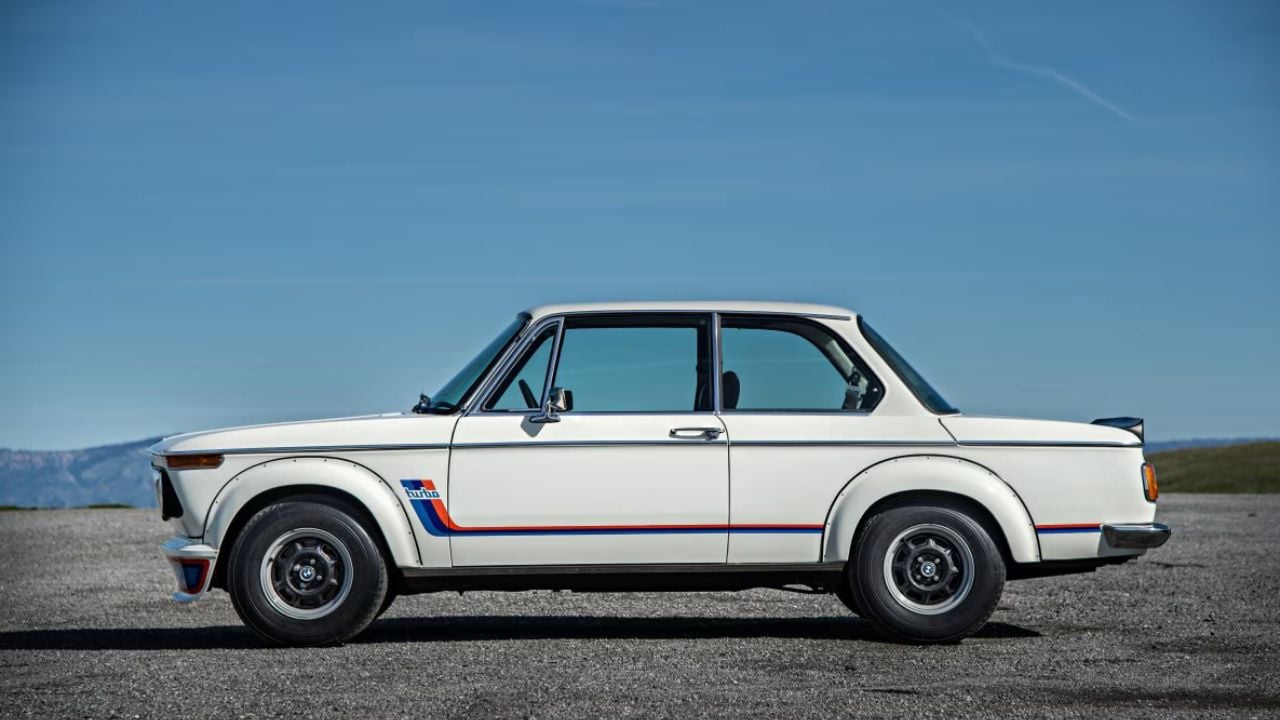
The M10 is where BMW’s engine story gets serious. It began as a sturdy four-cylinder and became one of the foundations of the brand’s sporting identity. In the 2002 Turbo, BMW used a turbocharged M10-family engine, often identified as the M31.
BMW M notes that the 2002 Turbo used a KKK turbocharger and produced 170 hp and 240 Nm of torque. That was a serious number for a compact European performance car in the early 1970s, especially one based on such a straightforward engine family.
The M10 matters because it feels like old BMW engineering in its clearest form: simple, tough, mechanical, and honest. It is not the easiest path to modern power, but it teaches the fundamentals of airflow, compression, camshafts, fueling, and boost.
Its legacy also reaches beyond the 2002 Turbo. The M10 family helped define BMW’s small performance cars, proved the strength of the brand’s four-cylinder engineering, and gave enthusiasts a durable foundation long before modern turbo BMWs became the tuning default.
BMW M50B25: BMW E36 325i
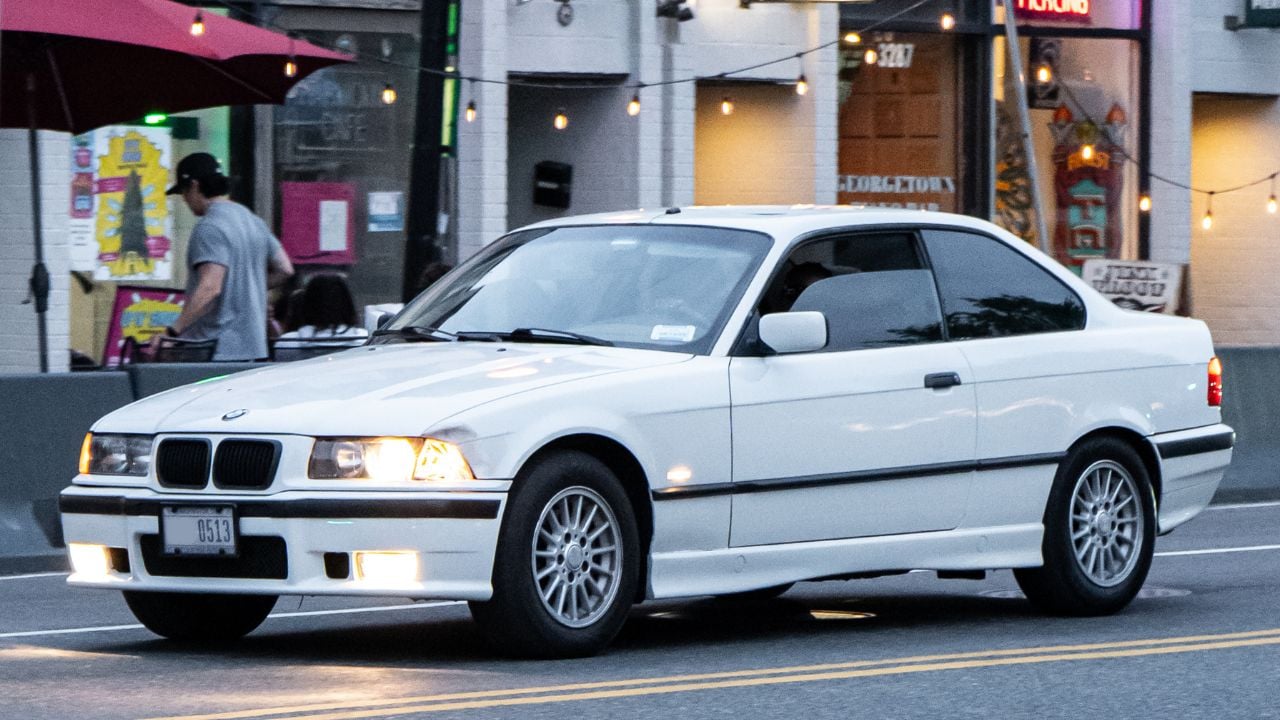
The M50B25 is one of the engines that made BMW’s 1990s inline-six reputation feel almost bulletproof. Found in cars such as the E36 325i and E34 525i, the 2.5-liter M50 brought dual overhead cams, four valves per cylinder, coil-on-plug ignition, an iron block, and an aluminum head.
The early non-VANOS M50B25 made about 189 hp and 181 lb-ft of torque. Later M50TU versions added single VANOS on the intake camshaft, giving the engine more refinement without changing the basic reason enthusiasts trust it.
The appeal comes from its strength and simplicity. The iron block gives builders confidence, the cylinder head breathes well, and the engine responds to turbocharging in a way that made it a grassroots favorite.
For many BMW tuners, the M50 is the affordable straight-six that can grow into something far more serious. It is not exotic, but it has the right structure, parts support, and community knowledge to stay relevant decades after the E36 became old.
BMW S54B32: BMW E46 M3
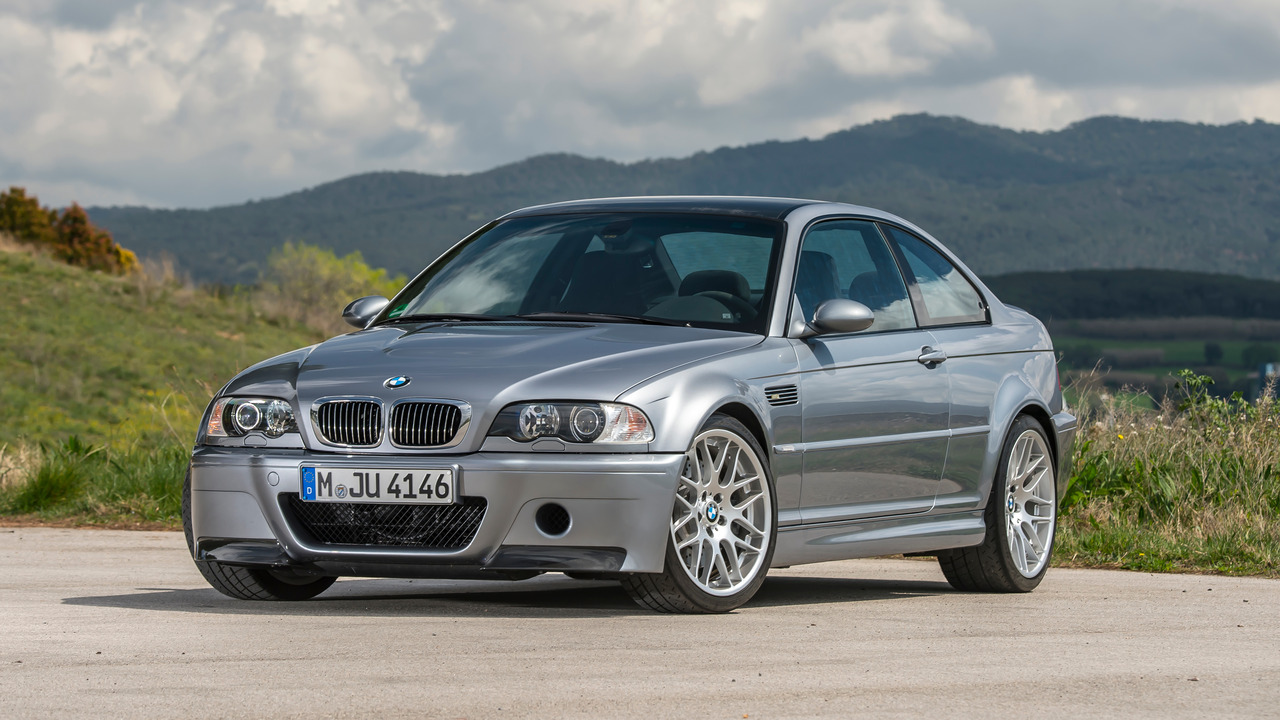
The S54B32 is the naturally aspirated inline-six that still defines the E46 M3 for many BMW fans. BMW M lists the E46 M3 generation with a high-speed inline-six concept and output from 343 hp to 360 hp depending on version.
In the standard E46 M3, the S54 made 343 hp in European form, while U.S.-market cars were commonly rated at 333 hp. The M3 CSL pushed the same basic engine family to 360 hp.
The numbers are only part of the appeal. Individual throttle bodies, serious revs, sharp response, and a motorsport-style personality make the S54 one of BMW’s great driver engines before anyone modifies it.
It can be expensive to build and maintain properly, which is why shortcuts usually do not end well. In the right hands, though, the S54 rewards precision: proper maintenance, careful setup, and an owner who understands why this engine is loved for response as much as output.
BMW N54B30: BMW 335i

The N54B30 changed BMW tuning culture almost overnight. It arrived in the E90-generation 335i as BMW’s first mass-produced turbocharged gasoline engine of the modern era, bringing twin turbos and direct injection to a broad enthusiast audience.
BMW’s own press material listed the 3.0-liter twin-turbo inline-six at 300 hp and 300 lb-ft of torque in the 335i. The same engine also appeared in models such as the 135i, 535i, Z4 sDrive35i, and later enthusiast favorites.
Tuners quickly realized the N54 had far more potential than the factory rating suggested. Direct injection, strong torque, two small turbochargers, and a huge aftermarket made it one of the most important BMW engines of the 2000s.
It also developed a reputation for maintenance headaches, especially around high-pressure fuel pumps, injectors, cooling-system parts, and other age-related issues. Sorted properly, the N54 remains the engine that made affordable turbo BMW power feel accessible, tunable, and a little dangerous to the wallet.
BMW B58B30: BMW M340i and Toyota GR Supra 3.0
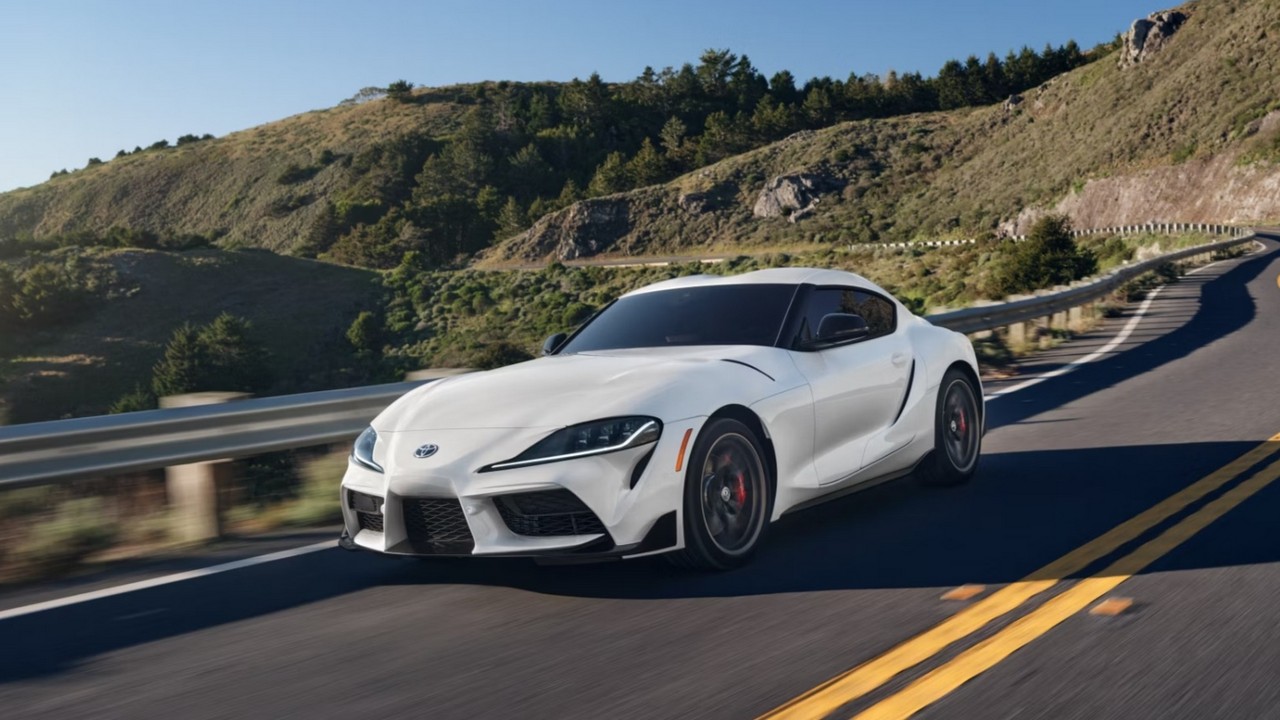
The B58B30 may be the modern BMW engine tuners trust most. It powers many BMW models, including cars such as the M340i, but the Toyota GR Supra 3.0 made its reputation even wider by putting a BMW-built turbo inline-six into one of Japan’s most famous sports car names.
Toyota lists the GR Supra 3.0 with a 3.0-liter turbocharged inline-six rated at 382 hp and 368 lb-ft of torque in modern U.S. specification. That output helped the B58 reach buyers who might never have considered a BMW sedan or coupe.
The B58 feels like BMW learned from the N54 and built something cleaner, stronger, and easier to live with. Tuners like its broad torque, strong factory internals, cooling potential, and how dramatically it responds to simple upgrades.
It is powerful, smooth, refined, and still very willing to make serious power. That combination is why the B58 has become the modern BMW straight-six that both daily drivers and tuners trust.
BMW S58B30: BMW M3 Competition
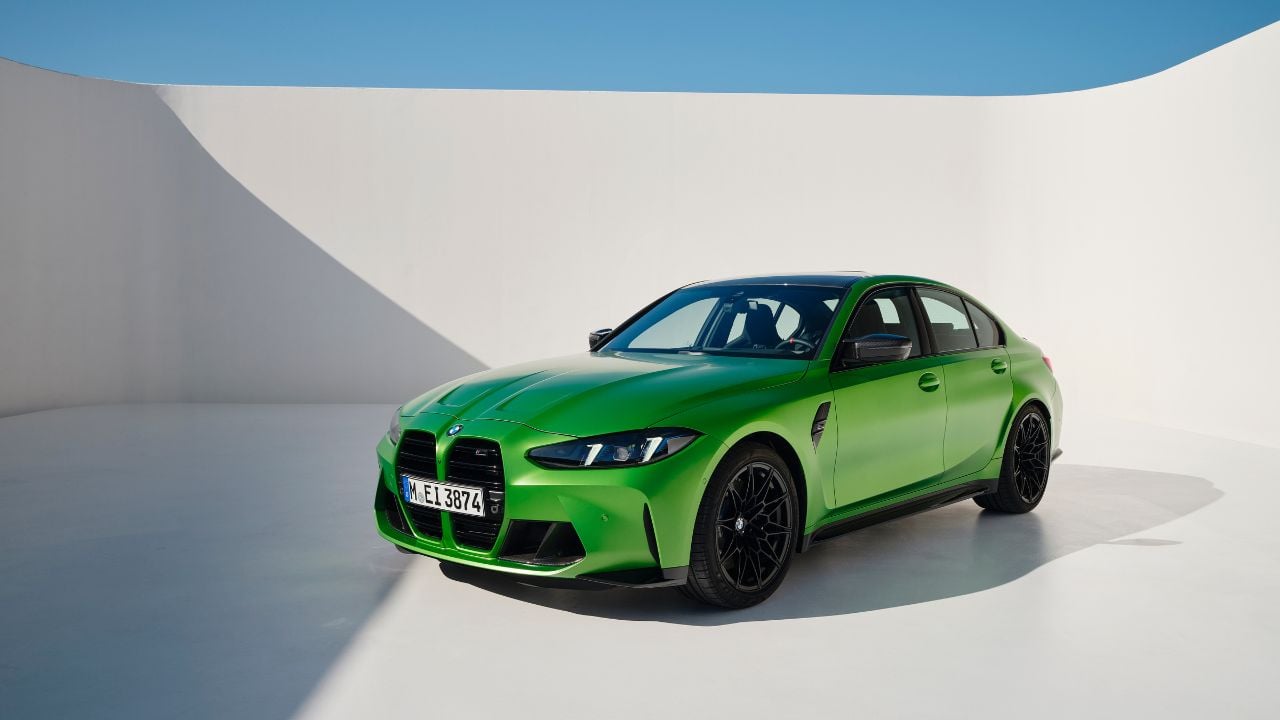
The S58B30 is what happens when BMW turns the modern turbo inline-six into a full M engine. Found in cars such as the G80 M3 Competition and G82 M4 Competition, the S58 uses a 3.0-liter BMW M TwinPower Turbo inline-six layout.
BMW USA lists rear-drive M3 and M4 Competition models at 503 hp, while Competition xDrive versions now reach 523 hp. That distinction matters because the S58 spans several trims and drivetrains, but all of them show how far BMW’s turbo inline-six formula has moved.
The S58 is the serious evolution of the idea that started with BMW’s modern turbo sixes. It has the factory hardware, airflow, cooling support, and power ceiling expected from a current M engine.
It is not cheap or simple like older BMW favorites, and future maintenance will not be casual. Even so, the S58 already looks like one of the engines people will remember as a high point before electrification reshaped the performance sedan.
BMW S70/2: McLaren F1
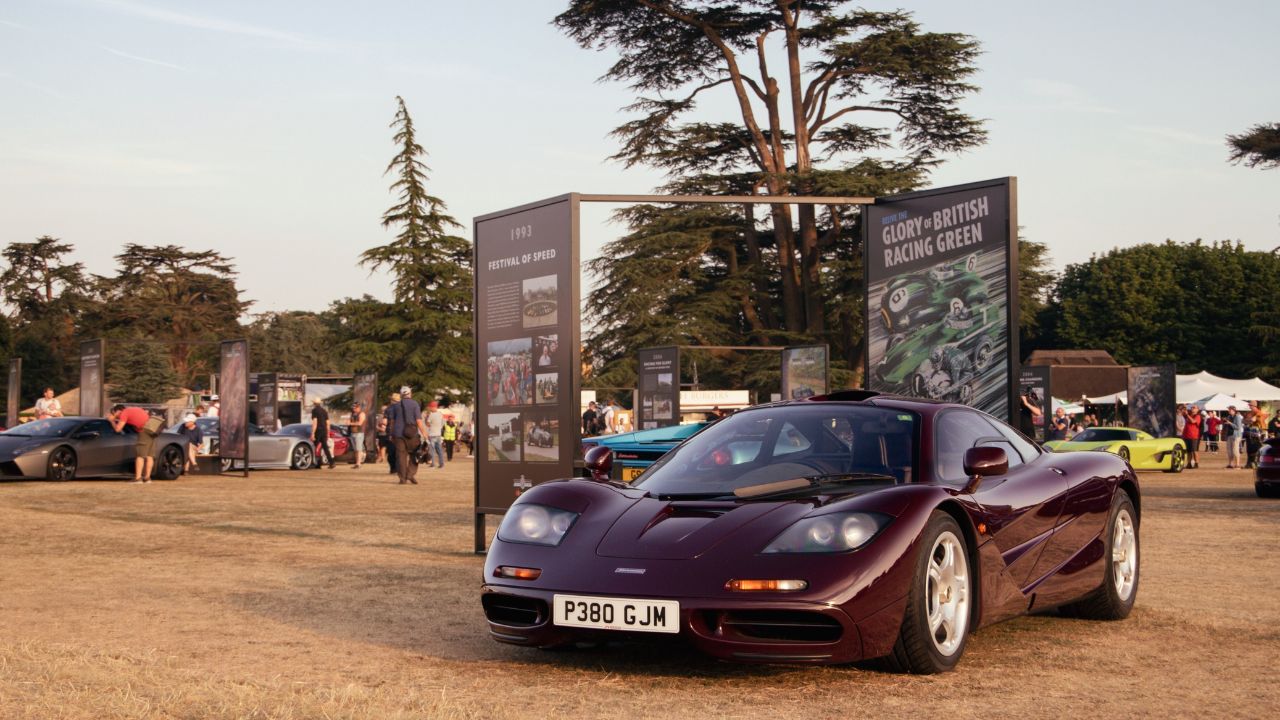
The S70/2 is the one engine here that is not admired as a normal build platform. It belongs because it is a masterpiece. BMW M says the 6.1-liter, 627-hp S70/2 powered the McLaren F1 and later the F1 GTR, while BMW M itself used it only in the E31 M8 Prototype.
The technical details still read like something built without ordinary road-car compromise: 12 individual throttle valves, continuously adjustable inlet timing, dry-sump lubrication, two injection jets per cylinder, and a 7,500-rpm power peak.
The McLaren F1 gave the engine the perfect stage: central driving position, manual gearbox, low weight, and a body built around speed and purity. The engine did not need turbochargers or hybrid assistance to become legendary.
For engine builders and BMW historians, the S70/2 represents the highest expression of Paul Rosche’s BMW Motorsport era. Very few engines carry that much myth, substance, and mechanical beauty at once.
The Engines That Keep BMW’s Soul Mechanical
BMW’s future will keep changing. Turbocharging already changed it, and electrification is changing it again. The cars are faster, smarter, and more complex than ever, but engine people still look backward for a reason.
They look back because BMW’s best engines were never just output figures. The M10-family turbo engine in the 2002 Turbo showed strength and simplicity. The M50 gave tuners a straight-six foundation that could take serious abuse. The S54 made revs and throttle response feel special. The N54 opened BMW’s modern turbo tuning era. The B58 made big power feel refined and repeatable. The S58 turned that formula into a current M flagship. The S70/2 showed what BMW Motorsport could build when compromise nearly disappeared.
That range explains the brand’s mechanical legacy better than one engine ever could. BMW’s story includes simple four-cylinders, iron-block straight-sixes, high-revving M engines, modern turbo powerplants, and a V12 that became one of the defining engines in supercar history.
That is why these engines still matter. They are not only parts under a hood. They are the mechanical reasons so many drivers learned to care about BMW in the first place.