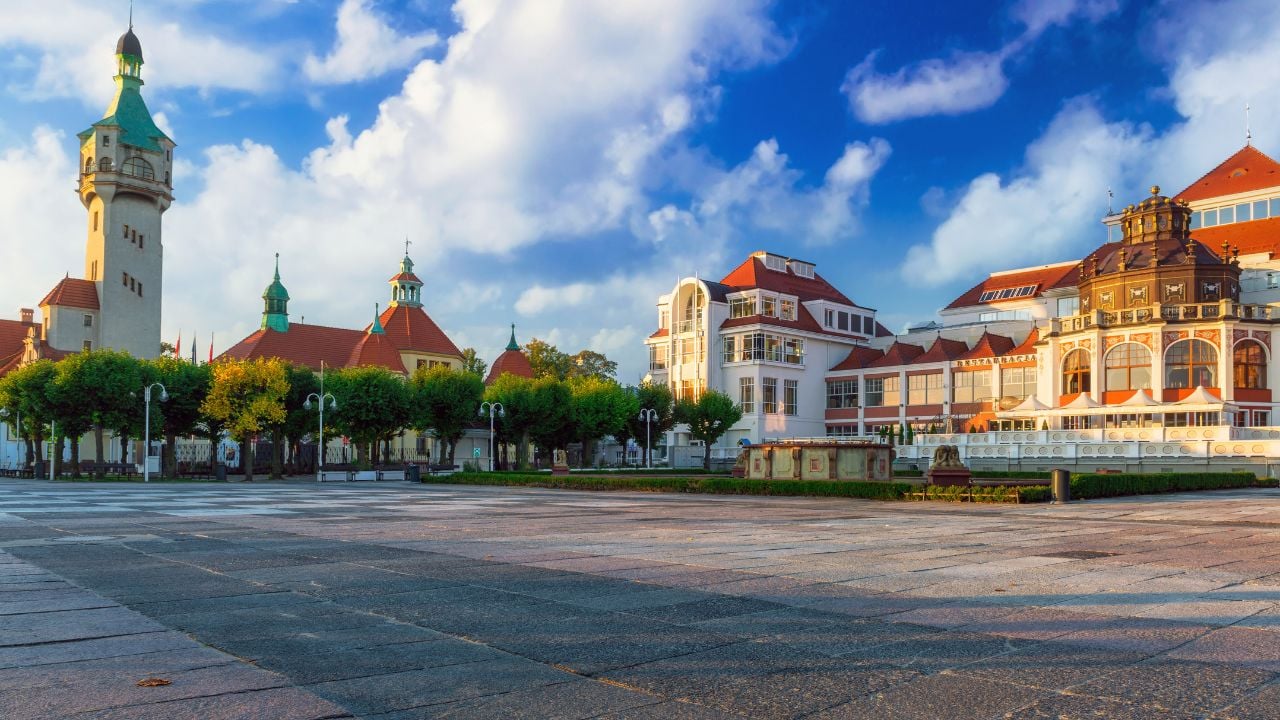
In some coastal towns, an afternoon can start at the harbor, pass a few shop windows, stop for coffee or gelato, and end back by the water without needing a timed attraction. The day does not have to be empty to feel easy. It just needs streets, shops, food, and sea air close enough to keep the walk moving.
These are useful travel stops for people who want a pretty afternoon without building the day around tickets, museums, and transport plans. A good coastal center can carry several hours on its own: old lanes, local shops, café tables, food stops, harbor views, and water appearing again at the end of a side street.
These six towns do that in different ways. Rovinj has stone lanes, art displays, olive oil shops, and Adriatic water below the old town. Cadaqués has whitewashed streets, galleries, and a bay framed by rocky Costa Brava coastline. Camogli has Ligurian façades, focaccia, stairs, and a promenade pressed close to the sea. Lunenburg has colorful wooden buildings, artisans, seafood, and a working Atlantic waterfront. Sopot turns one pedestrian street into a straight walk toward the Baltic pier.
Honfleur still belongs here, but with a current warning. Temporary closures around parts of Quai Sainte-Catherine mean visitors should check local updates before expecting the full old-harbor loop to feel normal. The wider historic center, Vieux Bassin, museums, shops, galleries, and many restaurants remain part of the visit, but this is not the year to describe Honfleur as if every quayside business is operating as usual.
1. Rovinj, Croatia

Rovinj is built for the kind of afternoon that starts at the harbor and slowly climbs into the old town. Stone lanes curve upward toward St. Euphemia, shutters open above narrow passages, and the Adriatic appears again whenever a side street drops back toward the water.
The official tourism board highlights Grisia as one of Rovinj’s cultural streets, and the town’s art tradition makes the browsing feel natural rather than forced. Paintings, small galleries, handmade pieces, jewelry, and Istrian products fit the old-town setting better than generic souvenir rows.
Grisia is the street to take slowly. The lane climbs between old stone walls, with art displayed near doorways and steps. Laundry may hang above the alley, a cat may cross the paving, and a flash of blue sea can appear behind rooftops when the street opens for a second.
After the climb, follow the lanes back down toward the port. Boats sit below the old town, café tables face the harbor, and shop windows become part of the walk rather than the main event. Rovinj’s afternoon can stay simple: browse, climb, pause, look back at the water, then return to the harbor when the light starts to soften.
2. Cadaqués, Spain

Cadaqués gives the Costa Brava a quieter, whitewashed center where the walk moves between cobbled streets, galleries, small shops, and sudden views back to the bay. White façades, blue doors, stone steps, and rocky coastline keep the town from feeling like a simple beach stop.
The town’s tourism site says the best way to understand the old town is to wander its winding cobbled streets, with the Church of Santa Maria sitting at the highest point above the bay. Spain’s official tourism site also places Cadaqués in the heart of the Cap de Creus peninsula and describes its historic center through Mediterranean and seafaring character.
Start below, near the water, then climb gradually through the old streets. A lane may tighten between white walls, a shop may display ceramics or jewelry, and a gallery door may open onto a room that still feels connected to the street outside. The bay keeps appearing between corners, so the climb never feels detached from the coast.
The church view is worth the uphill walk. From there, the town drops toward the water in white blocks and tiled roofs, with boats in the bay and the rougher Cap de Creus landscape beyond. Afterward, drift back down and let the afternoon become smaller: a bookshop, a boutique, a waterfront drink, or one more quiet street before dinner.
3. Camogli, Italy

Camogli puts the Ligurian stroll right against the sea. Tall painted façades line the waterfront, the promenade runs toward the Basilica of Santa Maria Assunta, and stairs and alleys climb behind the beach into the older part of town.
Welcome Camogli describes the village through colorful houses, stairs, alleys, and details tied to history, the sea, and pastel tones. Welcome Camogli’s visitor site presents Camogli through artisans and shops, restaurants and bars, seaside living, walks, and art and culture, which fits a visit built around the promenade, food stops, small shops, and short climbs through the lanes.
The shopping here is not mall-style shopping. It is a bakery window, a piece of focaccia eaten near the water, a small artisan stop, a gelato break, or a quick look into a shop before the promenade pulls the walk back toward the sea.
Camogli is especially good because the route never has to become complicated. Follow the promenade, look up at the painted façades, step into a lane when the sun gets strong, then return to the harbor and beach. The sea stays close enough that even a short browse still feels like part of a coastal day.
4. Honfleur, France
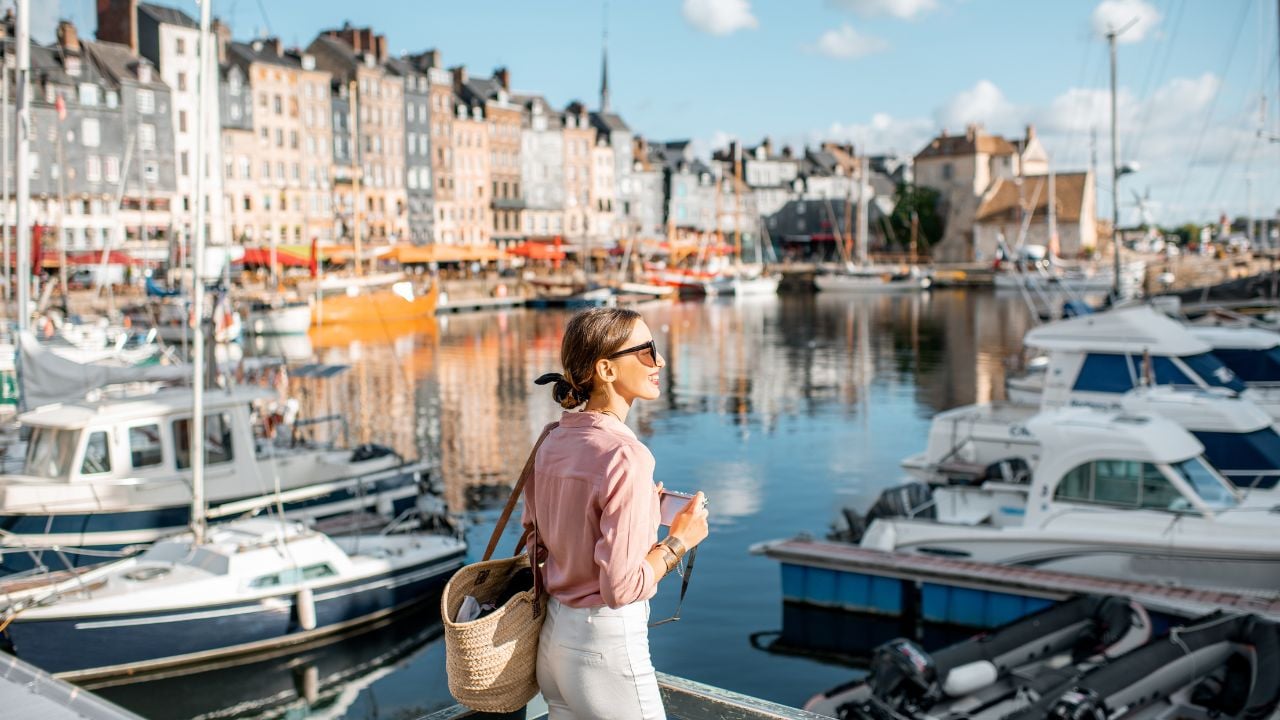
Honfleur’s old harbor is still one of Normandy’s strongest town-center walks, but the section needs a practical caveat right now. Parts of the area around Quai Sainte-Catherine have faced temporary closures because of safety concerns around historic buildings, so visitors should check current local information before planning the whole afternoon around one exact quayside loop.
The tourism office has said that despite temporary closures around certain streets near Quai Sainte-Catherine, the Vieux Bassin, historic center, museums, gardens, and many establishments remain open and accessible. Normandy Tourism describes Honfleur through colorful half-timbered houses along the quays, with art galleries and restaurants sharing the waterfront.
Visitors can still use the harbor, museums, gardens, restaurants, galleries, and surrounding streets, but the route should stay flexible if a quayside stretch is blocked. Walk the harbor where access allows, look at the narrow façades and slate roofs around the basin, then use the surrounding streets for galleries, food shops, menus, and small boutiques.
Honfleur is most enjoyable early, late, or outside the busiest summer periods. With fewer people pressed around the water, the details are easier to see: tall harbor houses, shop signs, gallery windows, boats in the basin, restaurant terraces, and side streets where the town feels less staged than it does in peak midday crowds.
5. Lunenburg, Nova Scotia
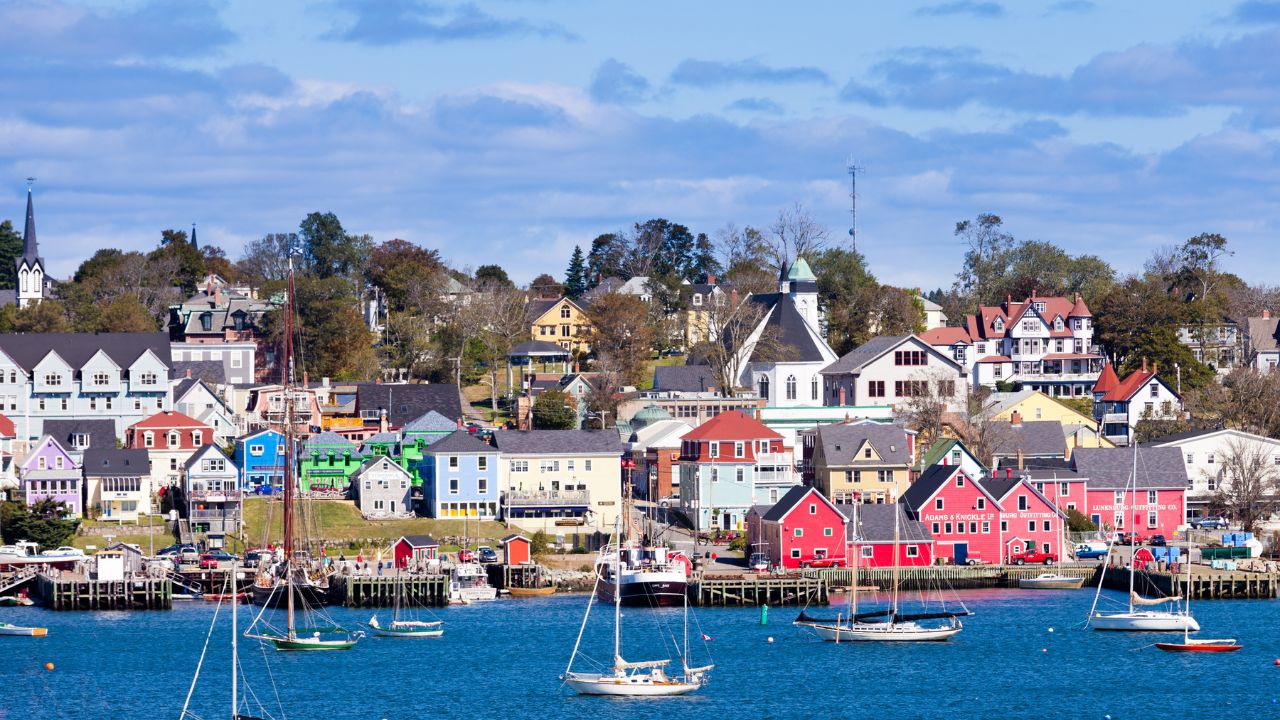
Lunenburg gives this list a different kind of coastal walk: bright wooden buildings, sloping streets, artisan shops, seafood, breweries, distilleries, and a waterfront that still feels tied to boats and Atlantic weather.
UNESCO describes Old Town Lunenburg as the best surviving example of a planned British colonial settlement in North America, established in 1753, with its original layout and overall appearance still retained. That grid makes the old town easy to explore, while the wooden architecture gives the walk color, texture, and a strong local identity.
Nova Scotia tourism encourages visitors to wander the colorful waterfront, enjoy restaurants, breweries, and distilleries, and browse shops where they can meet local artisans. That is the right way to use Lunenburg: not as a single viewpoint, but as a town where the streets, harbor, makers, and food stops belong in the same afternoon.
A good walk can move from the waterfront into the old grid and back again. Look at painted wooden façades, step into a shop, pause for seafood, and let the harbor keep reappearing between buildings. Lunenburg is stronger than a generic souvenir stop because the shops sit inside a working waterfront town with painted wooden buildings, sloping streets, seafood restaurants, and Atlantic harbor views.
6. Sopot, Poland
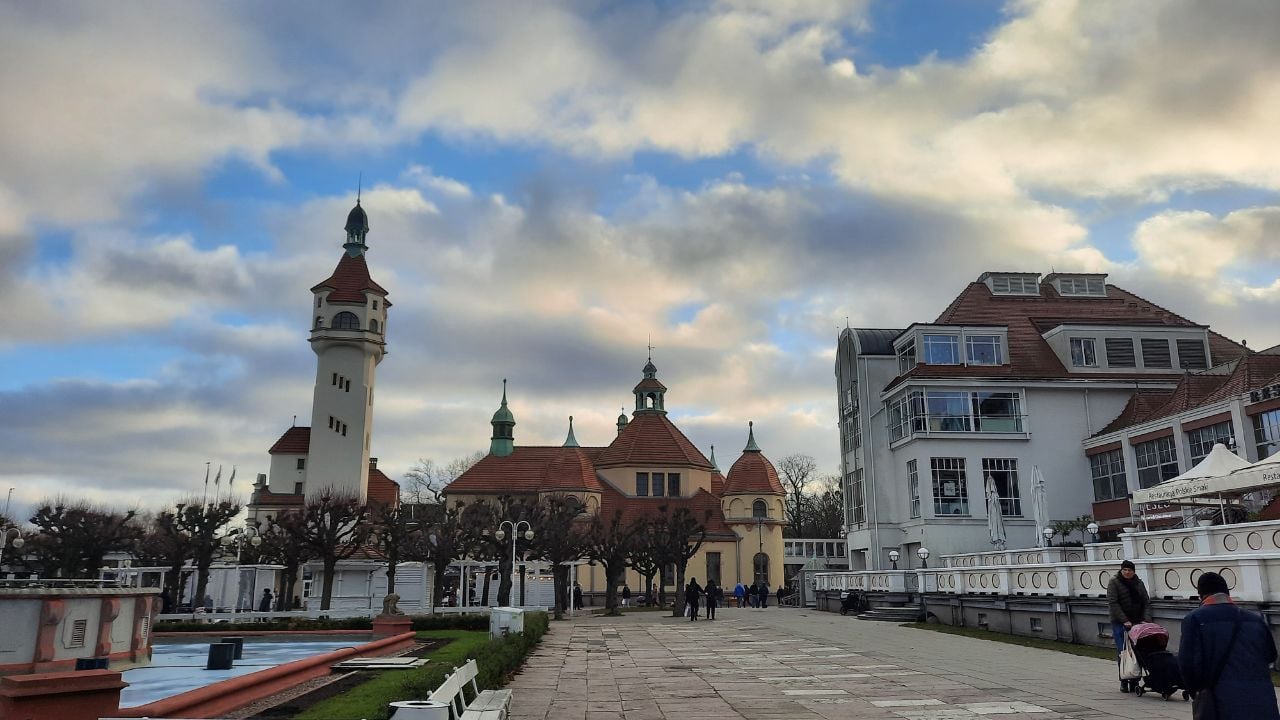
Sopot’s town-center walk is unusually straightforward. Bohaterów Monte Cassino Street, known as Monciak, pulls pedestrians from the inland side of town toward the pier and the Baltic, with cafés, restaurants, shopfronts, and people-watching along the way.
Visit Sopot says Monciak is Poland’s most famous promenade and leads directly to the pier. The same official source says the street was closed to traffic in 1963 and remains a favorite meeting place for residents and visitors.
The walk has a clean payoff: keep going and the town opens onto the sea. Visit Sopot describes the pier as the longest wooden pier in Europe at 511.5 meters, built in the 1820s and used for recreational and health-giving walks. That makes the center easy for first-time visitors to understand without much planning.
Start near the train station or the inland end of Monciak, then follow the street toward the water. Stop for coffee, look into a shop window, watch the crowd thicken near the square, then continue until the promenade becomes pier boards and Baltic air. The route is simple and satisfying: start inland on Monciak, pass cafés and shop windows, follow the crowd toward the pier, then step onto wooden boards with the Baltic ahead.