Italian design houses helped shape some of the most iconic cars in automotive history. From the original BMW M1 to the DMC DeLorean and the Mk1 Volkswagen Golf (known as the Rabbit in the States), companies like Italdesign once played a major role in defining what cars looked and felt like around the world.
These days, most automakers rely heavily on internal design studios and engineering teams. Strict crash regulations, tighter development schedules, and growing platform-sharing strategies have gradually reduced the influence of independent coachbuilders and design firms that once dominated automotive creativity.
That may be why Italdesign’s latest move feels surprisingly ambitious. The legendary Italian company is investing $20 million into expanding its U.S. operations over the next five years, with one clear target in mind: Detroit’s Big Three automakers.
The company is not just looking to sketch concept cars either. Italdesign wants to become deeply involved in everything from engineering and validation testing to prototype production and low-volume manufacturing for American brands.
Detroit Is The Main Goal
Italdesign officially opened its new U.S. office in Bloomfield Hills, Michigan, in 2024. The location choice was deliberate. Fabrizio Mina, CEO of Italdesign-Giugiaro USA, openly admitted the company wants to build stronger long-term relationships with Ford Motor Company, General Motors, and Stellantis.
Detroit remains one of the largest automotive engineering hubs in the world, and American automakers continue investing heavily in EVs, software-defined vehicles, advanced interfaces, and specialty products that increasingly require outside expertise.
Italdesign believes it can offer something many manufacturers now struggle to maintain internally: flexible, fast-moving development capabilities spanning nearly the entire vehicle creation process.
That includes exterior and interior design, ergonomics, digital interfaces, crash validation, aerodynamic testing, prototype construction, and even limited-production manufacturing.
This Company Has Done Much More Than Concept Cars
Many enthusiasts recognize Italdesign primarily because of its dramatic concept cars shown at international auto shows over the decades.
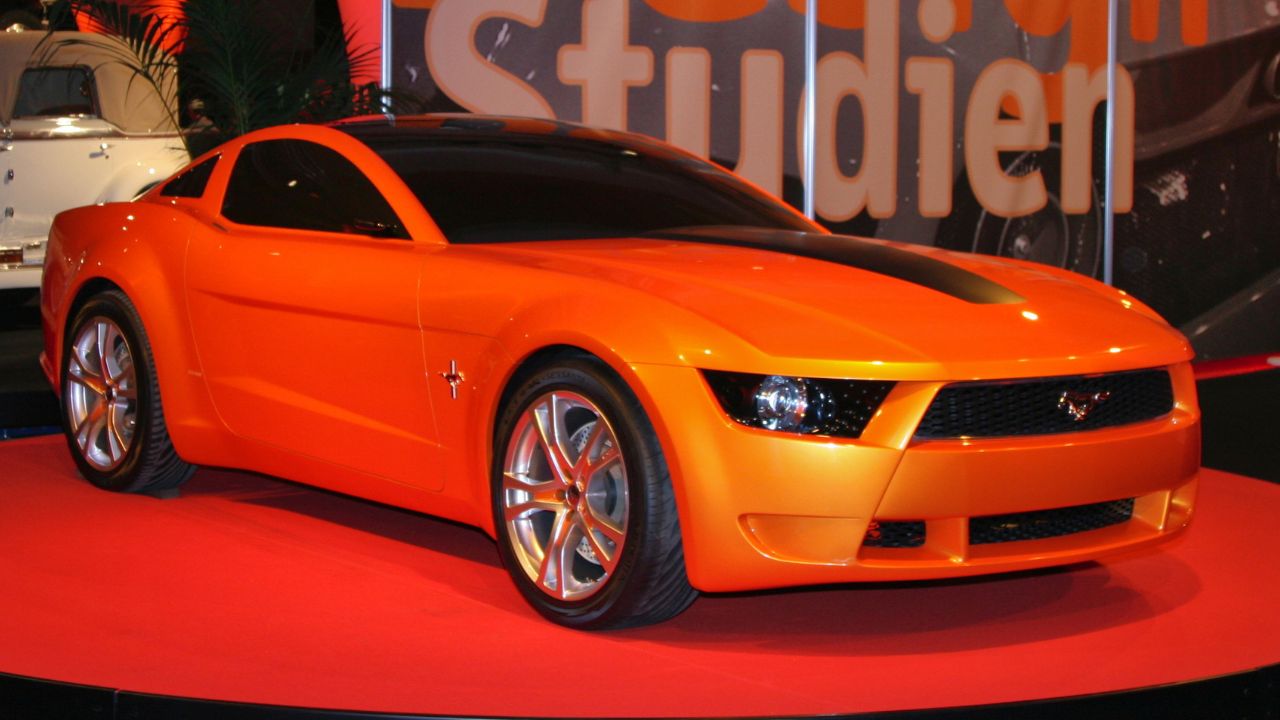
The company designed vehicles like the Giugiaro Mustang concept for Ford in 2006 and the wild Chevrolet Corvette Moray concept that celebrated the Corvette’s 50th anniversary. Italdesign also played a major role in creating production icons like the first-generation Golf, Hyundai Pony, Lotus Esprit, and DeLorean.
Behind the scenes, however, the company has quietly contributed to more than 300 production vehicles globally. That includes work involving lighting systems, infotainment layouts, engineering development, crash structures, and manufacturing support. Italdesign says it can even deliver roughly 500 pre-production vehicles annually if needed.
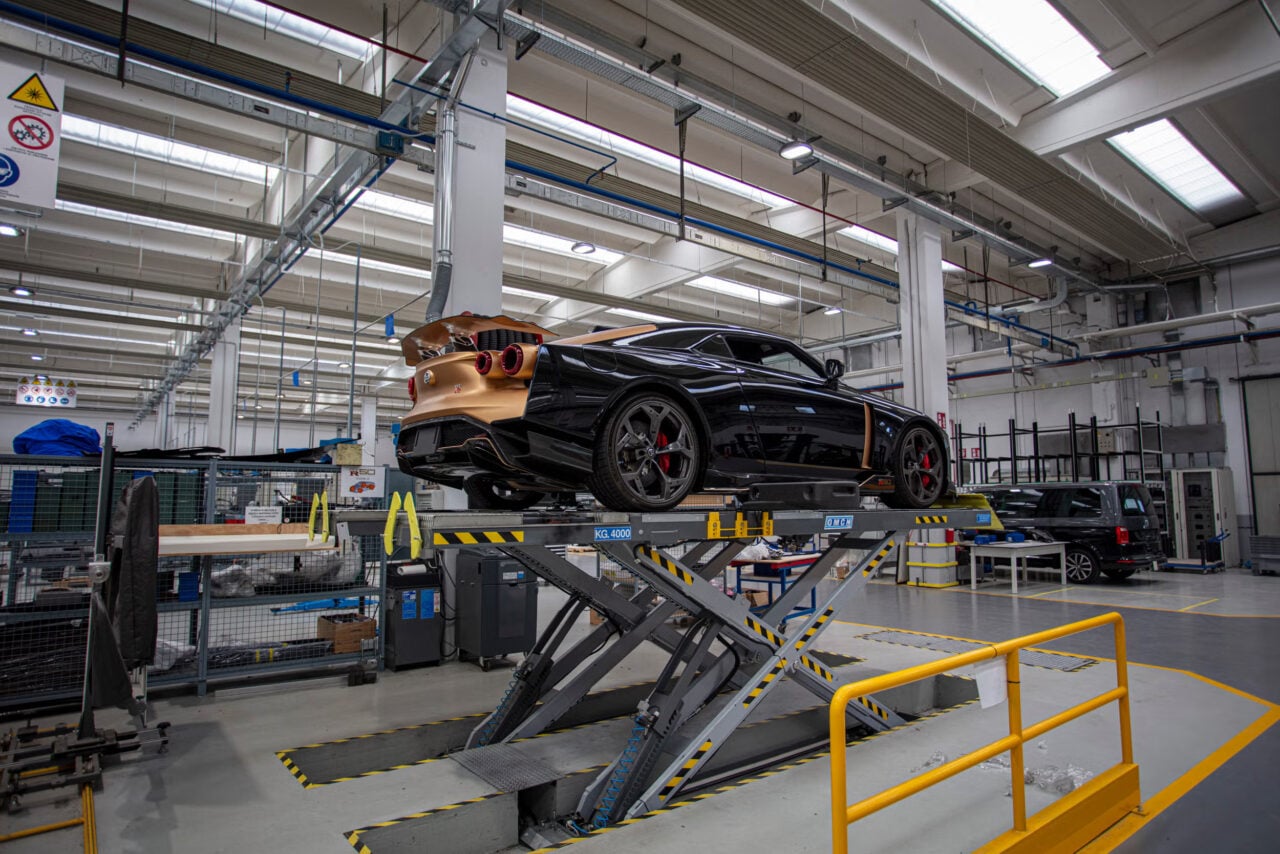
The company also handled the creation of the limited-production Nissan GT-R50, including design, engineering modifications, homologation, and assembly.
That type of flexibility could become increasingly valuable as automakers chase niche performance models, EV startups, and limited-run specialty vehicles without dedicating massive internal resources.
Virtual Reality Is Becoming A Bigger Part Of Car Development
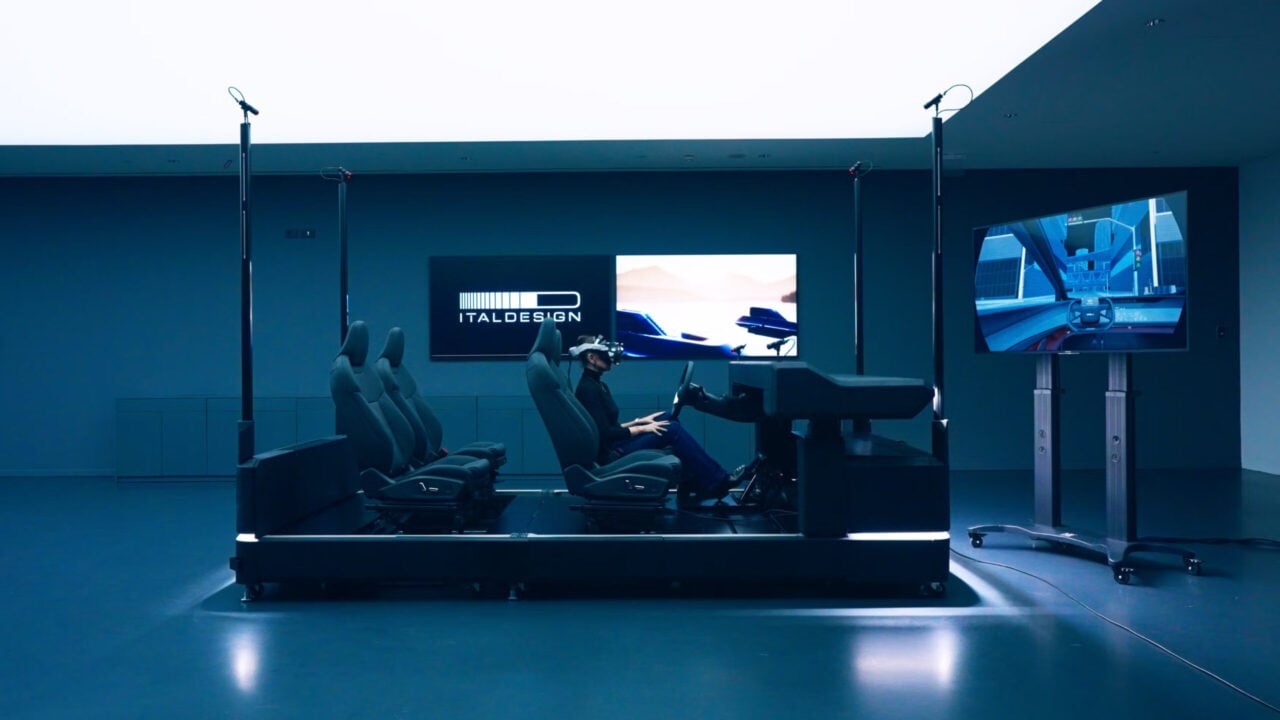
One of the more interesting technologies Italdesign showcased during its Detroit presentation was its “New Concept Lab.” The system combines a physical cockpit structure with virtual reality headsets and motion tracking technology, allowing engineers and designers to test interior layouts before building expensive physical prototypes.
Teams can evaluate visibility, infotainment usability, seating positions, ergonomics, and cabin functionality inside a fully simulated environment. Italdesign says the setup can also compare multiple cabin layouts simultaneously to identify design strengths and weaknesses more efficiently.
The company has already expanded the system beyond automotive projects into areas like trains, drones, and shuttle vehicles. That reflects how modern automotive development is changing. Design today is no longer just about styling sketches and clay models. Software integration, interface usability, and human-machine interaction now play an equally important role in vehicle development.
Why This Is Important For American Automakers
Italdesign’s expansion comes at an interesting moment for the industry. American automakers are juggling massive EV investments, software development pressures, tightening regulations, and increasingly complex product portfolios. Outsourcing portions of engineering or validation work to experienced partners could help speed up development cycles while reducing internal strain.
The timing also coincides with renewed interest in emotional, enthusiast-focused vehicles. Specialty products and low-volume halo cars continue generating strong attention even as mainstream vehicles become increasingly standardized.
That creates opportunities for companies like Italdesign to contribute not just engineering expertise, but also creativity and brand identity.
Detroit and Italy have always shared a unique automotive connection dating back decades. Italdesign’s latest investment suggests that relationship may be entering a new chapter, one that’s shaped as much by software, virtual reality, and EV development as it is by beautiful sheet metal.