General Motors has issued a serious new recall affecting several Chevrolet, GMC, and Cadillac trucks and SUVs, and the company’s warning leaves very little room for interpretation. If your vehicle is included, GM says you should stop driving it immediately and arrange to have it towed to a dealer.
The recall covers just 66 vehicles, but the defect itself is severe enough to trigger a full do-not-drive advisory. According to documents filed with the National Highway Traffic Safety Administration, the issue could cause the front or rear wheels to suddenly lock up while driving, dramatically increasing the risk of a crash.
Unlike many modern recalls tied to software glitches or electronic calibration problems, this one comes down to missing hardware inside the drivetrain. Specifically, certain transfer cases may have left the supplier factory without a critical oil pickup tube installed.
That missing component can prevent proper lubrication inside the transfer case. Over time, internal bearings may fail due to lack of oil circulation, potentially leading to a catastrophic lock-up event while the vehicle is moving.
Which GM Vehicles Are Affected?
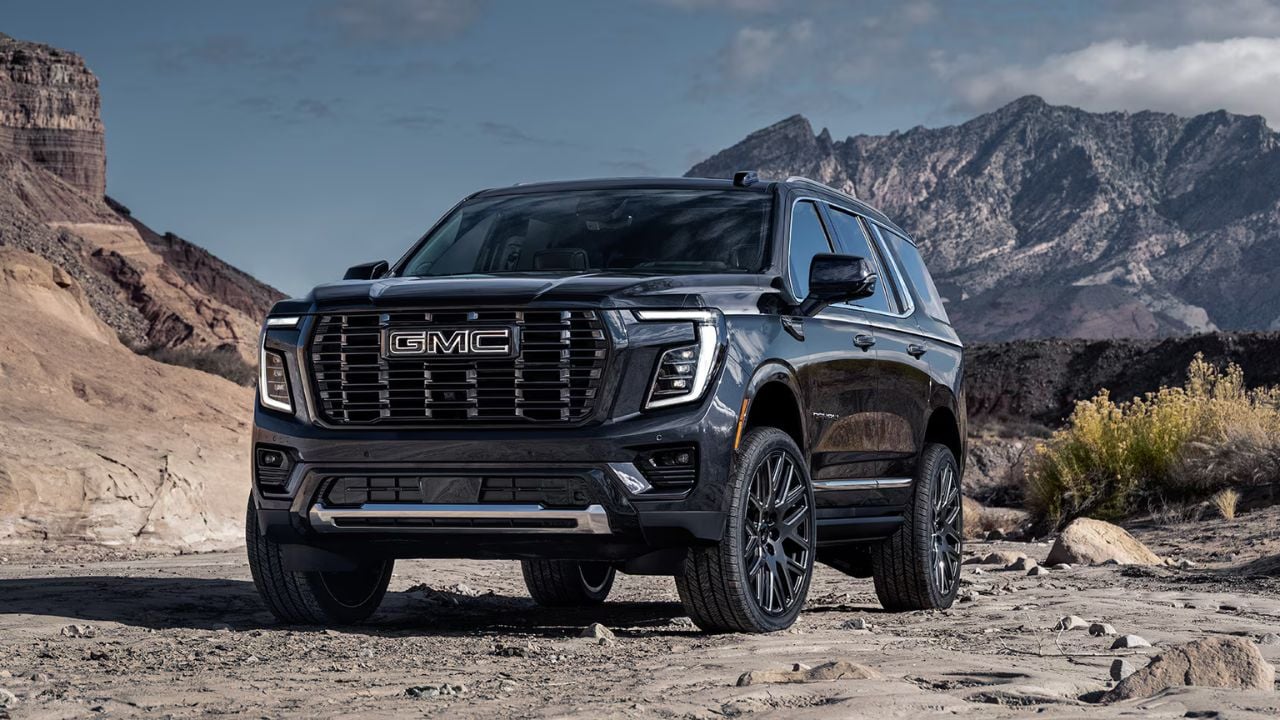
The recall spans several popular full-size GM trucks and SUVs. On the newer side, it includes select 2026 Chevrolet Silverado 1500, Tahoe, and Suburban models equipped with four-wheel drive or all-wheel drive.
The GMC Sierra 1500, Yukon, and Yukon XL are also included, along with the Cadillac Escalade and Escalade ESV. In addition, some older GM SUVs built between 2015 and 2020 may be affected if they previously received replacement transfer cases tied to the defective batch.
That means even owners of older vehicles could potentially be impacted if their transfer case was replaced during prior service work. GM says the suspect assemblies were distributed across 54 dealerships before the issue was identified.
The automaker became aware of the defect after a 2026 Silverado reportedly experienced a wheel lock-up incident in a parking lot. An engineer later performed a teardown inspection and discovered the missing oil pickup tube inside the transfer case.
GM Traced The Problem Back To The Supplier
According to recall filings, GM linked the issue to supplier Magna Powertrain de México in Ramos, Mexico. The company said certain assembly procedures and quality-control protocols were not properly followed during production.
Using production data and end-of-line testing records, GM identified a small batch of potentially defective transfer cases. The company says at least four field complaints may already be connected to the issue, though no crashes or injuries have been reported so far.
Drivers may hear grinding noises before the failure occurs, but GM warns that wheel lock-up can still happen suddenly and without enough warning to safely react. At highway speeds, a seized axle or locked drivetrain could quickly cause a driver to lose control.
That risk is exactly why GM escalated the situation into a do-not-drive recall instead of simply advising owners to schedule service when convenient.
What Owners Should Do Next
GM says affected owners should avoid driving the vehicles entirely until dealers inspect and repair them. The company will tow affected vehicles to dealerships if necessary, and all repairs will be performed free of charge.
Dealers have already been instructed to inspect suspect transfer case assemblies and replace them where needed. Customer notification letters are expected to begin going out by June 22, 2026, though VINs are already available through NHTSA recall databases.
Owners can check whether their vehicle is affected by entering their VIN through GM or NHTSA recall lookup tools. Chevrolet owners can call 1-800-222-1020, GMC owners can contact 1-800-462-8782, and Cadillac owners can call 1-800-333-4223 for more information.
Although the recall population is relatively small, drivetrain failures involving sudden wheel lock-up are among the most dangerous mechanical defects automakers deal with. In this case, GM appears to have moved quickly once engineers confirmed the root cause, but for affected owners, the safest move right now is simple: park it until it’s fixed.