In some towns, the first real view starts at canal level: boats slipping under bridges, houses reflected in the water, people crossing from one bank to the other, and cafés set close enough to hear the hulls pass. Aveiro has painted moliceiros, Giethoorn has quiet village canals, Annecy has alpine water running through its old town, Tigre has delta channels, Zhouzhuang has stone bridges, Hamburg has warehouse canals, and Strasbourg has the Ill River splitting around half-timbered houses.
This list skips Venice and Amsterdam because those names already dominate the canal conversation. These seven places show how different water-based travel can look: Portuguese boat routes through tiled city streets, Dutch footbridges over garden canals, French old-town channels beside lake water, Argentine launches in the Paraná Delta, Chinese stone bridges above narrow canals, German red-brick warehouses on dark waterways, and Alsatian locks below timbered façades.
A boat passes, a reflection breaks, a bridge changes the view, and the same street looks different from the opposite bank. These places are strongest when travelers walk beside the water, stop on bridges, wait for boats to pass, and look back at buildings from canal level.
1. Aveiro, Portugal
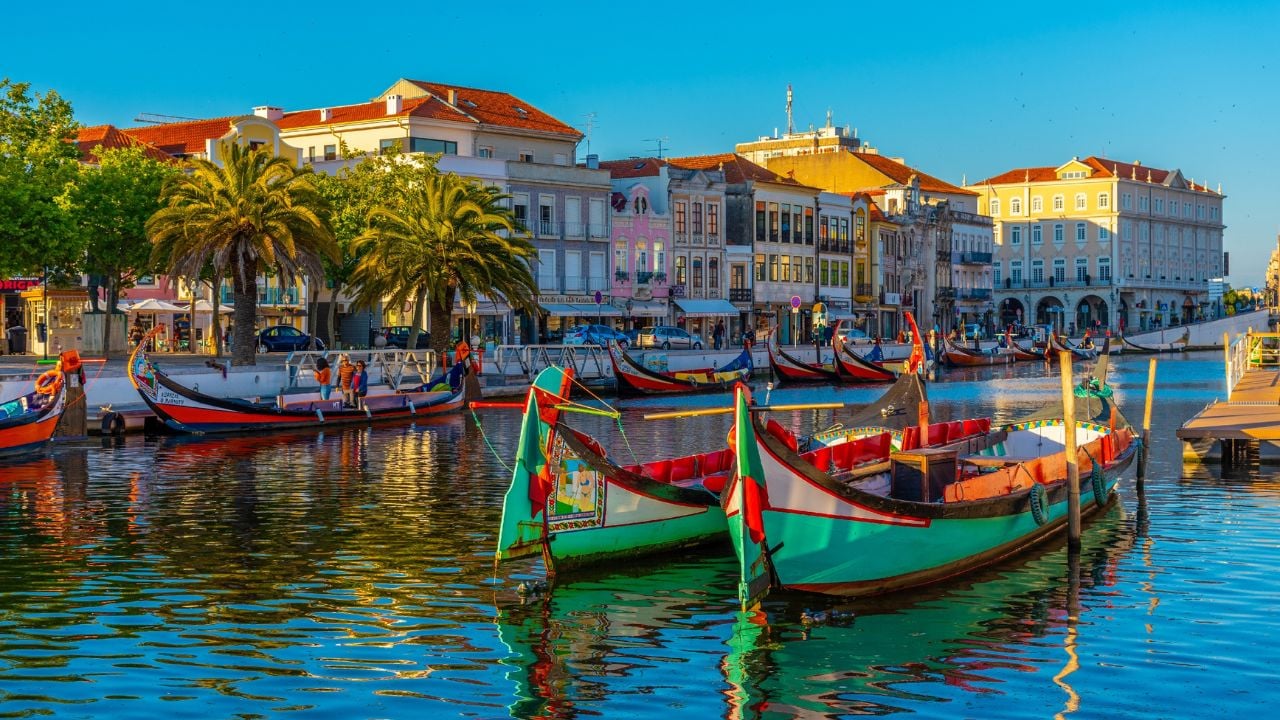
Aveiro’s canals run through the city with painted moliceiro boats, low bridges, tiled façades, and café tables close to the water. The boats catch the eye first: long, narrow hulls with high curved ends, bright painted panels, and colors strong enough to stand out against the city’s patterned tiles.
Moliceiro boat tours commonly pass through Aveiro’s main urban canals, including the Central Canal, Canal do Côjo, Canal das Pirâmides, and Canal de São Roque. The same local tour source explains that moliceiros were once working boats used to gather moliço, an algae used as fertilizer in the agricultural lands around Aveiro.
The Central Canal is the easiest place to begin. Boats sit below the quay, bridges keep the water close to street level, and Art Nouveau façades appear just beyond the canal edge. When a moliceiro moves under a bridge, the painted bow, tiled buildings, water reflection, and people walking above all fit into the same small frame.
Save the boat ride for a softer part of the day if the schedule allows. In late light, the colors on the hulls look stronger, the tiled façades pick up warmer tones, and the canal water carries the buildings in broken reflection. Aveiro does not need the tired Venice comparison; its painted moliceiros, tiled façades, low bridges, canal cafés, and ovos moles shops create a different kind of waterfront walk.
2. Giethoorn, Netherlands
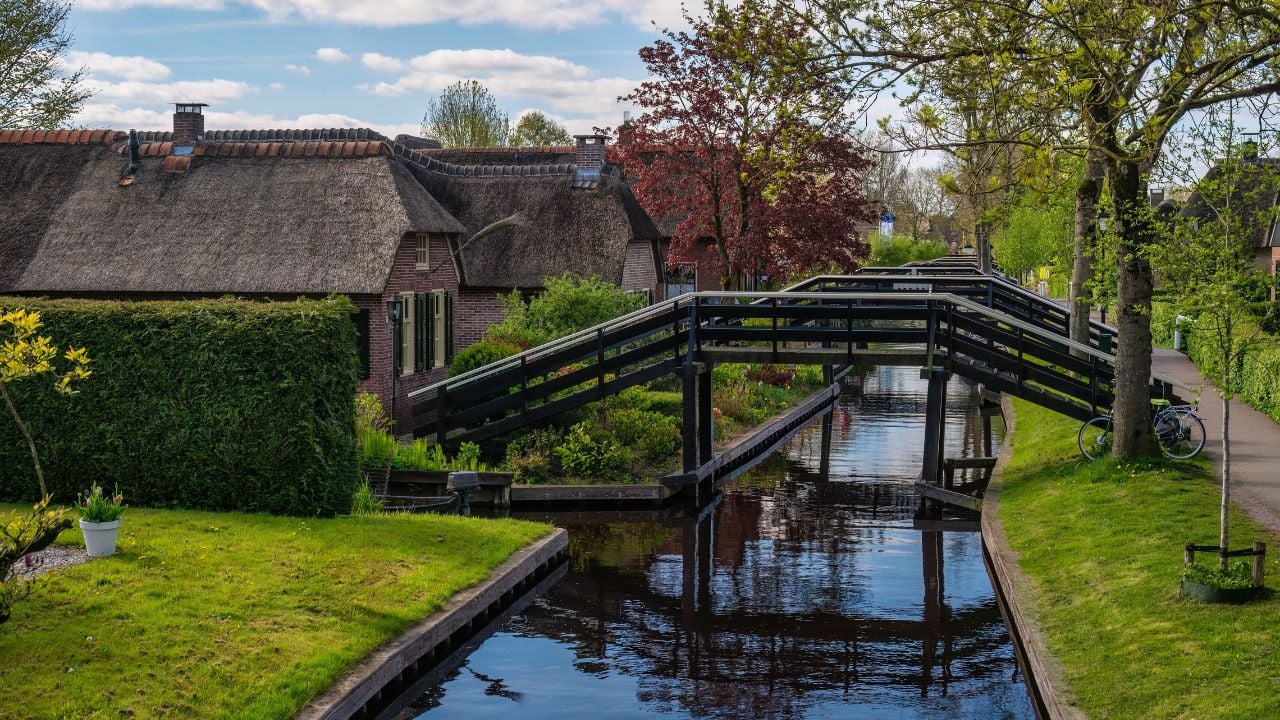
Giethoorn is built around narrow canals, thatched cottages, gardens, and wooden footbridges. The water sits close to the houses, so a boat can pass beside flower beds, low lawns, small docks, and reflections of steep thatched roofs.
The local Giethoorn tourism site says boating through the canals is the village’s most popular activity, with visitors passing historic houses, gardens, and bridges from the water. It also points travelers toward whisper boats, sloops, and guided tours.
A quiet electric boat is the best fit for the village. It moves slowly enough for passengers to notice the small changes: a wooden bridge crossing low over the canal, a cottage garden almost touching the water, ducks cutting across a reflection, and a path appearing between houses on the opposite bank.
Giethoorn can get crowded during peak visiting hours, so timing matters. Early morning, later afternoon, or an overnight nearby gives the canals more room. When fewer boats are moving, the still water sharpens the village: thatched roofs above, garden edges at water level, and arched bridges repeated in the canal below.
3. Annecy, France
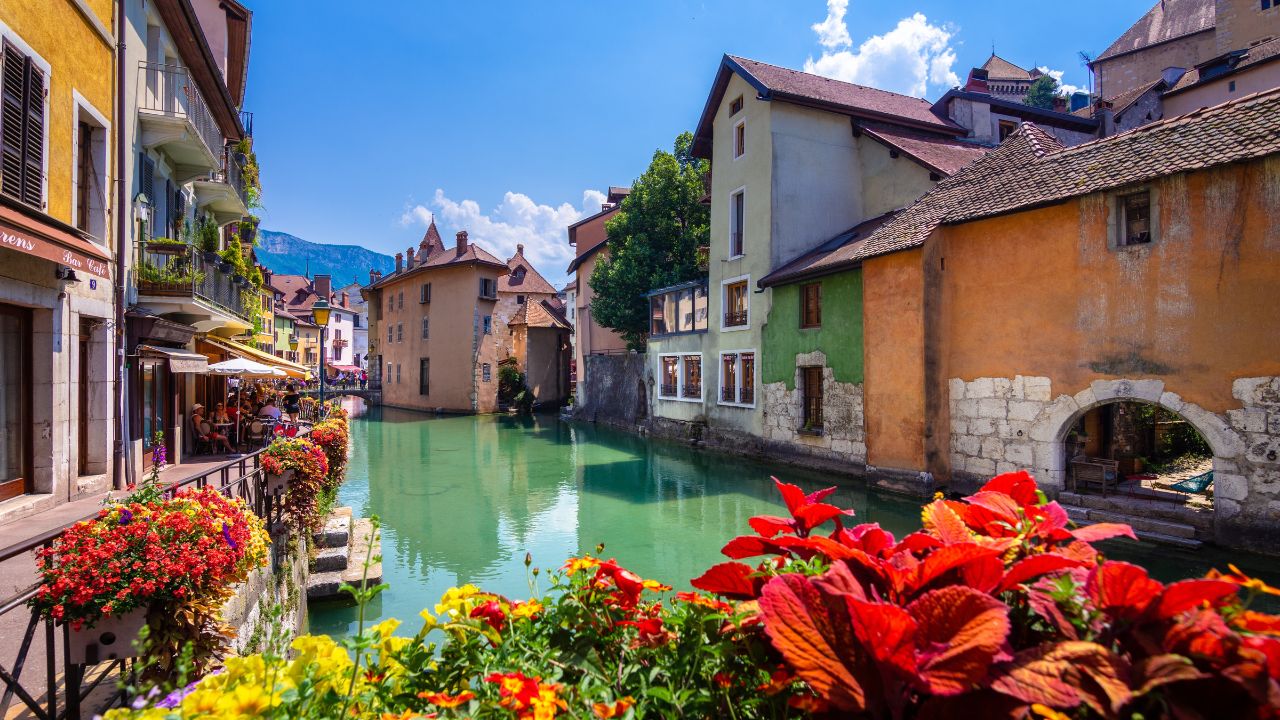
Annecy’s old town sits between Lake Annecy and the mountains, with the Thiou canal running past colored façades, stone bridges, cobbled lanes, and waterside restaurants. The water is narrow in the center, then the view opens suddenly toward the lake and the alpine slopes beyond it.
The Lake Annecy tourist office describes the old town as a place to follow canals through heritage streets, with colorful buildings, cobbled lanes, and emblematic sites. Its page on the Palais de l’Île describes the building as standing on a natural rocky island in the Thiou and notes that its oldest parts date from the 12th century.
Near the Palais de l’Île, the canal presses close to the buildings. Stone walls drop into the water, shutters open above the channel, and restaurant tables sit near bridges where people stop to look back at the island building. The Palais itself looks almost like a stone boat wedged into the stream, with water passing on both sides.
After the old town, walk toward the Jardins de l’Europe and the lake. The tight canal scene gives way to blue water, boats, tree shade, and mountain views. A short cruise can widen the frame, but the strongest contrast is on foot: medieval streets behind, lake air ahead, and bridges tying the two parts of Annecy together.
4. Tigre, Argentina
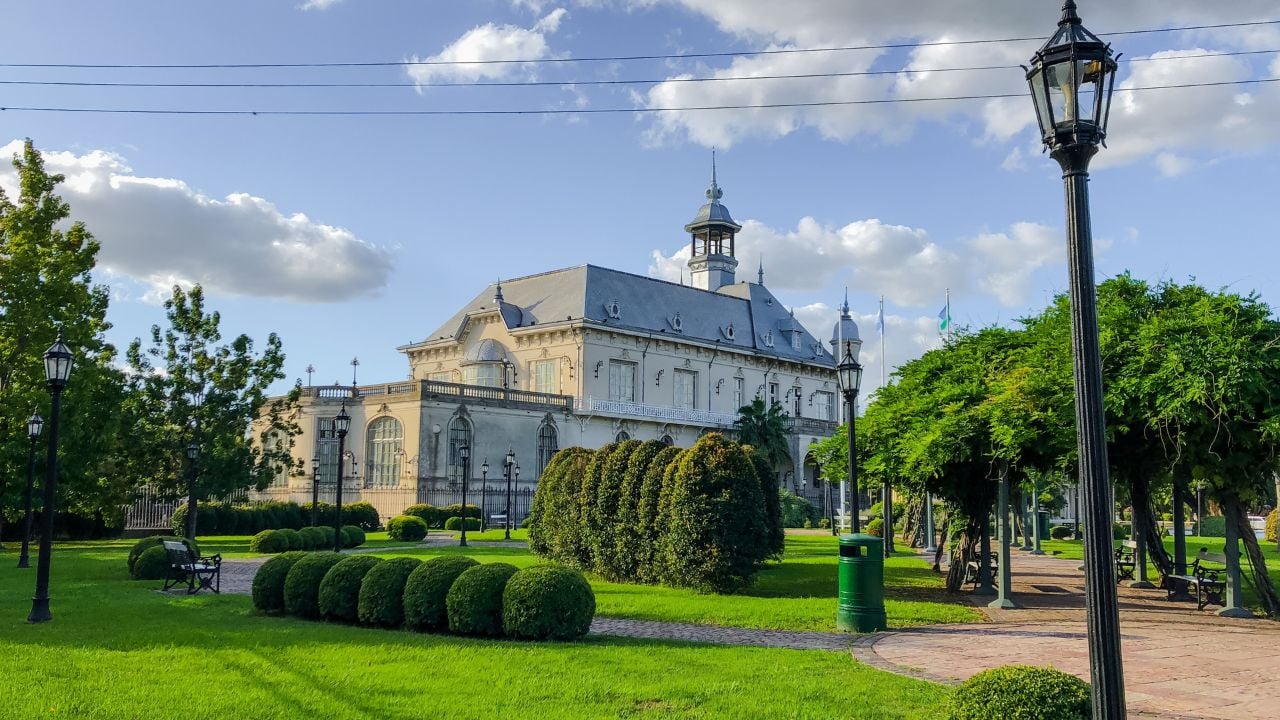
Tigre changes the pace north of Buenos Aires. The town opens into the Paraná Delta, where boats move through brown-green channels lined with stilt houses, docks, rowing clubs, trees, and small island properties.
Argentina’s official tourism site recommends a boat ride through Tigre’s canals to see the delta islands. Buenos Aires tourism describes Tigre as a riverside getaway about 30 kilometers from the city, with stilt houses, old mansions, rowing clubs, craft shops, and access to the Paraná Delta’s network of islands and canals.
Once the launch leaves the dock, the town noise drops behind and the delta starts to replace streets with channels, piers, stilt houses, and trees over the water. Wooden docks sit at the edge of private homes, small boats tie up beside gardens, and branches lean over the channel close enough to shade the boat.
Market stalls, rowing clubs, and riverside restaurants keep Tigre lively near the docks, while the channels beyond town quickly turn quieter and greener. Buenos Aires is close, but the delta replaces avenues and traffic with launches, muddy water, wooden piers, and water routes that keep branching away from town.
5. Zhouzhuang, China
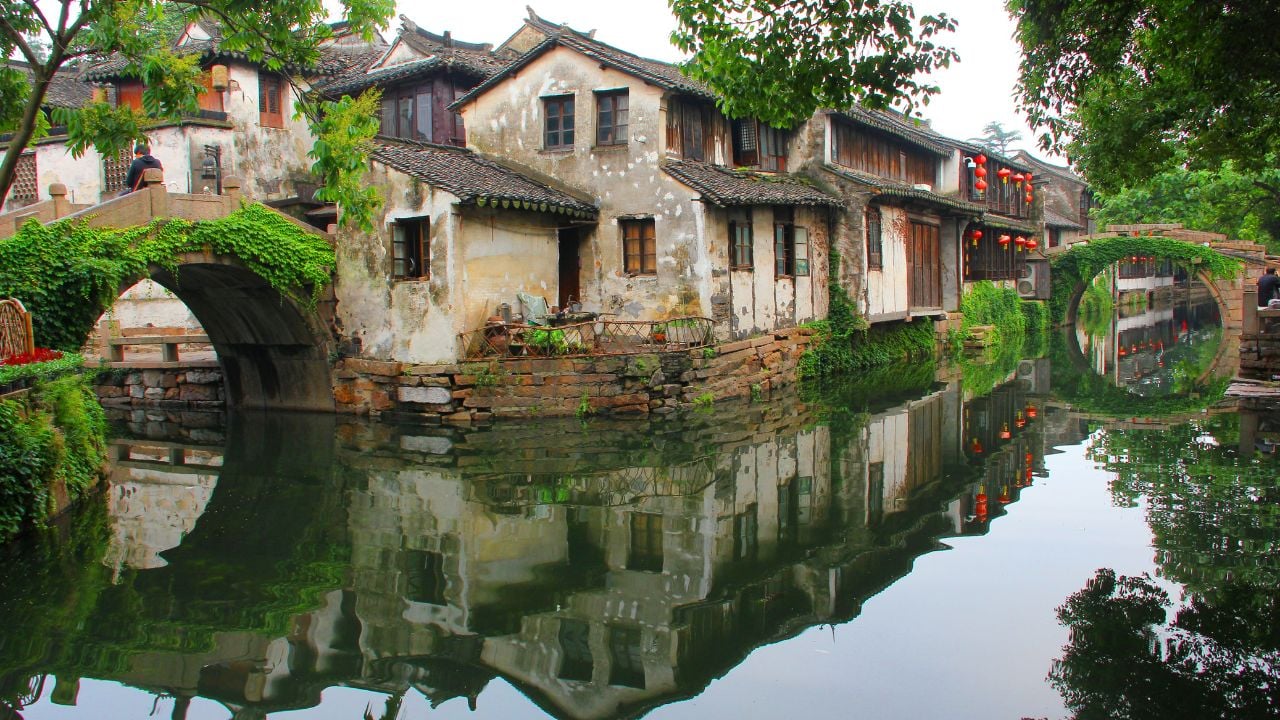
Zhouzhuang’s canals run directly through the old town, with white walls, black-tiled roofs, stone bridges, narrow lanes, and small boats packed into a tight water-town layout. The water is not a side attraction here; it sits in the middle of the streetscape.
Suzhou’s official city site identifies Zhouzhuang as one of China’s historical and cultural towns, southeast of Suzhou and southwest of Kunshan. A China cultural tourism source notes that Zhouzhuang preserves ancient stone bridges, including examples built during the Yuan, Ming, and Qing periods.
The classic view comes when a small boat passes under a stone bridge. White walls and dark roofs sit above the canal, the bridge arch frames the water, and the boat’s movement breaks the reflection below. In the busier lanes, shop signs and crowds can crowd the scene; step into a quieter side canal and the older shapes become easier to see.
Mornings are better for the main bridge views. The air is cooler, the water is calmer, and the stone crossings can still feel like part of a working town rather than only a photo stop. From the path, the town is white walls, black roofs, and stone bridges; from the boat, the same bridges become arches over reflections and narrow water.
6. Hamburg’s Speicherstadt, Germany
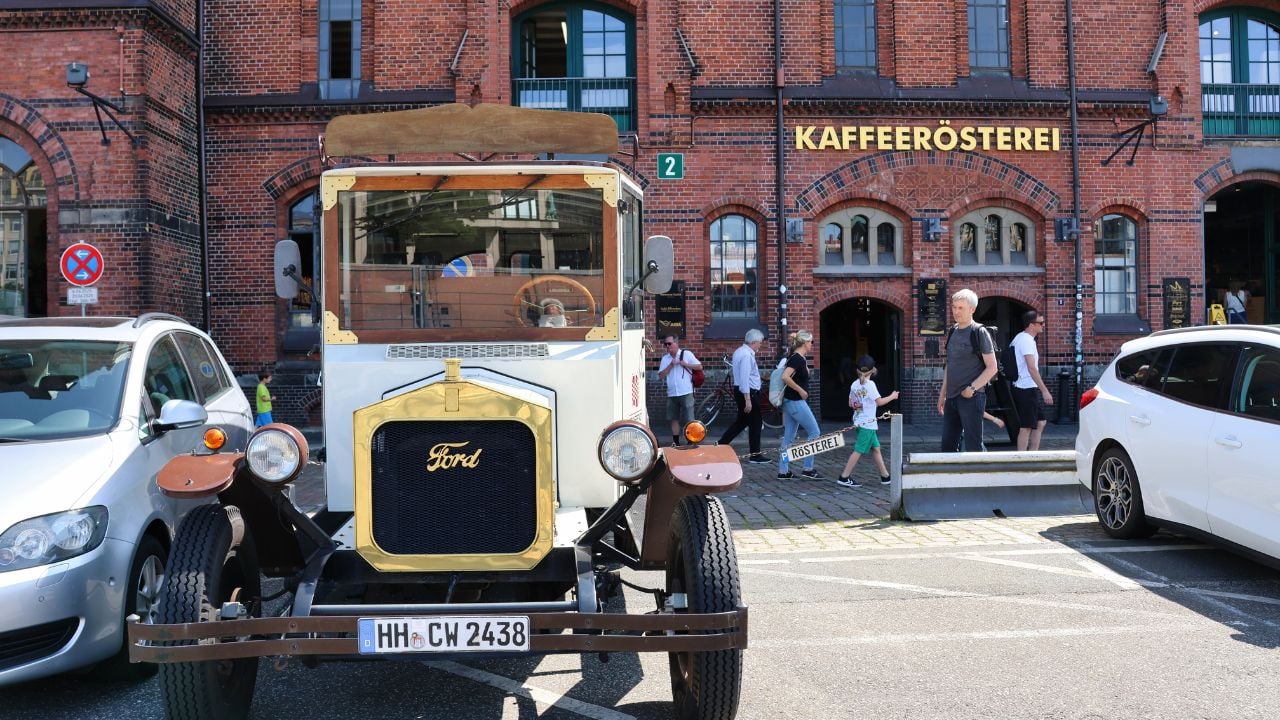
Hamburg’s Speicherstadt is all brick, water, bridges, arches, shadows, and warehouse walls. Red-brick blocks rise straight beside narrow canals, with iron bridges crossing between them and dark water reflecting windows, lamps, and loading edges below.
UNESCO says the Speicherstadt includes 15 large warehouse blocks, six ancillary buildings, and a connecting network of short canals. Hamburg tourism describes the historic Speicherstadt as the world’s largest warehouse complex, built into the River Elbe on thousands of oak poles.
On foot, the brick patterns, arched windows, iron bridges, and dark canal water become easier to notice. Warehouse walls rise above both sides of the canal, and short crossings turn into strong viewpoints when the water catches the windows and bridge undersides.
From the water, Speicherstadt becomes tighter and taller. Warehouses rise on both sides, bridges pass overhead, and the canals reveal how the district was arranged for storage, trade, and movement. At night, lamps along the brick walls reflect in the canal surface, and the old port architecture looks heavier than it does in daylight.
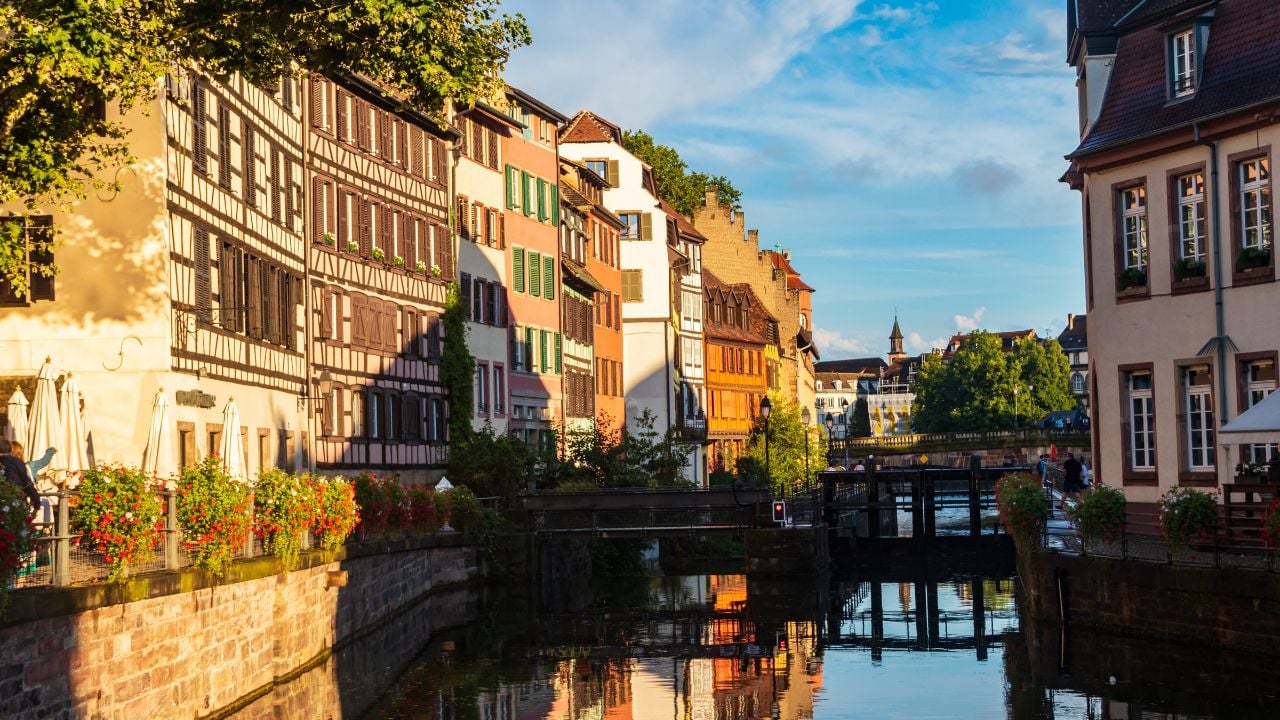
7. Strasbourg’s Petite France, France
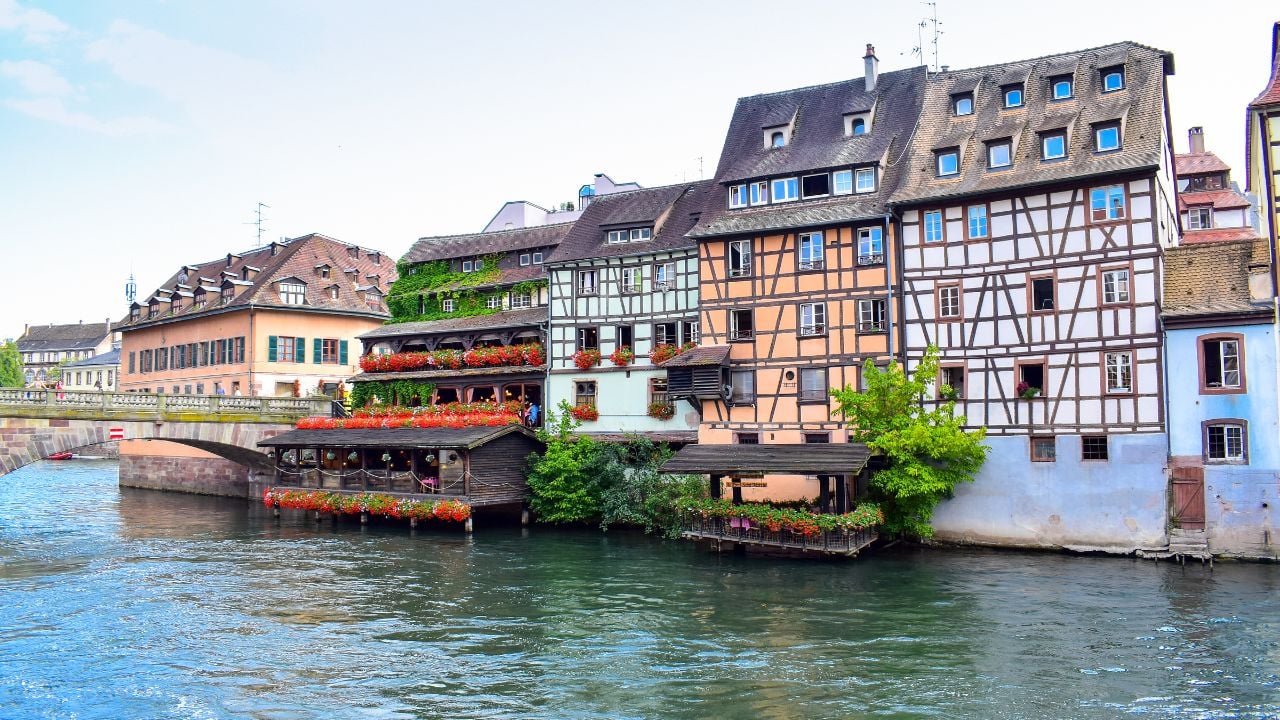
Petite France gathers Strasbourg’s water, timber, bridges, locks, and old towers into one compact quarter. Half-timbered houses lean near the Ill River, narrow lanes turn toward the water, and footbridges keep changing the view from one bank to the next.
Visit Strasbourg highlights the Covered Bridges area, where the Ill River breaks up into several arms and medieval towers still mark the entrance to the quarter. The city’s own tourism information describes Petite France through bridges, half-timbered houses, winding streets, and waterside views.
The Ill River splits the quarter into shifting views: timbered façades on one bank, locks and footbridges on another, and medieval towers rising near the Covered Bridges. A sightseeing boat may move under the arches while people cross above, and the water makes the same houses look different from each side.
Even when the quarter is crowded, the best pauses are at the railings, where the water divides around houses, locks, bridges, and towers. From certain angles, the cathedral rises in the distance above the roofs, while the foreground stays close to the Ill, the timbered walls, and the bridge railings.