
A great trip does not always need one dramatic sight to justify the flight, train, or long drive. Sometimes the part that stays with you is smaller: a market stall opening in the morning, glasses clinking outside a bar, laundry above a lane, students filling a square after class, or lake water turning dark while restaurants switch on their lights.
The seven places below still have proper sights, but the day does not depend on chasing all of them. Cafés, bridges, canals, courtyards, river paths, old walls, and small local habits carry just as much of the trip as the monuments do.
Some cities are best understood through ordinary movement. A bar door opens, a tram passes, a church bell cuts across a square, or someone cycles past with groceries while visitors are still deciding where to go next.
That is not a lesser kind of travel. It is often the kind people miss most when they get home.
1. Treviso, Italy
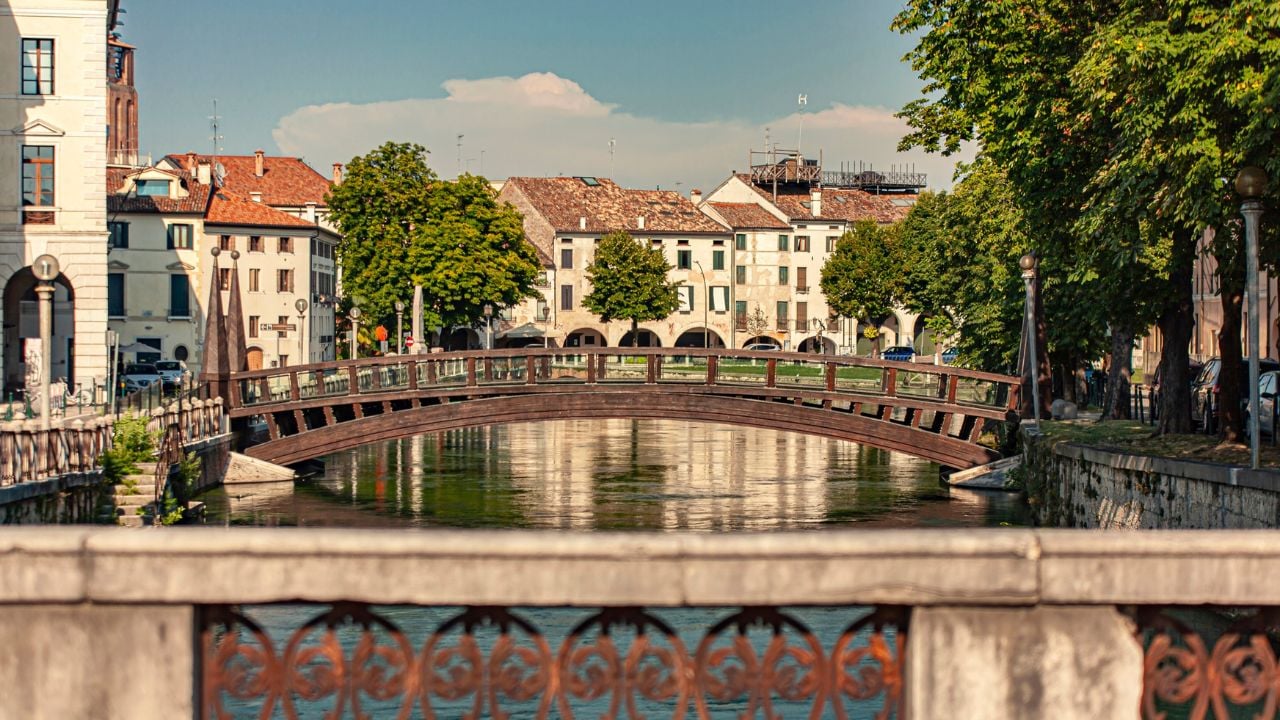
Treviso has water in places where another Italian town might only have a street. The canals slip past brick walls, under wooden bridges, and beside houses that still feel tied to ordinary city life. A window opens above the water, a cyclist passes under the arcades, and the old center keeps its beauty at human height instead of turning every corner into a grand performance.
Italia.it highlights the Buranelli canal, Piazza dei Signori, the Calmaggiore arcades, the cathedral, San Nicolò, the city walls, and walks along the Sile River. Those sights sit close together, but Treviso’s best moments often happen in the gaps: a reflection under a bridge, a shaded shopfront, a narrow waterway beside a wall, or a café table where the sound of the street feels softer under the porticoes.
Piazza dei Signori brings the city into the open. People cross it with shopping bags, friends pause under the arcades, and the surrounding buildings hold the square together without making it feel formal. A few streets away, the canals narrow the view again, and the city returns to water, stone, and quiet turns.
Food belongs naturally in the day here. Treviso sits in a Veneto area known for radicchio, and the local table does not need to be dressed up for visitors to feel special. A plate with something seasonal, a glass of wine, and the old streets waiting outside can do more for the afternoon than another rushed landmark.
The Sile River pulls the visit outward when the old center starts to feel tight. Trees, paths, and water shift the view after the arcades and stone streets, then the town brings you back toward cafés, small bridges, and evening light on the canals.
2. Jerez de la Frontera, Spain
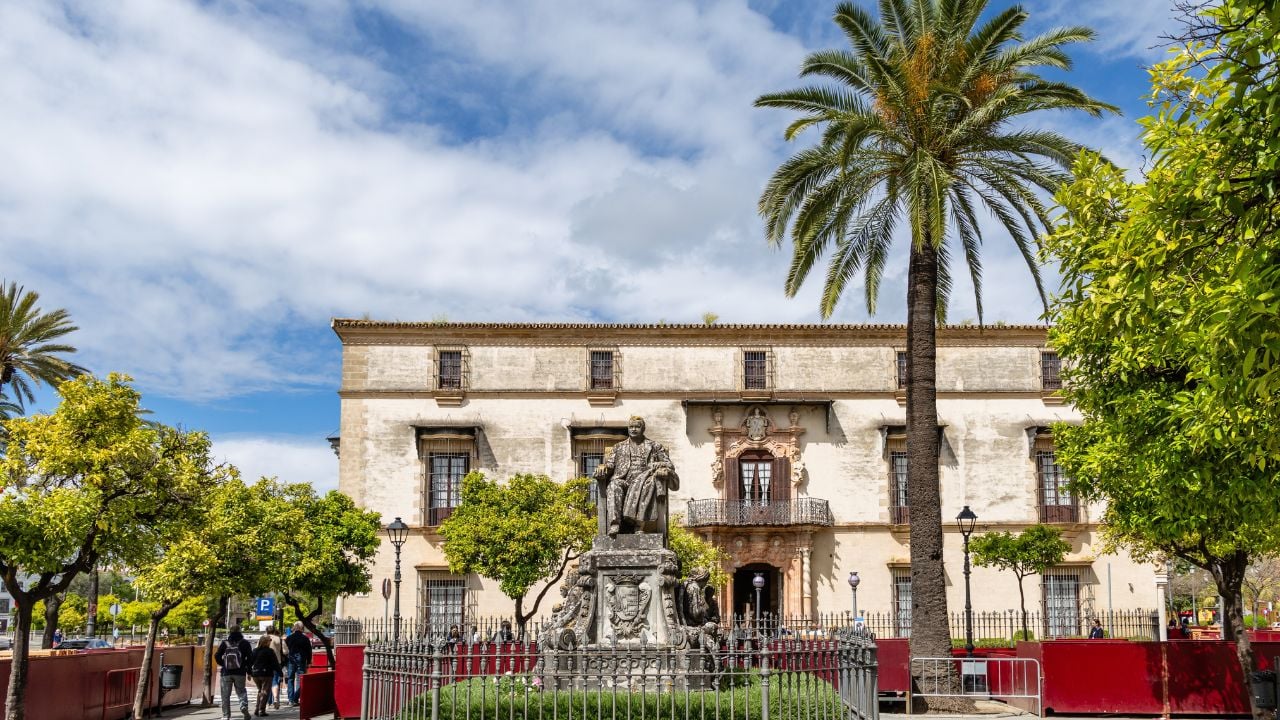
Jerez comes through in open bar doors, tiled walls, shaded streets, wine barrels, and conversations that keep stretching into the next glass. The city feels Andalusian without needing to shout for attention, especially in the older streets where sun, stone, and late meals shape the day more than any rigid sightseeing plan.
Spain’s official tourism site describes Jerez de la Frontera as known for wine, horses, and flamenco, with a historic center declared a Historic-Artistic Site. Those three words — wine, horses, flamenco — can sound like travel-poster shorthand until you are actually there, walking past bodegas, old façades, church fronts, and bars where the evening seems to begin later than expected.
The tabancos are where Jerez feels least polished and most alive. Wood, tile, barrels, chalkboards, sherry glasses, and people standing shoulder to shoulder can tell visitors more about the city than a formal tasting room ever could. A glass of fino or oloroso in that kind of room feels connected to the building, the street, and the city’s old habits.
Outside, the heat sits on white walls and iron balconies. A small plaza may look almost empty in the afternoon, then become warmer and noisier as dinner approaches. Flamenco claps, bar noise, scooters, footsteps, and the scrape of chairs on stone all seem to arrive in layers.
A bodega visit, a slow lunch, a walk through the old center, and a tabanco later on are enough to make Jerez feel full. The city has landmarks, but its strongest memory often comes from the smell of wine, the warmth of the pavement, and the way one drink can turn into a long conversation.
3. Sète, France
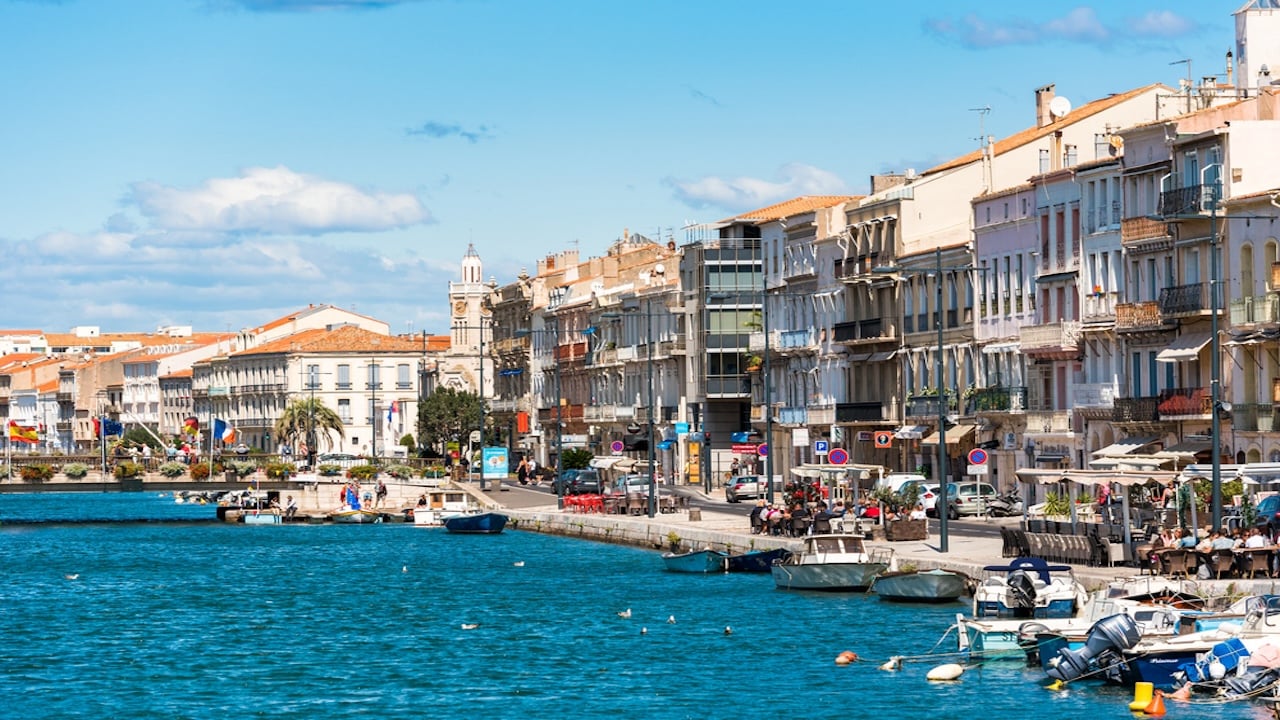
Sète feels like a coastal town that still has work to do. Canals cut through the streets, boats sit low in the water, restaurants face the quays, and seafood never feels far away. The town has color, but it has not been polished smooth into a postcard version of itself.
Sète’s official tourism office points to canals crossing the town, Mont Saint-Clair with views as far as the Pyrenees, a fishing port in the center, and 12 kilometers of fine sandy beaches. That range is visible in the way the day changes: port noise in one part of town, canal reflections in another, then beach light or a hilltop view when the streets start feeling full.
The canals carry the eye through town past buildings, bridges, boats, and restaurant terraces. Occitanie tourism describes Sète through canal-side buildings, drawbridges, swing bridges, a trade port, an old port, a marina, trawlers, and Catalan boats, which fits the place better than any soft seaside label.
Eating in Sète feels tied to the water. Market smells, tielle, oysters from the nearby lagoon, fish on the quays, and wine near the canal can take over more of the day than planned. The food does not feel like a tourist layer placed on top of the town; it feels like the town speaking in the most direct way it knows.
Mont Saint-Clair changes the scale after the canals and port. From above, the town, lagoon, beaches, and Mediterranean line up together; back down at water level, the boats and restaurants feel more connected to the wider coast around them.
4. Leuven, Belgium
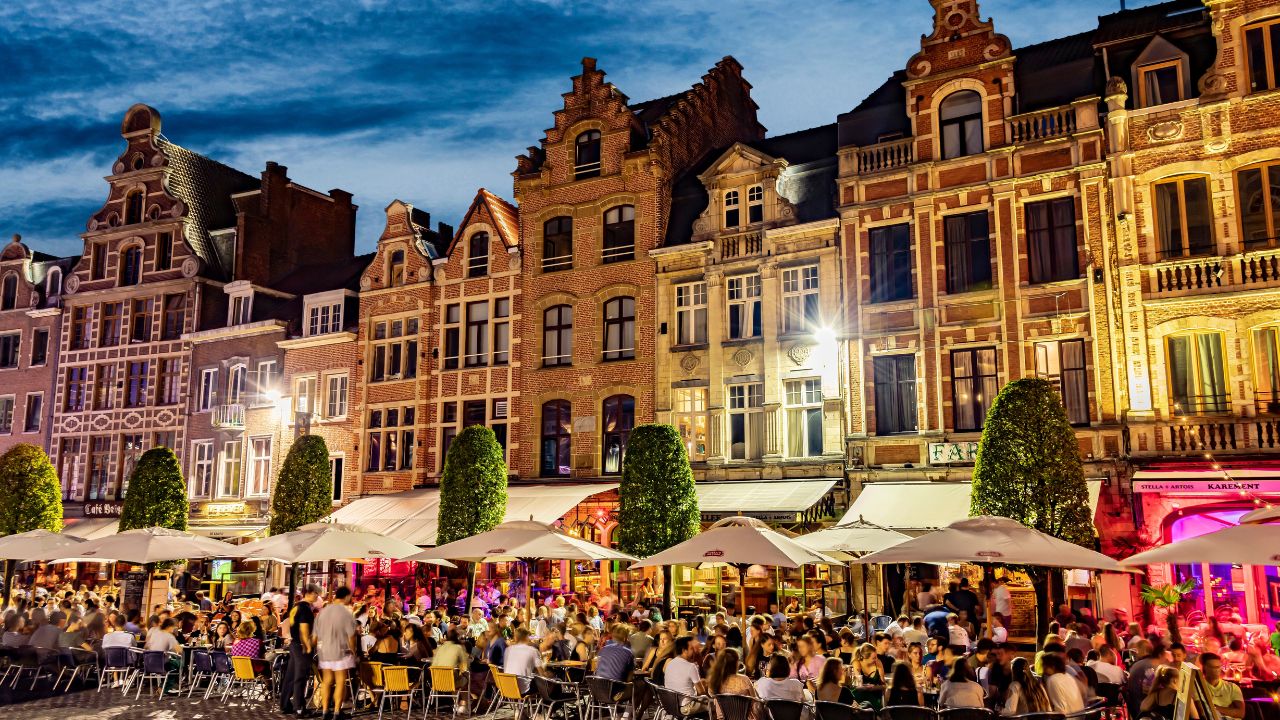
Leuven shows its university life in ordinary details. Bikes lean outside bars, students cross the squares with backpacks, terraces fill when the weather is kind, and old buildings stay part of the city’s daily movement instead of sitting behind an invisible museum rope.
Visit Leuven describes Oude Markt as the “longest bar in Europe,” with numerous terraces and a dense concentration of places to eat and drink in one square. At night, the description starts to feel practical rather than promotional: tables, glasses, voices, warm windows, and people moving between bars until the square becomes one long outdoor room.
The Great Beguinage changes the sound of the city without feeling detached from it. Brick lanes, small bridges, courtyards, and quieter corners sit close enough to the center that visitors can move from terrace noise to soft footsteps in the same afternoon.
Visit Leuven says the Great Beguinage, along with 12 other Flemish beguinages, was listed as UNESCO World Heritage in 1998 and can be visited free of charge. The lanes feel historic, but not empty; the brick houses and courtyards still make the area feel cared for rather than abandoned to sightseeing.
Leuven can hold both versions of itself in one day. Quiet brick passages in the afternoon, beer and fries later, students and locals filling the terraces after dark, and the old town sitting around it all with very little fuss.
5. Ptuj, Slovenia
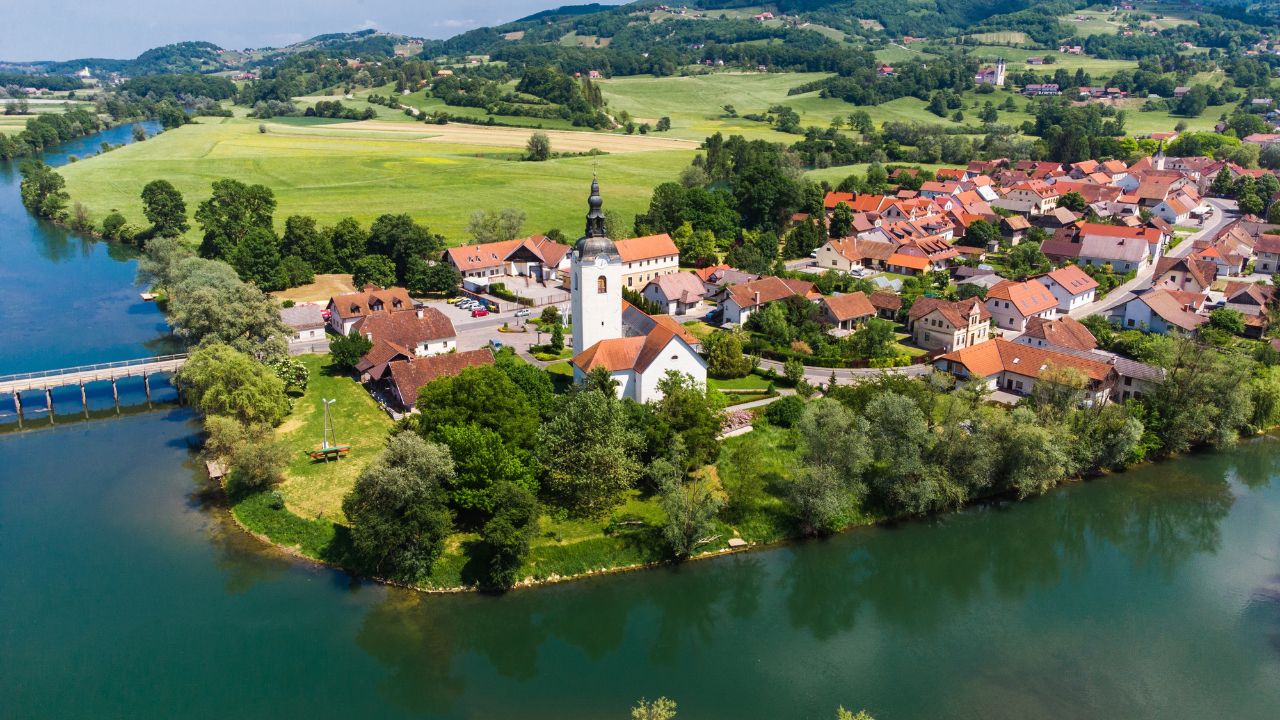
Ptuj looks like a small town that has been around long enough to stop trying to impress anyone. The castle sits above the roofs, the Drava River moves below, and the old center gathers wine cellars, towers, quiet streets, and warm facades into a compact walk.
Slovenia’s official tourism site describes Ptuj as an old town watched over by a castle, with wine cellars, Kurenti masks linked to a UNESCO-recognized carnival tradition, and Terme Ptuj nearby. The details are unusual, but the town itself feels easy to enter: castle above, river nearby, wine in the center, old houses pressed close to the streets.
The lower streets hold much of the pleasure. A wine bar, a small square, a narrow lane, a glimpse of the river, and a quiet table can fill the afternoon without turning the day into a list. Ptuj’s age is always present, but it does not make the town feel heavy.
Wine belongs to the town’s old habits. Local cellars, tasting rooms, and a slower table fit the place better than a rushed viewpoint. Stone, cellar air, and conversation give the afternoon a shape that feels natural to Ptuj rather than imported for visitors.
During Kurentovanje, Ptuj becomes louder and stranger, with masks, bells, and carnival movement filling the streets. Outside festival time, the town settles back into castle views, Drava light, wine, and the kind of quiet that makes a short stay feel older than its actual length.
6. Ioannina, Greece
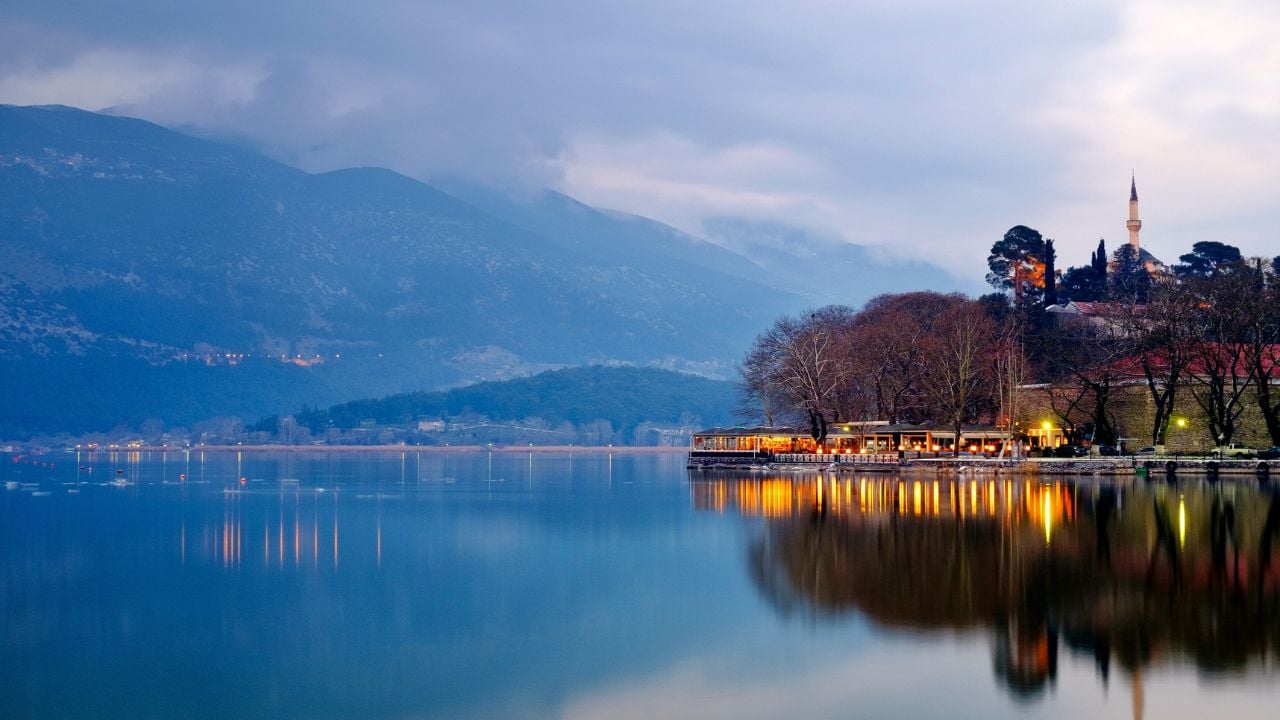
Ioannina is Greece with lake air instead of island glare. Lake Pamvotida sits beside the city, with mountains beyond the water, cafés along the shore, and evening light that makes people stay outside longer than they meant to.
Visit Greece says Ioannina, the capital of Epirus, spreads around Lake Pamvotida, and that the lake defines the natural setting, climate, and character of the town. It also notes the lake’s still waters and small island.
Stone walls and old streets sit close to the lake. The castle area holds museums, mosque views, Ottoman traces, shaded corners, and lanes where history and daily life keep crossing each other. A visitor can be looking at the water one minute and walking through old stone passages the next.
Boats cross to the island, and the short ride changes the day without taking visitors far from the city. Discover Greece points visitors toward lake walks or bike rides, Ioannina Castle, boat trips to the island, museums, silversmithing heritage, Perama Cave, and local Epirus cuisine.
Evening is when Ioannina becomes easiest to understand. Lights touch the lake, tables fill near the water, and the mountains turn darker behind the town. The city does not feel like an island substitute; it feels like its own Greek world, built around still water, food, stone, and mountain air.
7. Sibiu, Romania
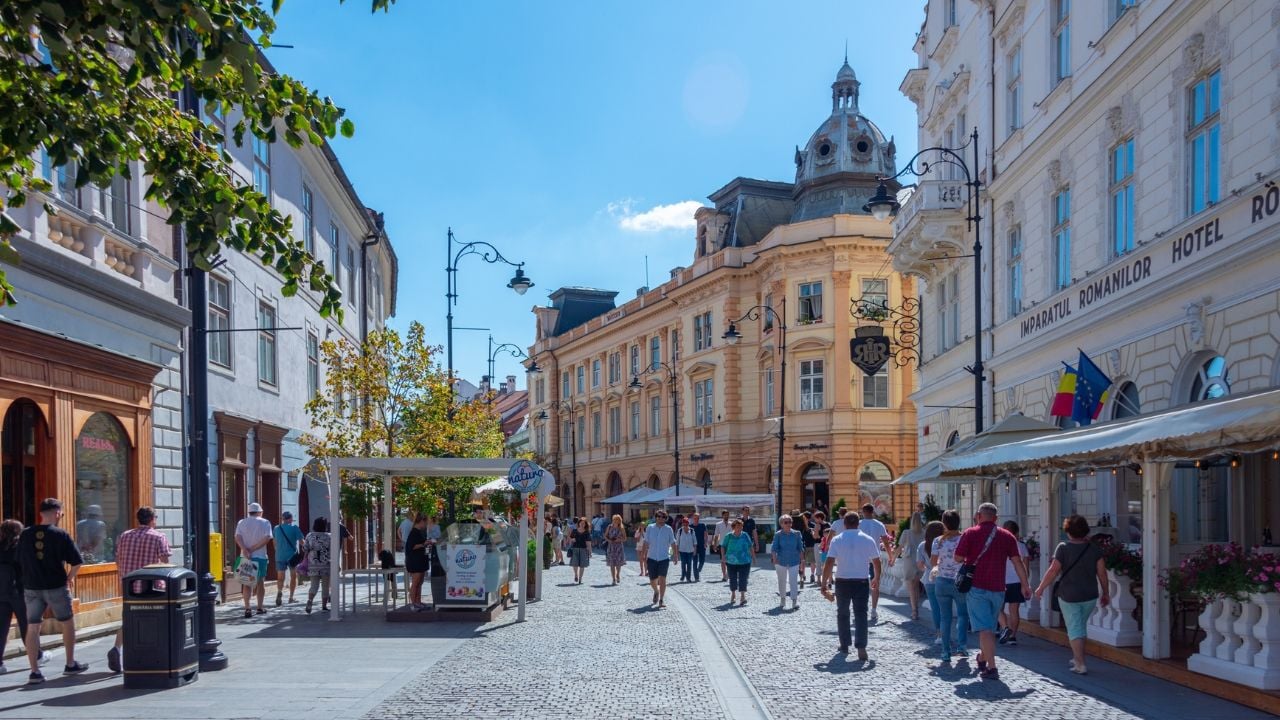
Sibiu has an old center that seems to look back at you. The famous roof “eyes” appear above the squares and streets, watching from tiled roofs while people sit outside, pass through archways, and move between cafés and old passages.
Sibiu Tourism describes the historic center through Saxon influence, the Bridge of Lies, Brukenthal Palace, the Council Tower, colorful old buildings, towers, bastions, fortification walls, and three central squares connected by narrow streets and passageways. That list sounds formal, but the city feels much more physical when you are inside it: wide squares, sudden narrow passages, stone underfoot, painted facades above.
The Large Square opens with broad space, tall facades, and people crossing in different directions. Nearby streets narrow toward the Small Square, where terraces, the Council Tower, and the Bridge of Lies pull the walk into tighter spaces. The city keeps changing size: open one minute, tucked into passageways the next.
The roof eyes alter the way visitors look at the old town. Once you notice them, the upper half of Sibiu starts competing with the street below: tiles, windows, towers, painted facades, rooflines, and corners that would be easy to miss somewhere else.
By evening, the squares fill with voices, the passages stay tempting even when you are not sure where they lead, and the old center feels less like a preserved showpiece than a place still using its beauty every day.