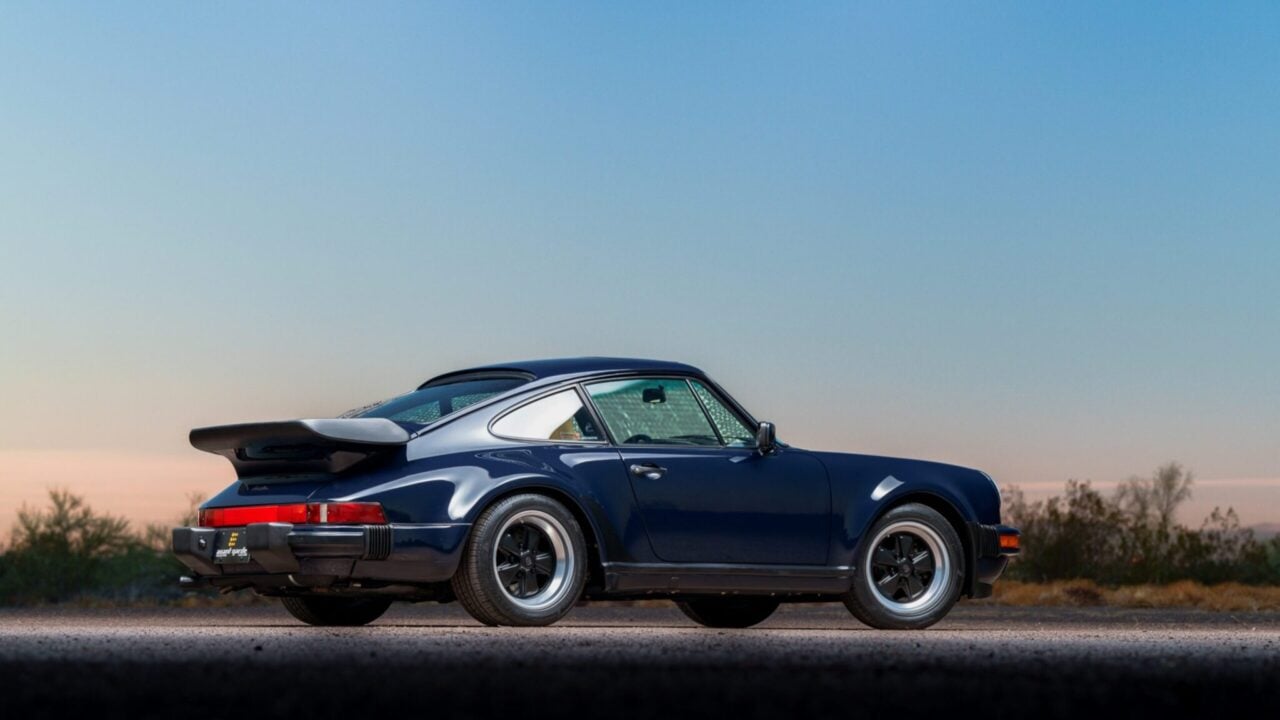
Porsche may be preparing to revive one of the most beloved traits in its history, at least in spirit. A newly uncovered patent reveals an unusual hybrid cooling system inspired by the classic air-cooled flat-six engines that defined generations of the 911 before water cooling arrived in the late 1990s.
The patent, filed in Germany under application number DE 10 2025 114 052.9, outlines a sophisticated setup that blends traditional airflow-based cooling with modern liquid-cooling technology. While it is not a fully air-cooled engine in the old-school sense, it appears to be the closest thing Porsche has explored since the legendary 993 era ended in 1998.
For enthusiasts, that immediately raises eyebrows. Air-cooled 911s remain some of the most celebrated and valuable Porsches ever built, largely because of their unique character, sound, and mechanical simplicity compared to modern cars.
At the same time, the patent also highlights something bigger happening inside Porsche. Even as the company pushes deeper into electrification with cars like the Taycan and upcoming Cayenne Electric, it is still investing heavily in advanced combustion-engine technology and searching for ways to preserve its heritage.
A Modern Twist On Air Cooling
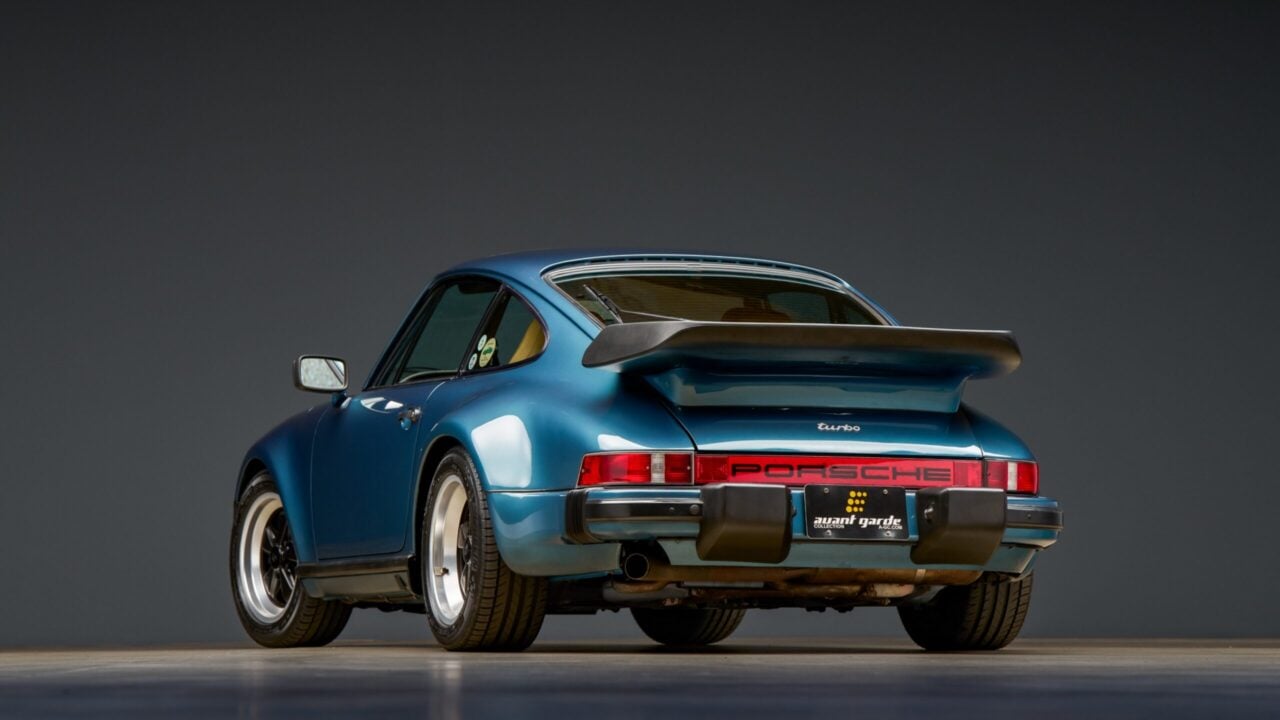
The system described in the patent starts with a conventional liquid-cooled engine. From there, Porsche surrounds the engine inside a specially designed housing that channels airflow directly around critical components rather than simply relying on ambient air moving through the engine bay.
A large rear-mounted fan reportedly pulls roughly 164 cubic meters of air per minute through the system, more than double the airflow generated by classic air-cooled 911 fans. That air would move across cooling fins mounted to the crankcase while also helping cool the turbochargers, exhaust system, and surrounding components.
Unlike older air-cooled engines, liquid cooling would still remain part of the equation. However, Porsche’s design could significantly reduce the size of traditional radiators and cooling hardware, potentially improving both aerodynamics and efficiency.
The patent even mentions a reversible airflow mode designed to help warm the engine more quickly during startup. That may sound minor, but improving warm-up efficiency can help emissions, fuel economy, and overall engine durability.
Why Porsche Is Interested In This
At first glance, building what essentially amounts to an engine enclosed in a giant airflow duct sounds incredibly complicated. Yet Porsche believes the setup could offer several meaningful advantages beyond simple nostalgia.
Reducing radiator size would allow future sports cars to use smaller front air intakes, cutting aerodynamic drag while potentially improving airflow management. Porsche also claims the housing could help reduce unwanted engine noise entering the cabin, though many enthusiasts would probably argue that hearing a flat-six is part of the experience.
The design appears specifically intended for mid-engine and rear-engine sports cars. Patent drawings reportedly show the system paired with a flat-six engine, making future 911 and 718 models the most obvious candidates if the technology ever reaches production.
It also fits neatly into Porsche’s philosophy of gradual evolution rather than radical reinvention. The company has spent decades refining the same core sports-car formula instead of constantly replacing it, and this patent feels like another example of that approach.
Porsche Still Cares About Heritage
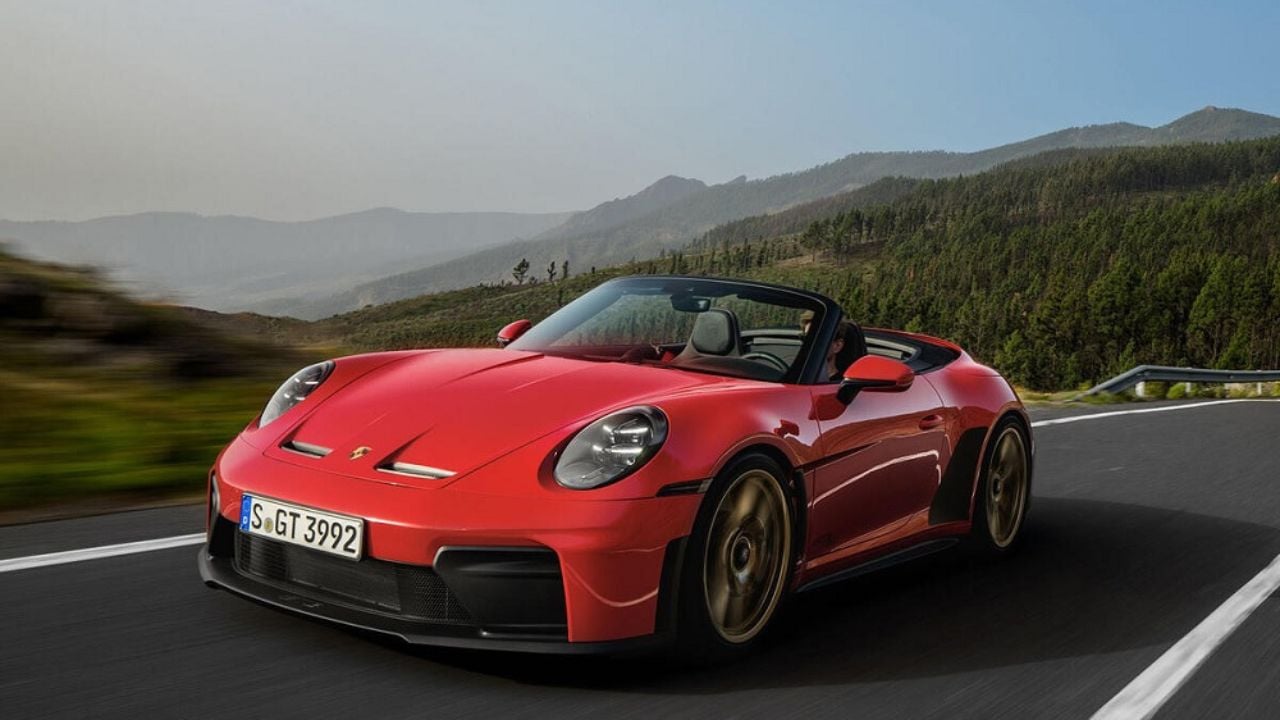
The timing of the patent is especially interesting given Porsche’s recent business challenges. Slowing EV demand in several markets, restructuring efforts, and changing global regulations have pushed the company to rethink parts of its long-term strategy.
That has not stopped Porsche from continuing its EV push, of course. The Taycan Turbo GT recently set a Nürburgring production EV lap record, while the electric Cayenne remains one of the brand’s most important upcoming launches.
Still, Porsche also appears determined to keep combustion engines alive for as long as possible. Recent patent filings involving six-stroke engines, advanced turbocharging systems, and experimental cooling concepts suggest the company is treating combustion technology as both a performance asset and a piece of brand identity worth protecting.
Whether this hybrid cooling system ever reaches production remains uncertain. Patent filings often exist purely to secure intellectual property rather than to preview guaranteed future products.
Even so, the idea of a future Porsche sports car bringing back some of the sound, feel, and engineering character of the air-cooled era is enough to excite enthusiasts. For a brand built on heritage as much as performance, that emotional connection still matters enormously.