
The Environmental Protection Agency is proposing a major rollback of Biden-era vehicle emissions rules, arguing that American consumers should be free to choose the kinds of vehicles they want to drive rather than being pushed toward electric vehicles through increasingly strict regulations.
The proposal, announced by EPA Administrator Lee Zeldin, would delay implementation of the tougher Tier 4 emissions standards for light- and medium-duty vehicles by two years, shifting the compliance deadline from the 2027 model year to 2029.
According to the EPA, the move could save automakers and consumers more than $1.7 billion while reducing pressure on manufacturers struggling to meet emissions targets built around earlier projections for rapid EV adoption. The agency says current market conditions no longer support the assumptions used when the standards were originally finalized.
The announcement represents another major development in the Trump administration’s effort to unwind federal policies that aggressively encouraged electrification. It also signals a growing political divide over how quickly the U.S. automotive market should transition away from internal combustion engines.
EPA Says EV Adoption Didn’t Meet Expectations
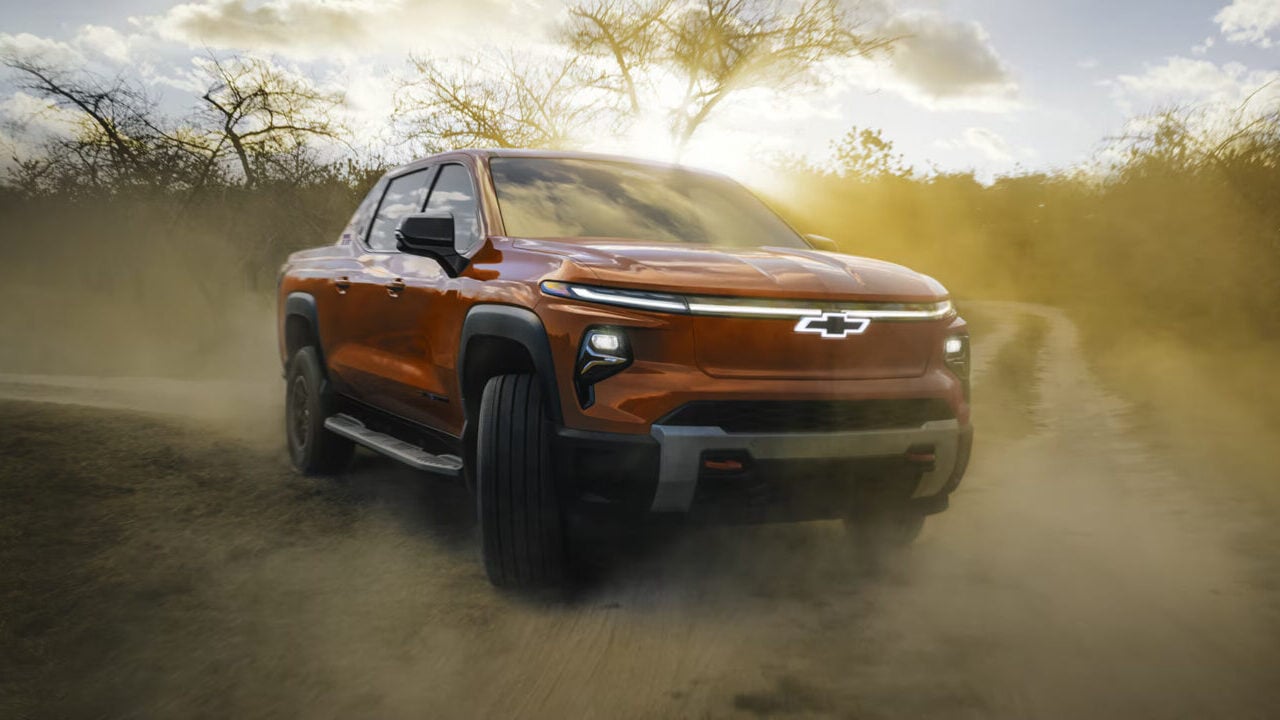
The Tier 4 emissions standards introduced during the Biden administration were designed around expectations that EVs would account for a significantly larger portion of new vehicle sales by the late 2020s. Regulators believed rapid electrification would allow stricter emissions requirements for gasoline-powered vehicles without creating major market disruption. The EPA now argues those projections failed to materialize.
According to the agency, consumer demand for EVs has not grown quickly enough to support the original timeline. Automakers have also struggled with profitability across many EV programs, leading several manufacturers to delay products, reduce production targets, or rethink portions of their electrification strategies.
The agency specifically pointed to recent industry decisions from companies such as Ford Motor Company, General Motors, and Stellantis as evidence that the market is shifting away from earlier EV growth expectations.
General Motors recently announced billions in new investment for internal combustion vehicle production while taking major financial charges tied to scaling back portions of its EV plans. Ford has also reportedly adjusted future electric truck strategies, while Stellantis continues restructuring parts of its EV roadmap.
The EPA argues that forcing manufacturers to meet stricter emissions requirements under current market conditions would unnecessarily increase vehicle costs for consumers.
Tier 3 Standards Would Remain In Place
If finalized, the proposal would allow automakers to continue complying with existing Tier 3 standards for the 2027 and 2028 model years before transitioning to Tier 4 requirements beginning in 2029.
The EPA says Tier 3 standards already reduce emissions significantly, with current regulations capable of cutting pollutants by as much as 80% compared to older vehicle generations.
Agency officials argue the delay would give manufacturers more realistic timelines for adapting future fleets while maintaining emissions reductions without heavily relying on rapid EV adoption.
Zeldin framed the proposal around consumer freedom and affordability, stating that Americans “do not want EVs forced upon them.” The EPA administrator said the agency’s goal is to restore what he described as practical, achievable regulations while protecting manufacturing jobs and consumer choice.
The agency also announced plans for a broader review of the Tier 4 framework, including potential changes to testing procedures, implementation schedules, and emissions targets themselves.
Hybrids Are Becoming Increasingly Important
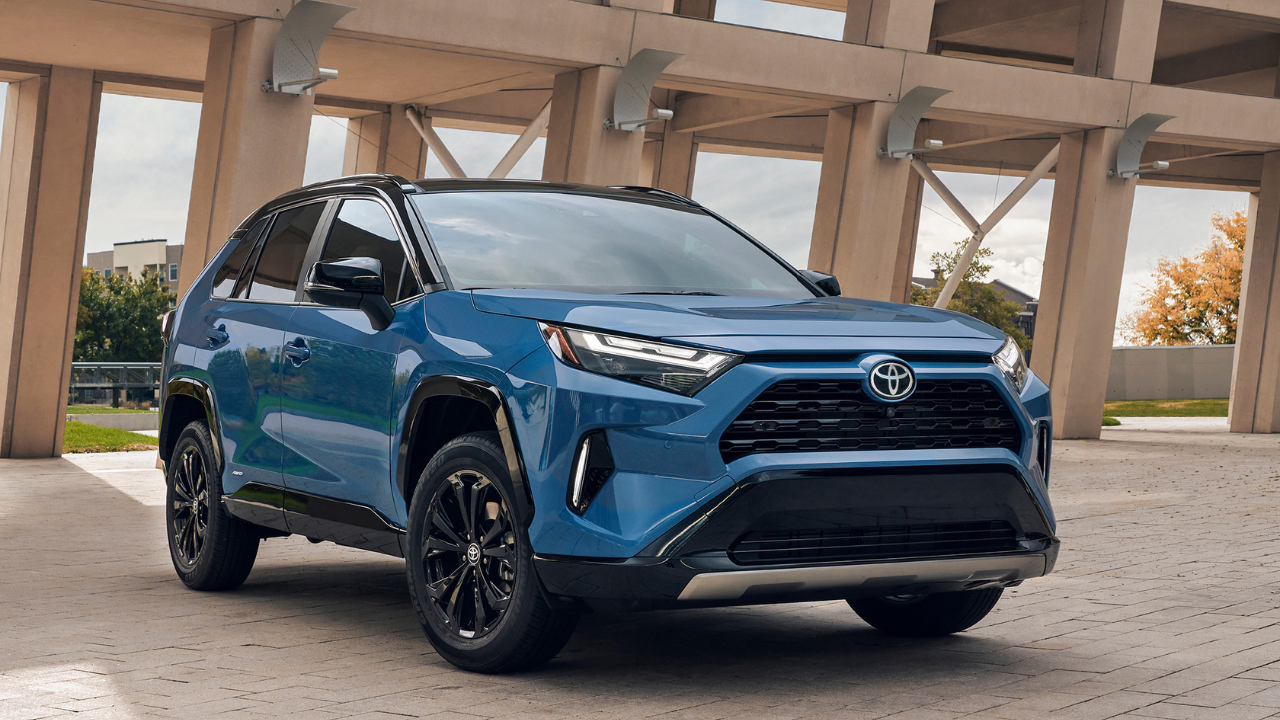
The policy change comes as automakers increasingly pivot toward hybrids instead of committing entirely to battery-electric vehicles. Several major manufacturers now see hybrid technology as a more practical near-term solution for balancing emissions reductions with consumer demand.
Toyota has become one of the most obvious examples of that strategy. The automaker recently confirmed the Toyota RAV4 lineup will move entirely to hybrid and plug-in hybrid powertrains for the 2026 model year in the United States.
Other manufacturers are taking similar approaches. Automakers increasingly view hybrids as a way to improve fuel economy and reduce emissions without relying entirely on charging infrastructure expansion or changing consumer habits.
The Debate Over EV Policy Is Intensifying
The EPA’s proposal is likely to intensify an already heated debate surrounding the future of transportation policy in the United States.
Supporters of the rollback argue that the government should not effectively dictate what consumers drive through aggressive regulations and incentives favoring EVs. They also point to affordability concerns as vehicle prices continue climbing across the industry.
Critics, however, are likely to argue that delaying stricter emissions standards could slow progress toward reducing transportation-related pollution and weaken momentum for cleaner vehicle technologies.
The announcement also follows several other major regulatory reversals from the EPA under the Trump administration, including the repeal of the 2009 Endangerment Finding and elimination of various vehicle greenhouse gas regulations and mandates.
At the same time, the administration has promoted policies supporting diesel truck operators, farmers, and industries affected by emissions compliance costs.
Whether the latest proposal ultimately becomes permanent policy will depend partly on the public comment process and future legal challenges. For now, though, the EPA is making its position clear: the agency believes the American auto market should evolve based on consumer demand, not deadlines built around an EV transition that regulators say has not unfolded as expected.