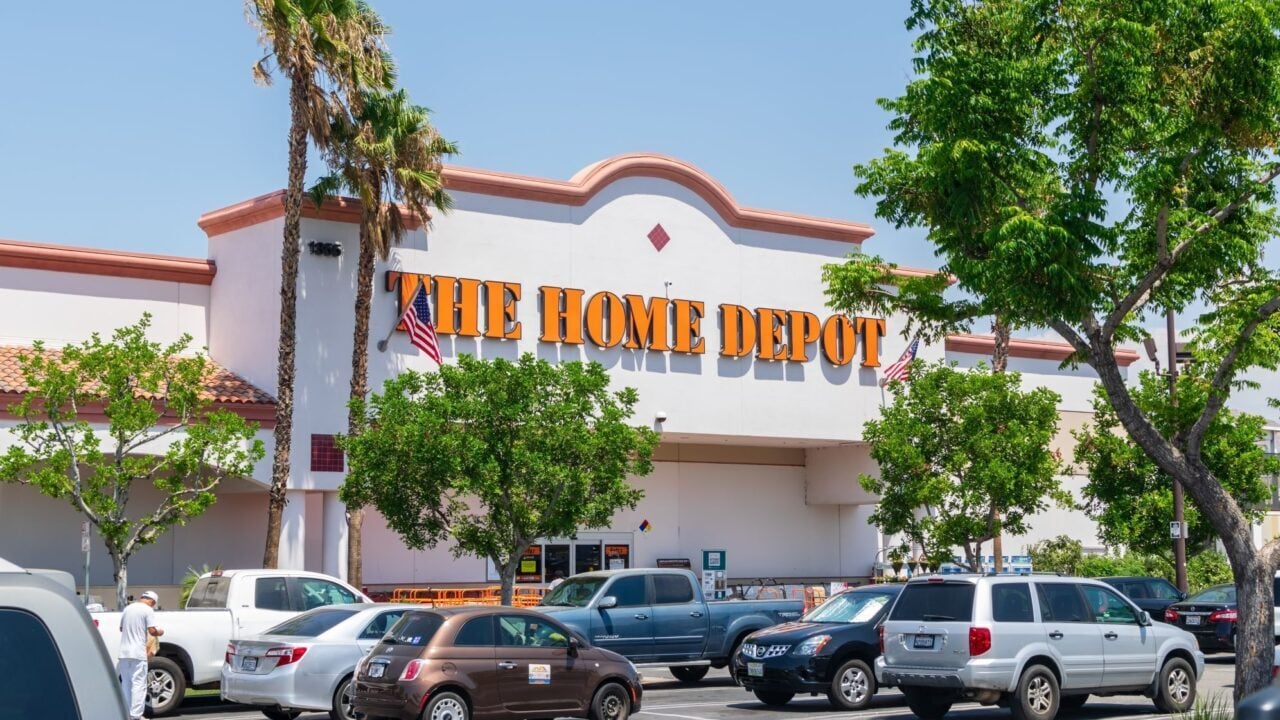
The Home Depot is facing a proposed class action lawsuit in California over allegations that the company secretly tracks vehicles entering and leaving store parking lots using automated license plate recognition technology tied to a nationwide law enforcement database.
The lawsuit claims Home Depot uses camera systems supplied by Flock Safety to capture detailed information about vehicles visiting its stores. According to the complaint, the systems record license plates, along with vehicle makes, models, colors, timestamps, and location data, before transmitting the information to a searchable database accessible to law enforcement agencies across the United States.
Filed in the U.S. District Court for the Northern District of California, the 57-page complaint alleges Home Depot violated multiple California privacy and consumer protection laws through the way the surveillance systems were deployed and managed. Plaintiffs argue that shoppers were effectively swept into a large-scale monitoring operation without sufficient transparency or legal safeguards.
The case highlights growing national debate surrounding automated license plate recognition systems, commonly known as ALPRs, and how retailers, private companies, and law enforcement agencies use the data collected by those networks.
Lawsuit Challenges How Data Is Collected And Shared
According to the complaint, Home Depot’s parking lot camera systems capture data on every vehicle entering or exiting covered California store locations. Plaintiffs argue the retailer failed to comply with requirements outlined under California’s Automated License Plate Recognition Privacy Act.
The lawsuit specifically claims Home Depot did not properly disclose key operational details surrounding the surveillance systems. Among the allegations are claims that the company failed to identify who oversees the ALPR database, failed to define how long collected data is stored, and failed to establish meaningful limits on how law enforcement agencies can access the information.
The filing also alleges the retailer did not adequately explain employee training procedures, monitoring systems, or safeguards designed to ensure accuracy and error correction within the network.
Plaintiffs argue the result is effectively a “national surveillance network” capable of tracking the movements and behaviors of customers shopping at California stores. The proposed class would include drivers whose vehicles were captured by Home Depot-operated or vendor-operated ALPR systems at California retail locations from the installation date of the cameras through the present.
Flock Safety’s History Adds To Privacy Concerns
Much of the scrutiny in the lawsuit centers on Flock Safety, the surveillance technology company providing the camera infrastructure. Flock has rapidly expanded its license plate recognition systems across cities, neighborhoods, businesses, and law enforcement agencies throughout the United States.
The complaint points to previous incidents involving alleged unauthorized data-sharing settings connected to Flock systems in California. According to the filing, camera networks in Mountain View and Ventura County reportedly had “nationwide” sharing settings enabled without approval, allowing vehicle data to become accessible to agencies outside intended jurisdictions.
Plaintiffs argue that those incidents raise broader questions about how securely ALPR data is managed and whether companies deploying the systems fully understand how information is being shared.
The lawsuit also references prior cases involving alleged camera misreads that reportedly led to wrongful traffic stops, arrests, and other law enforcement encounters involving innocent individuals mistakenly identified through license plate recognition systems.
Flock Safety has previously defended its technology as a tool designed to assist investigations into vehicle theft, violent crime, and public safety threats. Supporters of ALPR systems argue they can help law enforcement quickly identify suspect vehicles and recover stolen cars more efficiently.
Home Depot Says Cameras Are Used For Security
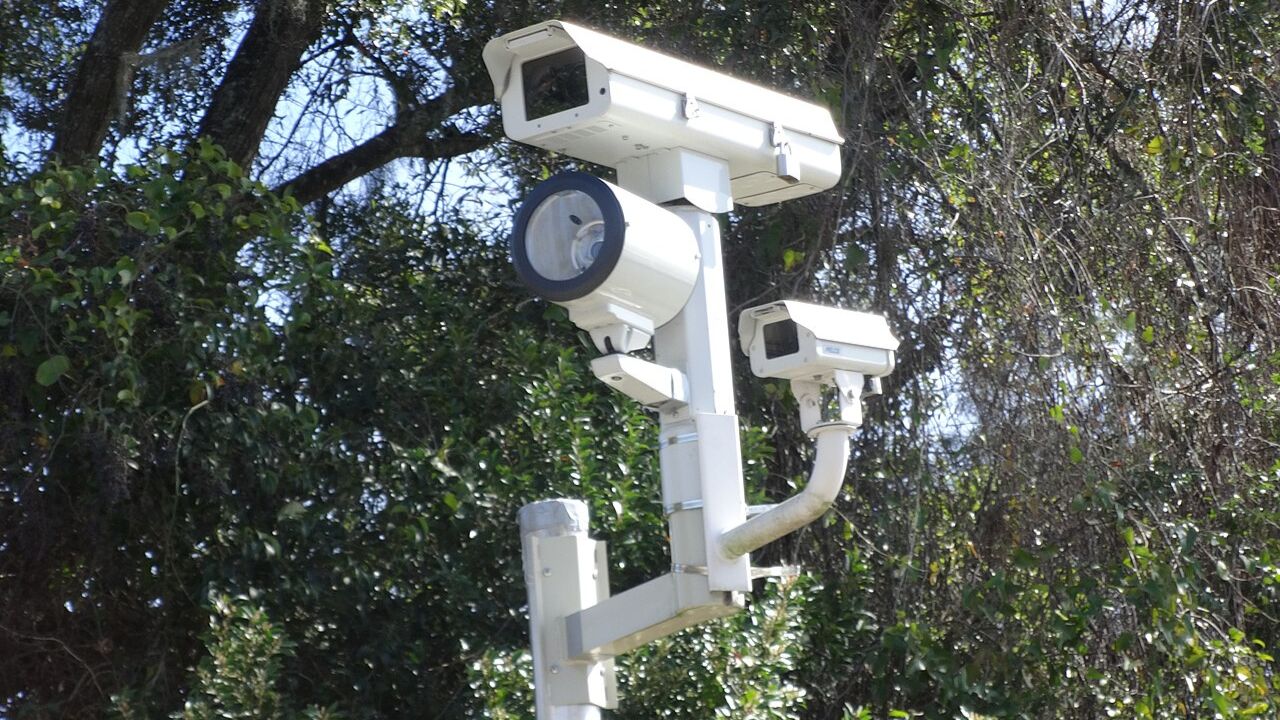
Home Depot has publicly acknowledged using license plate reader technology in parking lots for security-related purposes. The retailer says the systems are intended to help detect theft and protect customers and employees.
The company has also stated it does not coordinate with federal immigration enforcement agencies such as Immigration and Customs Enforcement or Customs and Border Protection regarding operations in store parking lots.
According to statements cited in the lawsuit, Home Depot maintains that it does not directly grant federal agencies access to its license plate reader systems. Plaintiffs, however, argue that questions remain regarding how data flows through Flock Safety’s wider law enforcement network.
The retailer has not announced plans to discontinue use of the systems or significantly alter its data-sharing policies following the filing of the lawsuit.
Growing Debate Over Retail Surveillance
The Home Depot case arrives at a time when privacy concerns surrounding vehicle tracking technology are becoming increasingly prominent across the United States. Automated license plate recognition systems have expanded rapidly in recent years as retailers, neighborhoods, and law enforcement agencies invest heavily in surveillance infrastructure.
Critics argue that the technology can create detailed records of people’s daily movements without meaningful consent or oversight. Civil liberties advocates have also warned that centralized databases containing vehicle location data could be vulnerable to misuse, unauthorized sharing, or data breaches.
Supporters counter that ALPR systems have become valuable tools in combating organized retail theft, vehicle crime, and violent criminal activity. Many businesses view surveillance technology as increasingly necessary as theft-related losses continue rising nationwide.
The outcome of the Home Depot lawsuit could help shape how courts interpret privacy protections surrounding commercial surveillance systems in California and potentially influence how retailers nationwide handle vehicle tracking data in the future.