
Vehicle ownership costs are becoming increasingly difficult for many Americans to manage, and routine maintenance is now one of the areas drivers are beginning to cut back on. As fuel prices, parts costs, and general living expenses continue to rise, more vehicle owners are delaying oil and spark plug changes, brake service, and other scheduled maintenance appointments.
A recent report from NBC San Diego highlighted growing concern among repair shops and service centers that customers are stretching maintenance intervals well beyond manufacturer recommendations. Mechanics interviewed in the report said they are seeing fewer vehicles arrive on schedule as consumers try to reduce monthly expenses.
The trend is beginning to affect both drivers and automotive service businesses. Independent repair shops, dealerships, and parts suppliers are all reporting signs that consumers are postponing preventative maintenance to cope with tighter household budgets.
While delaying service may provide short-term financial relief, industry experts warn that neglecting routine maintenance can quickly lead to far more expensive repairs later. For many drivers, the challenge is balancing immediate affordability with the long-term cost of keeping a vehicle reliable.
Rising Ownership Costs Are Changing Driver Behavior
Fuel prices remain one of the biggest financial pressure points for motorists. Continued geopolitical instability and energy market volatility have contributed to fluctuating gasoline prices, while inflation has also pushed up the cost of replacement parts, labor, and vehicle fluids.
Repair shops say many customers are now prioritizing only the most urgent repairs. Services that were once considered routine, including fluid flushes, tire rotations, and preventative inspections, are increasingly being delayed until problems become more serious.
Some drivers admitted in the NBC report that their vehicles were already overdue for scheduled maintenance by hundreds or even thousands of miles. Shop owners noted that busy schedules and financial stress are causing customers to postpone visits they normally would not have skipped in previous years.
This reflects an affordability issue across the automotive market, as vehicle prices, insurance premiums, financing costs, and fuel expenses have all risen significantly over the past several years, leaving many households with less room for maintenance spending.
Millions Of Vehicles Are Already Overdue For Service

Data from CARFAX suggests the maintenance problem is becoming widespread. According to a 2025 CARFAX study, approximately 41% of vehicles in the United States are overdue for at least one major service item.
The company identified several commonly delayed maintenance categories, including brake inspections, steering and suspension checks, transmission fluid service, coolant flushes, and air filter replacements. CARFAX also reported that nearly 30% of vehicles are overdue for tire rotations, while almost 20% are behind on oil changes.
Those numbers raise concerns heading into heavy travel periods, especially as aging vehicles remain on the road longer than ever before. The average age of vehicles in the United States continues climbing, making regular maintenance increasingly important for reliability and safety.
Paul Nadjarian warned that skipping maintenance can create major financial consequences later. Delayed oil changes, for example, can lead to severe engine wear or complete engine failure, while neglected tire maintenance increases the risk of uneven wear, blowouts, and poor traction.
Supply Chain Issues Are Adding More Pressure
The maintenance slowdown is also colliding with supply constraints affecting parts and fluids across portions of the industry. Some automakers have already warned dealerships about shortages involving specific service materials.
Toyota and Nissan recently issued service bulletins indicating that supplies of 0W-8 and 0W-16 motor oils are becoming strained. Those low-viscosity oils are commonly used in many modern Toyota hybrid and gasoline-powered engines.
According to the bulletin, dealerships may need to temporarily substitute alternative oil grades in certain situations as supply chain disruptions continue. Industry observers say shortages involving lubricants and specialty fluids could place additional upward pressure on maintenance costs in the coming months.
Independent repair shops are reportedly dealing with similar challenges. Some service centers say suppliers are struggling to maintain inventory levels for common oils, filters, and replacement parts as demand and transportation costs fluctuate.
Repair Shops Are Encouraging Preventive Maintenance
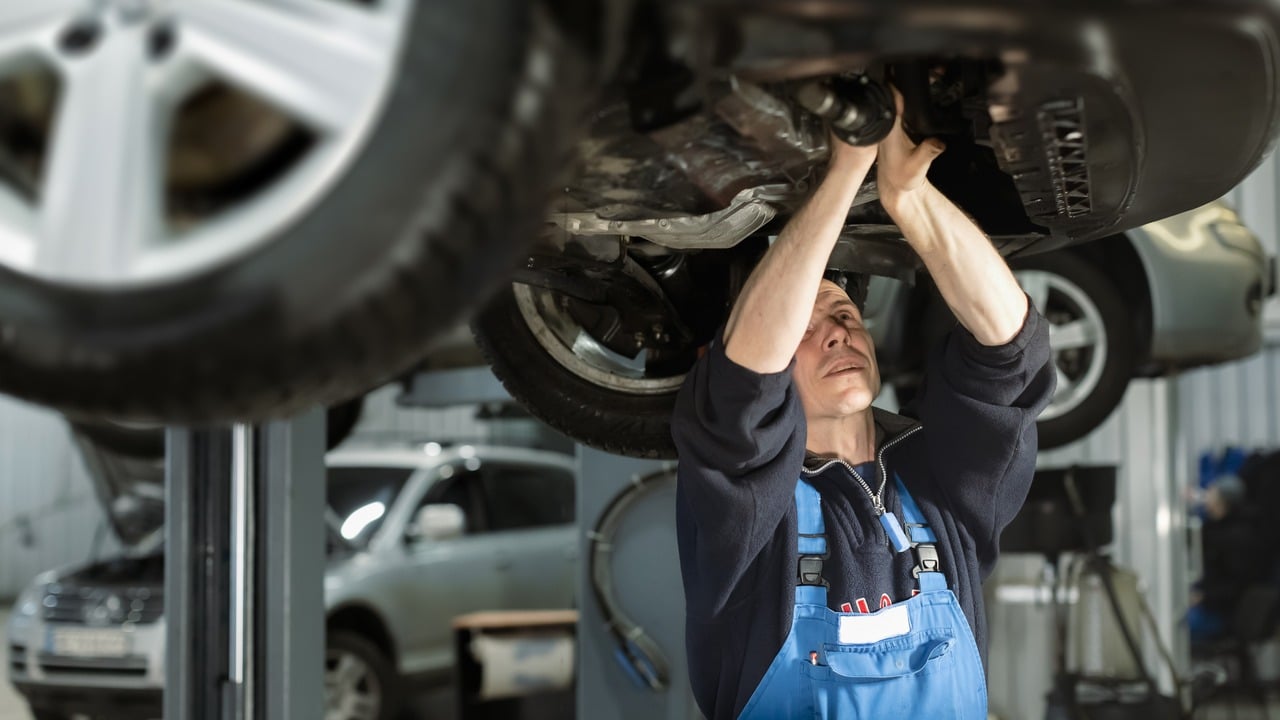
Despite the financial strain many consumers are facing, mechanics continue to emphasize that preventive maintenance remains far cheaper than major mechanical repairs. Repair shops interviewed in the NBC report encouraged drivers to focus on the most critical services first if budgets are tight rather than skipping maintenance entirely.
Industry professionals also stressed the importance of building relationships with trusted repair facilities that can help prioritize urgent repairs and develop realistic maintenance plans over time.
For many Americans, keeping an older vehicle on the road has become a financial necessity rather than a choice. That reality makes maintenance even more important as consumers attempt to avoid costly breakdowns while stretching the lifespan of vehicles they may not be able to afford replacing anytime soon.
As ownership costs continue climbing, the automotive industry may face a growing divide between drivers who can stay ahead of preventative maintenance and those forced to gamble on pushing their vehicles a little further between service visits.