A city trip can start before the first museum, tour, or dinner reservation. Sometimes you leave the station, cross a bridge, see a river curve around the old center, and the place already has you.
The cities below are good for that kind of arrival. They have proper sights, but they do not make you chase the whole day. One square, one castle, one lakefront, one fortress, or one river walk can give you enough to begin.
After that, the best move is usually simple: walk a little farther, stop for coffee, look up at the buildings, follow the water, or choose one museum instead of five. These are places where the first good corner often leads to the next one.
For a short trip, that matters. You want enough culture and scenery to feel like you went somewhere, but not so much planning that the city starts feeling like work.
1. Besançon, France
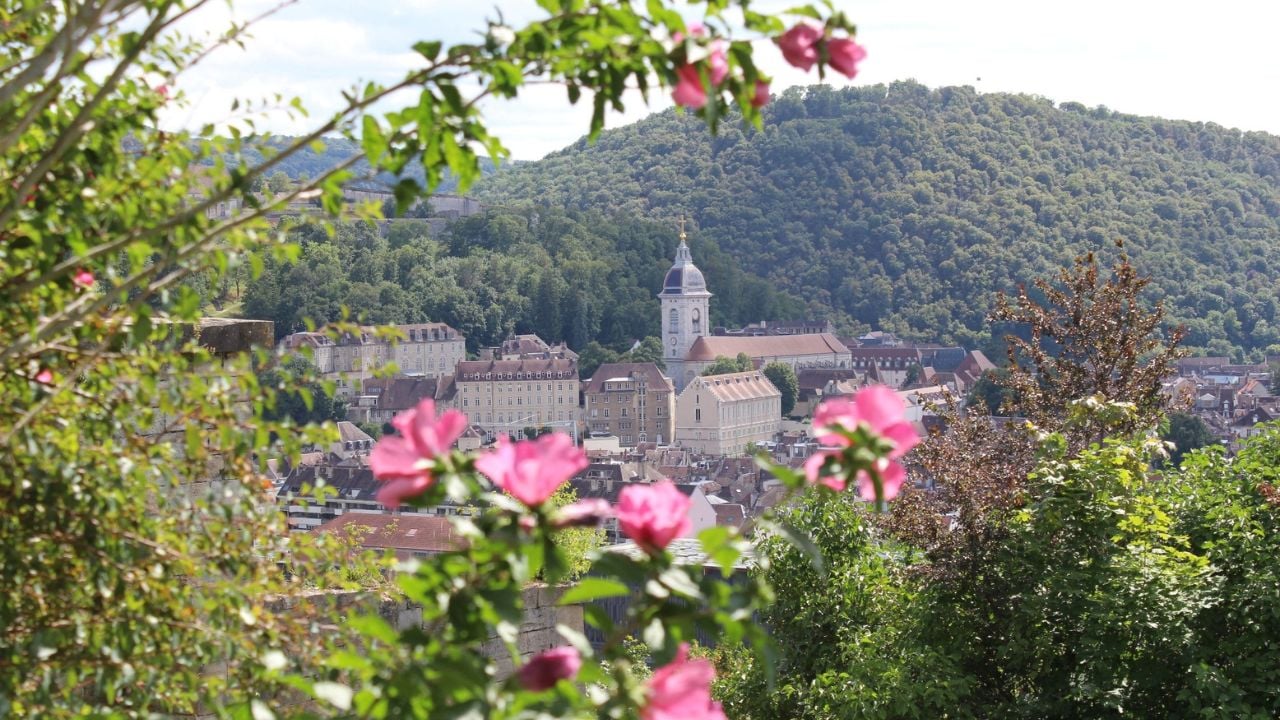
Besançon is the kind of city where the map already looks interesting. The historic center sits inside La Boucle, an almost perfect loop of the Doubs River, with the Vauban Citadel rising above it. You can understand the city better from a bridge than from a brochure: water around the old core, hills close by, and stone streets tucked inside the bend.
Besançon Tourism describes La Boucle as the historic heart of the city, coiled in a meander of the Doubs and dominated by the Vauban Citadel. Start there. Walk the river edge, cross one of the bridges, and let the city slowly tighten into its old center.
The citadel is the big climb and the big reward. Its official site calls it a Vauban masterpiece and a UNESCO World Heritage Site, now home to three museums with the “Musées de France” label: the Musée comtois, the Museum of Resistance and Deportation, and the Museum with its animal and biodiversity exhibits.
Do not treat the citadel like one quick viewpoint. Give it a proper part of the day. The walls, the city below, the river loop, and the museums all belong together. You see the geography first, then the history starts making more sense.
Afterward, come back down into La Boucle for something easier: a café, a street with old facades, a river walk, or a slow look back at the hill you just climbed. Besançon is strongest when the water and the citadel stay in the same picture.
2. Cēsis, Latvia
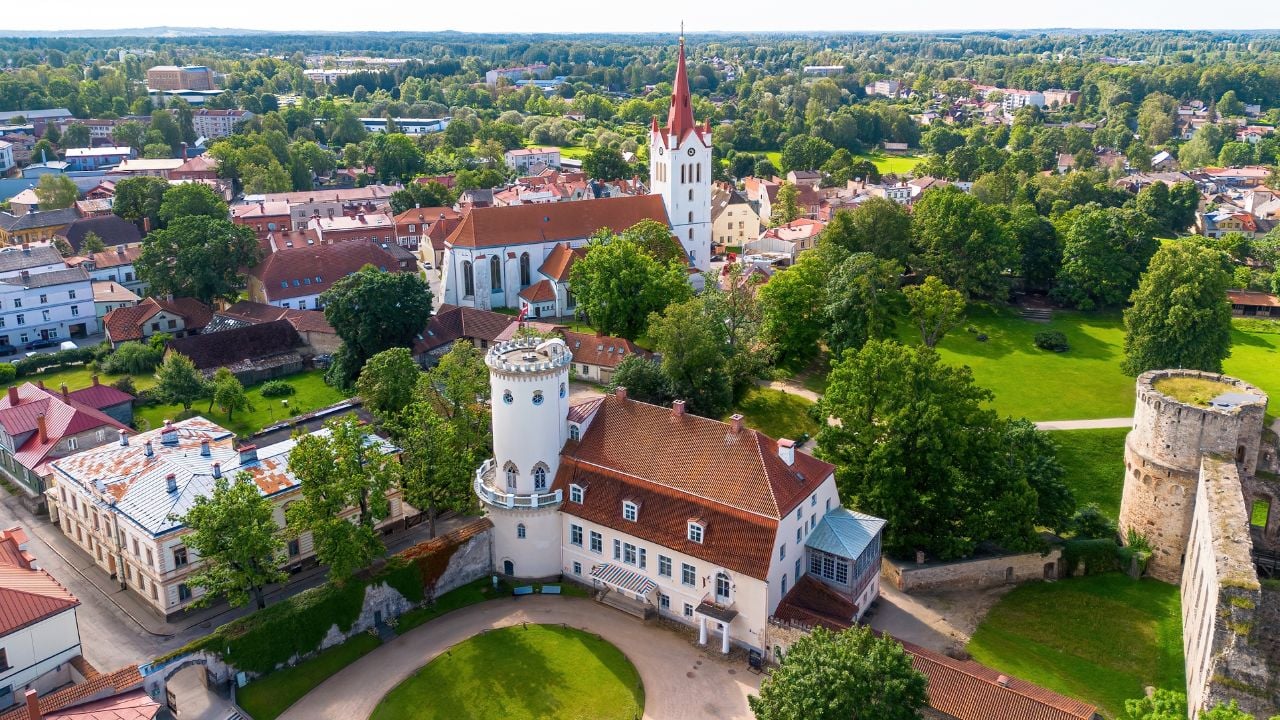
Cēsis feels small at first, then it keeps giving you reasons to stay longer. There is the castle, the old town, the park, the Gauja Valley nearby, and enough quiet streets to make walking feel like the right plan instead of the backup plan.
Latvia Travel says Cēsis has more than 800 years of history and is one of the best-preserved medieval cities in the Baltics. That history is easiest to feel around the castle complex, where stone ruins, green space, and the old town sit close together.
Start with the castle area. Walk around the ruins, look at the towers and walls, then let the park slow the visit down. Cēsis does not need to hit you with one giant landmark. It works better as a sequence of small scenes: old stone, trees, paths, quiet streets, and cafés waiting close by.
The setting helps too. The town sits near Gauja National Park, so the day does not have to stay fully urban. You can spend the morning with medieval history and the afternoon with forest paths or valley scenery without feeling like you have switched to a different trip.
In summer, the castle and park area can feel especially alive when events or performances are on. Even without that, Cēsis has the kind of old-town calm that rewards slow walking: one more lane, one more view of the castle, one more coffee before leaving.
3. České Budějovice, Czechia
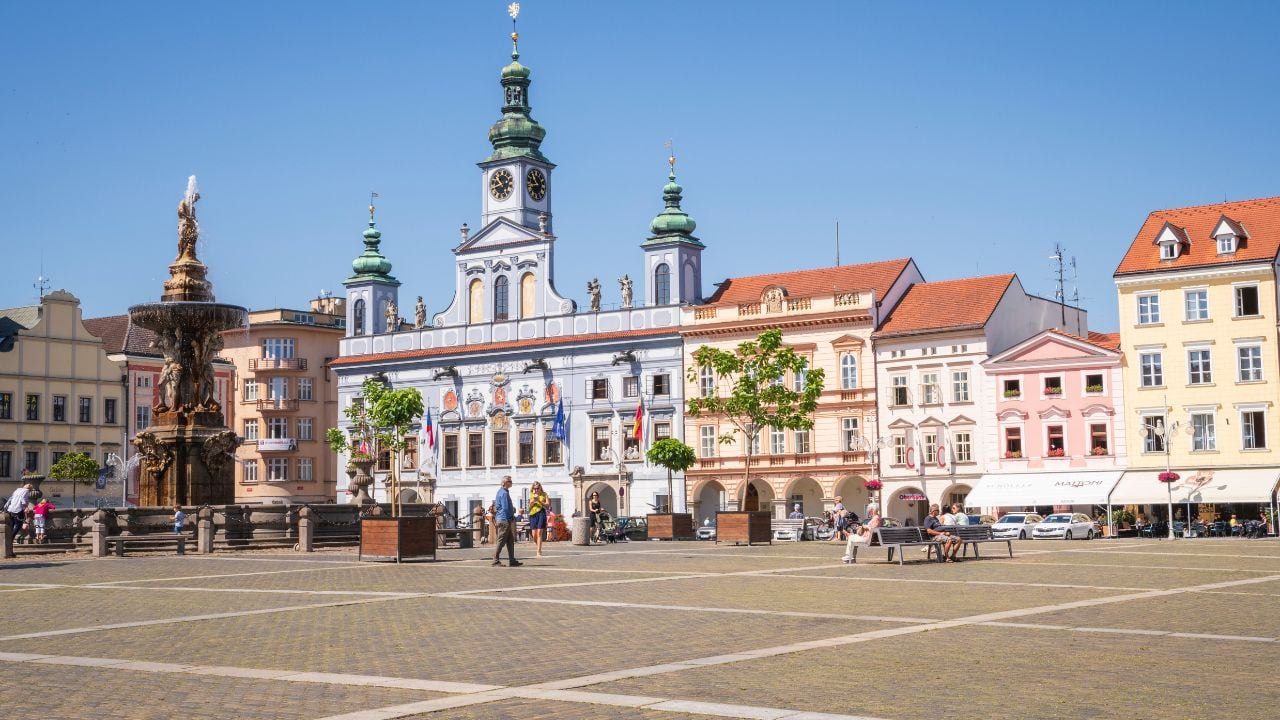
České Budějovice gives you one of the easiest city-break starts in Czechia: walk into Přemysl Otakar II Square and stop for a moment. The square is huge, regular, open, and framed by old buildings, so the whole city seems to arrange itself around that first look.
The official tourist portal says Přemysl Otakar II Square has an almost regular square plan, covers more than one hectare, and is one of the largest square-shaped squares in the Czech Republic. That scale is not just trivia. You feel it when you stand in the middle and the facades sit back from you on every side.
Samson’s Fountain gives the square its central detail. The city’s tourism portal says the baroque fountain was built between 1720 and 1727 after the Thirty Years’ War, and that its stone reservoir has a diameter of 15 meters, making it one of the largest in the country.
The best way to use the city is not complicated. Start in the square, circle the arcades and surrounding streets, stop for coffee or beer, then come back through the square later when the light has changed. A place like this does not need a dramatic route every hour.
České Budějovice also works well as a slower base in South Bohemia. The square gives you the first impression, but the side streets, pubs, river walks, and day-trip options nearby are what make it feel like more than a quick stop between better-known Czech towns.
4. Aosta, Italy
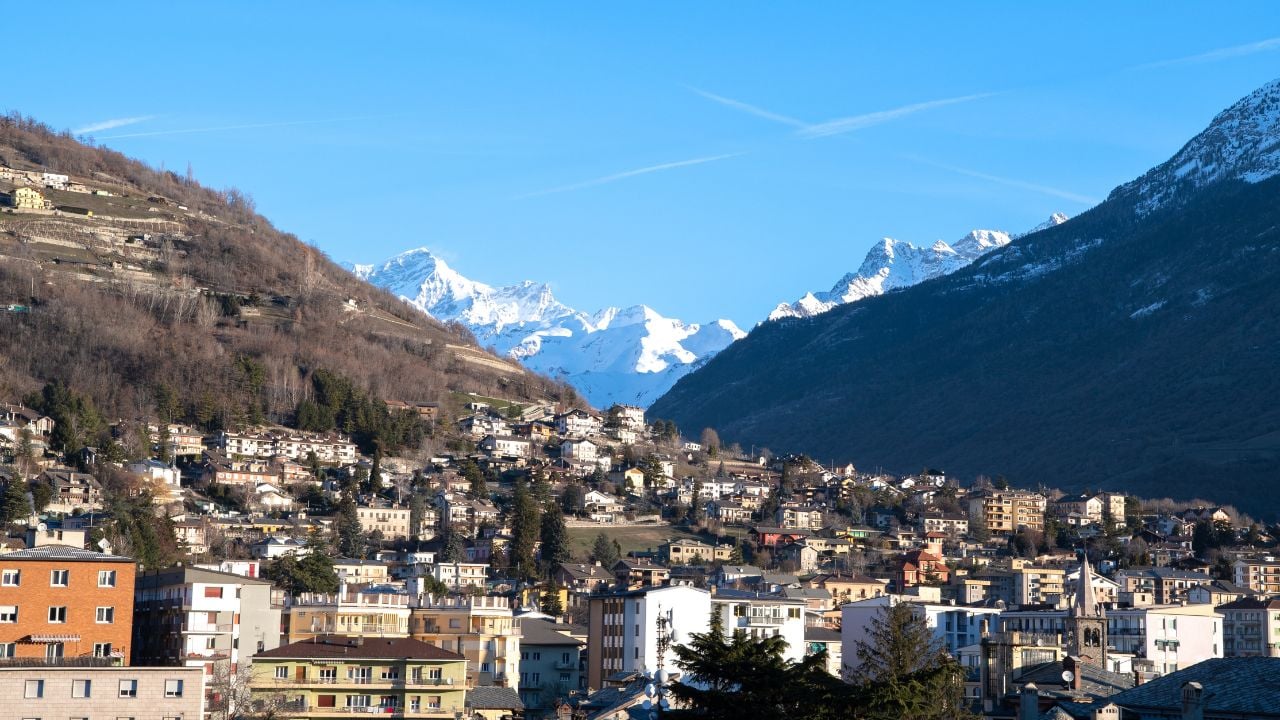
Aosta puts Roman stone and Alpine scenery in the same walk. One moment you are looking at ancient walls and arches; the next, the mountains are sitting behind the town like they have been waiting for you to notice them.
Italia.it says Aosta’s Roman theatre was built during the time of Augustus and could hold more than 3,000 spectators. It is the kind of ruin that changes the feel of the whole center because it does not sit far away in a field. It belongs to the city you are walking through.
The Aosta Valley tourism site suggests a classic walking route through the historic center of about four kilometers, taking roughly half a day on foot. The route follows the ancient Roman colony of Augusta Praetoria, with medieval corners adding another layer.
That is exactly how Aosta should be done: slowly and on foot. Walk between Roman remains, old streets, church corners, cafés, and mountain views. Do not rush the route just because the center is manageable. The pleasure is in the contrast between the ancient city and the Alpine air around it.
Leave space for a long lunch or a late-afternoon wander. Aosta is not only a Roman-history stop and not only a mountain base. It is both at once, and that is what makes a short stay feel different from a standard Italian city break.
5. Lappeenranta, Finland
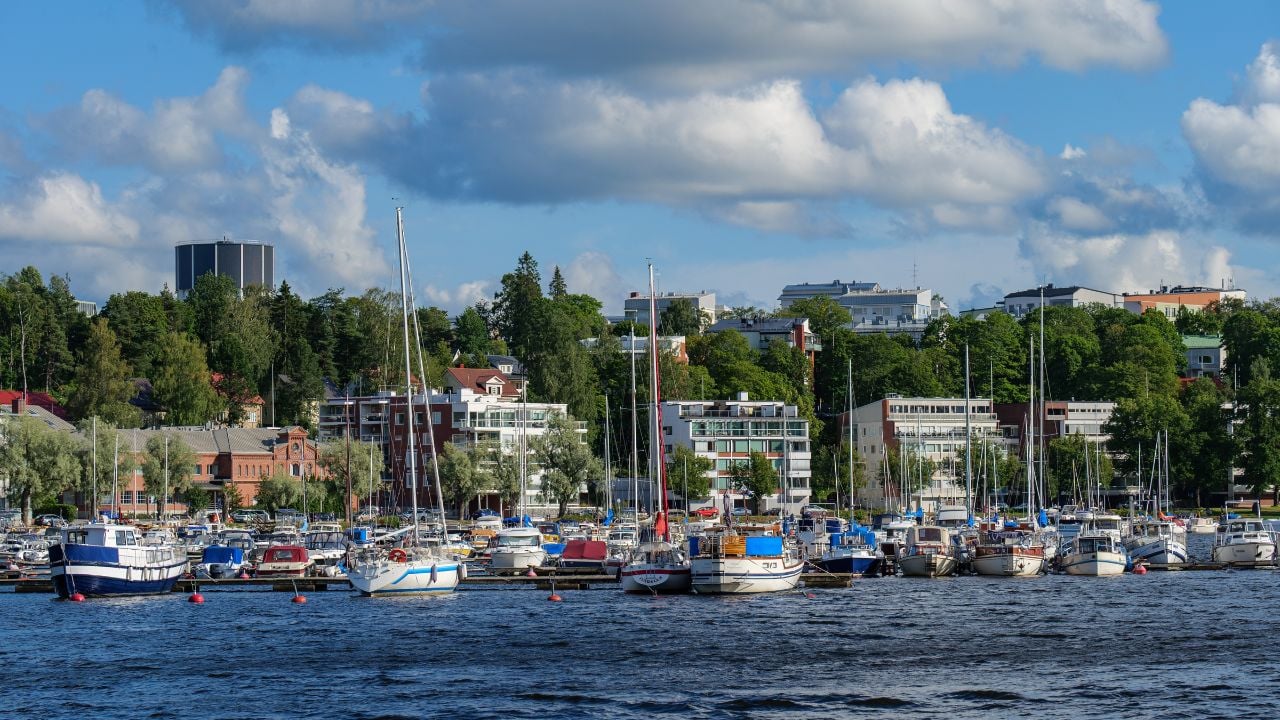
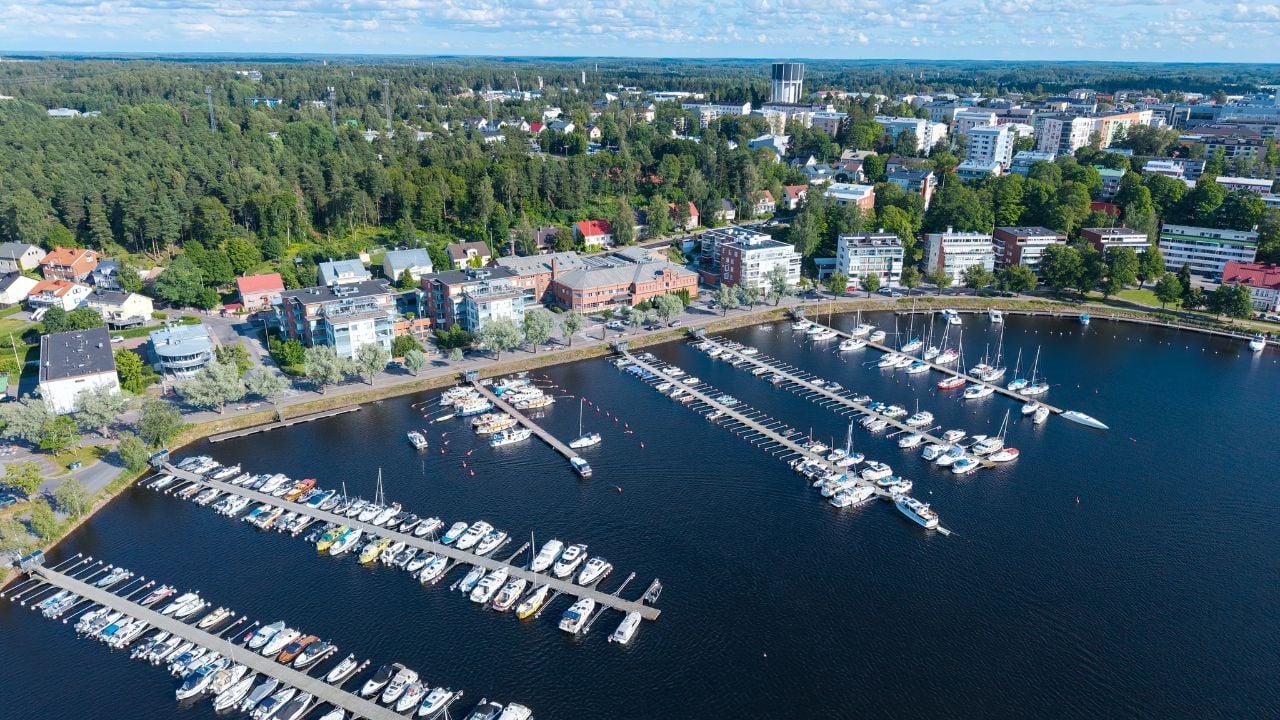
Lappeenranta is best when you start near the harbor. Lake Saimaa is right there, the boats give the city a holiday feeling, and the fortress area sits close enough that history and waterfront life belong to the same walk.
Visit Lappeenranta describes the fortress as part of Finnish, Russian, and Swedish cultural heritage. It hosts museums, an Orthodox church, artisan shops, and several historic buildings, including structures from the late 18th century and wooden buildings from the late 1800s.
The fortress is not a heavy monument that pulls you away from the lake. You can walk through it, stop for coffee at Majurska House, look into local craft shops, and then drift back toward the harbor. That closeness is what makes Lappeenranta easy to enjoy.
In summer, the harbor becomes the liveliest part of the visit. Visit Lappeenranta says cruise ships sail from the harbor to Lake Saimaa, while the same area includes the Sandcastle, concerts, cafés, and summer activity. The Sandcastle is rebuilt every summer near the fortress and harbor, with a changing theme and free entry to the area.
A good day here does not need to be clever. Walk the fortress, eat or drink near the harbor, take a cruise if the weather is right, and stop by the Sandcastle if you are visiting in summer. Lappeenranta feels light because the lake is always close enough to pull the day outside.
6. Maribor, Slovenia

Maribor is easiest to enjoy along the Drava River. Walk through Lent, the old riverside district, and the city starts showing its best pieces: bridges, red roofs, cafés, wine history, and the kind of riverbank that makes you slow down without thinking too much about it.
Slovenia’s official tourism site says the heart of Maribor’s Lent district is home to the oldest grapevine in the world, more than 450 years old. That is the detail people remember, and for once it is not hidden in a museum. It grows on a building in the old part of the city.
The Oldest Vine House gives the story a proper setting. Its official site says the world’s oldest grapevine grows on the city promenade along the Drava, surrounded by cafés, restaurants, museums, and cultural venues. That makes it easy to build the visit around a walk rather than a formal tasting schedule.
Do the vine, then stay by the river. Sit for coffee or wine, cross a bridge, look back at the old town, and let the day stay loose. Maribor’s wine story feels better when it is tied to the actual street, the promenade, and the Drava moving beside it.
The city has more than one layer, of course: old squares, hills nearby, food, festivals, and the wider wine region. But for a short trip, Lent is the place to begin. A river walk, the oldest vine, a glass of local wine, and a slow evening by the water are more than enough to make Maribor feel worth the stop.