Your car’s engine depends on tight tolerances, high pressure, and controlled combustion. Inside each cylinder, the air and fuel mixture burns, pushes the piston, turns the crankshaft, and sends power through the drivetrain.
That combustion chamber has to stay sealed. If pressure escapes past the piston, the engine loses power. If oil enters the chamber, the engine can start burning oil. Piston rings are the small parts that help prevent both problems.
Why Piston Rings Matter
Most car engines have one piston in each cylinder, and each piston usually has three rings. These rings sit in grooves around the piston and seal the space between the piston and the cylinder wall.
Their job is simple to explain, but extremely important. Piston rings help keep combustion pressure in the cylinder, control the oil film on the cylinder wall, and reduce friction as the piston moves.
The top two rings mainly handle compression. The lower ring controls oil. Each ring has a different design, so they are not interchangeable.
How The Compression Rings Work

The top ring is usually called the compression ring. It seals the gap between the piston and cylinder wall so pressure stays inside the combustion chamber.
That pressure is what allows the engine to make power. Before the spark plug ignites the air and fuel mixture, the piston compresses it into a small space. When combustion happens, the expanding gases push the piston down.
The second ring helps support that seal. It also helps keep oil from moving upward into the combustion chamber, since the oil control ring alone cannot do that job completely.
What The Oil Ring Does
The lowest ring is the oil control ring. Its job is to leave a thin, even layer of oil on the cylinder wall so the piston and rings can move smoothly.
At the same time, it scrapes away excess oil. That helps stop too much oil from reaching the combustion chamber and burning with the air and fuel mixture.
This is one reason proper oil viscosity matters. The wrong oil, dirty oil, or neglected oil changes can make it harder for the rings to control lubrication and protect the cylinder walls.
Signs Of Worn Piston Rings

Worn or damaged piston rings usually show up through loss of power and increased oil consumption. When the seal weakens, compression can escape, and oil can pass into the combustion chamber.
Blue exhaust smoke, a burnt oil smell, rough running, and weaker acceleration can also be warning signs. These symptoms often appear gradually as the engine wears over time.
Piston rings also help transfer heat from the piston to the cylinder wall. If burned oil creates carbon deposits around the rings, sealing and heat control can become worse.
Why Replacement Is Difficult
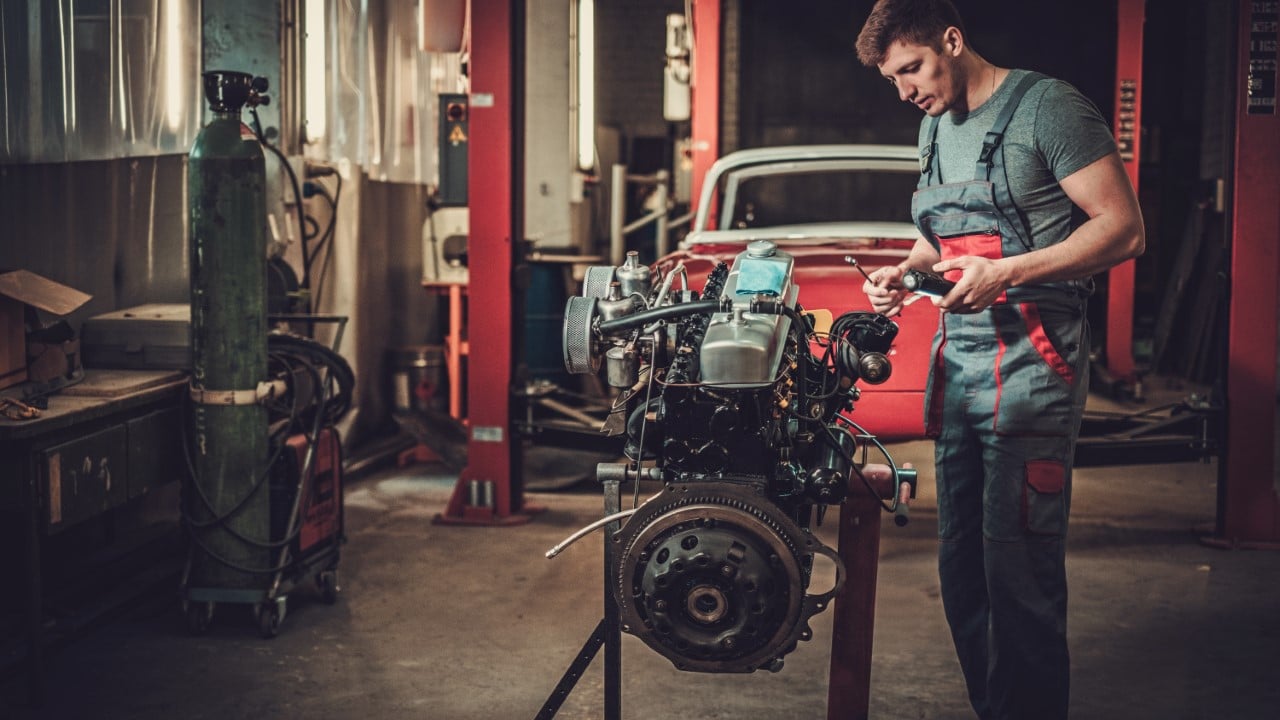
Replacing piston rings is usually a major repair. In many engines, the pistons have to be removed, which means significant engine disassembly.
The good news is that piston rings are built from durable, heat-resistant materials. With proper maintenance, suitable engine oil, and normal driving, they can last a long time.
Piston rings are small, but they do essential work. They keep compression inside the cylinder, control oil, help manage heat, and allow the engine to turn combustion into smooth, usable power.
This article originally appeared on Autorepublika.com and has been republished with permission by Guessing Headlights. AI-assisted translation was used, followed by human editing and review.