Culture trips do not need to feel like school trips with better food. The best ones give you something interesting to see, then let you step back outside for a river walk, a café, a market hall, a park, or a view that clears your head before the next stop.
That is the kind of city break these six places offer. You can visit a serious museum, stand inside an old church, look at design, porcelain, digital art, or industrial history, and still have a day that feels like travel instead of homework.
The trick is not to do everything. Pick one proper cultural stop, then let the city around it do the rest: the water, the streets, the food, the old buildings, the public squares, the parks, and the places where locals are just living their day.
These cities have enough culture to make the trip feel meaningful, but they also give you room to breathe between the important parts.
1. Linz, Austria
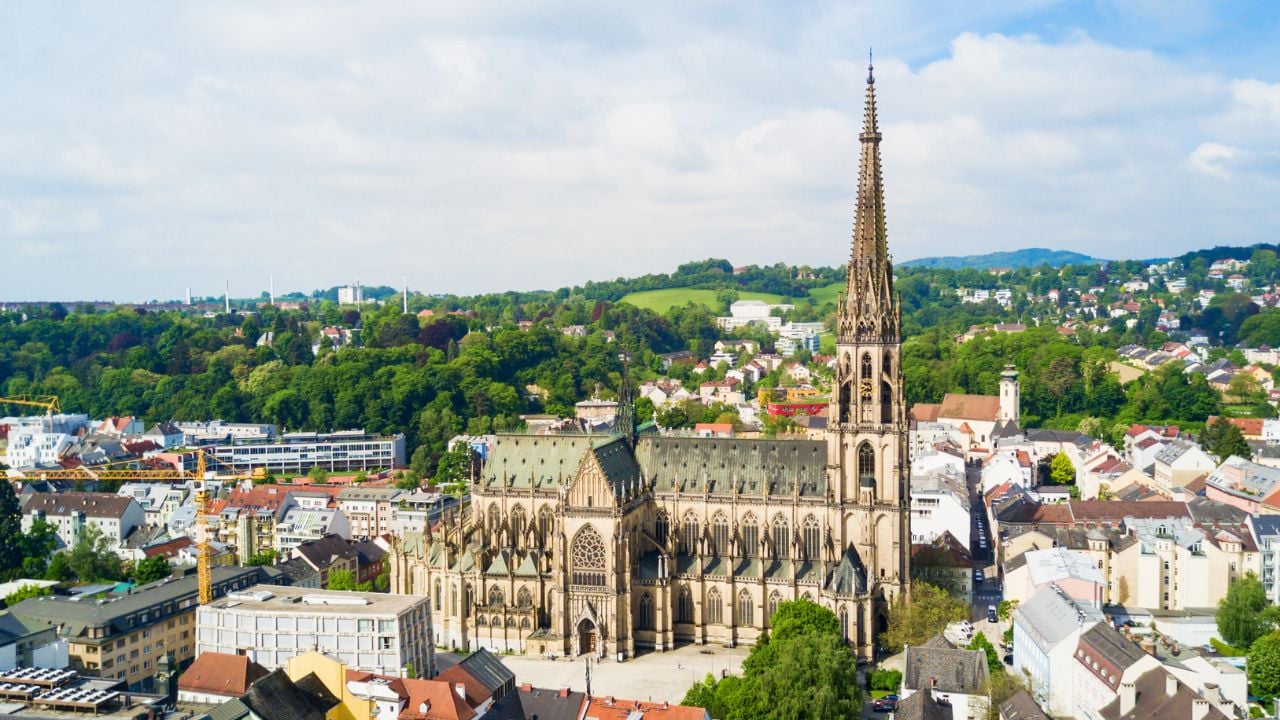
Linz is a good choice when you want culture that does not begin and end with old paintings and quiet rooms. Start near the Danube and you already get the city in a more open way: water, bridges, modern buildings, old streets, and enough space to walk before stepping into anything serious.
The city has a strong digital-art story. Linz Tourism says Linz was accepted into the UNESCO Creative Cities Network in December 2014 and now carries the title UNESCO City of Media Arts. The same source points to the Ars Electronica Center, the annual Ars Electronica Festival, Tabakfabrik, and the independent creative scene as part of that identity.
The Ars Electronica Center is the stop that makes this feel real, not just like a label. Go there for technology, digital art, science, light, screens, interaction, and the kind of exhibitions where visitors are not just staring politely at objects behind glass. It feels more like walking through ideas than walking through a traditional museum.
After that, go back outside. Walk by the Danube, cross a bridge, sit for coffee, or head toward the old center and the New Cathedral. Linz works best when you let the futuristic side and the everyday city sit next to each other. One hour can be media art, the next can be river air and cake.
2. Dundee, Scotland
Dundee is not the kind of Scottish city break that depends only on castles, whisky, and old stone. Its cultural story is much more mixed: design, comics, video games, textiles, medical research, museums, and a waterfront that has changed the way the city feels to visitors.
Dundee City of Design says Dundee is the United Kingdom’s first and only UNESCO City of Design, a title connected to its design heritage, contemporary creative sector, and problem-solving spirit. Dundee City Council also links the city’s UNESCO recognition with comics such as The Beano and Dandy, video games, medical research, textile design, and V&A Dundee.
Start at the waterfront if you want the clearest first impression. V&A Dundee sits on Riverside Esplanade, and the museum describes itself as Scotland’s design museum. The building alone changes the mood of the area, with its sharp modern form sitting close to the River Tay.
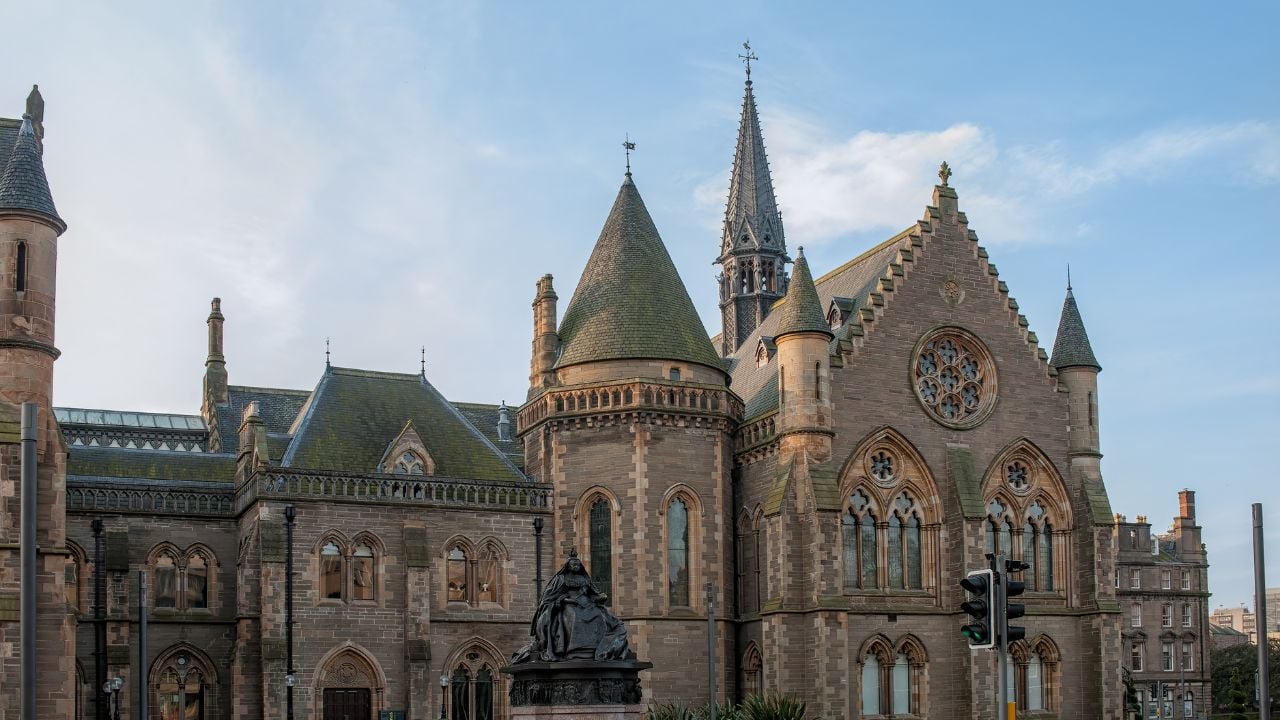
Then add The McManus if you want the more traditional Dundee layer. Its galleries, city history, and Gothic Revival building give the trip another kind of cultural stop, and it is easier to enjoy after you have already walked by the water and seen the modern design side of the city.
Dundee is strongest when you do not force it into one box. Do the waterfront, see V&A Dundee, walk to The McManus, then leave time for a café or pub instead of turning the day into a museum crawl.
3. Odense, Denmark
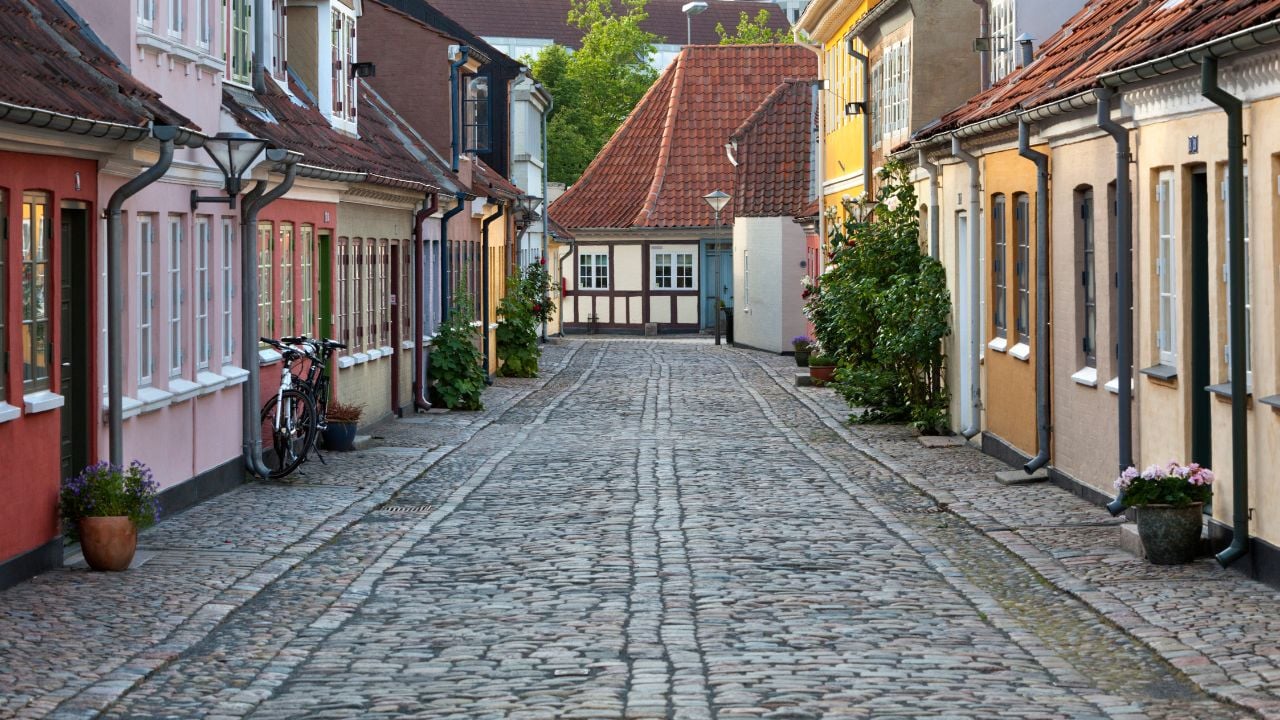
Odense is the kind of place where the cultural trip can start with a cobbled lane instead of a ticket desk. Old houses, small streets, garden corners, and Hans Christian Andersen references give the city a storybook feeling, but it still feels like a real Danish city rather than a theme park.
Hans Christian Andersen’s House is the obvious stop, and it should be. Visit Odense says two-thirds of the museum is underground and that it is surrounded by a fairytale garden, with flowers and small green environments in summer. That is a much better setup than a dry literary shrine.
The museum works because it gives Andersen’s world space to breathe. You move through architecture, garden, sound, light, and story instead of just reading panels until your eyes give up. It suits a traveler who wants culture, but still wants the day to feel alive.
Afterward, stay outside for a while. Walk the old streets, find a café, follow the river, or sit in a green space before deciding what comes next. Odense is best when the Andersen story is part of the day, not the whole day.
4. Hildesheim, Germany
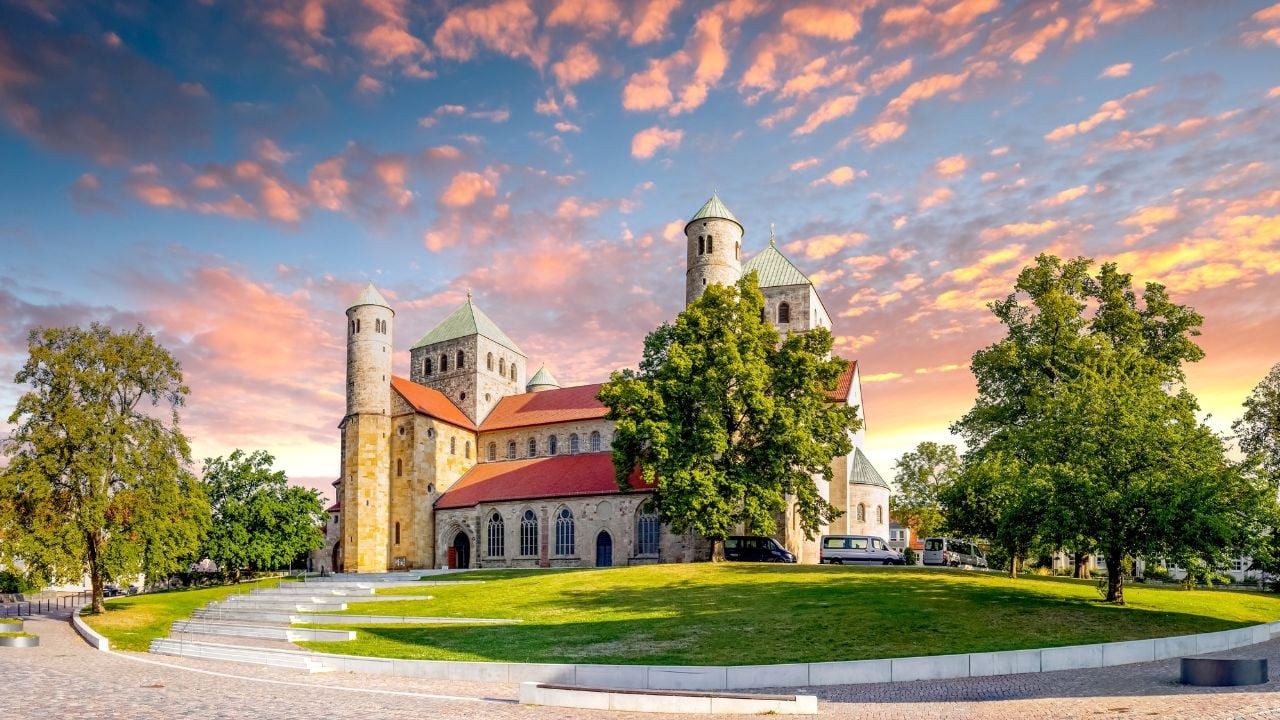
Hildesheim is good for travelers who want serious medieval history without the size and pressure of a major German city. The visit has two clear anchors: St. Mary’s Cathedral and St. Michael’s Church. You know what you came to see, but the city is still small enough that the day does not feel swallowed by logistics.
UNESCO describes St. Michael’s Church as one of the key monuments of medieval art, built between 1010 and 1022 under Bishop Bernward. St. Mary’s Cathedral and St. Michael’s Church together form the city’s World Heritage core, so this is not just another pretty church stop.
Start with St. Michael’s if you want the quieter, more powerful first impression. The scale, symmetry, pale walls, and Romanesque structure make the building feel calm but not plain. It has the kind of stillness that makes people lower their voices without needing a sign to tell them.
Hildesheim Tourism offers a two-hour guided World Heritage tour covering St. Michael’s Church, St. Mary’s Cathedral, and the Cathedral Museum. That is a good way to keep the visit focused instead of spending the whole day wondering what you missed.
After the churches, go back into town for the market square, coffee, or a slow walk. Hildesheim has heavy history, but it does not need to become a heavy trip.
5. Limoges, France
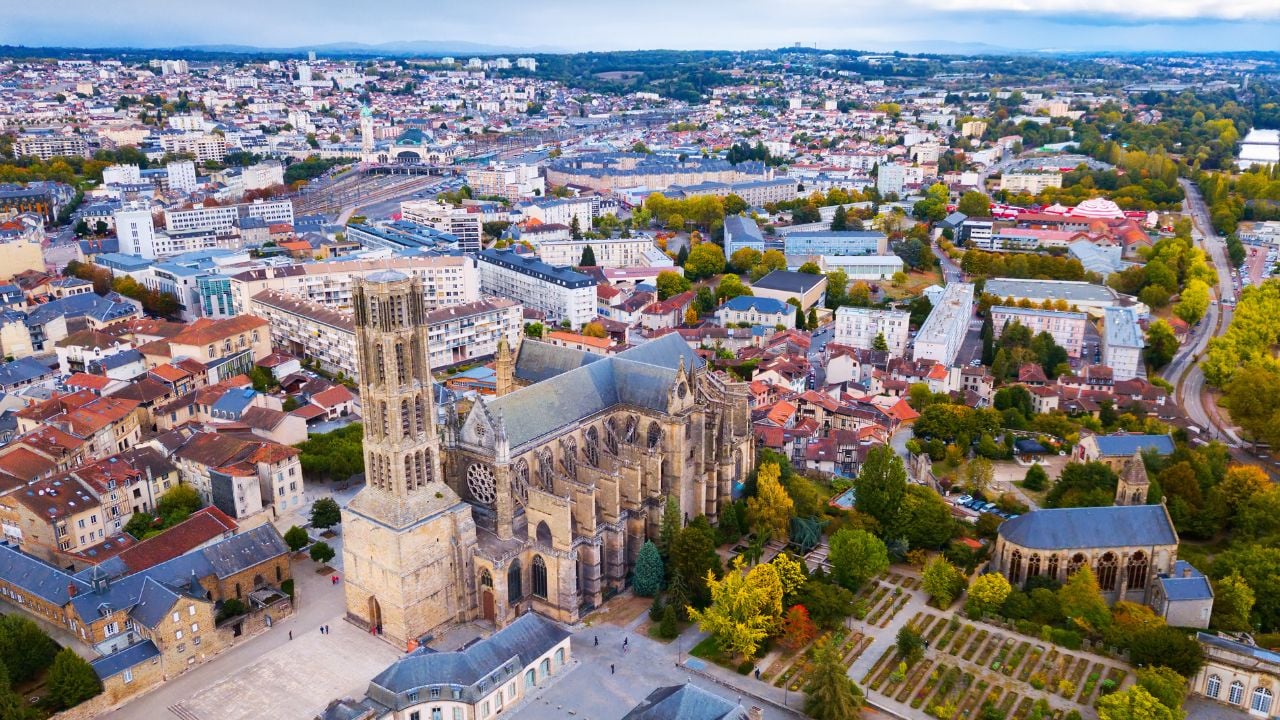
Limoges is a good reminder that culture is not only paintings, palaces, and grand monuments. Here, the story is clay, fire, porcelain, enamel, glass, workshops, factories, museum cases, and the skill of making beautiful objects by hand.
UNESCO describes Limoges as internationally recognized as the French capital of ceramic arts, with nine centuries of creativity in ceramics, enamel, and glass-making. It also notes that the discovery of kaolin near Limoges in the 18th century helped establish the city’s porcelain reputation.
The Adrien Dubouché National Museum is the natural place to start. The museum explains that kaolin was found in 1768 at Saint-Yrieix-la-Perche, near Limoges, and that the first manufactory was founded in 1771. That one discovery changed the city’s future.
Inside the museum, the story becomes easier to understand because porcelain stops being just “nice white dishes.” You see material, technique, decoration, industrial history, and artistic ambition all at once. It is craft, but it is also science, labor, business, and taste.
Then go outside and let Limoges loosen up again. Walk the old streets, stop for coffee, look for ceramic details in shop windows, or head toward the cathedral area. The city’s culture is strongest when you see both sides: the museum pieces and the living craft identity around them.
6. Tampere, Finland
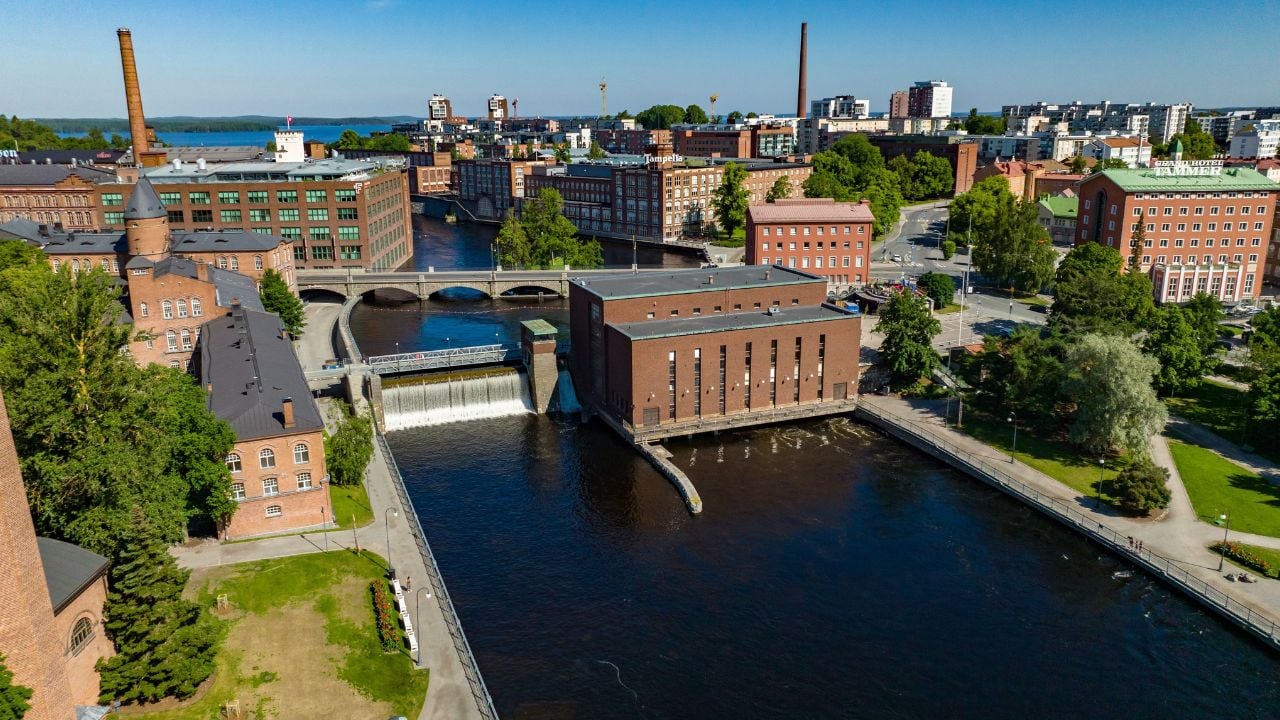
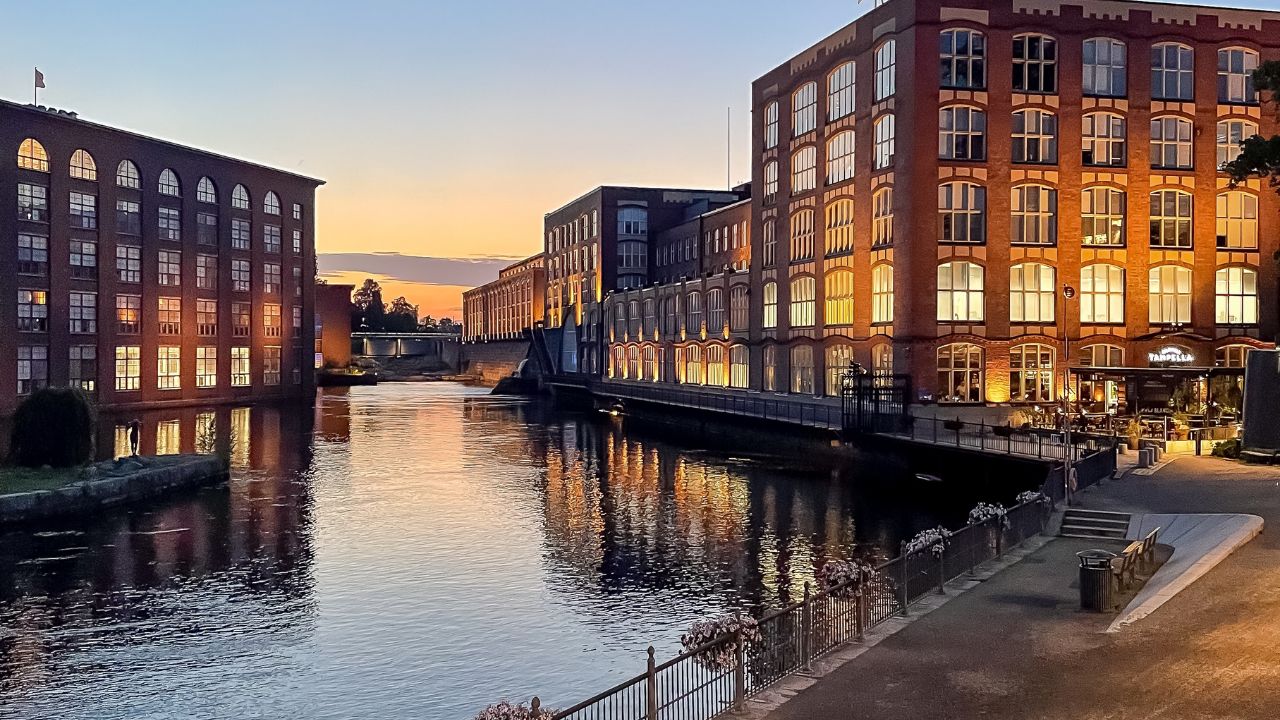
Tampere gives culture a very Finnish setting: lakes, red-brick factory buildings, public saunas, museums, water, and enough fresh air to keep the trip from feeling trapped indoors. Start near Tammerkoski, where the old industrial buildings and the water immediately show why the city looks different from a polished capital break.
Visit Finland describes Tampere as a mix of Lakeland charm and urban Nordic culture, with public saunas, cultural events, old red-brick industrial buildings, and the Tammerkoski River running through the city. That is the best way to understand it: not one cultural landmark, but a whole setting built from water, brick, and everyday Finnish life.
Pick a museum, but do not make the whole day about museums. Visit Tampere says the city is known for stunning views, public saunas, quirky museums, and family-friendly experiences. That gives you permission to keep the day varied: one exhibition, one walk, one sauna, one meal.
The sauna part is not a side note here. Visit Finland calls Tampere the sauna capital of the world and says there are more than 70 public saunas in the region. That means culture does not only happen behind museum doors. It happens in steam, lake air, wooden benches, cold dips, and the very Finnish habit of treating heat and water as part of normal life.
For a short trip, that mix is hard to beat. Walk the old factory area, visit a museum, sit by the water, then end the day in a sauna instead of another gallery. Tampere makes culture feel physical, social, and relaxed, which is exactly why it works for travelers who hate stiff itineraries.