If you have ever bought a used car, you already know the anxiety that comes with it. Is the engine really as solid as the seller claims? Did someone smoke in it? Is that “minor fender bender” hiding something worse? But there is one concern that does not always make the checklist, and it probably should: is the mileage on that odometer even real?
A case out of Cobb County, Georgia is putting that very question front and center. According to WSB-TV, a man now facing a warrant for his arrest allegedly sold used vehicles with odometers that had been deliberately rolled back, shaving tens of thousands of miles off the real numbers to make the cars look more valuable. One victim bought a van believing it had around 80,000 miles on it. The actual mileage? Closer to 180,000. That is not a rounding error. That is a 100,000-mile lie.
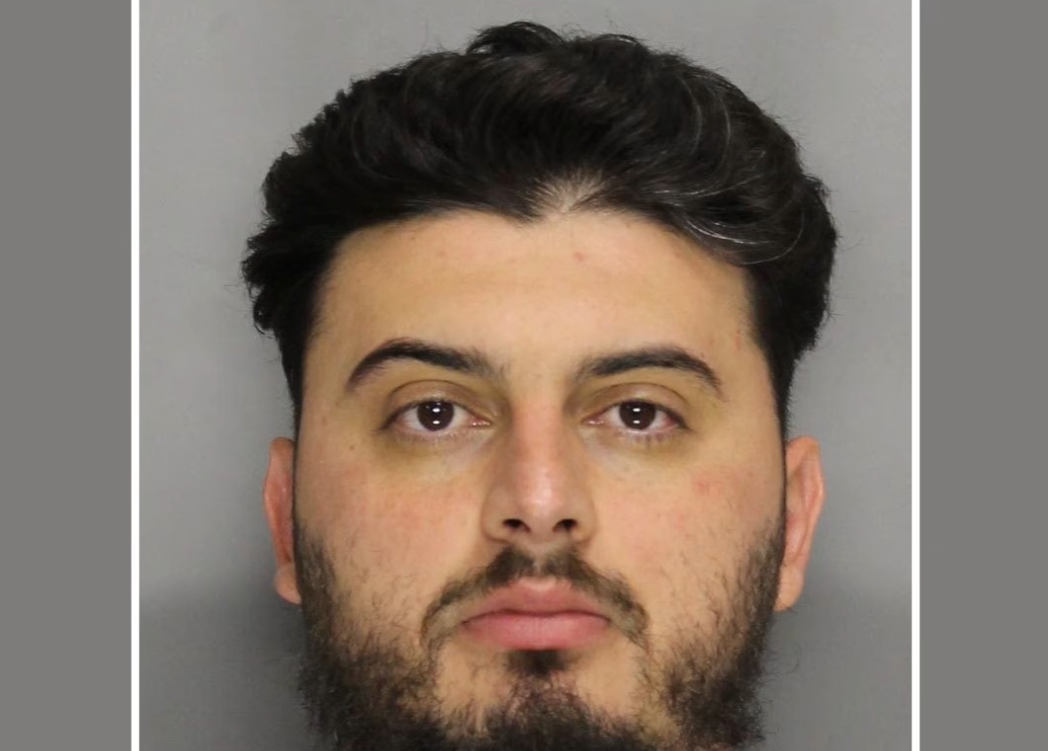
Albert Constantine is the individual named in connection with this case, and authorities say he did this to more than one buyer. WSB-TV spoke directly with a victim, who learned the hard truth only after the deal was done and the money had changed hands. By then, of course, the damage was already done, and the consequences for that buyer go far beyond feeling cheated.
This story is not just about one shady seller in one Georgia county. Odometer fraud is a nationwide problem that is actually getting worse, and the numbers behind it should make anyone currently shopping for a used car pump the brakes before signing anything.
What Is Odometer Fraud and Why Does It Matter So Much
Odometer fraud, sometimes called “clocking,” is exactly what it sounds like. Someone alters the mileage displayed on a vehicle to make it appear less driven than it really is. Fewer miles on the odometer usually means a higher price tag, better perceived reliability, and a faster sale. In other words, it is a straightforward lie told to extract more money from an unsuspecting buyer.
What makes it particularly damaging is how much mileage actually affects a car’s value and maintenance schedule. A vehicle with 180,000 miles on it needs different care, carries different risks, and commands a very different price than one with 80,000. When you do not know where a vehicle really stands, you cannot plan for upcoming repairs, you likely overpaid, and you may find yourself dealing with breakdowns far sooner than expected.
According to the National Highway Traffic Safety Administration, odometer fraud costs American car buyers more than one billion dollars every single year. That figure puts the Cobb County case in broader context. This is not a quirky local crime story. It is one thread in a very expensive national problem.
Odometer Fraud Is Surging Across the Country
Here is the part that should concern anyone shopping the used car market right now. The problem is not just widespread. It is growing fast.
New data from CARFAX shows roughly 2.45 million vehicles currently on U.S. roads are suspected of having had their odometers rolled back, a 14% jump from just the previous year. For comparison, the increase from 2023 to 2024 was only 4%. So the acceleration itself is alarming.
While digital odometers were once considered a safeguard, they have actually introduced new vulnerabilities. Mileage data is stored across multiple electronic modules in modern vehicles, and dishonest sellers can exploit weaknesses using widely available devices. The technology meant to protect buyers has, in some ways, made it easier for bad actors to manipulate things from a laptop.
CARFAX data shows that vehicles with a rolled-back odometer averaged a loss of around $3,300 in value for the buyer who got stuck with it. And that is before you account for unexpected repair bills when the car starts showing its real age.
This Is a Federal Crime With Serious Consequences
Rolling back an odometer is not just a civil dispute or a shady sales tactic. It is a federal crime.
Under Title 49 U.S. Code 32703, it is illegal to disconnect, reset, or alter a motor vehicle’s odometer to change the registered mileage. Criminal penalties can include fines of up to $250,000 and up to three years in federal prison. And because the law treats each vehicle as a separate violation, someone who pulls this scheme on multiple buyers is looking at stacked charges that compound quickly.
In Georgia specifically, clocking an odometer is a misdemeanor under state law, but the federal charge is a felony. Victims also have the right to pursue civil action for damages, which can be up to three times their actual loss or $1,500, whichever is greater. That means if you were defrauded, you may have more legal recourse than you realize.
Still, none of that gets your money back easily or quickly, and it certainly does not undo the headache. Prevention is always the better play.
What Buyers Can Learn From the Cobb County Case
The victim in the Cobb County case did nothing unusual. They went to buy a used van, the paperwork and odometer matched up, and they trusted what they saw. That is exactly how odometer fraud works. It is designed to look legitimate.
There are steps that can meaningfully reduce your risk before you ever hand over a check. Always pull a vehicle history report from a service like CARFAX or AutoCheck and cross-reference the mileage against every service record, inspection, and registration entry in the history. You can also check for potential odometer fraud directly by entering a vehicle’s VIN at carfax.com/odometer.
Beyond the paperwork, have an independent mechanic inspect the car before purchase. Look at the wear on the gas and brake pedals, the steering wheel, and the seat fabric. A vehicle with 80,000 miles should not feel like it has twice that many years of hard use on it. Inconsistent maintenance records showing higher mileage than the current odometer reading are also a red flag worth taking seriously.
And if something feels off? Trust that instinct. Albert Constantine’s victims trusted a number on a dashboard. In a market where 2.45 million vehicles may be hiding their real mileage, doing your homework is not overcautious. It is just smart.