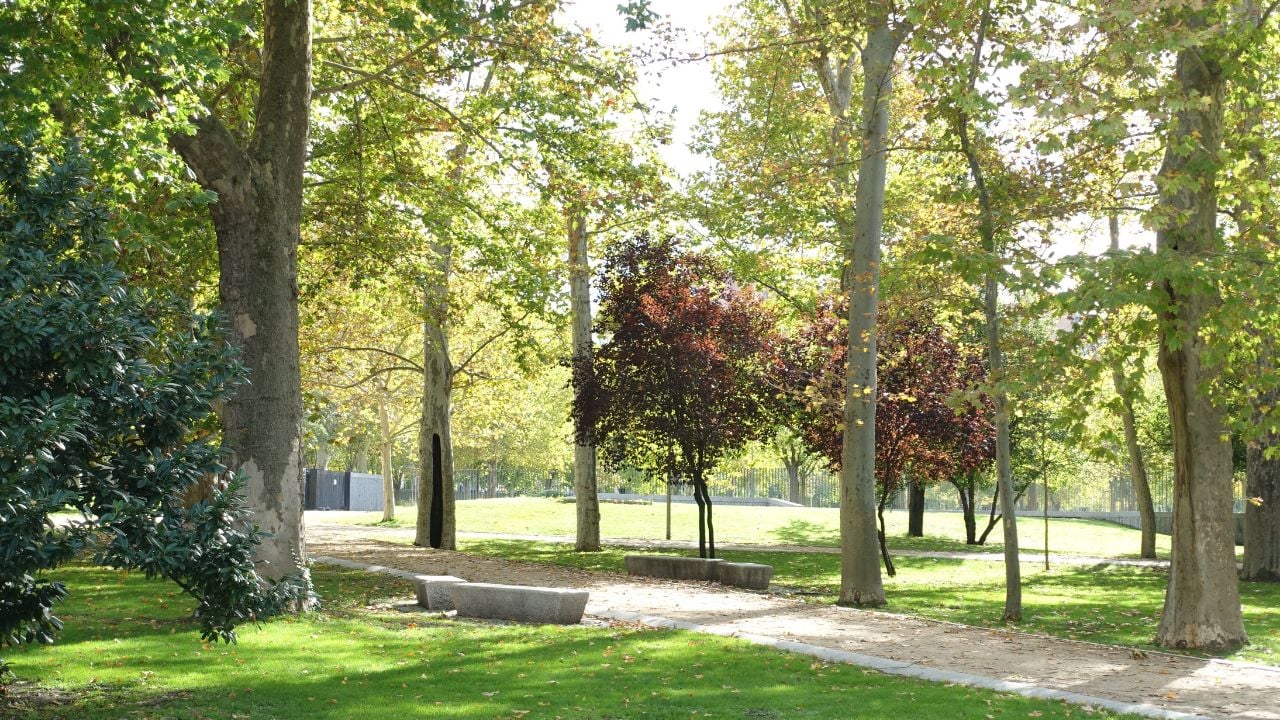
Some city breaks are better when you stop chasing the biggest landmark and start paying attention to the smaller parts. A shaded bench, a bakery window, a quiet lane, a canal terrace, or a square where people stay longer than they planned can do more for a weekend than another packed museum schedule.
These seven cities are good for travelers who like that kind of trip. They still have towers, churches, castles, museums, rivers, and old centers, but the best moments usually happen between the obvious stops.
You might climb one tower, sit by one canal, follow one narrow street, or stop in one square for coffee and realize the day is already working. That is the kind of city break this list is about.
The point is not to avoid sightseeing. The point is to choose places where the side streets, terraces, parks, and local routines are strong enough to carry the weekend too.
1. Mechelen, Belgium
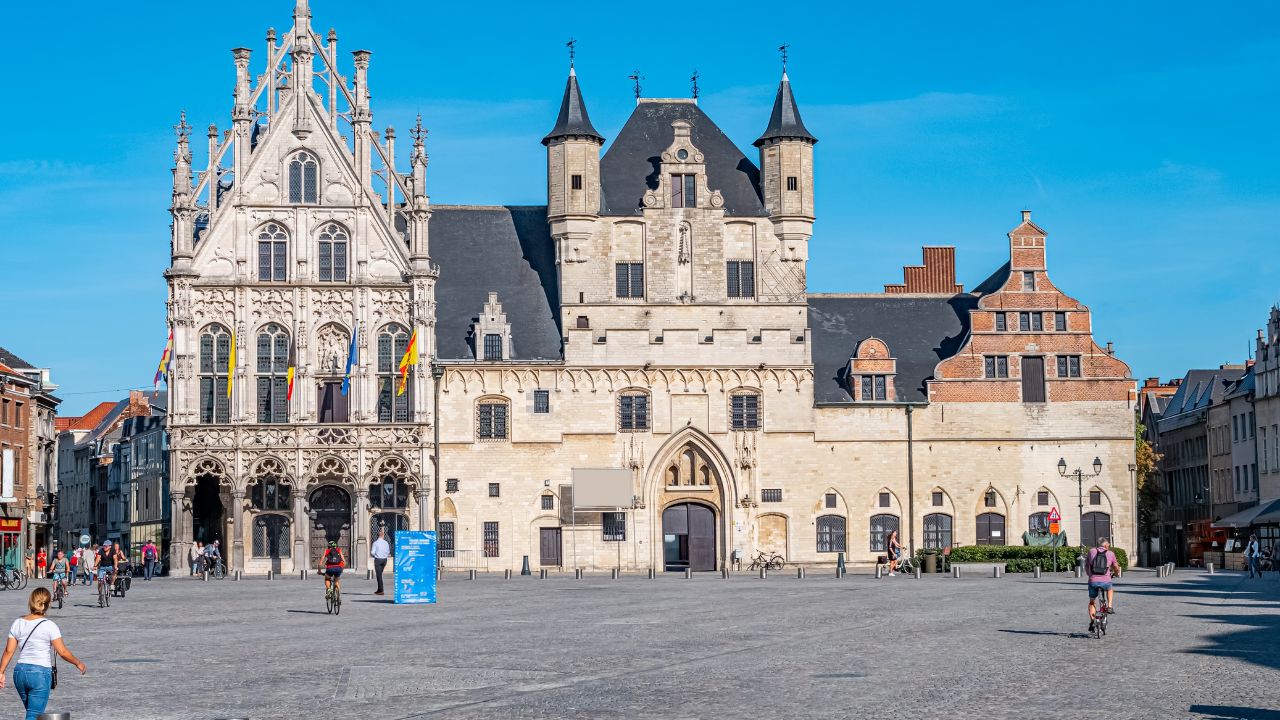
Mechelen is easy to like because it feels Belgian without making you fight the crowds of Bruges or Brussels. Start around the Grote Markt, where the city hall, stepped facades, café tables, and old stone give you the first proper look at the center. It is small enough that you can walk without thinking too hard, which is exactly what you want on a relaxed city break.
St. Rumbold’s Tower is the big landmark, and it is worth treating as more than a background photo. Visit Mechelen says the tower is 97 meters tall and has a skywalk at the top. The climb takes effort, but the reward is simple: rooftops, church spires, streets below, and a proper sense of where you are.
After the tower, Mechelen becomes more enjoyable at ground level. Walk slowly away from the main square, let the streets narrow, and look for the calmer corners near the water. This is where the city feels less like a postcard and more like somewhere people actually use every day.
A good afternoon here does not need much. A drink near the square, a bakery stop, a walk past old facades, and one quiet turn away from the busier streets can fill the day better than a forced route. Mechelen works because the distance between “main sight” and “nice little moment” is only a few minutes on foot.
2. Olomouc, Czechia
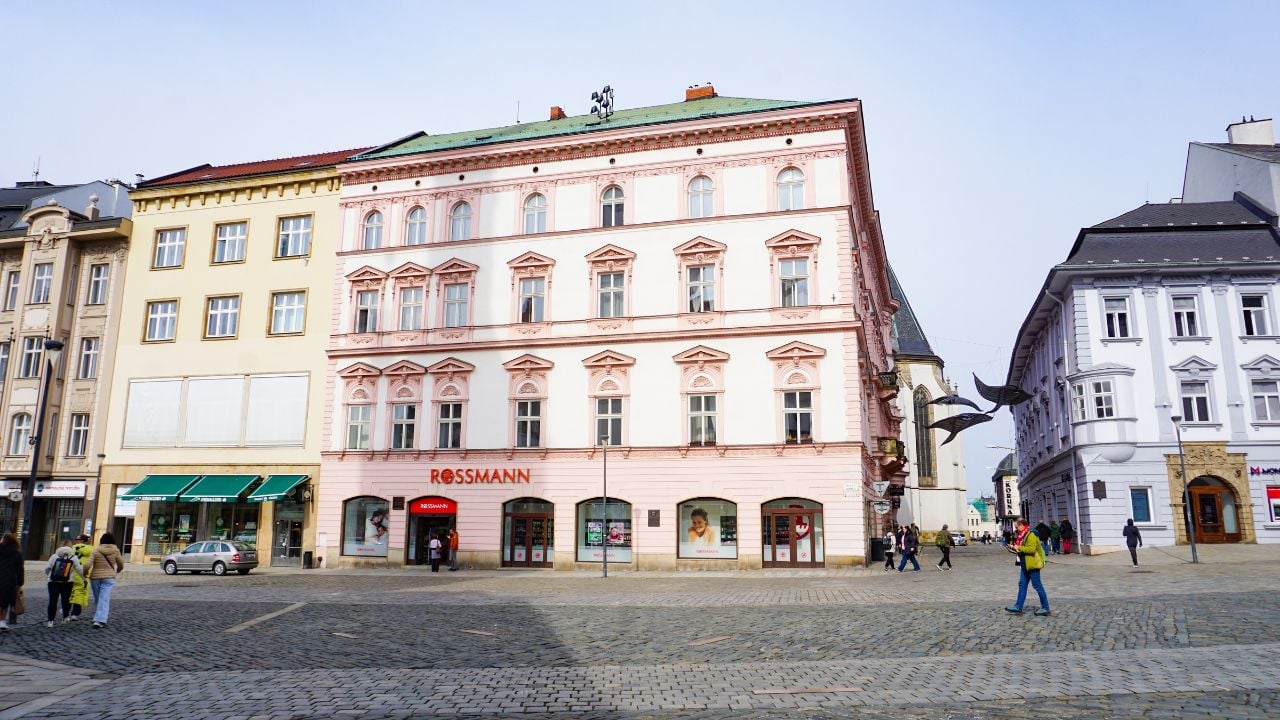
Olomouc gives you the Central European square, the old buildings, the students, the cafés, and the baroque drama without the feeling that half the continent arrived before you. Start on Horní náměstí, where the Holy Trinity Column rises in the middle of the city and the square gives you plenty of room to stand, look around, and decide where to go next.
The Holy Trinity Column is not just decoration for the square. Olomouc Tourism says it has been a UNESCO World Heritage Site since 2000 and describes it as the largest grouping of Baroque statues within a single sculpture in Central Europe. UNESCO also calls it an outstanding example of a Central European memorial column, built in the early 18th century.
Once you have seen the column properly, do not leave the center too quickly. Olomouc is the kind of place where the second hour is better than the first. Sit for coffee, watch people cross the square, then drift toward the smaller streets where the city starts feeling less grand and more personal.
The parks help too. Smetanovy sady, Čechovy sady, and Bezručovy sady form a green belt near the center, so you can break up the stone squares with trees, paths, and a quieter walk before dinner. That is the best version of Olomouc for a weekend: one impressive square, one slow café stop, one green walk, and no need to pretend you are in Prague.
3. Pistoia, Italy
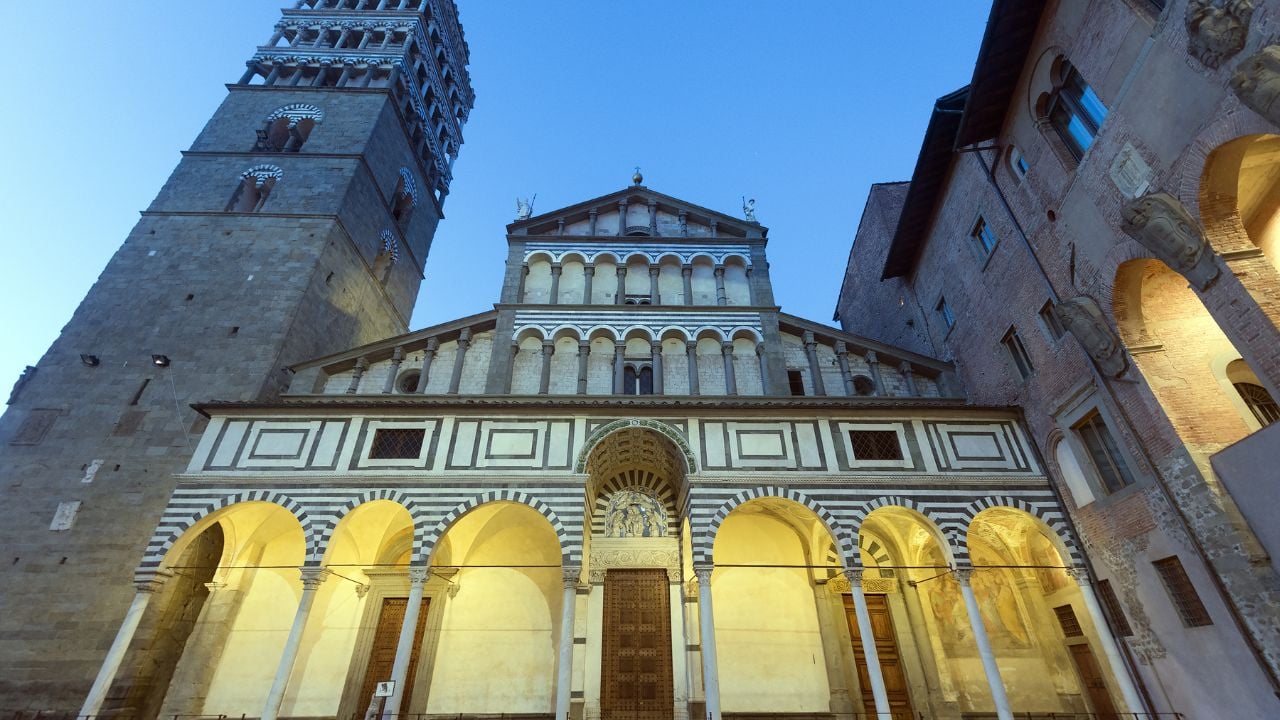
Pistoia is a good reminder that Tuscany does not begin and end with Florence, Siena, and Lucca. The city has the stone, the food, the churches, the warm evening light, and the old streets, but it does not feel like everyone is trying to take the same photo at the same time.
Start in Piazza del Duomo. Visit Tuscany says the square is overlooked by San Zeno Cathedral, the Palazzo dei Vescovi, the Baptistery, and the Palazzo Comunale, and that it has long represented the city’s political and religious power. That sounds formal, but standing there is much simpler: stone buildings on every side, a tall bell tower above you, and enough space to slow down before choosing the next street.
The best part of Pistoia may be what happens after the square. Walk into the smaller lanes and the city becomes more intimate: shutters, shopfronts, church doors, café counters, and locals moving through streets that still feel useful, not staged. It is not a place where you need a dramatic plan every hour.
Stay near the center for lunch if you can. This is Tuscany, so the food should not be treated as filler between monuments. Sit down, take your time, and let the day stretch a little. Pistoia is exactly the kind of city where wandering, eating, and returning to the same square later can feel like enough.
4. Leeuwarden, Netherlands
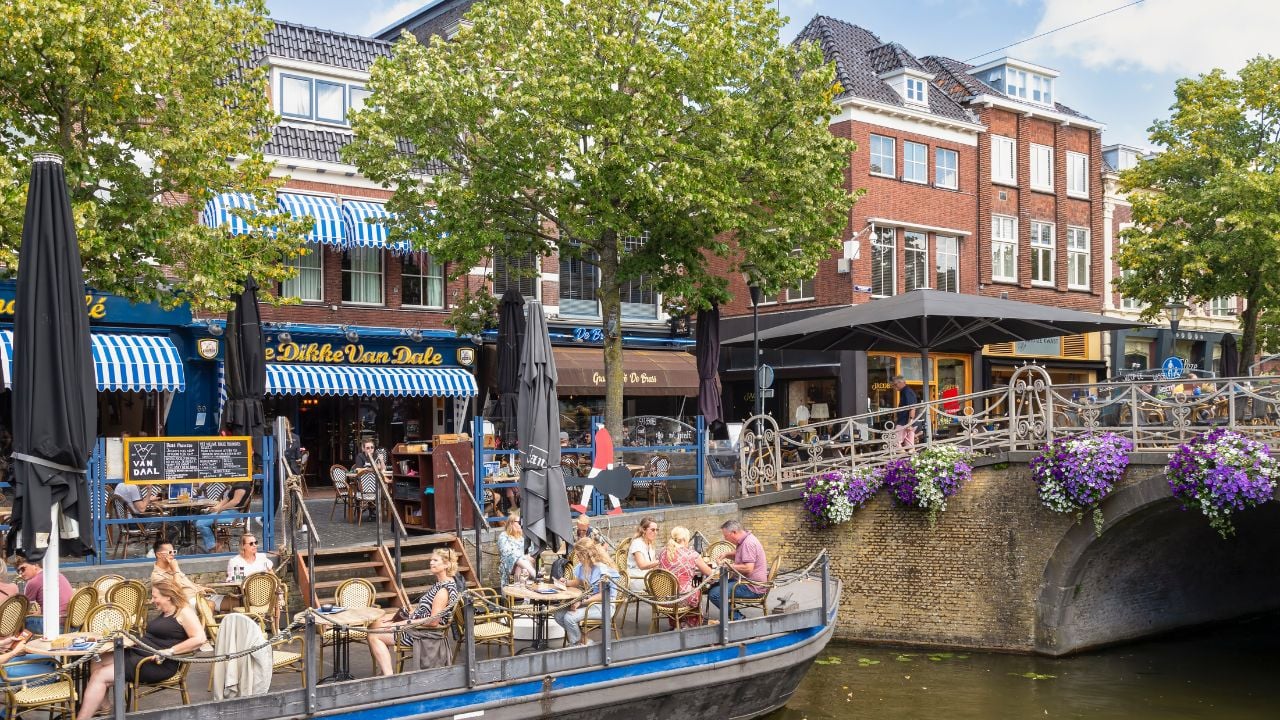
Leeuwarden has the canals, terraces, shop streets, and pretty corners people want from a Dutch city break, but it feels more personal than the better-known stops. You are in Friesland here, and that gives the city its own identity before you even reach the water.
Holland’s official tourism site describes Leeuwarden as one of the eleven Frisian cities, with canals, shopping streets, inviting terraces, and green city parks. It also notes that Frisian, the Netherlands’ second official language, is spoken here. That detail matters because the city does not feel like a copy of Amsterdam on a smaller scale.
The water is the easiest way to enjoy it. Visit Leeuwarden says the canals run through and around the city center, with options ranging from Frisian barge tours to canoeing and stand-up paddling. At Nieuwestad, terrace boats sit in the canal, which means you can drink or eat right on the water if the weather behaves.
That is the kind of Leeuwarden day that makes sense: coffee first, a canal-side walk, maybe a boat or SUP if you feel like moving, then a terrace where you can watch the city pass by. It is not a place that needs to be over-explained. Get close to the canals and the weekend starts working.
5. Osnabrück, Germany
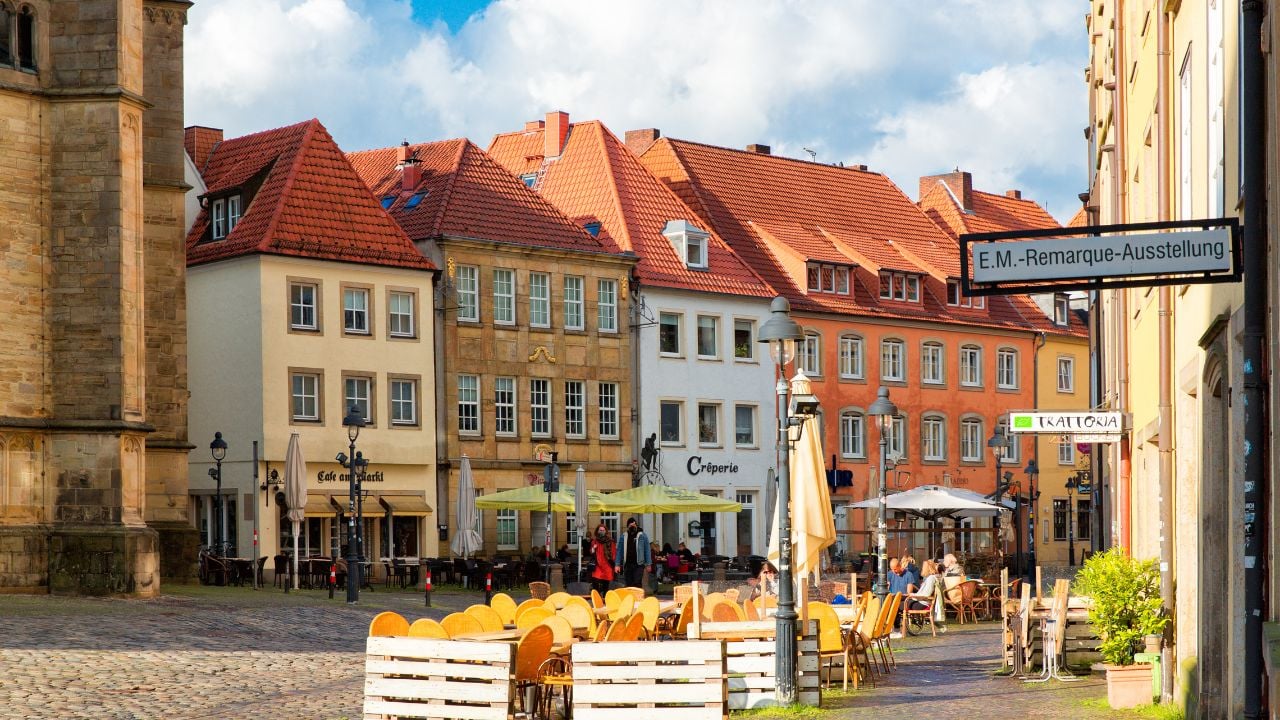
Osnabrück is a good choice when you want a German old town that still feels like a normal place to spend an afternoon. Start near the market square, where gabled buildings, churches, restaurants, and narrow streets make the center easy to enter without much planning.
The city’s official tourism site describes the old town through cafés, pubs, historic buildings, restaurants, coffee roasters, delicatessen shops, and idyllic streets. That is useful because Osnabrück is not only about one famous monument. It is about moving from one small stop to the next until the afternoon is gone.
Germany’s national tourism site also points visitors toward the marketplace, with gabled buildings, St. Mary’s Church, the cathedral, and the late-Gothic Town Hall. The Town Hall matters historically because Osnabrück, along with Münster, was a venue for the negotiations that led to the Peace of Westphalia.
For a slower weekend, do not turn that history into a school lesson. Walk the market area, look at the facades, stop for cake or coffee, then keep going through the lanes until you find a pub or restaurant that looks better than your original plan. Osnabrück is strongest when you let the old town stay practical: food, drink, history, and everyday life all sharing the same streets.
6. Ptuj, Slovenia
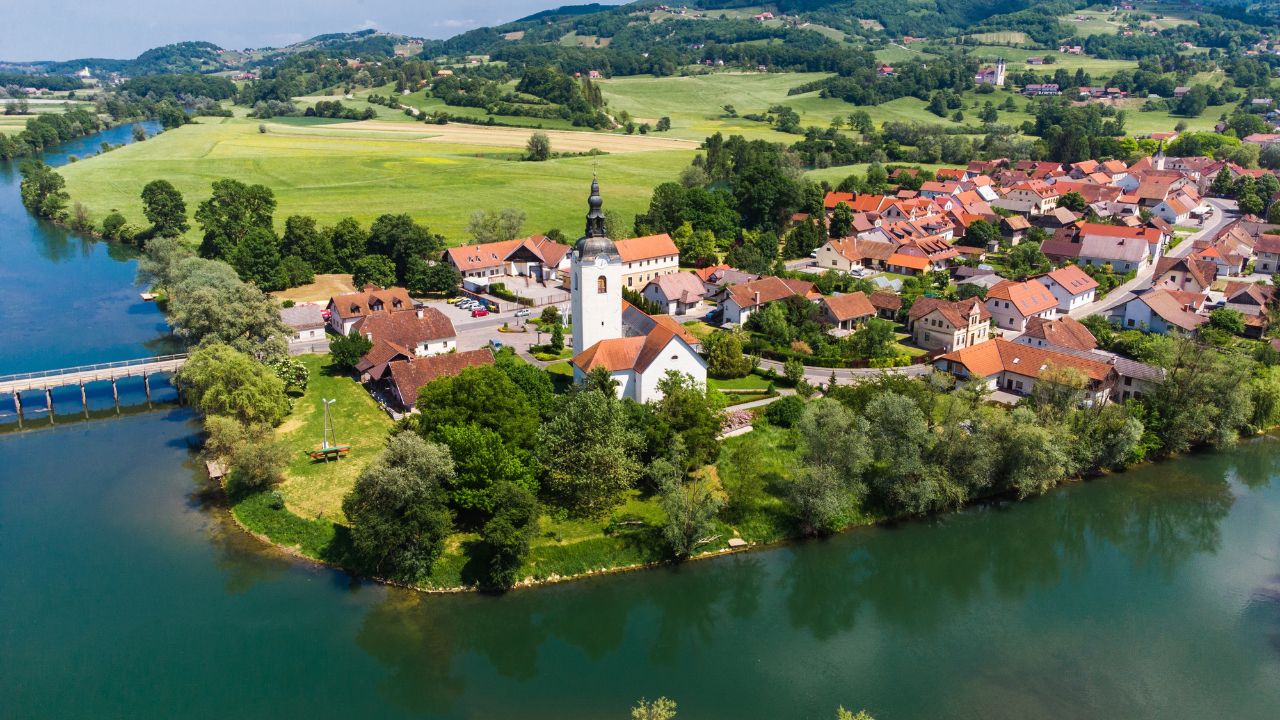
Ptuj looks like a town built for a slow climb. The castle sits above the red roofs, the Drava River runs nearby, and the old streets below it give you enough reason to pause before heading uphill.
Slovenia’s official tourism site describes Ptuj as an old town with a castle above the streets, wine cellars, Kurenti masks, a famous carnival, and Terme Ptuj Spa nearby. The official Ptuj tourism site also calls it Slovenia’s oldest town and points to galleries, festivals, wine, and wellness.
The castle is the obvious first big stop, and it should be. From above, the town makes more sense: roofs below, streets folding into each other, the river close by, and the countryside spreading out beyond the center. It gives the whole visit a proper frame without demanding a huge itinerary.
Back in town, Ptuj is better if you keep walking slowly. Look for gallery signs, wine cellars, small cafés, and streets that still feel calm even when the town is not empty. If your visit lines up with Kurentovanje, the whole place changes, with Kurenti masks and carnival traditions taking over the atmosphere. If not, Ptuj still has enough: a castle, wine, old streets, river views, and the feeling of a small city that has been around much longer than its size suggests.
7. Troyes, France
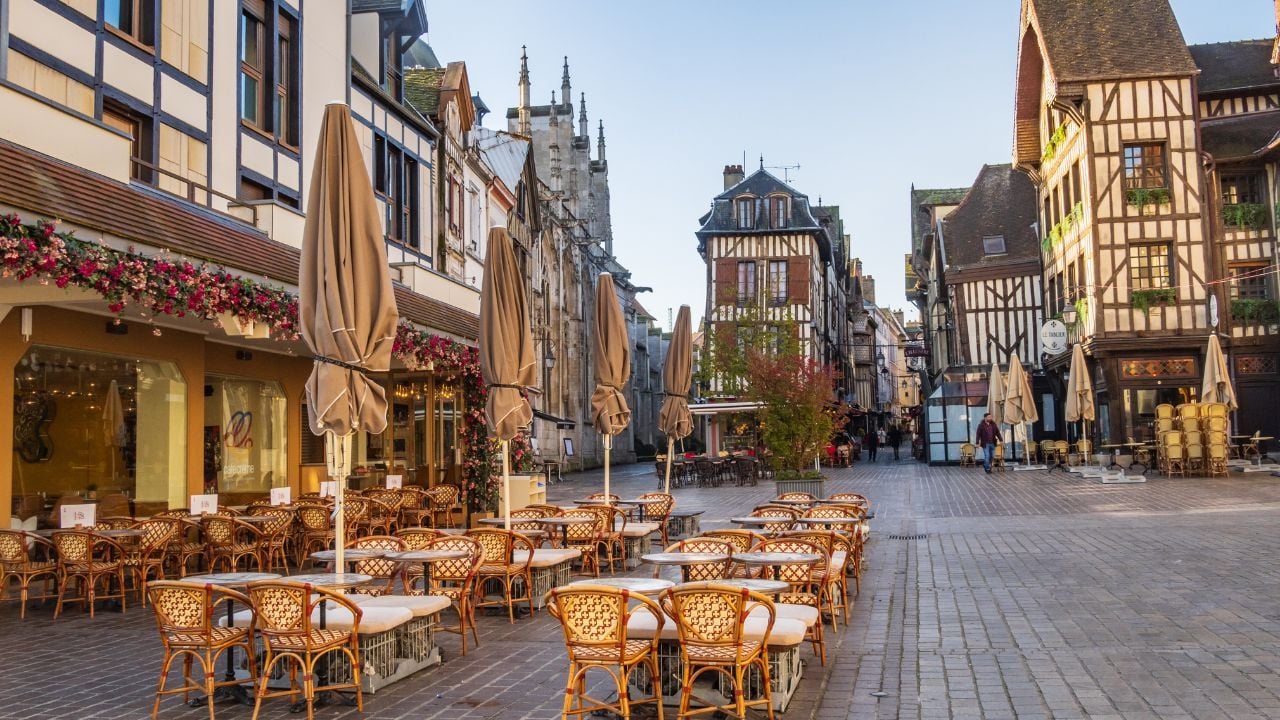
Troyes is made for travelers who like streets that pull them sideways. You start walking toward one square, then a half-timbered house leans into view, a narrow lane opens beside it, and suddenly the detour looks better than the plan.
Troyes La Champagne Tourisme calls it a “city of a thousand colours,” and that description makes sense when the old center starts showing its timbered facades, painted beams, courtyards, churches, and restaurant terraces. The colors are not hidden in one postcard corner. They keep appearing as you move through the streets.
The local tourism office also describes Troyes through its colored half-timbered houses, “circumflex” roofs, 16th-century town houses, narrow streets, inner courtyards, museums, gastronomy, Champagne, Prunelle de Troyes, Andouillette de Troyes, and Chaource cheese. That is a lot to take in, so do not try to treat the city like a checklist.
The better plan is slower. Have coffee in the old center, walk until the timbered houses start changing color with the light, stop for lunch, then disappear into another lane after. Troyes is one of those cities where the street itself keeps offering something: a beam, a sign, a courtyard, a church door, a terrace table, a smell from a kitchen.
For a weekend, that is more than enough. Troyes gives you Champagne-region flavor without requiring a vineyard schedule, and the old center has enough visual detail to make wandering feel like the main event.