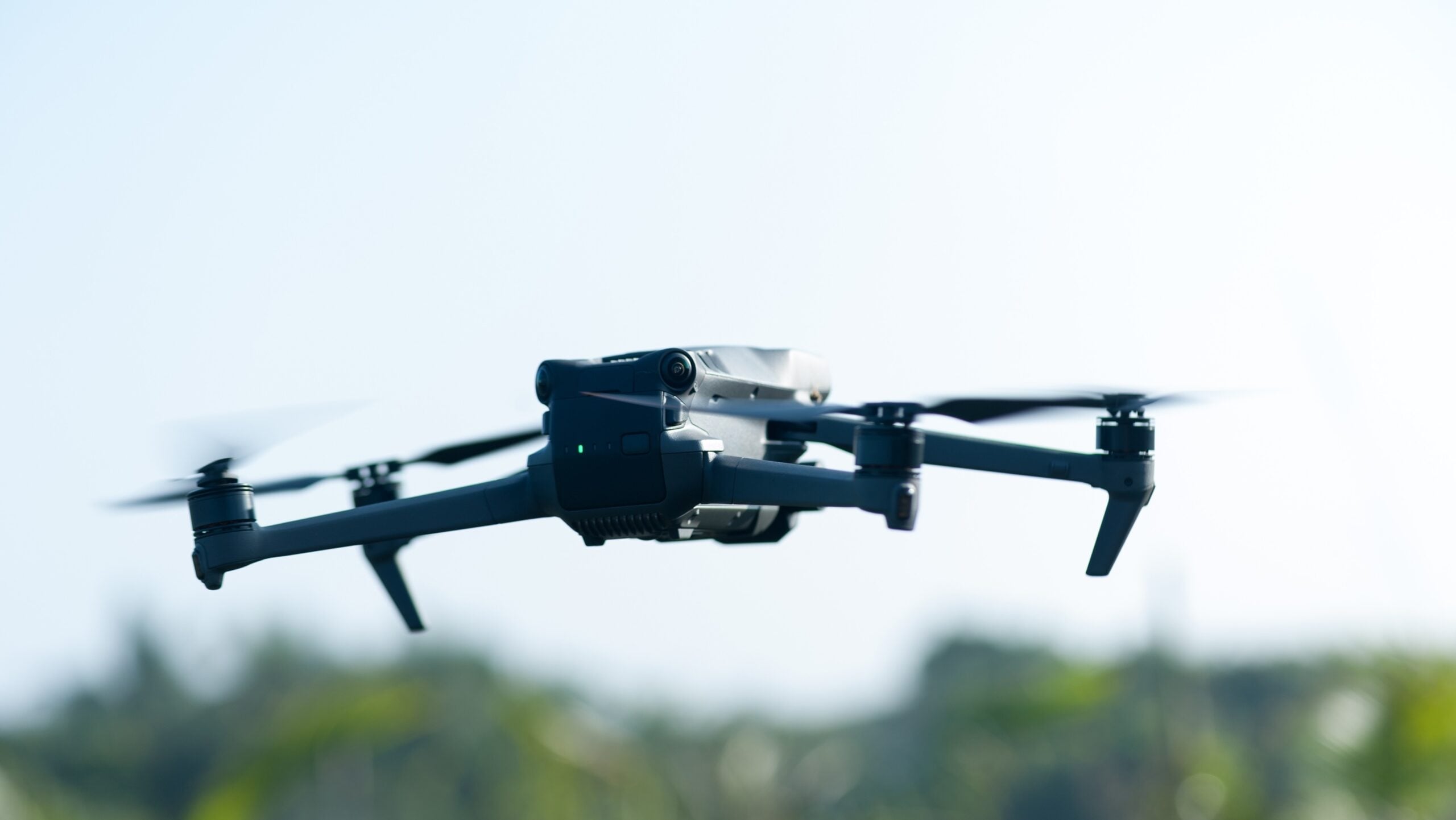
A Florida man allegedly flying a drone while intoxicated because he thought a driver making repeated stops was following him is objectively one of the most aggressively “Florida” stories to come out of 2026 so far.
According to 10 Tampa Bay, 34-year-old Richard Carpenter was arrested May 4 after police say he operated a drone while under the influence of alcohol near another driver’s vehicle.
The incident is getting attention now because, frankly, the phrase “Florida man gets a DUI for allegedly chasing a delivery driver with a drone” sounds too ridiculous not to click on, and the story has been making the rounds across media sites, radio stations, and social media ever since.
At first glance, the whole thing almost sounds harmlessly absurd. If you are not particularly into drones and mostly think of them as expensive flying toys people use to annoy neighbors or take beach photos, the headline itself feels more like a comedy sketch than an actual criminal case.
Once you get past the humor, situations like this can actually become dangerous surprisingly quickly.
Yes, Drones Can Legally Count as Aircraft
And yes, drones legally count as aircraft.
That is the part of this story that probably sounds weird to anyone who still thinks of drones as toys. Under federal rules, drones are treated as aircraft, and reckless operation can bring serious consequences. Florida law also specifically prohibits operating an aircraft while intoxicated or in a careless or reckless manner, according to PetaPixel.
That legal distinction may sound excessive until you remember these things have fast-spinning blades, can move quickly, and are often flown near people, vehicles, homes, crowds, and traffic.
A drone buzzing near an open car window at 12:20 in the morning is not just annoying. It could injure someone, damage property, or create a distraction that leads to something worse.
This Is Not Just a Florida Thing
To be fair, weird stories happen everywhere. Florida just somehow continues to dominate the “this cannot possibly be a real police report” category with frightening consistency. California is still keeping the pressure on, though.
And this is not just an American issue.
In 2025, The Guardian reported that a man in Sweden was convicted in what was believed to be the country’s first drunk-driving drone case after flying a drone at a classic car event in a temporary no-fly zone.
A Swedish court reportedly treated the case similarly to drunk driving because the drone was still considered an aircraft that could fall from height and injure someone.
New Jersey also became one of the first U.S. states to specifically outlaw drunk drone operation. According to Super Lawyers, the state’s law applies a 0.08 percent blood alcohol limit to drone operation, similar to drunk driving, with possible penalties of up to six months in jail or a $1,000 fine.
Do Not Drink and Drone
Look, there is no pretending the phrase “Florida man arrested for allegedly flying a drone drunk because he thought a delivery driver was following him” is not funny. It is funny.
It is also a pretty good reminder that modern technology keeps creating new ways for old-fashioned bad decisions to become police reports.
Twenty years ago, an intoxicated person who thought someone was following him might have yelled from a porch, called a friend, or made a bad decision in a parking lot. In 2026, apparently, that same bad decision can involve airborne camera equipment and an aircraft-related charge.
So yes, laugh at the absurdity. Just maybe do not operate the flying blender near someone’s open window after drinking.