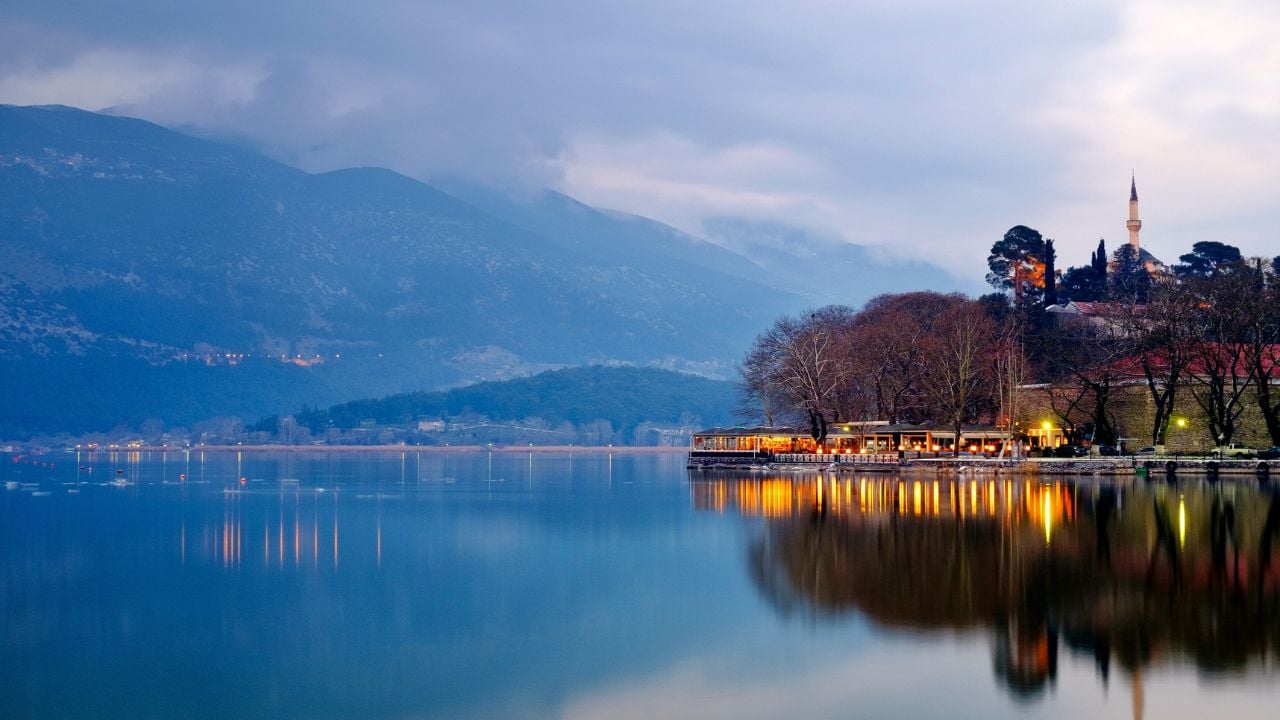
A one-night stop often covers the main square, a short walk, and one dinner. It rarely leaves time for the castle above the center, the quieter museum outside the old lanes, the lake boat, the river path, or the fortress that needs better light.
Trento, Cáceres, Tartu, Ioannina, Dinan, and Šibenik all give travelers enough on arrival to justify the trip, then add more once the first route is finished. Their extra value is not abstract. It sits in painted façades, stone towers, university streets, lake boats, river climbs, cathedral stone, and fortresses above the sea.
A short visit still works in each place. A longer one lets travelers eat better, walk more slowly, choose one museum without sacrificing the old center, and see the waterfront or walls at another hour of the day.
These are not destinations that need a packed schedule. They need enough time for the second walk, the slower meal, the side street, the view after the sun moves, and the local detail that was easy to miss on arrival.
1. Trento, Italy
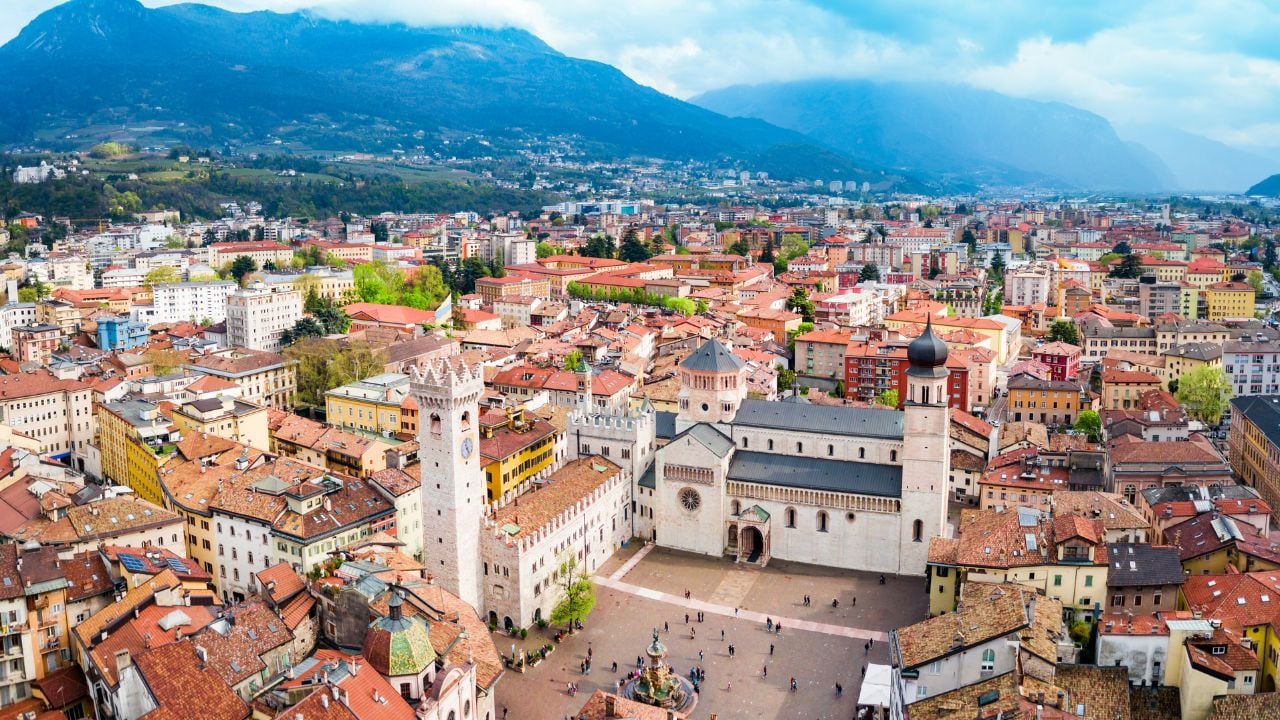
Trento looks compact at first: Piazza Duomo, the cathedral, frescoed façades, arcaded streets, cafés, and mountain slopes rising beyond the rooftops. The first walk gives travelers the city’s Alpine-Italian contrast before any museum or castle visit begins.
Italy’s official tourism site describes Trento as one of the gateways to Italy for arrivals from the north, with an atmosphere shaped by both Italian character and historical Germanic influence. That mix appears in the painted buildings, central squares, mountain setting, and food traditions around the city.
Rushing Trento usually means seeing the cathedral area and moving on. Staying longer gives time for Castello del Buonconsiglio, a slower walk through the old center, and a meal built around canederli, carne salada, tortel de patate, or Trentodoc sparkling wine in a traditional osteria.
An extra night also gives the mountain setting room to matter. Travelers can add a hillside view, a cable-car outing if weather allows, or a quieter evening walk when the façades around the center are no longer just part of a quick stop between larger northern Italian destinations.
2. Cáceres, Spain
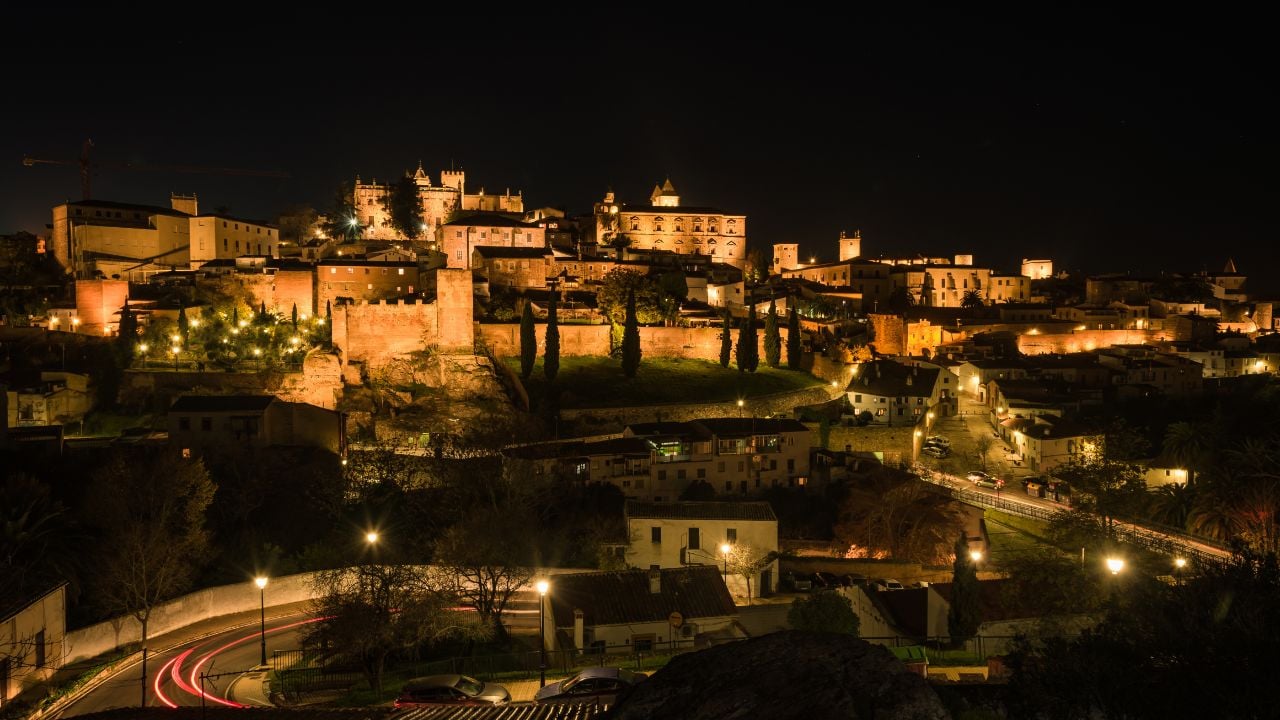
Cáceres gives the first walk a heavy stone presence. Walls, towers, palace-houses, arches, narrow lanes, and quiet squares make the old town feel different from Spain’s brighter, more open plaza cities.
UNESCO describes the Old Town of Cáceres as a walled ensemble shaped by Roman, Islamic, Northern Gothic, and Italian Renaissance influences, with towers, palace-houses, and stone streets. Those layers are visible in the way the old center shifts from fortress-like walls to noble houses and enclosed lanes.
A few hours in Cáceres can feel impressive, but the old town changes after sunset. Stone façades darken, lamps pick out arches and towers, and the streets feel less like a heritage site and more like a place for a slow evening walk.
The food gives another reason to stay. Cáceres was named Spanish Capital of Gastronomy in 2015, and Extremadura’s table brings Iberian pork, local cheeses, paprika, lamb, game, and slow lunches into the visit. A second day gives travelers time for both the walled city and the meal that makes the place feel warmer than the stone first suggests.
3. Tartu, Estonia
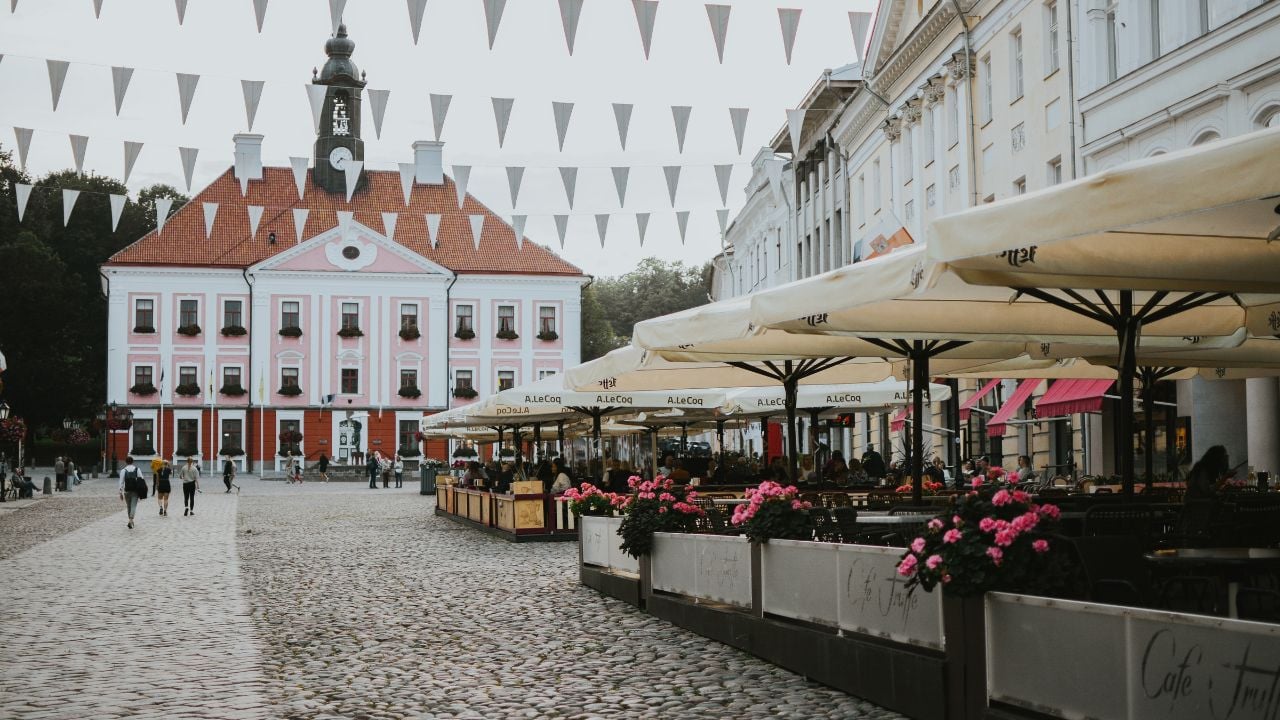
Tartu starts around Town Hall Square, the Emajõgi River, cafés, university buildings, and green paths near the center. The first afternoon can be simple: river, square, coffee, old streets, and a climb toward Toomemägi.
The official tourism site describes Tartu through culture, nature, wellness, the historic old town, museums, theme parks, shopping, and dining. The city has enough within reach for a quiet arrival day, but its larger stops need more time than a quick overnight allows.
Visit Estonia highlights places such as Aparaaditehas Creative City, the Estonian National Museum, AHHAA Science Centre, and the Leaning House of Tartu. Aparaaditehas brings cafés, shops, studios, and creative businesses into a former factory setting, while the Estonian National Museum and AHHAA Science Centre can each take a proper block of the day.
A second night prevents the visit from becoming a choice between the old center and the city’s modern cultural side. Travelers can keep one day for the river, square, university streets, and Toomemägi, then use the next for Aparaaditehas, a museum, or a science-center visit without cutting dinner short.
4. Ioannina, Greece
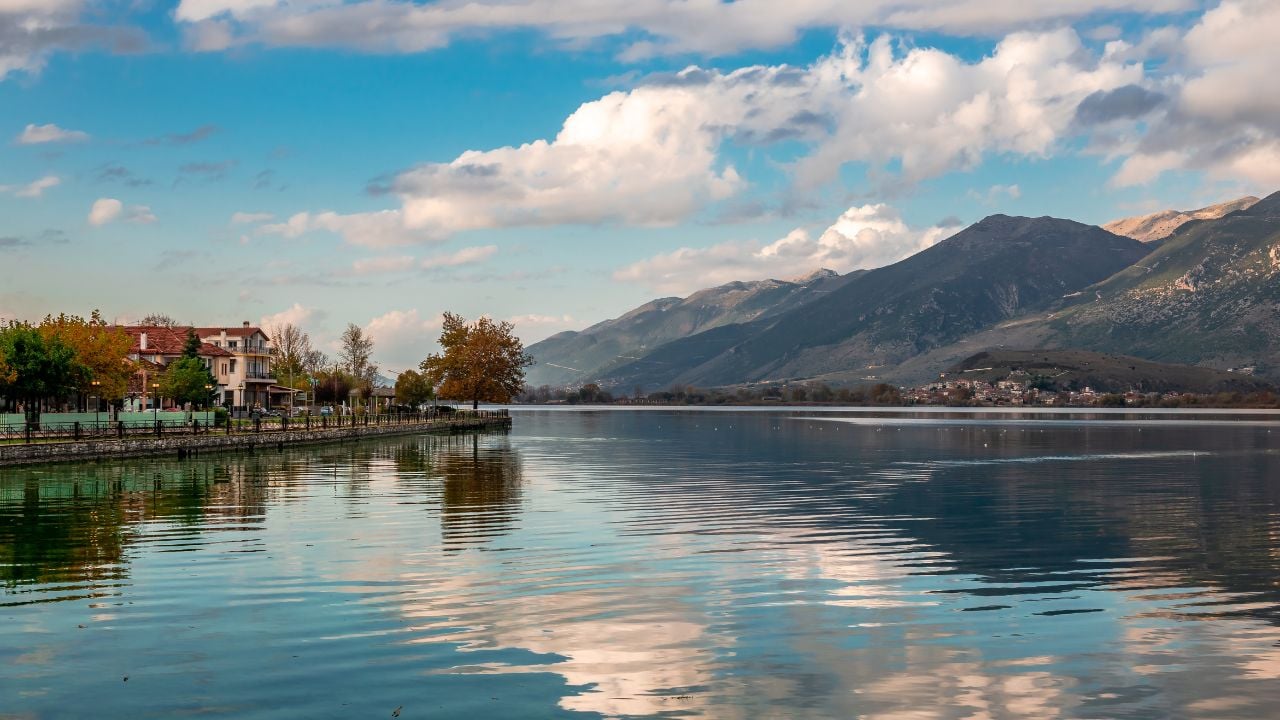
Ioannina begins beside Lake Pamvotida. The waterfront, castle walls, cafés, boat landing, mountain backdrop, and small inhabited island give the city a setting that changes with weather, cloud, and evening light.
Visit Greece says the capital of Epirus spreads around Lake Pamvotida, with the lake and its small island defining the town’s character. A first day can cover the lakefront, the castle area, and dinner near the water, but that leaves several strong pieces untouched.
The next day can go toward the island, museums, pedestrian lanes, mountain paths, or a trip toward nearby Vikos Gorge. The city’s tourism site points to pedestrian lanes, the castle, lake walks, museums, mountain hiking, and surrounding nature, while Visit Greece notes the lake’s inhabited island and historic peninsula.
Ioannina needs both water and stone in the schedule. Walk the lakeside, visit the castle, take the boat if conditions suit, leave room for local dishes and syrupy desserts, then decide whether the wider Epirus landscape belongs to the same trip.
5. Dinan, France
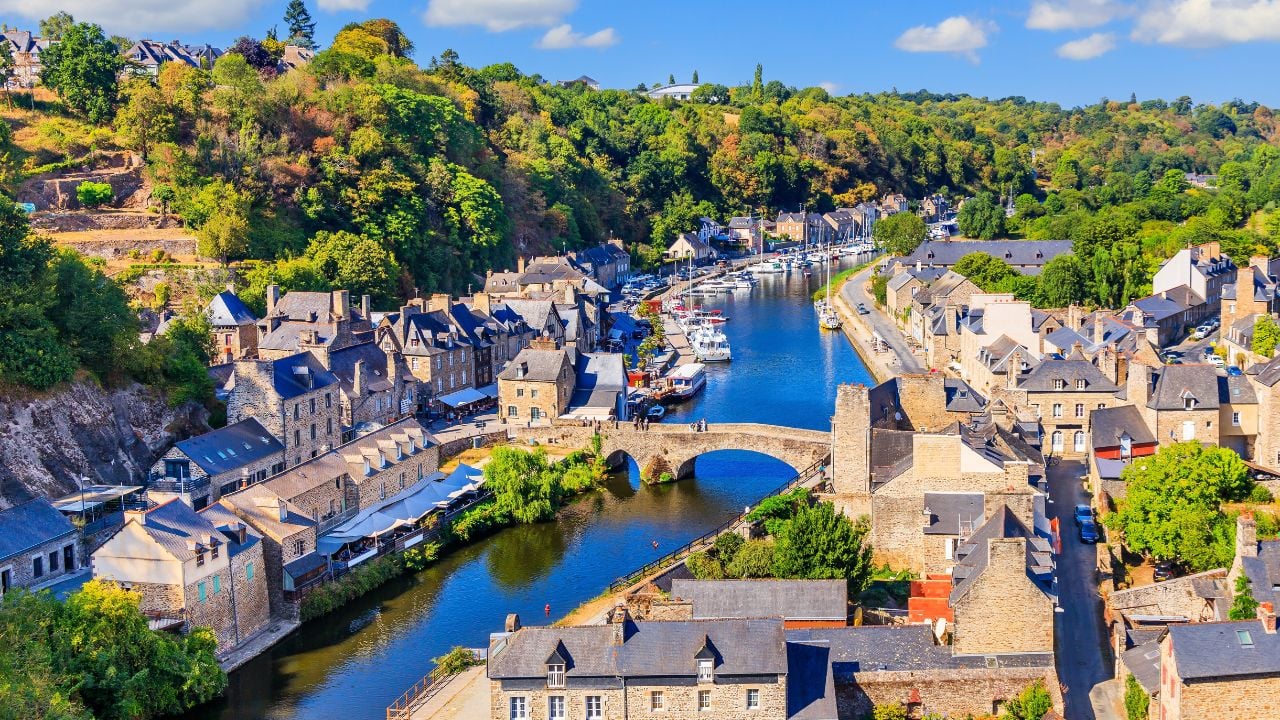
Dinan has two levels that deserve separate time. The upper town holds half-timbered houses, cobbled lanes, ramparts, gates, stone shopfronts, and old squares. Below, the port sits beside the Rance River with boats, waterside restaurants, and a quieter riverbank scene.
Brittany Tourism describes Dinan as a medieval city between land and sea, enclosed by nearly three kilometers of ramparts and watched over by a 14th-century castle above the Rance River. The small marina below the old center gives the town a second focus beyond its walls and streets.
Rue du Jerzual is the route that joins those two versions of Dinan. The steep cobbled street drops from the old town toward the port, passing galleries, timbered façades, stone walls, and small windows before the river appears below.
A rushed visit often turns Dinan into one pretty medieval stop. A better plan gives time for the ramparts, Rue du Jerzual, lunch near the port, a walk along the Rance, and a second evening among the upper streets after the climb back from the river.
6. Šibenik, Croatia

Šibenik puts old stone above the Adriatic. Lanes climb from the waterfront, fortresses look over the channel, and the Cathedral of St. James gives the old town a serious architectural center rather than only a pretty seaside view.
The local tourism board highlights UNESCO monuments, scenic attractions, beaches, cultural heritage, and fortresses across the city guide. UNESCO describes the Cathedral of St. James as a major 15th- and 16th-century monument, while Šibenik Tourism notes that it was first built in Gothic style and completed in Renaissance style.
The cathedral can carry the first visit, but Šibenik needs more time for the surrounding pieces. St. Nicholas’ Fortress stands at the entrance to St. Anthony’s Channel, and the city’s tourism site describes it as a Renaissance building and an important work of Venetian fortification architecture.
A short stop may cover the waterfront and cathedral. A fuller visit adds the fortresses, St. Anthony’s Channel, nearby beaches, and a Dalmatian meal without rushing straight to the next coastal town. Šibenik’s old lanes, cathedral stone, sea route, and defensive architecture need more than one evening to connect.