Future classics usually start as cars that serious drivers understand before the wider market catches up. They are not always the fastest, rarest, or most expensive models in the showroom. Their appeal comes from the way the mechanical package, timing, and enthusiast culture line up.
The 2005-to-2015 era is especially interesting because it gave buyers some of the last affordable performance cars built around manual gearboxes, high-revving engines, rear-drive layouts, turbocharged hot-hatch energy, and rally-bred hardware.
These cars came from mainstream brands, but none of them felt like ordinary transportation. They were attainable, usable, imperfect, and specific enough to build loyal followings while they were still just used cars.
Values will move differently for each model, and nobody should buy one only because of a future auction guess. The stronger case is mechanical: these cars gave regular buyers access to formulas that are already harder to replace.
Inside The Selection: What Makes A Future Classic?
This selection focused on attainable performance cars from mainstream brands, sold in the U.S. from roughly 2005 to 2015, that already have a strong enthusiast case. Each model needed a clear mechanical identity, a loyal community, and a reason its formula feels harder to find today.
Manual-transmission availability, special engines, rear-drive layouts, serious performance hardware, limited-production context, tuning support, motorsport connection, and cultural staying power all carried weight.
Exotic cars, luxury-badge collectibles, and models chosen only because prices have moved upward sat outside the brief. The goal was to identify cars that enthusiasts respect for substance: cars sold through ordinary showrooms, used in ordinary life, and now tied to a performance era the industry has largely moved beyond.
2006 To 2011 Honda Civic Si
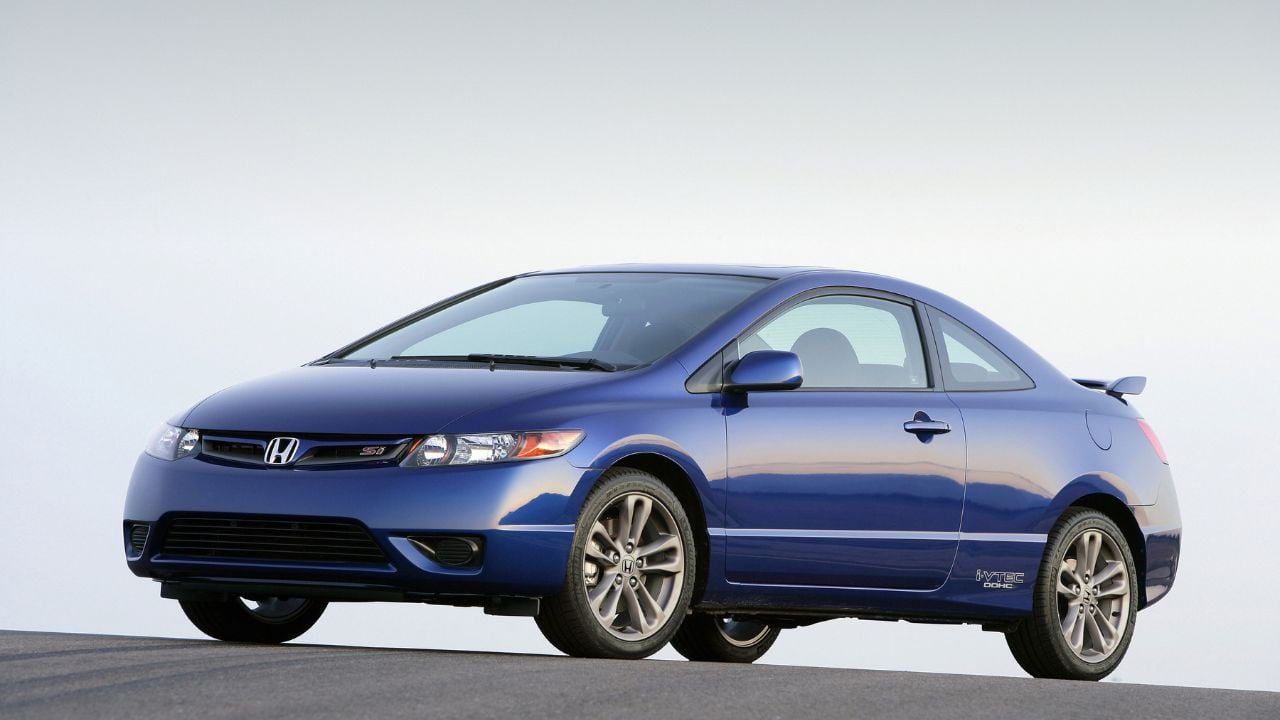
The eighth-generation Honda Civic Si represents Honda at its high-revving, naturally aspirated best. Honda announced the 2006 Civic Si with a 2.0-liter i-VTEC engine producing 197 hp at 7,800 rpm, 139 lb-ft of torque, a six-speed manual transmission, and a helical limited-slip differential.
Those details gave an affordable Civic real driver credibility from the factory. The Si did not need huge power to stand out; it used revs, gearing, front-end response, and a precise manual shifter to make the driver work for speed.
Clean examples are becoming harder to find because many were modified, driven hard, or neglected. Stock or lightly modified cars with good maintenance records are the ones enthusiasts are most likely to keep chasing.
The future-classic case is simple. This Si captures one of the last affordable Honda performance formulas built around a naturally aspirated engine, a manual gearbox, and a chassis that rewards commitment.
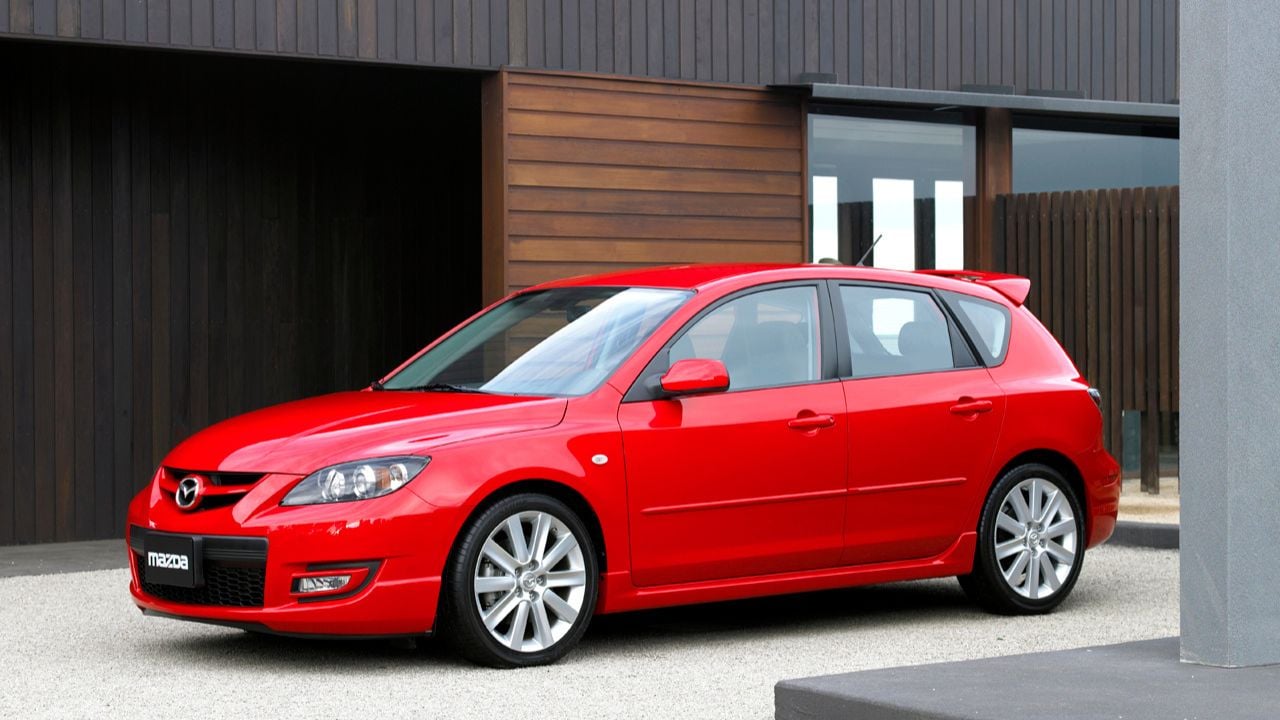
2007 To 2013 Mazdaspeed3
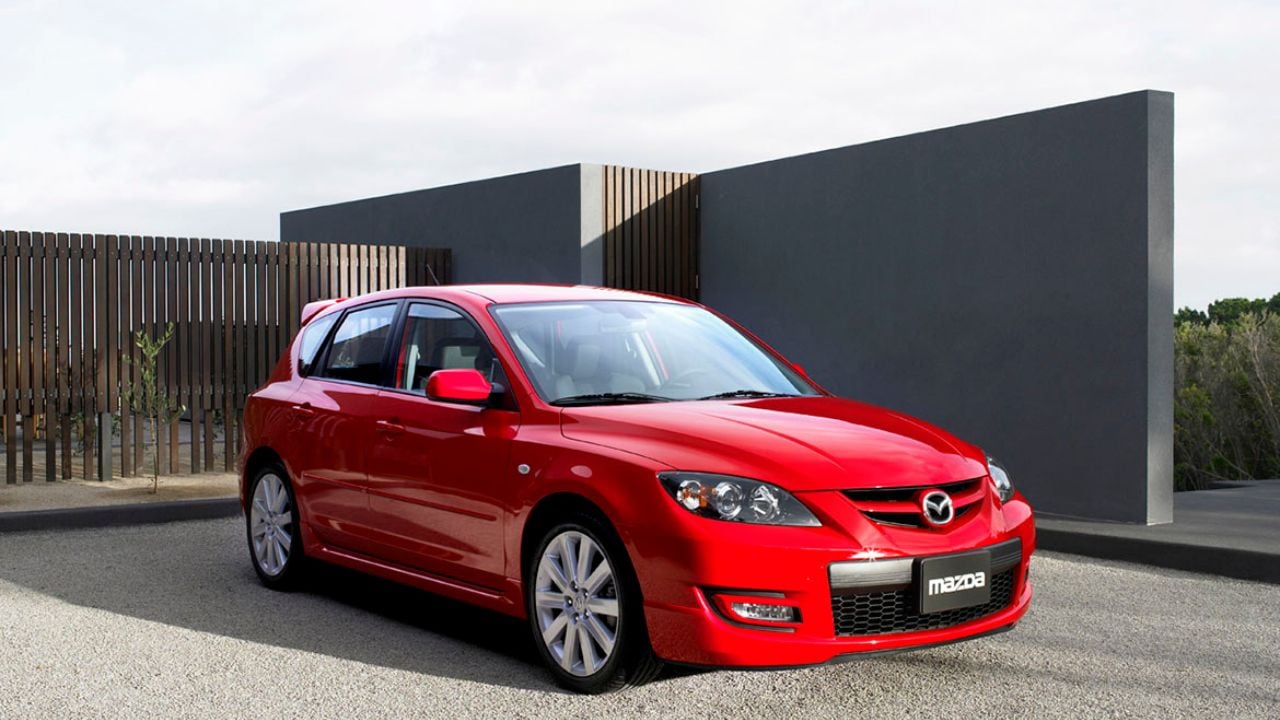
The Mazdaspeed3 is the kind of hot hatch that would be difficult to sanitize without ruining its character. Mazda gave it a turbocharged 2.3-liter engine rated at 263 hp and 280 lb-ft of torque, a six-speed manual transmission, a limited-slip differential, upgraded brakes, and a sport-tuned suspension.
That made the Mazdaspeed3 one of the strongest front-drive performance bargains of its time. It had enough power to feel rowdy, enough practicality to work every day, and enough torque steer to remind the driver that Mazda had not softened every edge.
Its future-classic case comes from personality as much as performance. Modern hot hatches can be quicker and more polished, but the Mazdaspeed3 has an unfiltered turbo character that many newer cars avoid.
The best examples combine originality, service history, and restraint. Cars with clean bodies, stock engine management, and careful ownership will make the strongest long-term argument.
2013 To 2015 Scion FR-S
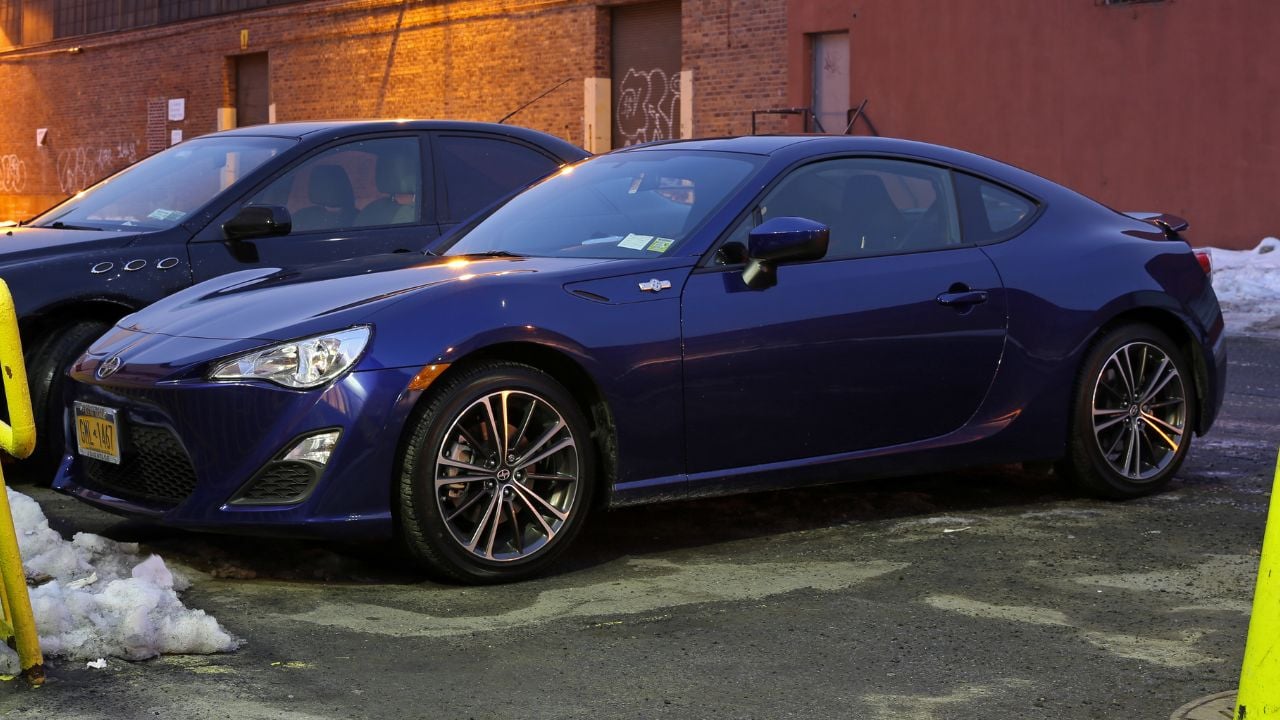
The Scion FR-S brought the affordable rear-drive coupe back into a market that had nearly forgotten it. Edmunds lists the 2013 FR-S with a 2.0-liter flat-four producing 200 hp and 151 lb-ft of torque, a six-speed manual transmission, rear-wheel drive, and a standard rear limited-slip differential.
The FR-S focused on balance instead of big numbers. Its low seating position, quick steering, compact size, and playful chassis made it a real driver’s car at a normal price.
Scion’s disappearance as a brand gives the badge extra historical curiosity, even though the car’s lineage continued as the Toyota 86. The early Scion version now marks the moment Toyota and Subaru brought back a simple idea: light weight, rear drive, modest power, and an honest chassis.
Clean manual cars have the strongest case. Heavy modifications, drift damage, cheap suspension parts, and neglected maintenance can erase much of what made the FR-S special in the first place.
2005 To 2006 Pontiac GTO
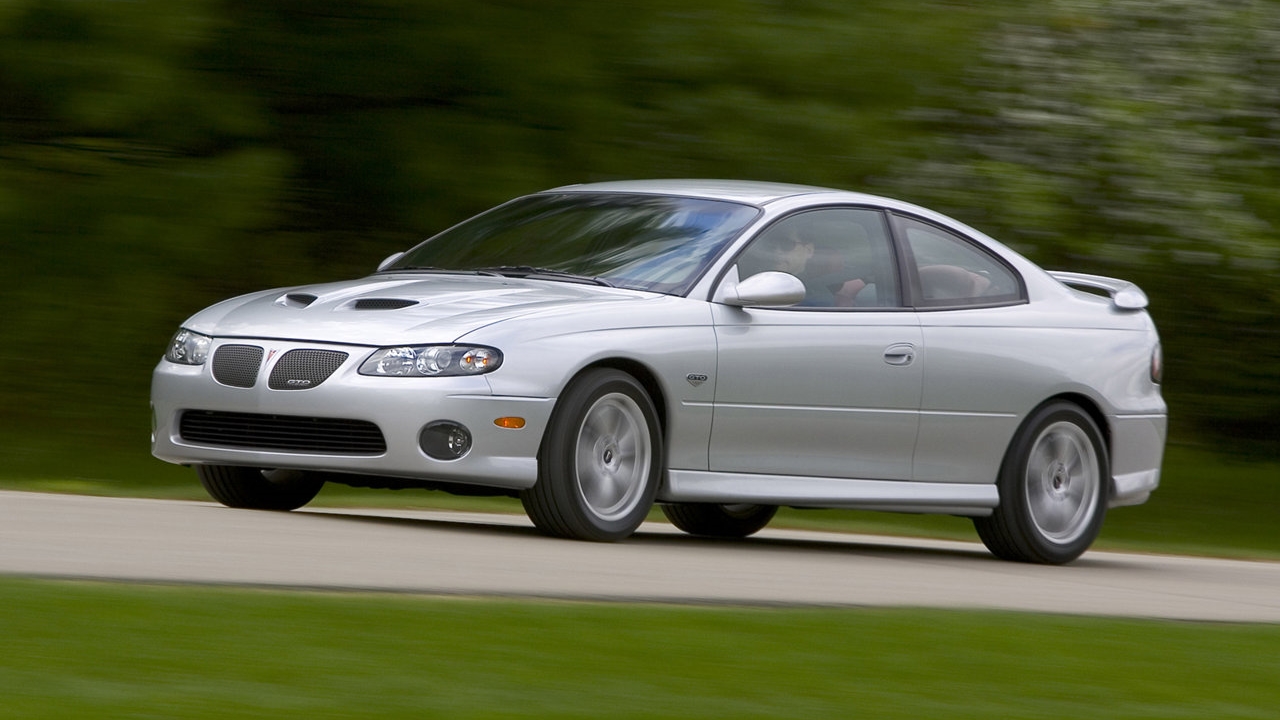
The 2005-to-2006 Pontiac GTO is aging into the respect it struggled to receive when new. It looked too subtle for some muscle-car fans, but underneath sat a serious Australian-built performance coupe with rear-wheel drive, independent rear suspension, and a Corvette-related LS2 V8.
Pontiac’s 2005 material listed the 6.0-liter Gen IV LS2 at 400 hp, with an available Tremec close-ratio six-speed manual transmission. Period performance coverage commonly lists the LS2 GTO at 400 lb-ft of torque as well.
The modern GTO’s future-classic case is stronger now because Pontiac is gone, the car was built for only a short window, and the mechanical package remains deeply appealing. It has LS power, real comfort, clean proportions, and a more mature personality than its badge suggested.
This is not the loudest muscle car of its era. Its appeal comes from restraint, power, and the way the market has slowly realized what was hiding under the understated body.
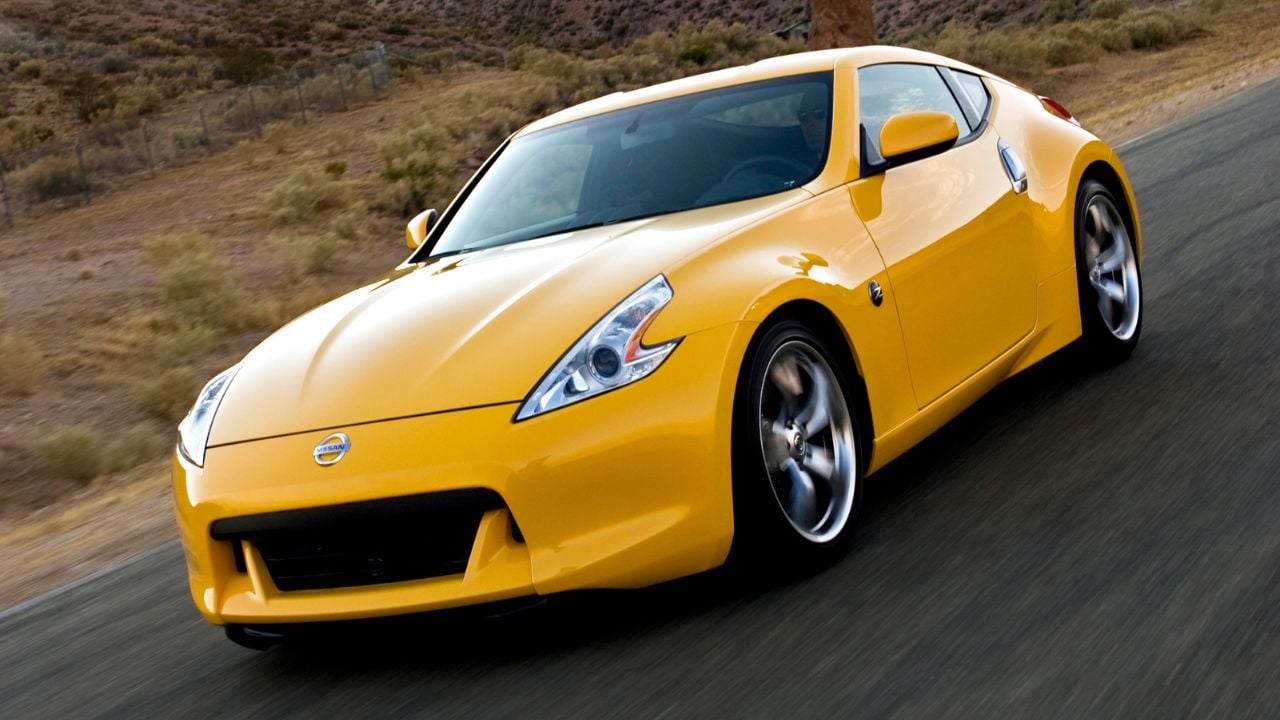
2009 To 2015 Nissan 370Z
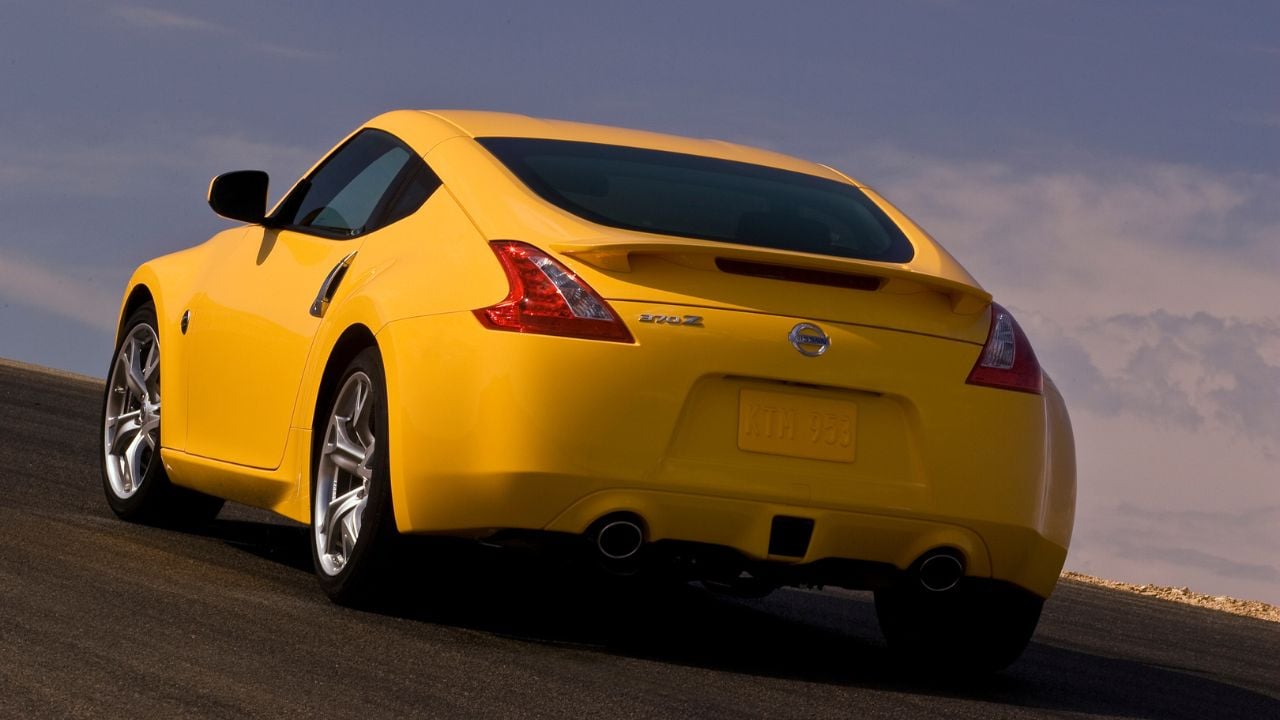
The Nissan 370Z belongs here because it carried the classic affordable sports-car formula deep into the modern era. Nissan’s 2015 370Z Coupe press material listed the VQ37VHR 3.7-liter V6 at 332 hp and 270 lb-ft of torque, paired with either a six-speed manual or a seven-speed automatic.
The coupe is the purer enthusiast pick. It offered rear-wheel drive, compact proportions, strong brakes, available SynchroRev Match, and a naturally aspirated engine at a time when turbocharging was spreading quickly.
The 370Z never felt fashionable in the same way as some newer performance cars, which may help its long-term appeal. It stayed loyal to the old Z idea: two seats, a strong six-cylinder engine, and a body built around driving.
Originality will matter. Clean manual coupes, especially with desirable trims and minimal modifications, are the examples most likely to age well with enthusiasts.
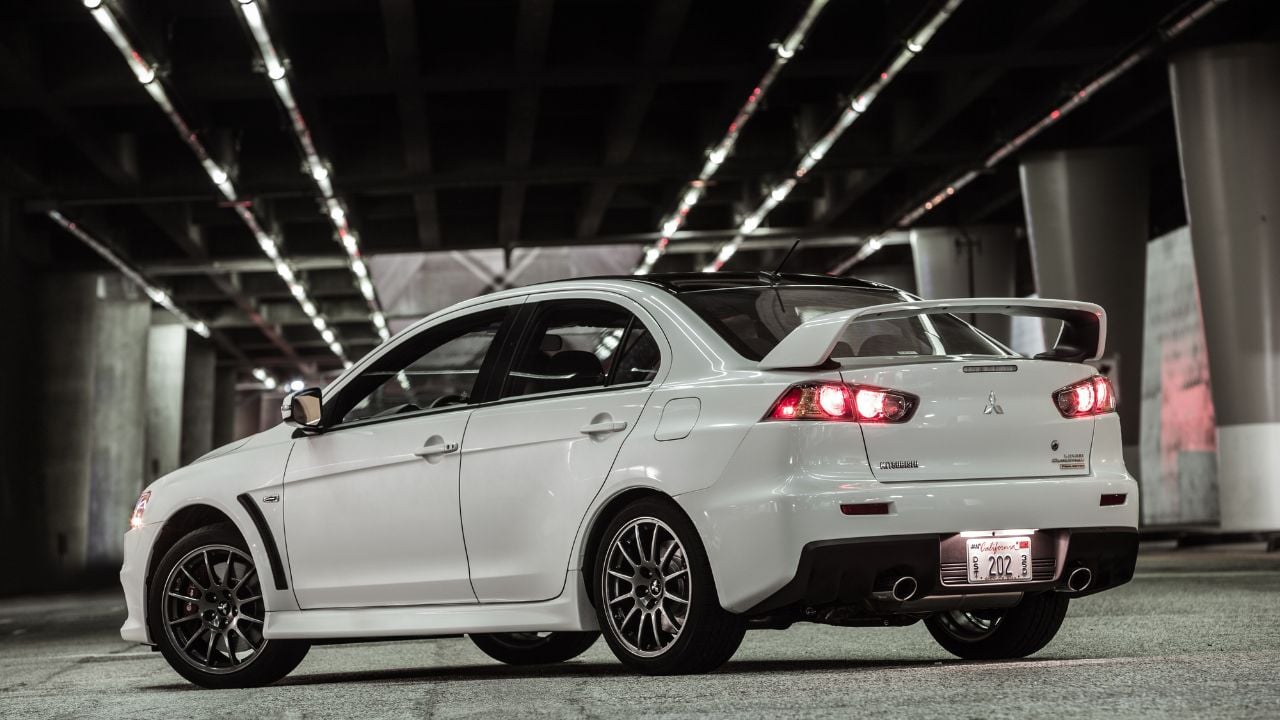
2008 To 2015 Mitsubishi Lancer Evolution X
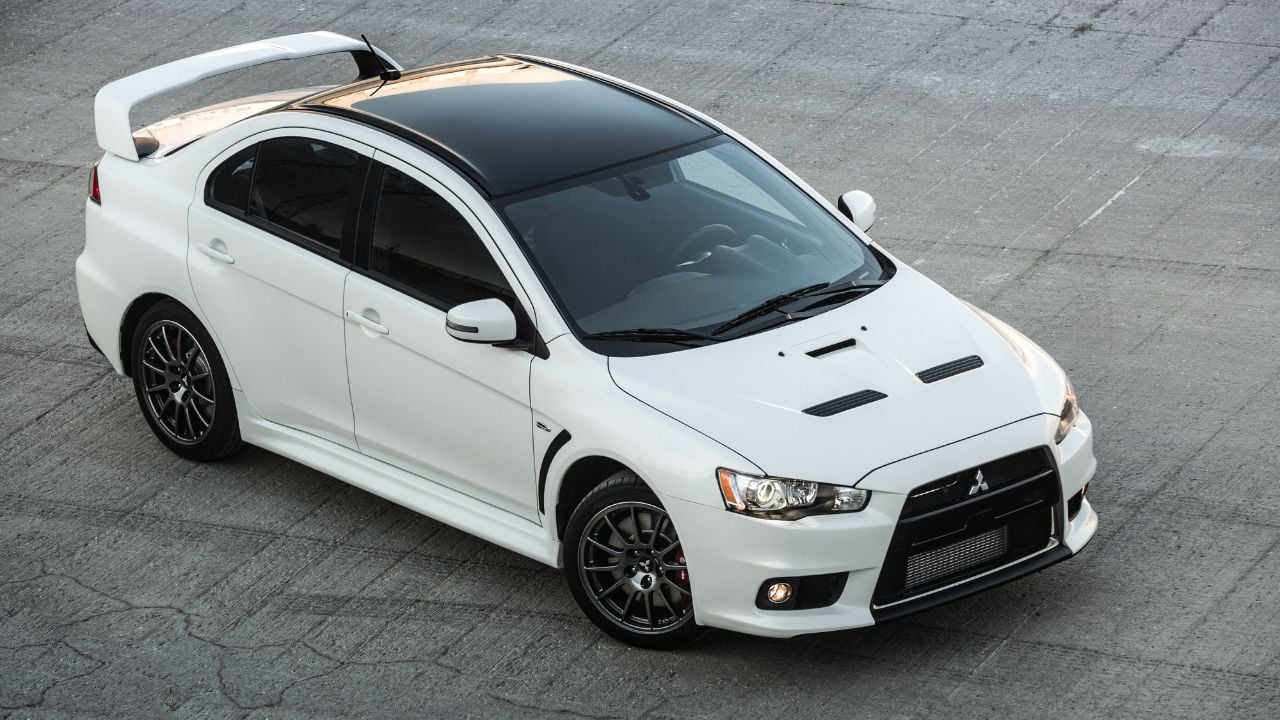
The Lancer Evolution X is one of the easiest cars here to defend objectively because it was the final chapter of a nameplate with genuine rally heritage. Most U.S.-spec Evo X models were rated at 291 hp and 300 lb-ft of torque from a turbocharged 2.0-liter engine.
The 2015 Final Edition raised output to 303 hp and 305 lb-ft of torque. Mitsubishi also listed Bilstein shocks, Eibach springs, Brembo front rotors, and a five-speed manual transmission for the Final Edition, making it the strongest factory version rather than the baseline for every 2008-to-2015 car.
The Evo X feels like a future classic because its formula has disappeared from Mitsubishi showrooms. It was a compact sedan with serious all-weather pace, sharp steering, aggressive hardware, and a community that still treats the car with loyalty.
Clean, unmodified examples carry the strongest appeal. The best cars will be the ones spared from poor tuning, hard launches, crash damage, and neglected drivetrain maintenance.
The Cars That Caught The Moment Before It Passed
The future-classic conversation works best when it is grounded in engineering and timing. These cars matter because they captured ideas that are becoming scarce: high-revving naturally aspirated engines, manual gearboxes, compact performance, analog driver involvement, and affordable speed with real personality.
The Civic Si and FR-S reward drivers who enjoy momentum and precision. The Mazdaspeed3 adds unruly turbo hot-hatch energy. The GTO brings understated V8 muscle, the 370Z preserves the traditional two-seat sports-car formula, and the Evo X closes one of the most important rally-bred chapters of the modern U.S. market.
Future value is never guaranteed, but enthusiast memory usually follows cars with a clear identity. These six already have that identity, along with communities that understand why they mattered when new.
They make the strongest case because their formulas are harder to replace now: affordable, mechanical, imperfect, and built for people who wanted driving to feel involved.