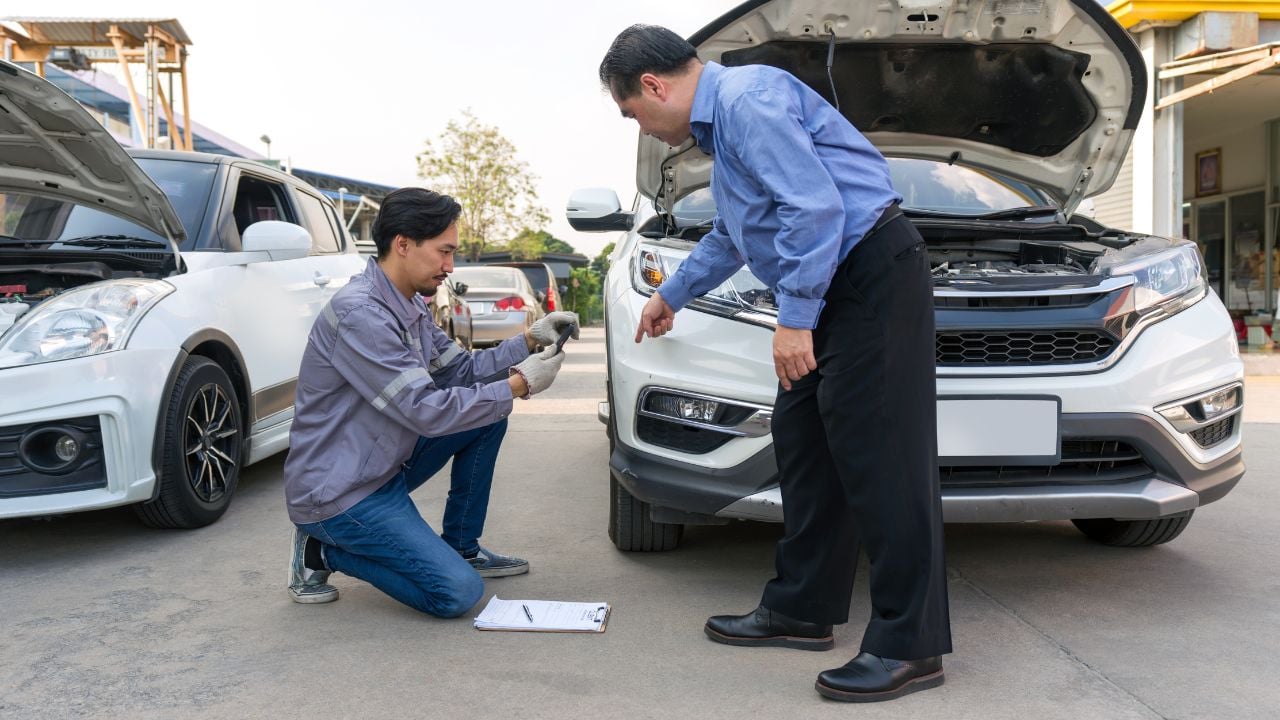

Driving without insurance is more common than most realize. A recent study revealed that nearly one in three U.S. drivers admitted to being uninsured at some point in the past year, highlighting a hidden but growing financial gamble.
The trend doesn’t appear to be slowing. Rising costs of gas, insurance premiums, and everyday living expenses are pushing some drivers to make a dangerous tradeoff.
Even if you’ve never skipped insurance, you are affected. Uninsured drivers increase accident-related costs, create legal complications, and ultimately influence everyone’s insurance premiums.
Understanding what’s behind this trend helps clarify the larger picture. Financial pressure, a lack of awareness about state laws, and risk tolerance all contribute to the high number of uninsured drivers on American roads today.
The Financial Domino Effect

The first domino in the uninsured driver phenomenon is personal risk. Without insurance, even a minor fender-bender can result in thousands of dollars in out-of-pocket costs, legal fees, and potential lawsuits.
But the impact doesn’t stop at the individual. Insurance companies factor in accident rates and claims when calculating premiums, which means that everyone ends up paying more over time.
States with higher numbers of uninsured drivers often see increased strain on public resources. Hospitals, courts, and law enforcement can face additional costs when uninsured drivers are involved in accidents.
For drivers with coverage, this ripple effect translates into higher rates for policies that previously might have been affordable. The collective risk grows, and the seemingly isolated choice of one driver affects millions.
Why So Many Skip Coverage
Money is the most obvious motivator. With premiums rising alongside inflation and fuel prices, some drivers feel trapped and decide to gamble without protection.
Other reasons are less obvious but equally important. Some drivers underestimate the probability of accidents, while others assume they can pay fines instead of maintaining a valid policy.
State laws also play a role. Requirements for minimum coverage vary widely, and enforcement isn’t uniform. This discrepancy can create a perception that skipping insurance carries minimal consequences.
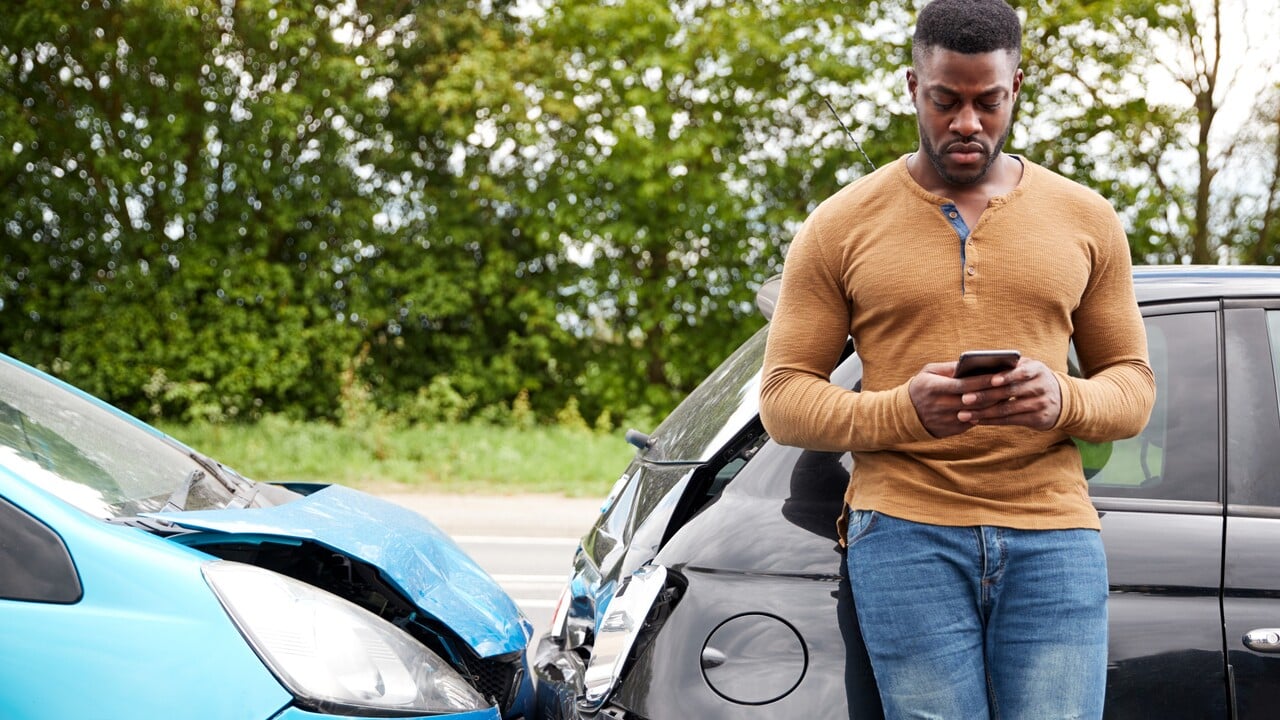
Finally, cultural attitudes toward driving and personal responsibility influence behavior. In regions where risk-taking is normalized, drivers are more likely to underestimate the stakes.
“With the abrupt changes in the economy and impacts on household income, UM rates rose in nearly every state from 2019 to 2020,” said Dale Porfilio, FCAS, MAAA, president of the IRC. “We have been watching for UM rates to improve with lower unemployment and household income increases, but the IRC’s latest research shows UM rates continue to tick upward in most states. We presume deteriorating insurance affordability is more than offsetting economic improvements.”
The Broader Implications
Beyond personal liability, uninsured driving has social and economic consequences. Accident victims often face delays in compensation, and disputes can escalate to costly legal battles.
Businesses and rideshare services are also affected. Companies must navigate liability risks, especially when drivers operate without proper coverage, increasing operational costs.
Technology and telematics offer potential solutions. Usage-based insurance and monitoring programs allow insurers to tailor policies to driver behavior, potentially making coverage more affordable and reducing financial strain.
For policymakers, the challenge is balancing enforcement with accessibility. Incentives for coverage, education campaigns, and penalties for noncompliance all play a role in reducing the uninsured population.