A trip meant to restore energy still needs real places to hold the day together. A quiet room helps, but the stronger reset usually comes from a walkable center, a reliable café, fresh air close by, and a dinner plan that does not require another round of logistics.
Tallinn, Freiburg, Kanazawa, Girona, Lahti, and Boulder all give travelers that structure in different settings. Tallinn moves from stone walls and church spires to factory murals and cafés. Freiburg puts market stalls below the cathedral, small water channels along old streets, and Black Forest slopes close to the center. Kanazawa brings garden paths, craft shops, seafood counters, and teahouse streets into one calm city stay.
Girona has colored houses along the Onyar River, medieval lanes, old walls, Catalan food, and stairways that climb through the historic center. Lahti places lake walks, sauna, restaurants, events, and Finnish nature beside Lake Vesijärvi. Boulder keeps Pearl Street, Boulder Creek, Chautauqua Meadow, and the Flatirons close enough for a day split between town and trail.
These places are not silent retreats. They have cafés, museums, markets, students, restaurants, events, trails, weather, and opening hours to think about. The useful part is the short distance between a focused morning, an outdoor break, and an evening meal that still feels connected to the destination.
1. Tallinn, Estonia

Tallinn starts with stone walls, church spires, red roofs, and lanes that climb toward Toompea. Visit Tallinn notes that the Old Town is included on the UNESCO World Heritage List while still remaining lively and constantly evolving.
The Old Town suits the first part of the day because the details are close together: cobbles underfoot, tower views above the rooftops, stone passages, cafés behind heavy doors, and Town Hall Square before the busiest hours. A traveler who needs a few focused work hours afterward can stay near the center, with the old streets still close for lunch or an afternoon walk.
Telliskivi adds a different setting after the medieval center. Visit Tallinn describes Telliskivi Creative City as a cultural and business center in a former industrial complex, while Telliskivi’s own site highlights galleries, cafés, music, theatre, indie shops, and street art. Brick factory buildings now hold murals, studios, restaurants, exhibition spaces, and places to sit with a laptop or a meal.
A useful Tallinn day starts with Old Town stone, continues with coffee or work near the center, then moves to Telliskivi for murals, food, shops, and exhibitions. Dinner can stay near Telliskivi or return inside the Old Town walls, depending on hotel location and weather.
2. Freiburg, Germany

Freiburg’s old center gives the day small details before the forest enters the picture. The Bächle water channels run beside parts of the old streets, Münsterplatz gathers market stalls around the cathedral, and the red Historic Merchants’ Hall stands out against the stone and market movement.
Freiburg’s official tourism site describes an old-town stroll that takes visitors toward the Black Forest within minutes and points to the Lange Rote sausage at the Münstermarkt. The city places a market morning and a green afternoon close together instead of separating them into different parts of the region.
The university keeps the streets active. Students, cyclists, bookshops, restaurants, cafés, and market shoppers give the center steady movement, while nearby hills and forest paths provide a break after work, driving, or museum time.
A practical day starts around the cathedral and market, then moves outward when the old town grows busier. The shift is physical and easy to read: Bächle-lined streets, stalls and sausages near Münsterplatz, then greener paths toward the Black Forest edge.
3. Kanazawa, Japan
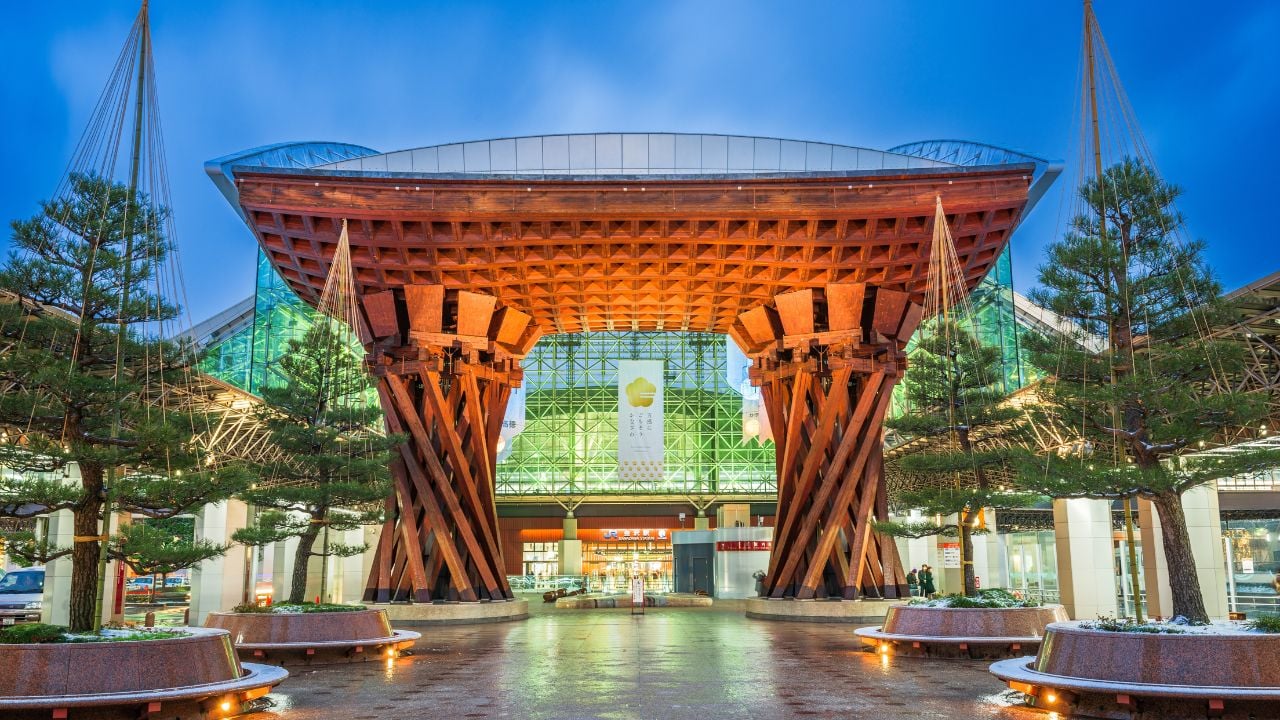
Kanazawa asks visitors to look closely. Garden paths, teahouse streets, gold leaf, lacquerware, ceramics, seafood counters, and castle-side greenery give the city a quieter intensity than Japan’s largest urban centers.
Visit Kanazawa says the city is certified as a UNESCO Creative City in crafts and folk art, with traditional techniques passed down since the Edo period. That craft identity appears in workshops, museum displays, shop windows, and objects made from paper, wood, gold, lacquer, silk, ceramics, and worked metal.
Kenrokuen should take an unrushed part of the day. Japan’s official tourism site describes Kenrokuen as one of Japan’s three most famous gardens and a strong example of a strolling-style landscape garden. Ponds, stone lanterns, bridges, trees, seasonal plantings, and paths near Kanazawa Castle give visitors a quiet start before the market and craft districts become busier.
After Kenrokuen, the day can move to Omicho Market for seafood and produce, Higashi Chaya for preserved teahouse streets, Nagamachi for samurai-era lanes, or the museums for craft and contemporary art. Those stops are close enough to combine, but each one deserves time to notice materials, signs, shopfronts, food counters, and street details.
4. Girona, Spain
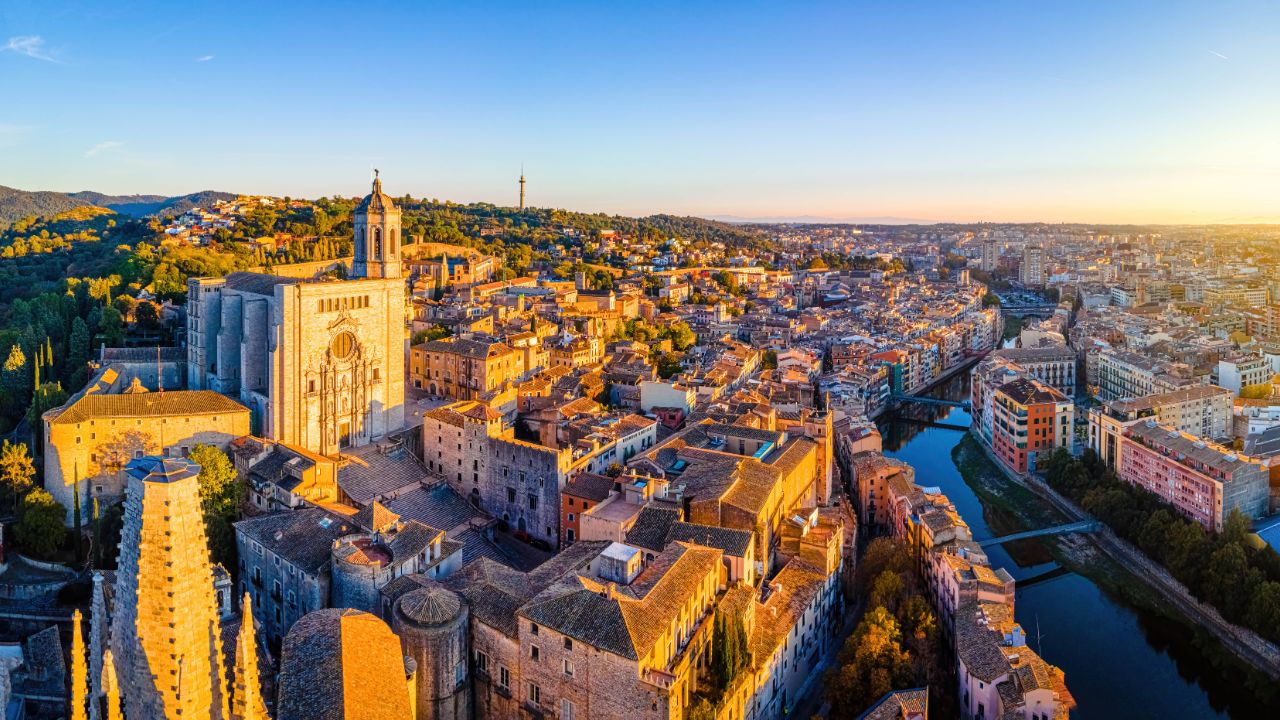
Girona gives a short stay color, stone, and height in quick succession. The houses along the Onyar River bring the first bright view, then the old center pulls the walk into arches, stairways, church towers, medieval walls, and lanes that narrow around the Jewish Quarter.
Spain’s official tourism site calls Girona the City of the Four Rivers and notes that its historic quarter carries Roman, Arab, and Hebrew influences. Girona City Council describes the Jewish Quarter, or Call, as a labyrinth of narrow streets and patios that has maintained its medieval atmosphere.
The city gives travelers movement without the scale of Barcelona. A morning can start near the Onyar bridges, continue through the Call, climb toward the cathedral area, then reach the old walls for a higher look over rooftops and surrounding hills.
Bakeries, cafés, small restaurants, market stops, and Catalan dishes provide useful pauses between stairways and viewpoints. Cycling culture and nearby countryside add another layer for travelers who want outdoor time without giving up a compact city base.
5. Lahti, Finland
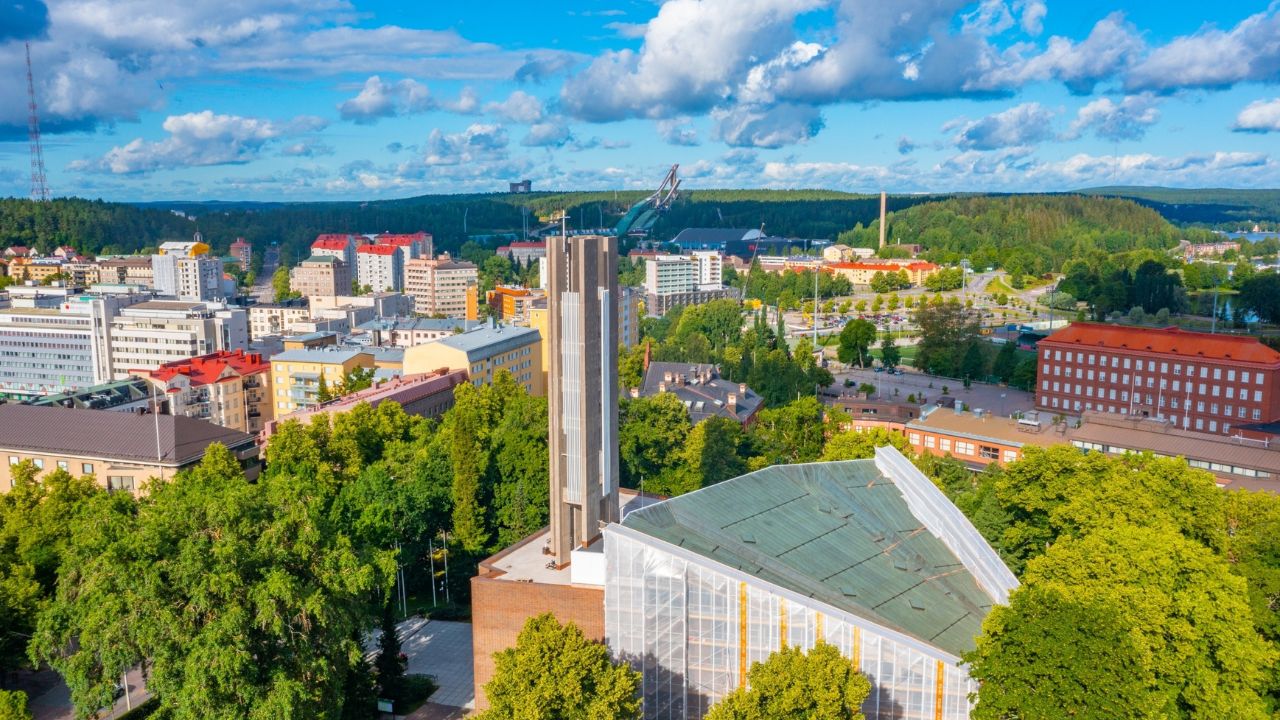
Lahti places the trip beside Lake Vesijärvi. The city has clean-lined streets, event venues, restaurants, sports facilities, forest access, and lakeside paths, but the water gives the day its clearest break from screens, traffic, and indoor hours.
Visit Lahti says the Lahti region has received the Sustainable Travel Finland destination label. The city’s official tourism page also describes the region through city life and nature, including events, bars, award-winning food, and year-round attractions.
The lake-and-sauna pairing gives visitors a specific evening plan. Visit Lahti highlights sauna facilities near Lake Vesijärvi, including a sauna experience at Teivaa Harbour within about a 10-minute walk of the city center. That puts hot rooms, lake air, dinner, and a short return route inside the same evening.
A realistic Lahti day might include a café or work session, a harbor walk, sauna time, a meal, and time along the lake before returning to the hotel. The city keeps Finnish nature close without requiring travelers to leave the comfort of an urban base.
6. Boulder, Colorado

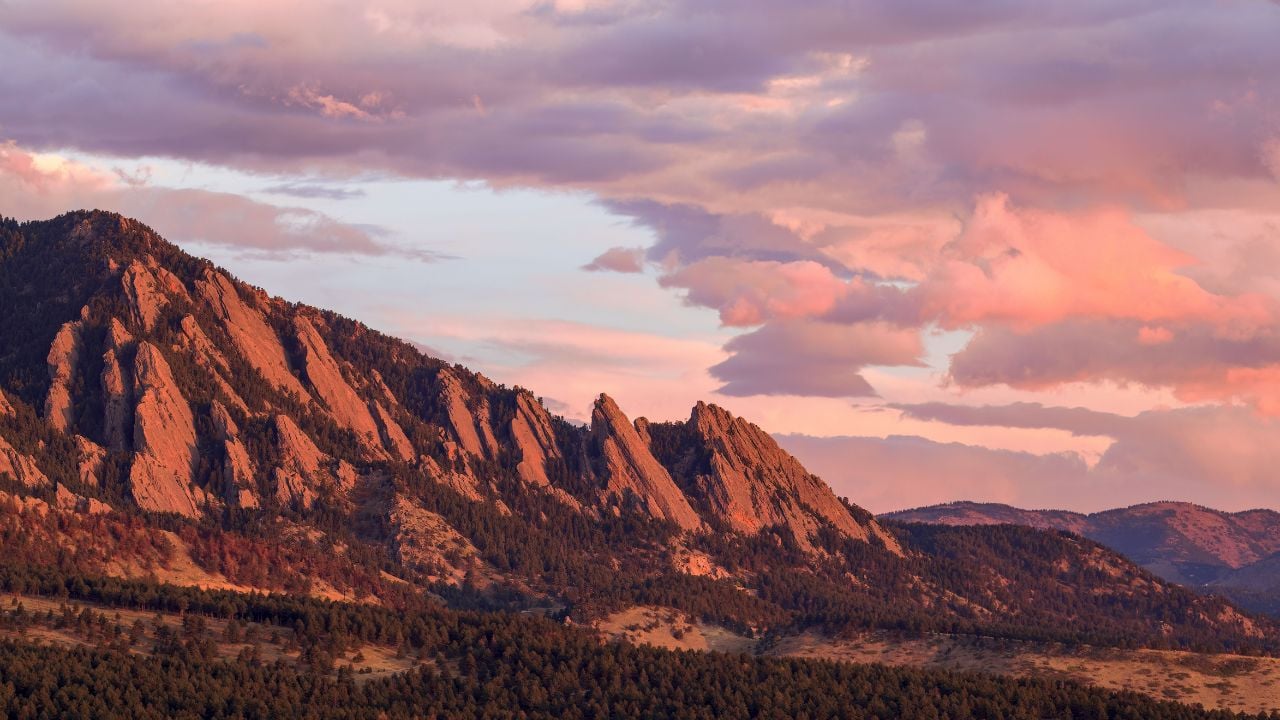
Boulder gives the day a clear split: town first, mountains close behind. Pearl Street brings restaurants, shops, patios, benches, and street life, while Boulder Creek and the Flatirons keep the outdoor part of the trip visible from the city side.
Visit Boulder calls Pearl Street the heart and soul of the city and notes that four blocks are closed to traffic. That pedestrian stretch gives travelers an easy base for coffee, lunch, errands, people-watching, and dinner without moving the whole day into a car.
Chautauqua brings the mountain edge close, but it is not a casual afterthought in hot weather. The City of Boulder describes Chautauqua Trail as a 1.2-mile out-and-back path through historic Chautauqua Meadow with views of the Flatirons, and it warns that the trail is heavily used and gets hot without shade.
A Boulder day needs water, timing, and a realistic trail plan. Focus time or errands near Pearl Street, food downtown, then a trail or creek walk when the weather suits it. The mountain access is real, but so are heat, crowds, parking, water needs, and altitude.