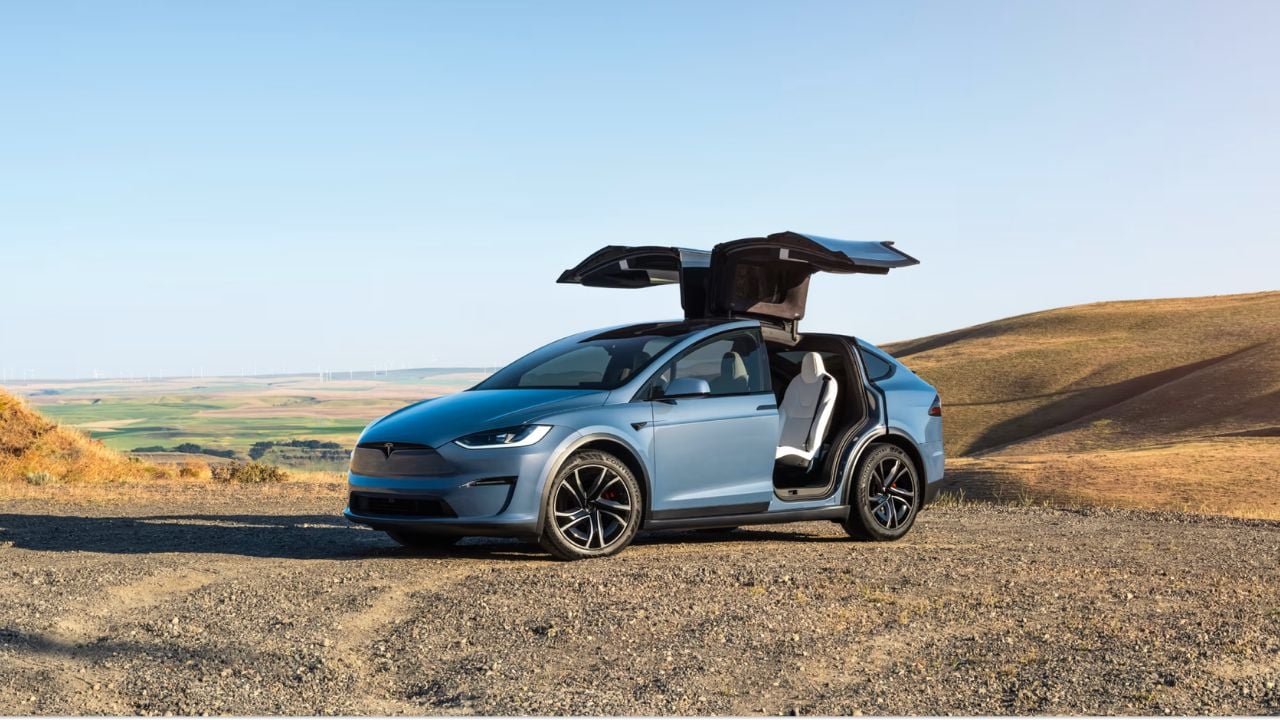
Tesla has officially ended production of the Model S and Model X, bringing two of the most influential electric vehicles ever built to the end of the road. The company confirmed the news in a post on X, showing the final examples rolling out of the Fremont factory after more than a decade in production.
The Model S entered production in 2012, while the Model X followed in 2015. Long before the more affordable Model 3 and Model Y became global bestsellers, these two vehicles carried Tesla’s ambitions into the mainstream and helped reshape public perception of electric cars.
At a time when EVs were often dismissed as slow, compromised, or impractical, the Model S and Model X proved electric vehicles could be fast, luxurious, technologically advanced, and genuinely desirable. Their influence extended far beyond Tesla itself, pushing nearly every major automaker to accelerate EV development.
Tesla has not announced direct replacements for either model. With the automaker increasingly focused on autonomous technology, robotics, and AI initiatives, the departure of the Model S and X marks the end of an era that fundamentally changed the automotive industry.
The Model S Changed The EV Landscape
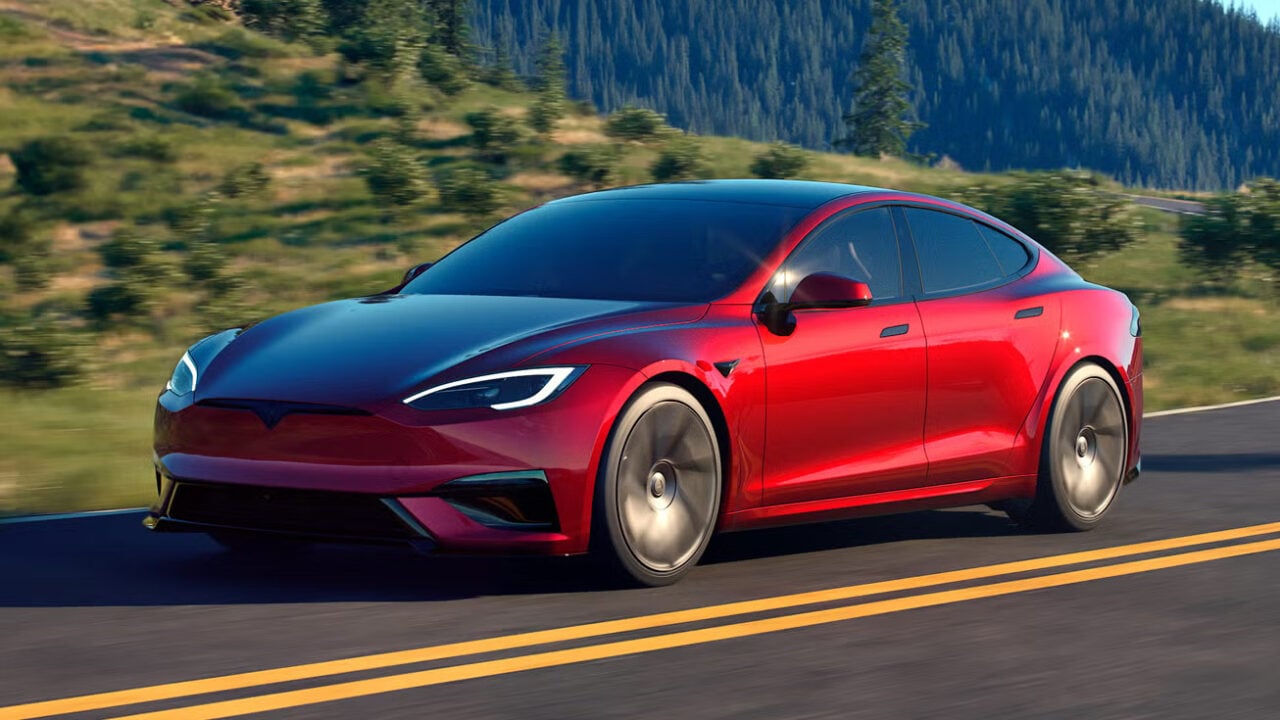
When the Model S launched in 2012, it immediately stood apart from every other EV on the market. Its sleek liftback design, minimalist interior, and massive touchscreen gave the car a futuristic identity that few rivals could match at the time.
Performance was equally impressive for the era. Early long-range variants offered around 265 miles of range, a remarkable figure in the early 2010s, while higher-performance versions delivered sports car-like acceleration in near silence. Tesla’s growing Supercharger network also solved one of the biggest concerns surrounding EV ownership by making long-distance travel more realistic.
Over the years, Tesla continuously updated the sedan with improved batteries, more efficient motors, enhanced software, and major hardware revisions. Features like Autopilot helped position the company as a technology leader, even as competitors struggled to deliver comparable systems.
The final evolution of the Model S became one of the quickest production cars ever built. The tri-motor Plaid version produced more than 1,000 horsepower and could launch from 0-60 mph in under two seconds under ideal conditions, all while offering more than 400 miles of range in standard form.
Model X Brought Performance To The Luxury SUV Segment
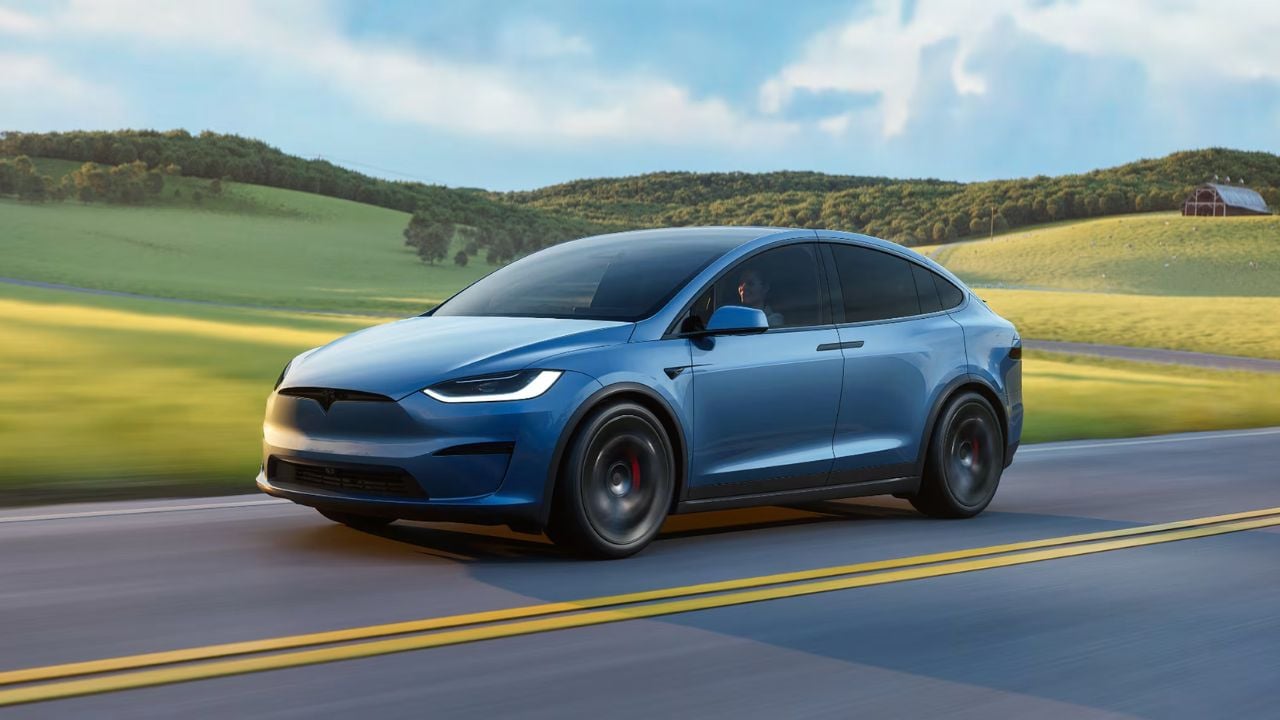
Tesla expanded its lineup with the Model X in 2015, entering the rapidly growing SUV market with one of the most unconventional vehicles of the decade. The three-row crossover shared much of its architecture with the Model S but introduced a more family-oriented design and dramatically increased practicality.
Its signature Falcon Wing rear doors instantly became one of the vehicle’s defining features. While controversial at launch due to complexity concerns, the doors reinforced Tesla’s image as a company willing to experiment with bold engineering ideas.
Despite its larger size and heavier body, the Model X still delivered impressive range and acceleration figures for its class. Early models approached 300 miles of EPA-rated range, a benchmark few electric SUVs could match at the time.
The performance ceiling rose significantly throughout the vehicle’s lifespan. The Plaid version eventually turned the large crossover into one of the fastest SUVs in the world, capable of supercar-level acceleration while carrying up to seven passengers.
Tesla’s Premium EV Era Comes To A Close
The last Model S & the last Model X have been produced at Fremont Factory
14 years of history for Model S, 11 years for Model X
— Tesla (@Tesla) May 10, 2026
Although sales of the Model S and Model X slowed in recent years, both vehicles played a critical role in establishing Tesla as a global automotive force. Combined sales are estimated at roughly 750,000 units worldwide, a substantial figure considering their premium pricing and niche positioning.
Their impact stretched well beyond volume. The Model S proved an EV could compete directly with luxury sedans from established German automakers, while the Model X demonstrated that electric SUVs could combine performance, utility, and long-range capability without major compromises.
The timing of their departure also reflects Tesla’s changing priorities. The company’s attention has increasingly shifted toward software, autonomous driving technology, robotics, and mass-market products rather than low-volume flagship vehicles.
Luxury EV competitors now have an opportunity to capture buyers once drawn to Tesla’s premium models. Automakers, including Lucid Motors, Rivian, and Cadillac, continue expanding their high-end electric offerings as the market evolves beyond the vehicles that helped create it.
The Legacy Will Outlast The Production Run
Few vehicles have altered the direction of the automotive industry as dramatically as the Model S and Model X. They arrived at a moment when most manufacturers still treated EVs as niche compliance cars and forced the industry to take electric mobility seriously.
Their influence can still be seen across today’s market. Massive infotainment screens, over-the-air software updates, rapid charging infrastructure, and extreme EV performance figures have become increasingly common largely because Tesla proved buyers wanted them.
The final cars leaving Fremont close an important chapter not just for Tesla, but for the broader EV movement. Even after production ends, the impact of the Model S and Model X will continue shaping the next generation of electric vehicles for years to come.