A modern V12 luxury car is now a rare statement. In a market shaped by downsizing, batteries, turbocharged four-cylinders, and tightening efficiency targets, twelve cylinders still carry a specific kind of authority.
The appeal is not only speed. In a luxury car or grand tourer, a V12 matters because it delivers power with little strain, produces deep reserves of torque, and gives the car a smoother character than smaller engines working harder.
The remaining modern V12 luxury cars and grand tourers are not stuck in the past. They pair twelve-cylinder engines with advanced suspension systems, digital cabins, all-wheel drive in some cases, hybrid-era expectations, and extensive personalization.
These five models keep the V12 relevant in different ways. One is a flagship limousine, one is a Maybach sedan, one is an ultra-luxury SUV, one is a four-door Ferrari, and one is a modern British Super GT.
The Standard Behind These V12 Luxury Picks

This selection focused on modern V12-powered luxury vehicles and grand tourers that still matter to U.S. buyers or globally relevant high-end buyers. Each model needed more than twelve cylinders. It also had to express luxury through craftsmanship, comfort, cabin experience, grand-touring ability, status, rarity, or long-distance refinement.
Pure performance cars were left out unless they also carried a clear luxury or grand-touring role. Historical importance helped, but current relevance mattered more.
Power figures, torque delivery, ride quality, design presence, personalization, and how naturally the V12 fits the car’s identity all shaped the final list. The engine had to be central to the experience, not a nostalgic badge on an otherwise ordinary luxury car.
Rolls-Royce Phantom

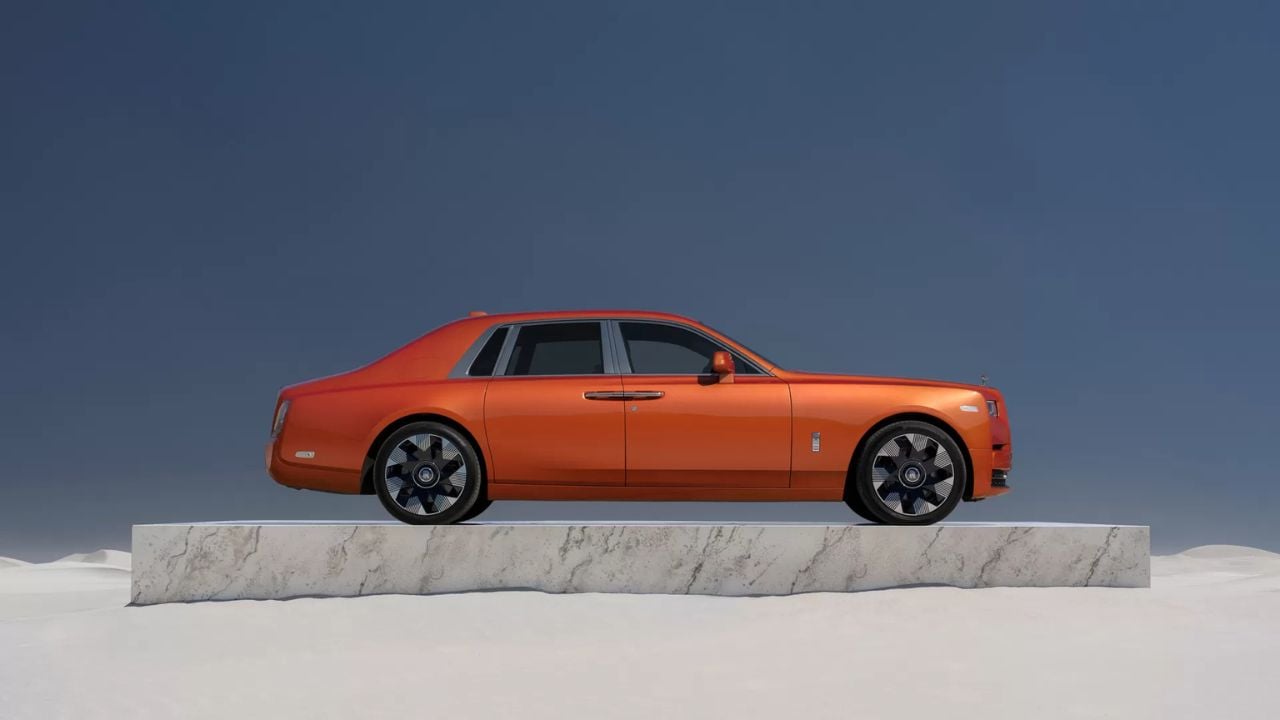
The Rolls-Royce Phantom remains the clearest expression of the V12 luxury ideal. Its 6.75-liter twin-turbo V12 is rated at 563 hp and 664 lb-ft of torque, paired with an eight-speed automatic transmission.
The torque figure matters more than the horsepower. The Phantom’s engine moves a large cabin with low-rpm authority, so the car does not need aggressive throttle response or obvious engine noise to feel powerful.
The rest of the car is built around the same purpose. The Phantom uses advanced suspension technology, a heavily insulated cabin, coach doors, extensive Bespoke personalization, and a rear-seat experience designed around quiet travel rather than driver theater.
The V12 belongs here because it supports the Phantom’s main job: making a large ultra-luxury sedan move without strain, noise, or interruption.
Mercedes-Maybach S 680 4MATIC
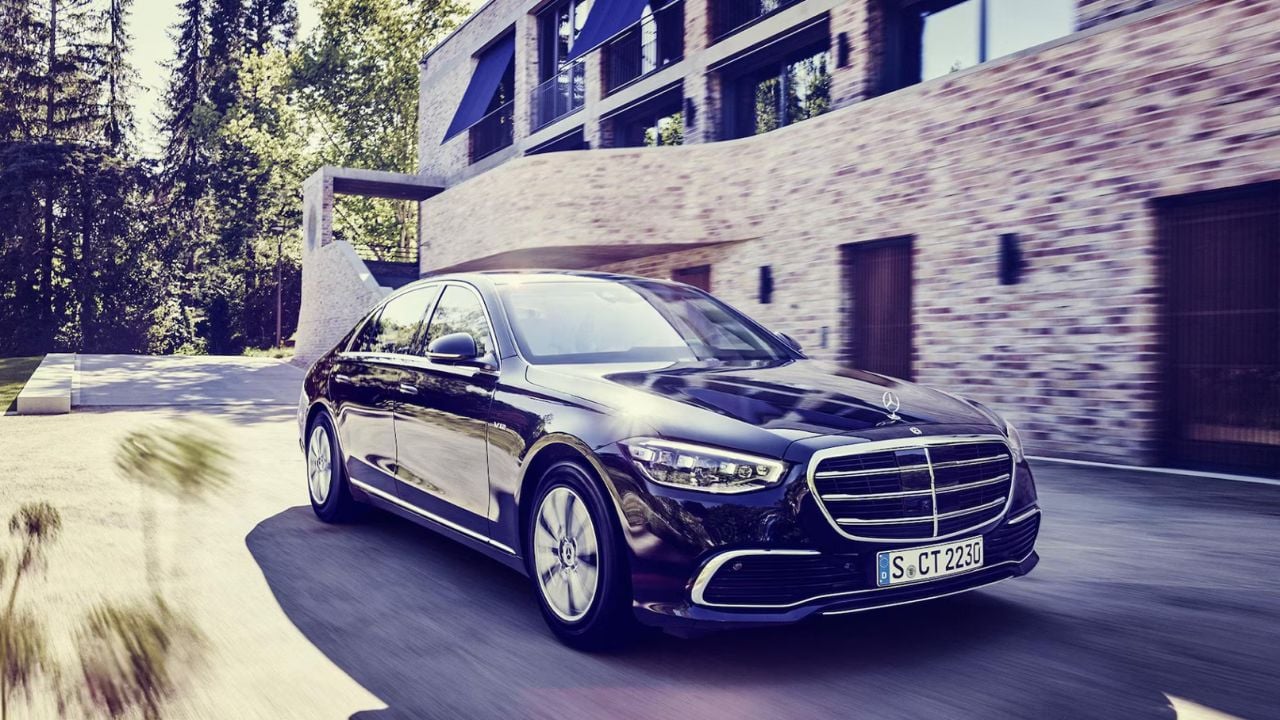
The Mercedes-Maybach S 680 4MATIC is one of the last modern sedans where a V12 still feels central to the car’s identity. Mercedes-Benz lists the 2026 S 680 with a handcrafted 6.0-liter biturbo V12 producing 621 hp and 664 lb-ft of torque.
The engine gives the Maybach serious pace, but the car’s real focus is rear-seat comfort, long-wheelbase space, cabin isolation, and materials. This is twelve-cylinder power used for smoothness and reserve rather than noise or drama.
The S 680 also keeps the V12 alive in a traditional luxury sedan format. It uses 4MATIC all-wheel drive, a large body, and extensive comfort technology to make the engine feel part of a complete chauffeur-class package.
It belongs here because the V12 is not just a status detail. It reinforces the Maybach’s role as a long-distance sedan built around power held in reserve.
Rolls-Royce Cullinan

The Rolls-Royce Cullinan carries the V12 luxury formula into the ultra-luxury SUV segment. The Cullinan Series II continues with a 6.75-liter twin-turbo V12, all-wheel drive, and the tall body style buyers now expect from the most expensive family and chauffeur vehicles.
Current Cullinan Series II figures list 563 hp and 627 lb-ft of torque in standard form. Black Badge Cullinan Series II keeps the same basic V12 layout but raises output to 600 PS and 900 Nm, which is about 591 hp and 664 lb-ft.
The Cullinan uses its V12 differently from the Phantom. It has to move more height, more visual mass, and a body built for difficult weather, private roads, luggage, and a more flexible ownership life.
That is why it belongs here. The Cullinan adapts the old Rolls-Royce smoothness to a more practical shape without giving up the low-effort power delivery that made the brand’s V12 cars famous.
Ferrari Purosangue

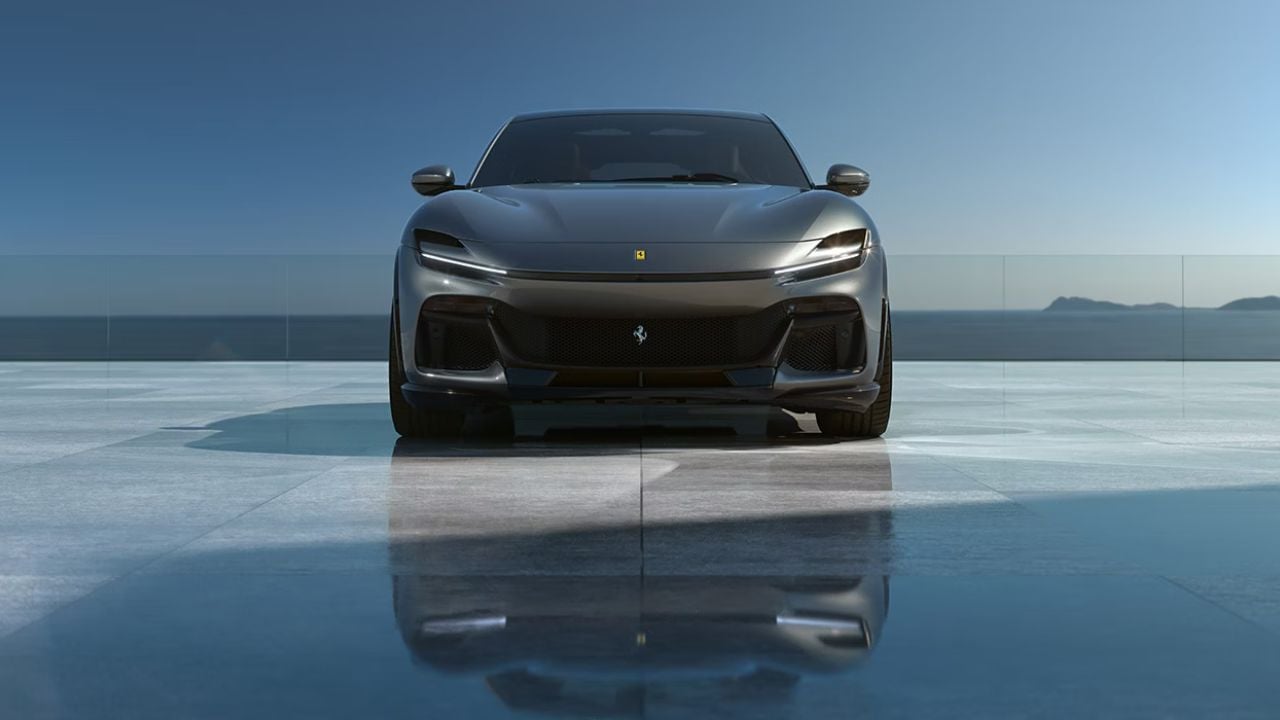
The Ferrari Purosangue keeps the naturally aspirated V12 alive in a format Ferrari had never used before. Ferrari describes the Purosangue as the brand’s first car with four doors and four seats.
Its 6.5-liter V12 is rated at 715 hp and 528 lb-ft of torque. Unlike the turbocharged V12s in several luxury rivals, the Ferrari engine keeps the naturally aspirated response and sound that have long defined the brand’s most emotional road cars.
The Purosangue earns its place because it combines real passenger space with a powertrain that still feels central to the car, not added for nostalgia. The four-seat layout and usable cabin make it more practical than Ferrari’s traditional front-engine GTs, but the V12 keeps the car tied to Maranello’s most important engine tradition.
This is the least formal luxury car here, but it belongs because the engine makes the whole concept work. Without the V12, the Purosangue would be easier to compare with other high-end performance SUVs. With it, the car becomes something more specific to Ferrari.
Aston Martin Vanquish
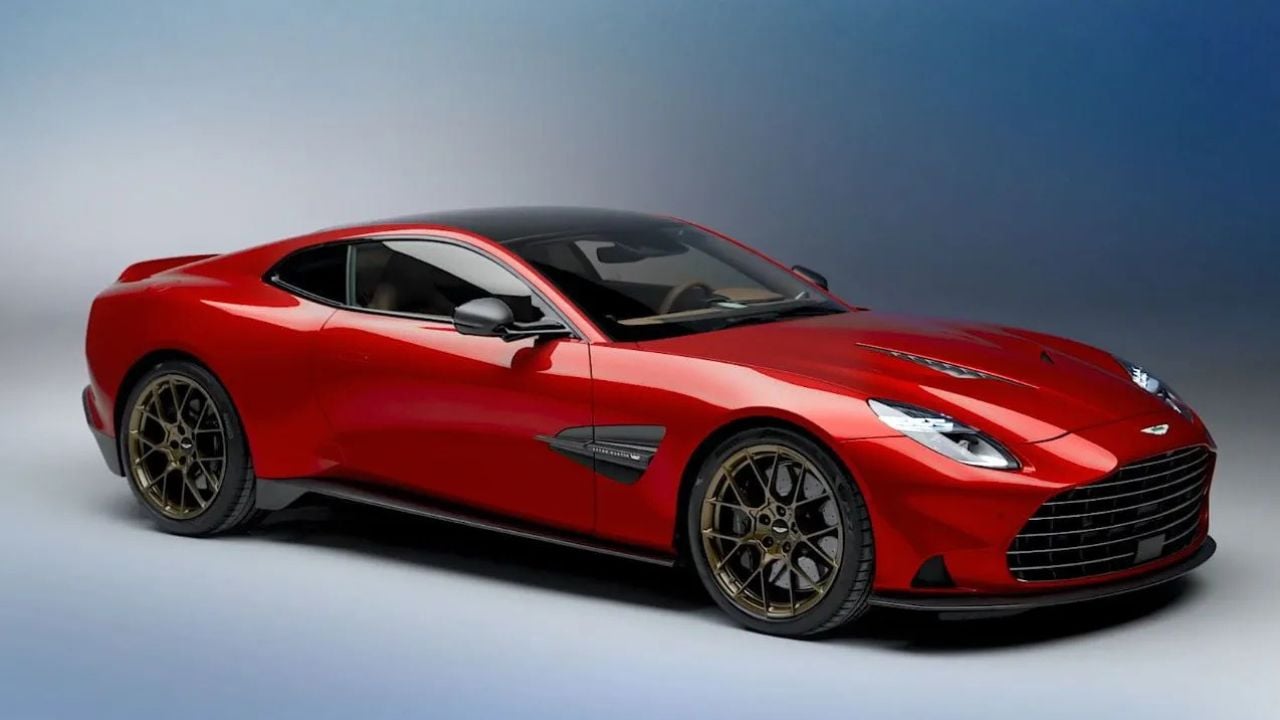
The modern Aston Martin Vanquish brings the V12 luxury argument into grand-touring territory. Aston Martin describes the new Vanquish as a Super GT with a front-mid-mounted 5.2-liter twin-turbo V12 driving the rear wheels.
The engine produces 824 hp and 738 lb-ft of torque. Those numbers are extreme, but the Vanquish is not included here only because it is fast.
Its long hood, rear-drive layout, two-seat cabin, high-speed stability, and luxury materials connect it to the traditional British GT idea: covering long distances quickly without turning every road into a track session.
The V12 gives the Vanquish its main identity. It provides the sound, torque, and status expected from a flagship Aston Martin, while the cabin and grand-touring setup keep it in the luxury conversation rather than the pure-supercar category.
Why The V12 Still Matters In Luxury Cars
The V12 survives in fewer cars now, which makes the remaining examples more specific. These engines are not kept around because they are efficient or easy to justify on paper. They remain because they change the way a luxury car delivers power.
A strong V12 gives a large car low-effort acceleration, smooth torque delivery, and a sound that can stay quiet at cruising speed but still feel special when the driver asks for more.
Electric luxury cars can be silent, instant, and extremely refined. A V12 offers a different kind of refinement: combustion power delivered with enough reserve that the engine rarely feels stressed.
That is why these five cars still matter. They show that twelve cylinders can still support comfort, status, distance, and grand-touring character when the engine is matched to the right kind of car.