A V10 engine is rarely the cheap or simple choice. It adds cylinders, sound, packaging challenges, heat, and service costs that most ordinary cars avoid.
That is why the layout often gets judged harshly. Neglected V10 cars can turn missed maintenance into major repair bills, especially when the engine is packed into a supercar bay or tied to expensive performance hardware.
The better examples show a more useful lesson. A V10 can be durable when the design is strong, the cooling system is healthy, the oil service is respected, and the car is kept close to factory condition.
These six models are not cheap to own, and none should be confused with low-maintenance transportation. They belong here because their V10 engines earned strong reputations for strength, endurance, and character when maintained properly.
The Standard Behind These Durable V10 Picks
This selection focused on factory V10-powered models with credible engine-strength reputations when properly maintained. The criteria included production history, engineering quality, ownership reputation, long-term use patterns, serviceability, and how well the engine supports the vehicle’s identity.
High performance alone was not enough. The engine had to make sense as more than a headline number, and the vehicle needed a reputation for surviving real use when owners followed service requirements.
Models with major recurring engine concerns were avoided. The BMW E60 M5, for example, is exciting and historically important, but its S85 V10 has well-known ownership concerns around rod bearings, VANOS components, throttle actuators, and oiling sensitivity. That makes it a poor fit for this durability-focused list.
The final choices show that V10 durability can exist in very different vehicles, from American performance cars and trucks to exotic supercars and precision-built halo models.
Dodge Viper

The Dodge Viper is the clearest American case for a tough V10. Early cars relied on huge displacement, low-revving torque, and relatively simple engineering rather than delicate, high-strung complexity.
By the final generation, the numbers were serious. The 2017 Viper used an all-aluminum 8.4-liter V10 rated at 645 hp and 600 lb-ft of torque, paired with a six-speed manual transmission and rear-wheel drive.
The durability case starts with the basic layout. The Viper V10 is naturally aspirated, large-displacement, and not dependent on turbochargers, hybrid systems, or tightly stressed small-capacity engineering to make its power.
Maintenance still matters. Heat, tires, clutch condition, cooling-system health, and owner behavior can change the ownership experience quickly. The core engine, however, has long been one of the least fragile parts of the car when treated correctly.
Dodge Ram SRT-10
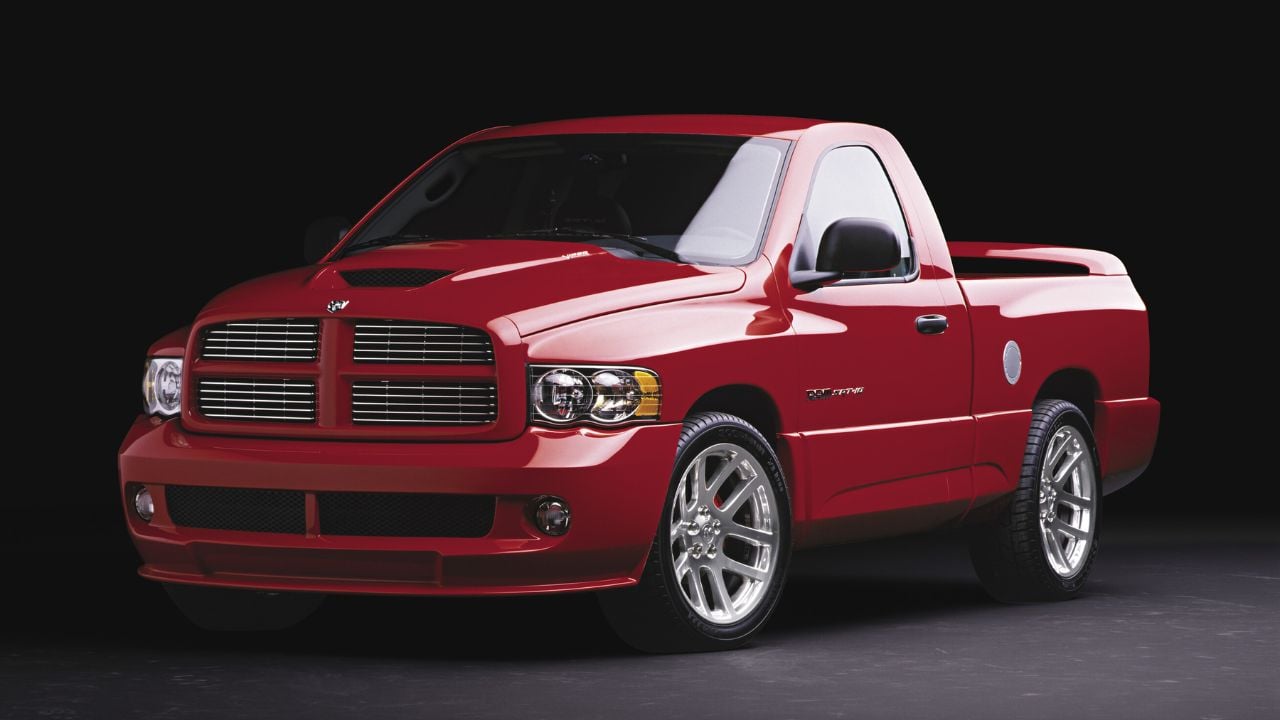
The Dodge Ram SRT-10 took the Viper formula and put it into a full-size pickup. Dodge used the 8.3-liter V10 from the Viper, creating one of the most unusual factory performance trucks ever sold.
The 2004-to-2006 Ram SRT-10 was rated at 500 hp and 525 lb-ft of torque. Regular Cab models used a six-speed manual transmission, while Quad Cab versions used a four-speed automatic.
The reliability argument is different from the Viper’s because the engine is working in a heavier truck. The SRT-10 still needs proper cooling, oil service, and careful ownership, but the engine itself came from a proven performance foundation rather than a one-off experiment.
The Regular Cab is the purer enthusiast version, while the Quad Cab adds more daily usability. In both cases, the V10 is the whole reason the truck exists.
Lamborghini Gallardo

The Lamborghini Gallardo helped prove that a modern exotic V10 could survive more than occasional weekend use. Early Gallardos used a 5.0-liter V10, while later LP 560-4 models moved to a 5.2-liter direct-injected V10 rated at 560 PS, or about 552 hp.
The Gallardo’s durability reputation is helped by its production volume and real-world use. It was not an ultra-rare garage queen built only for collectors. Many examples were driven regularly, serviced by specialists, and used far more often than older Italian exotics.
The car still demands proper maintenance. Clutch wear, fluids, cooling, suspension wear, and service history all matter, especially on cars that have been used hard or modified.
The important point is that the V10 itself became far less intimidating than the badge suggested. A well-maintained Gallardo can feel like a usable exotic rather than a fragile showpiece.
Audi R8 V10
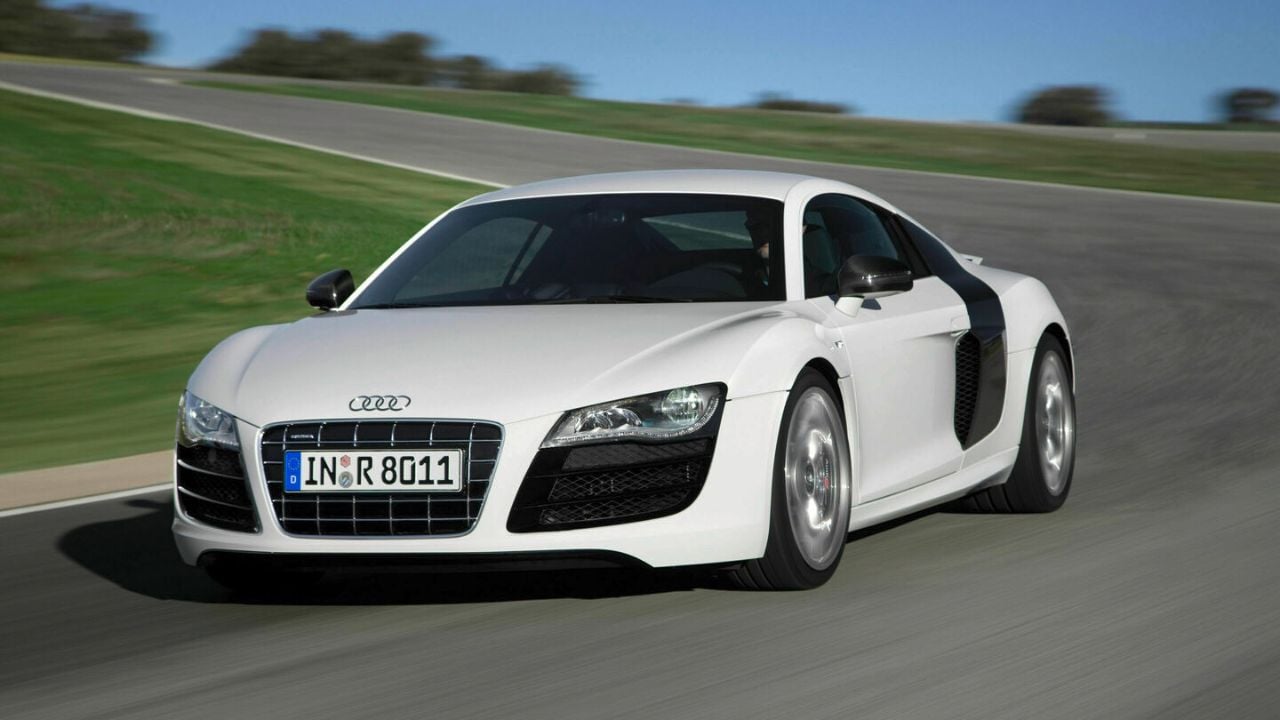
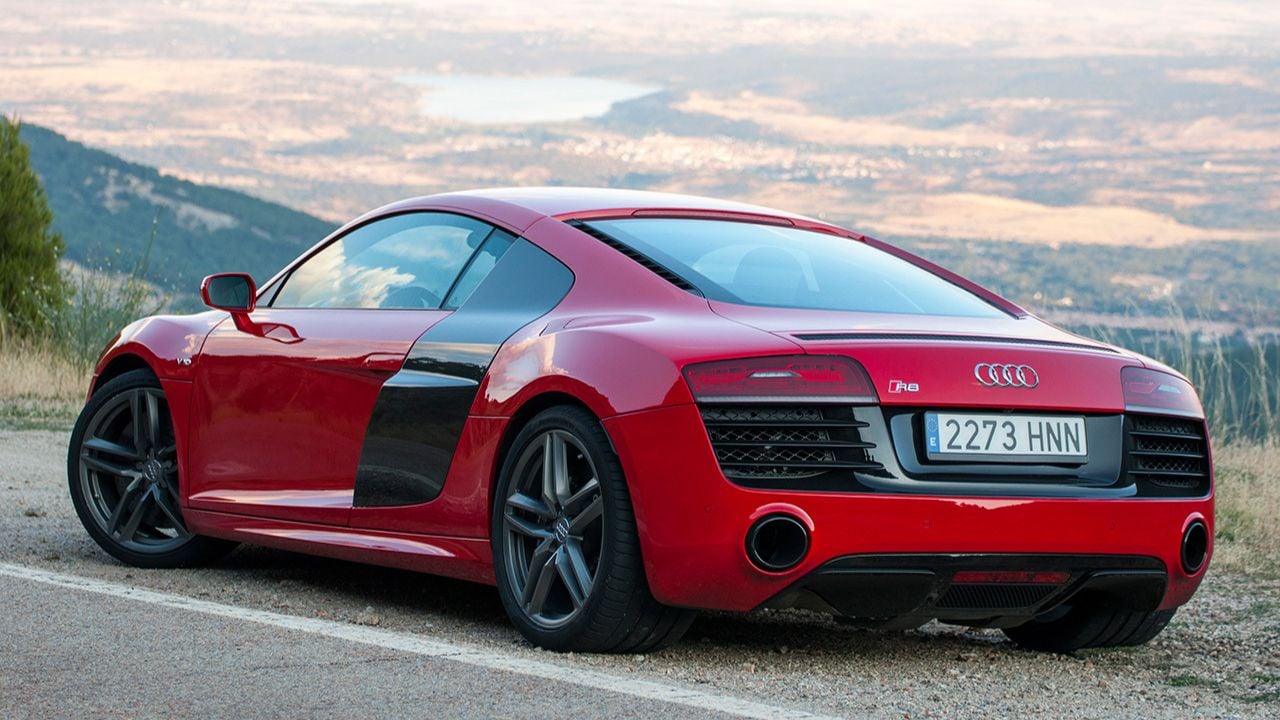
The Audi R8 V10 took the exotic V10 formula and put it in a more approachable package. Audi says the R8 received its 5.2-liter FSI V10 in 2010, producing 525 hp and revving to 8,700 rpm.
The R8’s strength is the way it combines supercar hardware with Audi’s daily-use discipline. The 5.2-liter V10 is closely related to Lamborghini’s unit, but the R8 surrounds it with a cabin, controls, visibility, and ownership experience that feel less intimidating than many older exotics.
That does not make it cheap to maintain. Fluids, brakes, tires, carbon buildup checks, leak checks, and transmission service can all be expensive. The difference is that the engine itself has earned a strong image among owners when maintained on schedule.
The R8 V10 fits this list because it made a high-revving exotic engine feel usable in a car that many owners actually drove.
Lexus LFA

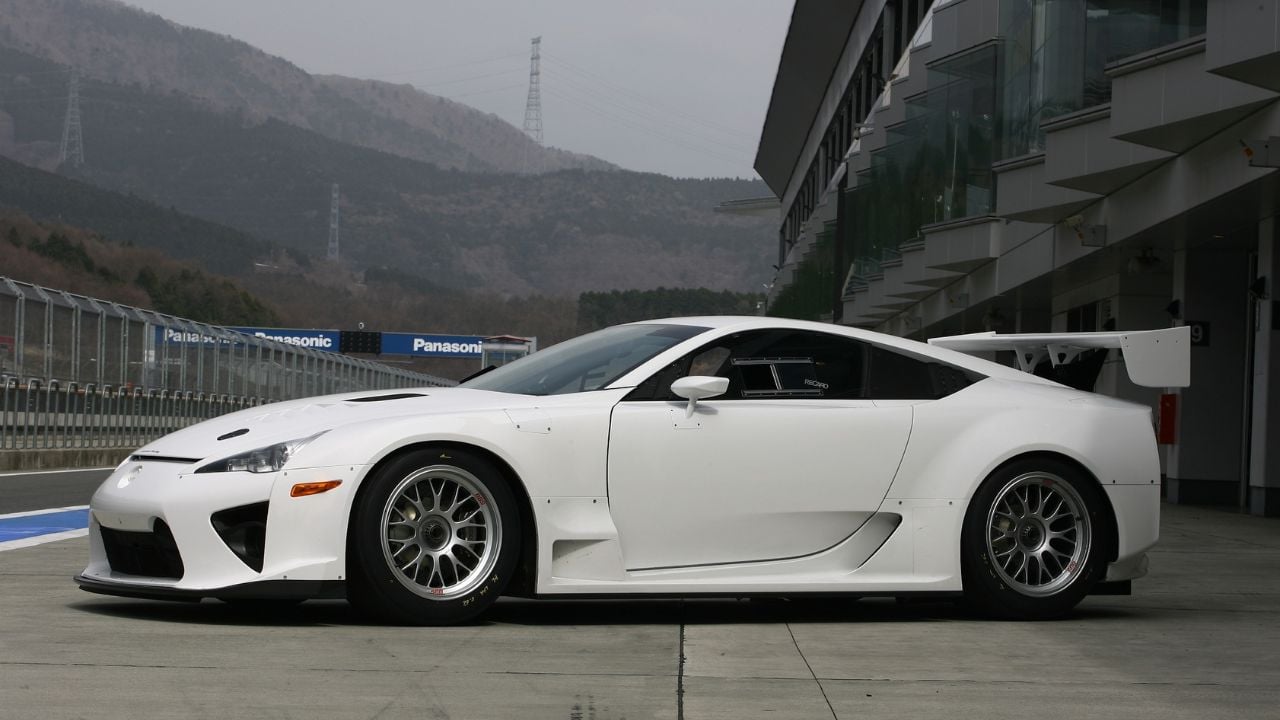
The Lexus LFA is the precision-built V10 on this list. Lexus announced the car with a 4.8-liter V10, rear-wheel drive, and a carbon-fiber-reinforced polymer structure.
Toyota said only 500 LFAs would be built worldwide. Lexus also highlighted the engine’s 9,000-rpm redline and stated that the V10 delivered 90% of peak torque between 3,700 rpm and 9,000 rpm.
The LFA was never a simple car, but it was developed with the kind of engineering discipline expected from Toyota and Lexus. Its reputation comes from precision, materials, calibration, and obsessive development rather than brute displacement.
For buyers who see reliability as consistency under extreme stress, the LFA is one of the strongest V10 statements ever made for the road.
Lamborghini Huracán
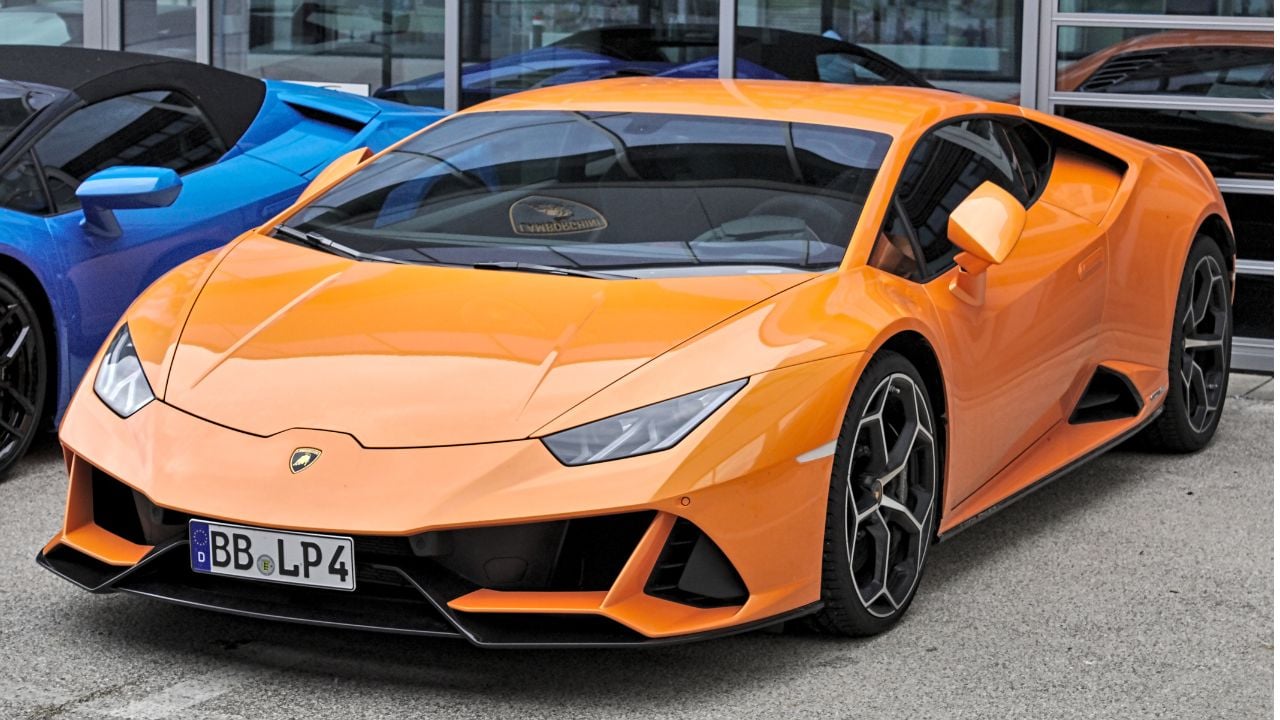
The Lamborghini Huracán refined the Gallardo formula and made the V10 the centerpiece of a more modern supercar. Early LP 610-4 models used a 5.2-liter naturally aspirated V10 rated at 610 PS, or about 602 hp, with 413 lb-ft of torque.
The same basic engine family served across a wide range of factory variants, including the Performante, Evo, STO, Tecnica, and Sterrato. That long production spread helped the Huracán’s V10 earn confidence as more than a one-model engine.
A Huracán still needs careful servicing, proper oil maintenance, warm-up discipline, and attention to heat. Heavily modified examples should not be used as proof of stock reliability, because forced-induction builds and extreme tuning add risks that factory cars do not share.
Kept close to stock and maintained correctly, the Huracán V10 stands as one of the last great naturally aspirated exotic engines with a strong long-term reputation.
Why The Best V10s Earned Their Reputation

The most durable V10s do not share one formula. The Viper and Ram SRT-10 rely on displacement, torque, and relatively straightforward American engineering. The LFA relies on precision development and Toyota-Lexus discipline. The Gallardo, Huracán, and R8 show how a modern exotic V10 can build confidence through real use and careful maintenance.
The common thread is not low ownership cost. It is strong engineering backed by correct servicing. Oil quality, cooling-system health, factory-level maintenance, warm-up habits, and avoiding careless modifications matter more with these engines than with ordinary commuter cars.
A V10 will always be more demanding than a simpler engine layout. The best examples prove that demanding does not have to mean fragile.
In the right car and with the right owner, a V10 can be one of the most durable, distinctive, and memorable engines ever fitted to a road vehicle.