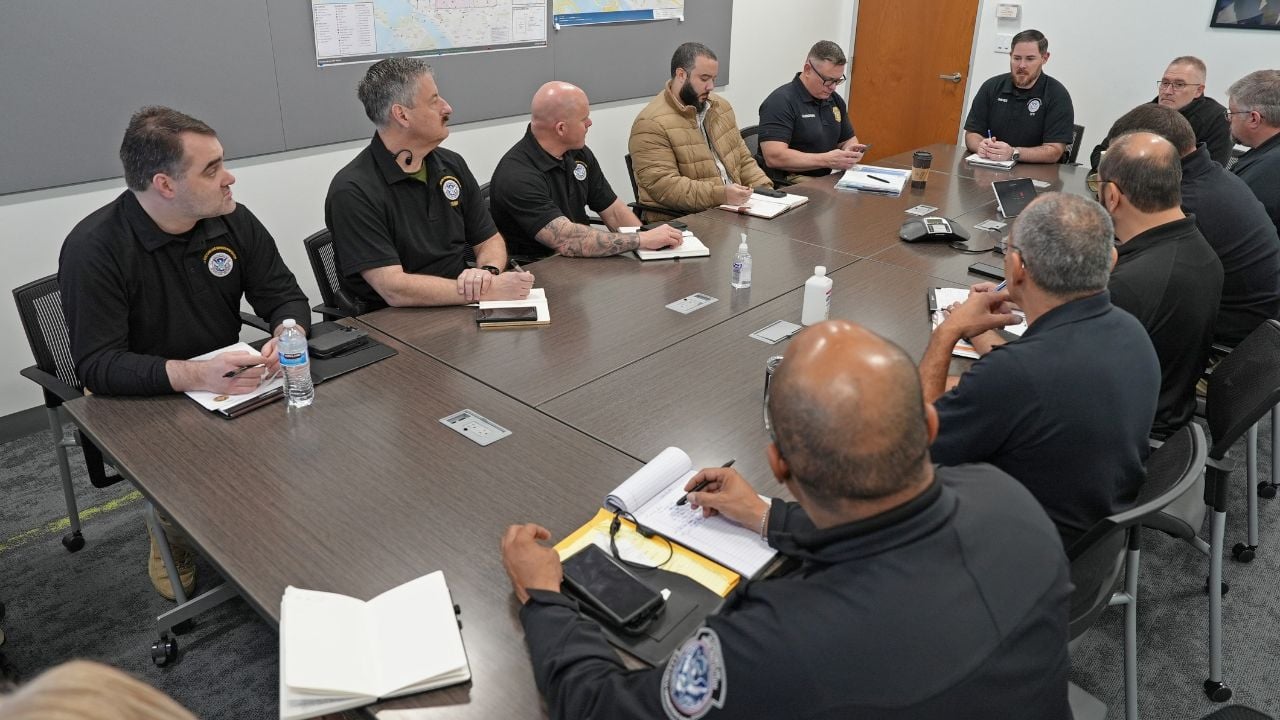
American businesses rushing to recover money from overturned Trump-era tariffs are now facing a second problem. The scams that are exploiting the refund process. As U.S. Customs and Border Protection prepares to issue the first wave of tariff repayments, cybersecurity experts and trade attorneys say fraud attempts are already spreading through emails, fake websites, and phone calls. They are targeting importers unfamiliar with the new system.
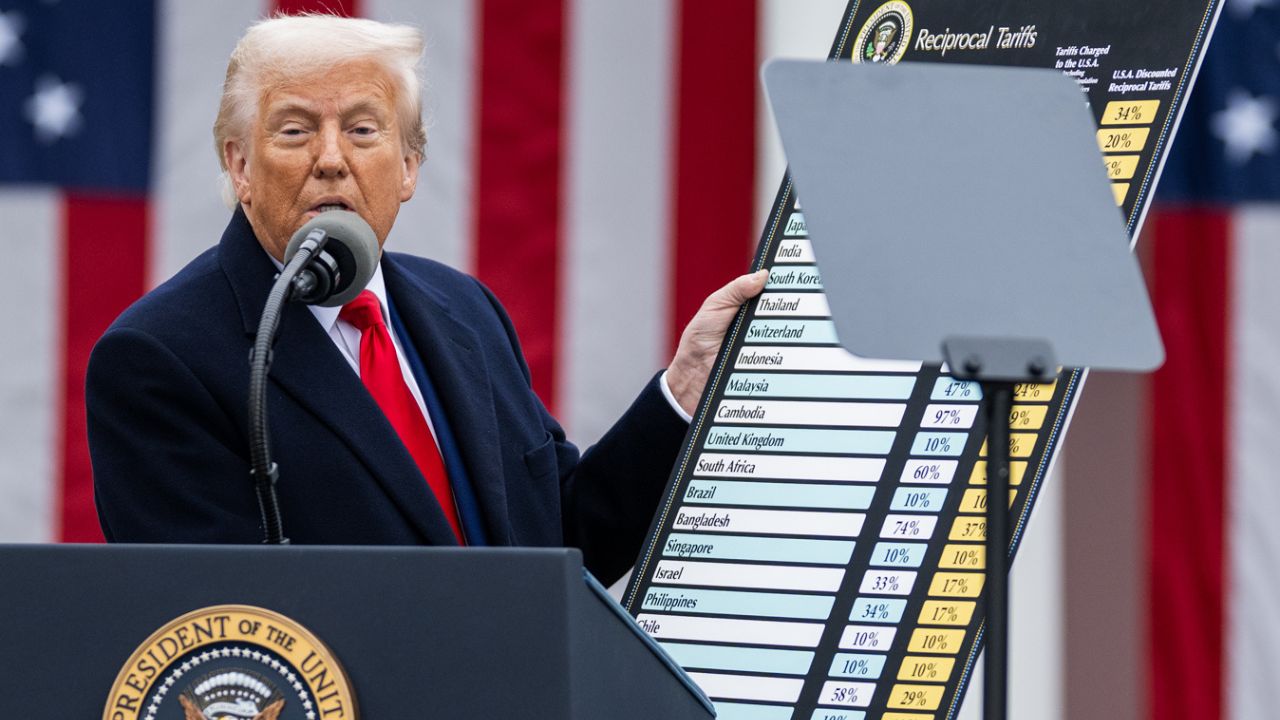
The refund program follows a U.S. Supreme Court ruling in February that found President Donald Trump unlawfully used emergency powers to impose some tariffs under the International Emergency Economic Powers Act. The decision triggered a massive government repayment effort estimated at $166 billion across more than 53 million import entries.
That scale has created confusion, particularly among small and mid-sized businesses trying to navigate the newly launched CBP refund portal. Officials say scammers are taking advantage of the uncertainty by sending fake notices promising expedited refunds or requesting banking information under the guise of “verification.”
Refund Rollout Creates Opening for Fraudsters

The federal government officially launched its online claims portal in April, allowing importers to file for refunds tied to the now-invalid tariffs. Since then, hundreds of thousands of businesses have rushed to submit claims.
According to court filings and customs data, only a fraction of claims have reached the payment stage so far, while many others remain under review or were rejected because of data errors and formatting problems.
That backlog has created fertile ground for scammers posing as customs officials, consultants, or refund processing firms. Trade experts warn that companies desperate for updates may be more likely to trust suspicious emails or links claiming to speed up payments.
Fraud investigators say some schemes mirror common “refund scams” already used in tech support fraud and banking impersonation attacks. Victims are often told they qualify for money, then pressured to provide account details, login credentials, or upfront “processing fees.” Analysts studying online scam infrastructure say criminals frequently build convincing fake portals and spoof official communications during periods of public confusion.
Small Businesses Face the Biggest Risk

Large corporations typically use customs brokers, legal teams, and automated trade compliance systems to handle claims. Smaller businesses often do not have that level of protection. Some business owners told media outlets they were unaware they even qualified for refunds until weeks after the portal launched. Others said the filing system itself was difficult to understand.
Industry attorneys warn that unfamiliarity makes smaller firms more vulnerable to scams promising “guaranteed” approvals or faster processing times. Customs officials have repeatedly said there is no shortcut for approval and that legitimate claims must move through verification procedures before payments are issued.
The government has also emphasized that importers must register properly for electronic refunds. Earlier court filings showed many eligible companies had not completed enrollment, increasing confusion across the trade sector.
Meanwhile, businesses are under pressure to recover costs after years of higher import expenses tied to tariffs on goods from China and other countries. Companies ranging from retailers to automakers are now seeking substantial repayments. General Motors alone expects roughly $500 million in refunds tied to the court ruling.
Officials Urge Businesses to Verify Every Communication
Trade attorneys and cybersecurity specialists are advising businesses to treat unsolicited refund offers with caution. Experts recommend verifying all communication directly through official CBP channels and avoiding links or attachments sent through unexpected emails.
Importers are also being urged not to share customs account credentials or banking information with third-party firms that cannot be independently verified. Several law firms involved in tariff litigation have warned clients that the government does not charge fees to release approved refunds.
Customs officials expect the first electronic payments to begin arriving in May, but many claims could still take weeks or months to process because of the scale of the operation. For businesses already frustrated by delays, the rise of refund-related scams adds another layer of risk to one of the largest trade repayment efforts in U.S. history.