A comfortable city break needs a tight route, not a luxury budget. The strongest version keeps the hotel, main walking streets, food area, market, viewpoint, and evening plan close together, so the day does not turn into logistics.
Bologna builds a short stay around Piazza Maggiore, the Quadrilatero, porticoes, pasta restaurants, and covered walking routes. San Sebastián links La Concha, the Old Quarter, pintxo bars, markets, and viewpoints in one coastal plan. Lyon places rivers, Vieux Lyon, Fourvière, the Presqu’île, and traditional bouchons inside a central food-and-history route.
Graz pairs its UNESCO-listed old center with farmers’ markets, Styrian food, cafés, and creative architecture. Oaxaca City links colonial streets, markets, moles, chocolate, crafts, and Monte Albán. Chiang Mai brings old-city temples, night markets, handmade goods, Doi Suthep, cafés, and Northern Thai food into a slower city rhythm.
Ghent keeps canals, medieval streets, river walks, towers, cafés, museums, Patershol restaurants, and student energy inside a compact Belgian city. Each destination still needs hotel research, dinner reservations, weather checks, and realistic day blocks, but the main pleasures sit close enough to make the trip feel settled quickly.
1. Bologna, Italy
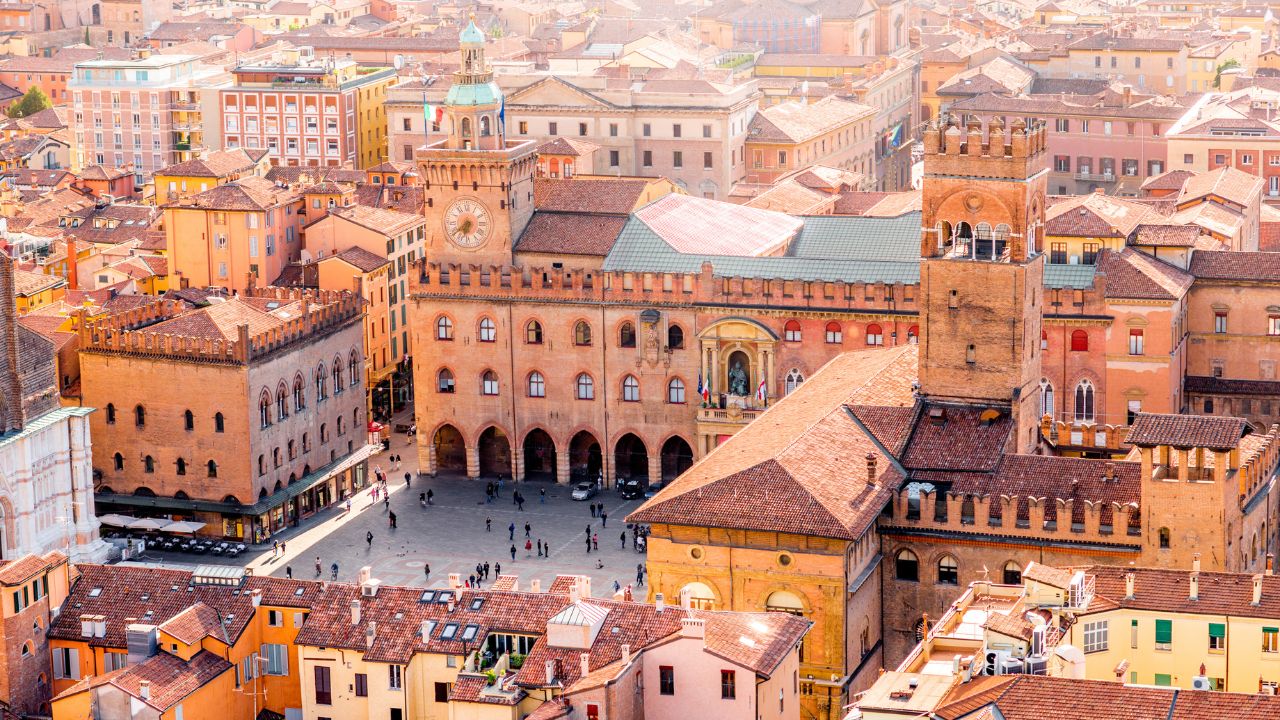
Bologna’s route starts around Piazza Maggiore and the Quadrilatero. Bologna Welcome says the city has more than 62 kilometers of porticoes, and UNESCO added the Porticoes of Bologna to the World Heritage List in 2021. Those arcades give the central walk shelter, shade, and a direct link between squares, churches, food streets, and shopping areas.
The Quadrilatero keeps food close to the historic core. Bologna Welcome describes the area near Piazza Maggiore as a market district with trading traditions dating back to the Middle Ages. Narrow lanes lead between food shops, wine bars, fresh pasta, mortadella, Parmigiano Reggiano, and restaurants without pulling visitors away from the center.
A practical Bologna day links Piazza Maggiore, the Two Towers area, the Quadrilatero, a portico walk, and dinner near the old center. A longer stay adds museums, Santo Stefano, or a portico route toward the Sanctuary of San Luca as a separate block.
Hotel location should stay close to the historic center or a strong transit route. A room far outside the center erases the convenience that makes Bologna useful for a food-focused short break.
2. San Sebastián, Spain
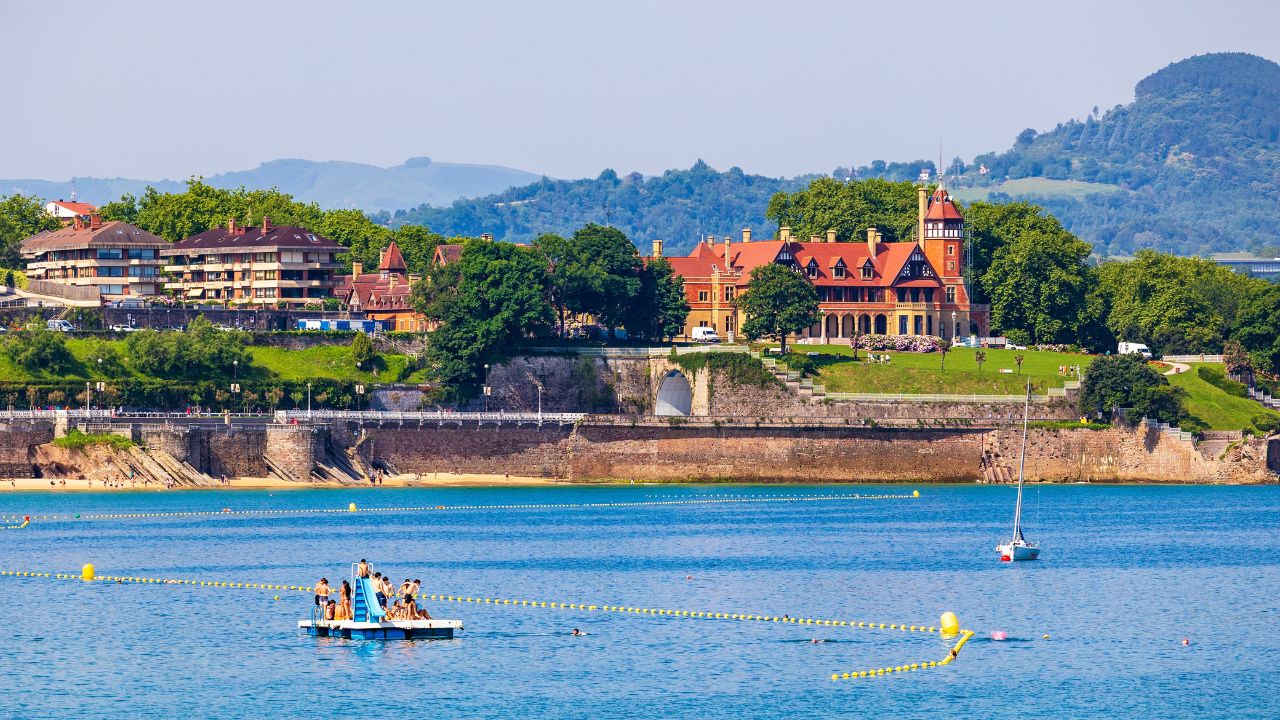
San Sebastián’s route starts at La Concha and finishes in the Old Quarter. Donostia San Sebastián Tourism describes La Concha as more than a kilometer and a half long, with a setting known for its bay, promenade, and city views.
The food route sits close to the water. The official tourism site describes the Centre and Old Quarter as areas with narrow streets, pintxo bars, restaurants, and the city’s oldest market. The walk from the beach or marina toward the Old Quarter turns dinner into several small stops instead of one distant reservation.
A strong day uses La Concha, the marina or Aquarium area, the Old Quarter, pintxos, and one viewpoint such as Mount Igeldo or Monte Urgull. Adding every beach, market, formal restaurant, and viewpoint to the same day makes the schedule too tight.
Pintxo bars, markets, lunch hours, and evening crowds follow different rhythms. Leave space between the beach walk, market browsing, and dinner route.
3. Lyon, France
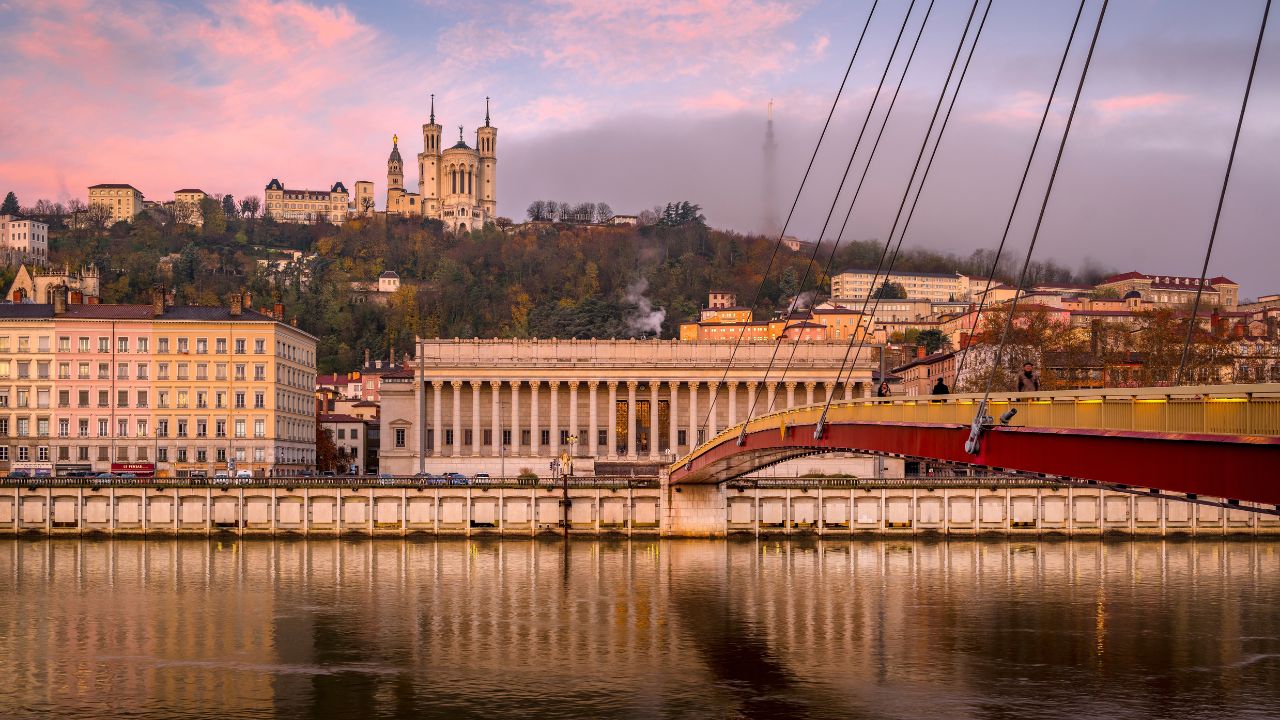
Lyon’s short-stay plan uses the rivers and old quarters as the main structure. The official tourism office says the UNESCO-listed historic area includes Vieux Lyon, Fourvière Hill, the slopes of Croix-Rousse, and much of the Presqu’île. That gives travelers Renaissance streets, hill views, riverbanks, squares, and central shopping streets inside one city route.
The bouchon tradition gives the food plan a local anchor. Lyon’s official tourism site says the Bouchons Lyonnais label was created with the Chamber of Commerce and Lyon Tourism to guarantee an authentic, high-quality culinary experience in traditional restaurants.
A practical day starts in Vieux Lyon, continues toward the Saône, adds Fourvière in clear weather, and returns toward the Presqu’île for dinner. Croix-Rousse, museums, markets, and longer river walks deserve separate blocks instead of becoming extra stops after a heavy lunch.
Traditional bouchons often require advance planning. Check opening days, reservation rules, and location before building the day around a late meal.
4. Graz, Austria

Graz works best with the old town and food markets at the center of the plan. Austria’s official tourism site describes Graz as a UNESCO World Heritage Site, a City of Design, and Austria’s culinary capital. Old lanes, squares, museums, creative architecture, cafés, and regional food sit inside a compact route.
Graz Tourism calls the city Austria’s Capital of Delight and points visitors toward farmers’ markets, regional specialties, pumpkin seed oil, wine, seasonal products, and Styrian culinary culture. A market walk, old-town route, café stop, and dinner fill the day without sending travelers across several districts.
A central route links Hauptplatz, the old town, Schlossberg, Murinsel, Kunsthaus Graz, and a food stop tied to Styrian produce. Decide early whether the day centers on markets, museums, or Schlossberg, since each one takes more time than a quick detour.
Season and opening hours affect the food side of the trip. Farmers’ markets, restaurants, and regional events need checks before arrival, especially during Sundays, holidays, and quieter travel periods.
5. Oaxaca City, Mexico
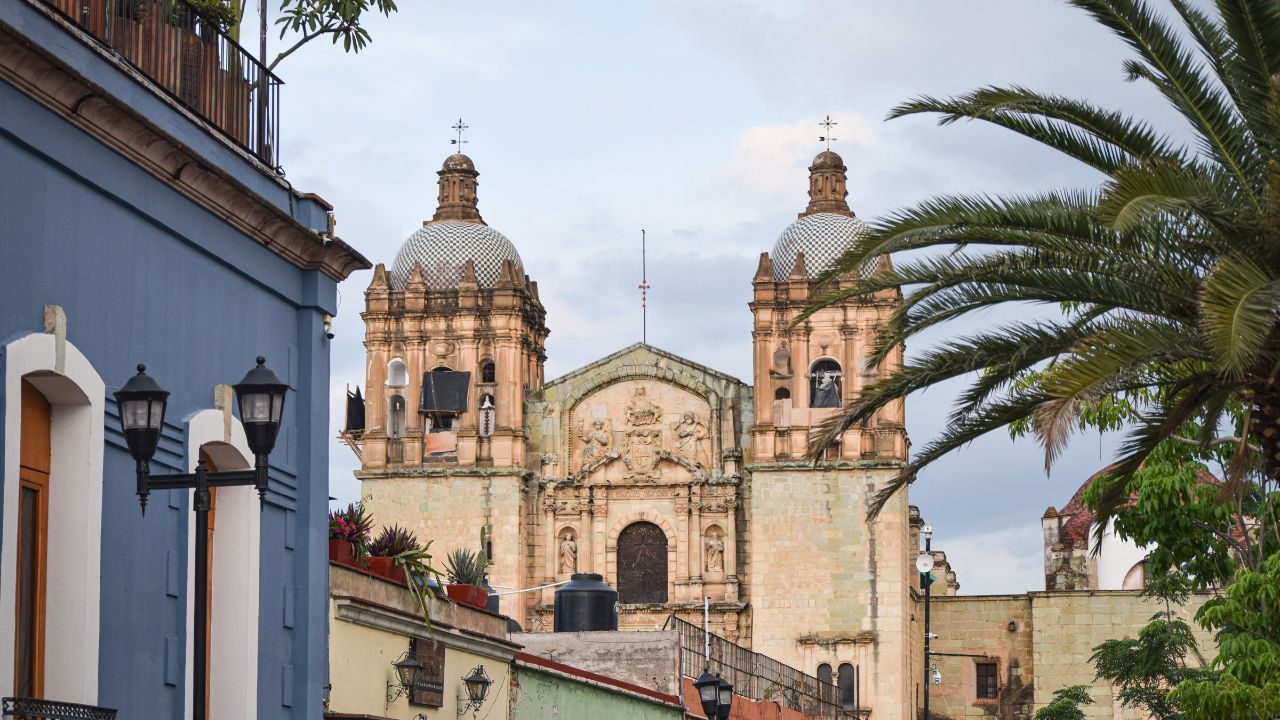
Oaxaca City gives travelers a central route built around streets, markets, churches, courtyards, crafts, and food. UNESCO recognizes the Historic Centre of Oaxaca and the Archaeological Site of Monte Albán as a World Heritage Site, linking the colonial city with the nearby pre-Columbian ceremonial center.
The food plan starts with markets rather than one formal restaurant. Oaxaca’s official tourism site says La Merced Market has more than 250 tenants and dining areas serving Oaxacan breakfasts and meals such as mole, memelas, tlayudas, enfrijoladas, enchiladas, empanadas, barbecue, stews, and fresh juices.
A central day links La Merced or another market, chocolate, tortillas, craft shops, church plazas, galleries, and dinner near the historic center. Monte Albán, mezcal producers, weaving villages, and surrounding valley towns require separate transport and timing.
Cooking classes, mezcal tastings, and guided market visits deserve reserved blocks before other sightseeing gets added. Oaxaca’s food culture depends on time at stalls, counters, and small shops, not a rushed list of quick tastings.
6. Chiang Mai, Thailand
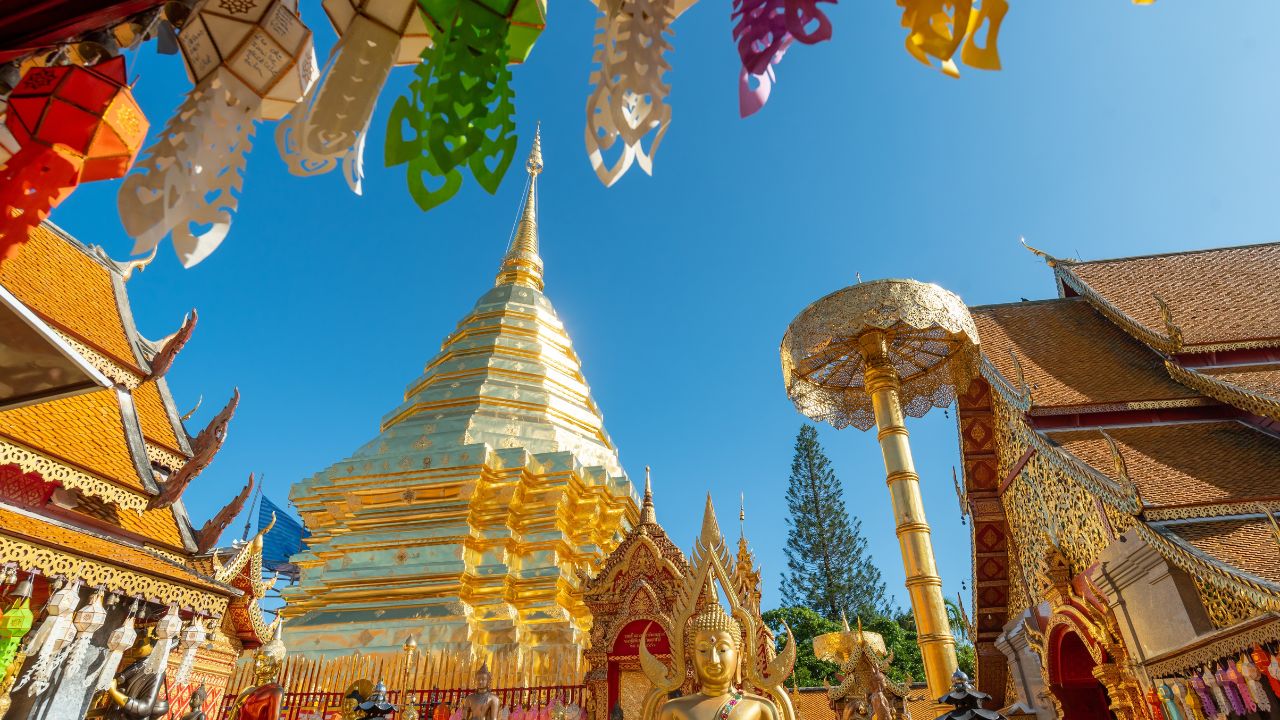
Chiang Mai brings temples, food, handmade goods, and hill views into a slower city route. Tourism Thailand highlights Phra That Doi Suthep as an important Chiang Mai landmark and points visitors toward local life and handmade products at Tha Phae Walking Street.
The Old City holds a temple-and-food block with the moat area, Wat Chiang Man, Wat Chedi Luang, small restaurants, coffee shops, massage stops, and shaded breaks. Doi Suthep sits outside that route and requires transport, clothing checks, weather checks, and enough daylight for the return.
Evening plans depend on the correct market day and location. Tha Phae Walking Street, night markets, food stalls, handmade products, local snacks, and evening crowds require cash, comfortable shoes, and enough time before any fixed dinner or pickup plan.
Cooking classes, elephant sanctuaries, mountain trips, and nearby villages belong in separate day blocks. The old city, Doi Suthep, and night markets work better when they are not squeezed into one rushed route.
7. Ghent, Belgium

Ghent keeps much of its appeal inside a walkable old center. Visit Flanders describes Ghent through its three towers, medieval streets, museums, cultural hotspots, student energy, and location where the Scheldt and Leie rivers meet.
The food route uses Patershol and the central canals. Visit Gent describes Patershol as one of the oldest quarters in the city, with small cobbled streets and restaurants serving traditional Flemish cuisine and international dishes.
A practical Ghent day starts around Graslei and Korenlei, continues toward the three towers, adds a museum or church stop, and moves into Patershol for dinner. A canal walk or boat ride fits naturally when the rest of the route stays in the old center.
Ghent deserves more than a rushed transfer between Brussels and Bruges. A full day leaves time for the canals, towers, one museum or church, a café stop, and dinner in the old center.