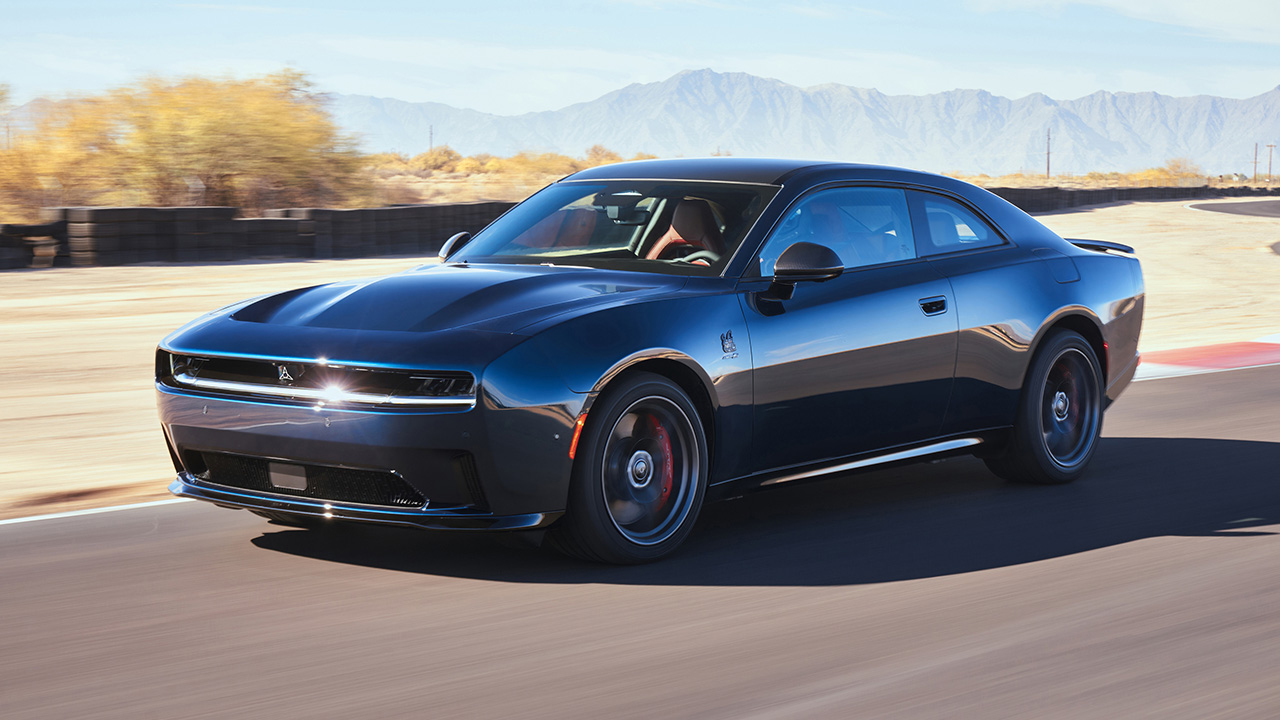
The electric Dodge Charger Daytona is facing growing scrutiny after a long-term test vehicle reportedly lost nearly $50,000 in value in just one year. Automotive publication Edmunds says it purchased a 2024 Charger Daytona Scat Pack for roughly $82,000 before taxes and fees, only to later sell the car for about $35,000 with fewer than 7,000 miles on the odometer.
The massive depreciation figure immediately reignited concerns surrounding EV resale values, particularly for high-priced performance-oriented electric vehicles. While electric cars generally depreciate faster than comparable gasoline models, the Charger Daytona’s decline stands out even within the EV segment.
Edmunds also did not hide its frustration with the vehicle during its year-long ownership experience. Staff members described the electric muscle car as inconsistent, buggy, awkward to drive, and disappointing overall, with many reviewers expressing relief once the vehicle left the fleet.
The situation highlights the difficult challenge Dodge faces as it attempts to reinvent one of America’s most iconic muscle car nameplates for the electric era.
The Charger EV Faced Harsh Criticism During Testing
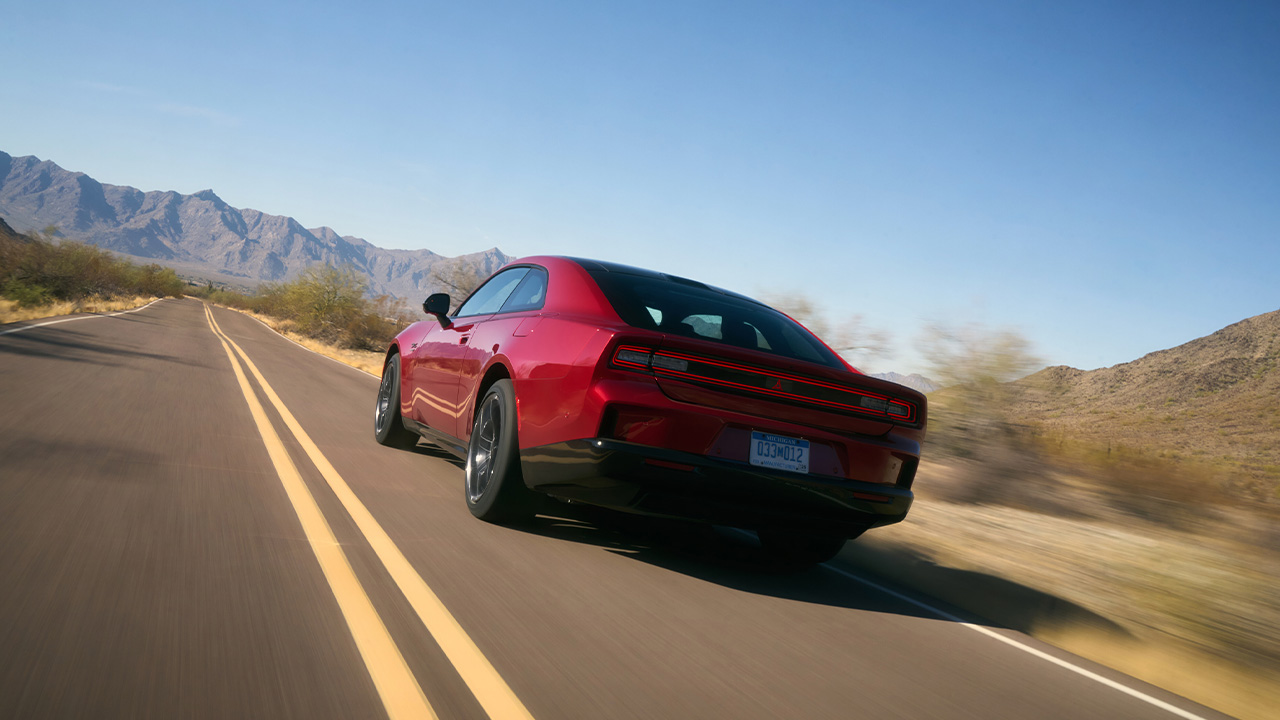
Throughout Edmunds’ one-year road test, reviewers documented a long list of complaints involving both software glitches and general driving behavior. Several staff members criticized the vehicle’s infotainment system, cabin ergonomics, turning radius, climate control noise, and overall refinement.
One reviewer complained about a noticeable “clunk” from the motors when accelerating from a stop, while others described frequent software bugs, backup camera issues, freezing screens, and inconsistent regenerative braking behavior.
Perhaps most concerning were reports involving unexpected vehicle behavior. Edmunds documented an incident where the Charger allegedly entered an unintended acceleration mode, later identified by Dodge as a built-in “Drive by Brake” feature designed to allow limited mobility if the accelerator system encounters a fault.
Another unusual issue involved the car becoming stuck in accessory mode, eventually draining its 12-volt battery and requiring roadside assistance. According to Edmunds, the dealership struggled to reproduce or diagnose the issue.
While none of the reported problems appeared catastrophic individually, reviewers repeatedly described the ownership experience as frustrating because of the accumulation of small but persistent issues.
Styling Earned Praise Even From Critics
Despite the criticism, the Charger Daytona EV was not universally disliked. Several reviewers praised the car’s aggressive styling and road presence, noting that the design still captured much of the visual swagger associated with traditional Dodge muscle cars.
Edmunds staff also noted that the vehicle exceeded its EPA-rated range during independent testing. The Charger Daytona Scat Pack reportedly achieved 255 miles in Edmunds’ EV range test, outperforming its official 216-mile EPA estimate by roughly 18%.
The large “hatchback layout” also earned praise for practicality, offering significantly more cargo flexibility than many traditional coupes.
Still, reviewers argued that those positives were not enough to overcome the car’s broader shortcomings. One staff member bluntly described the Charger as “boring,” calling that one of the worst possible outcomes for a modern muscle car.
EV Depreciation Continues To Worry Buyers
The Charger Daytona’s steep resale decline also reflects concerns surrounding EV depreciation. Industry data has consistently shown electric vehicles losing value faster than ICE models, partly due to rapid technology changes, aggressive manufacturer incentives, and fluctuating demand.
In the Charger’s case, several additional factors may have accelerated the drop. Dodge reportedly introduced substantial lease incentives and discounts on Charger Daytona inventory not long after launch, which likely pressured used values downward.
Some used market estimates have already shown early Charger Daytona models losing roughly half their value within their first year. Kelley Blue Book pricing trends reflected similar declines across multiple Charger EV trims.
Performance EVs can also face a particularly difficult resale challenge because their target audience remains relatively narrow. Traditional muscle car buyers often still prefer V8-powered vehicles, while many EV shoppers may gravitate toward brands more strongly associated with electric technology.
Dodge Faces An Identity Challenge In The EV Era
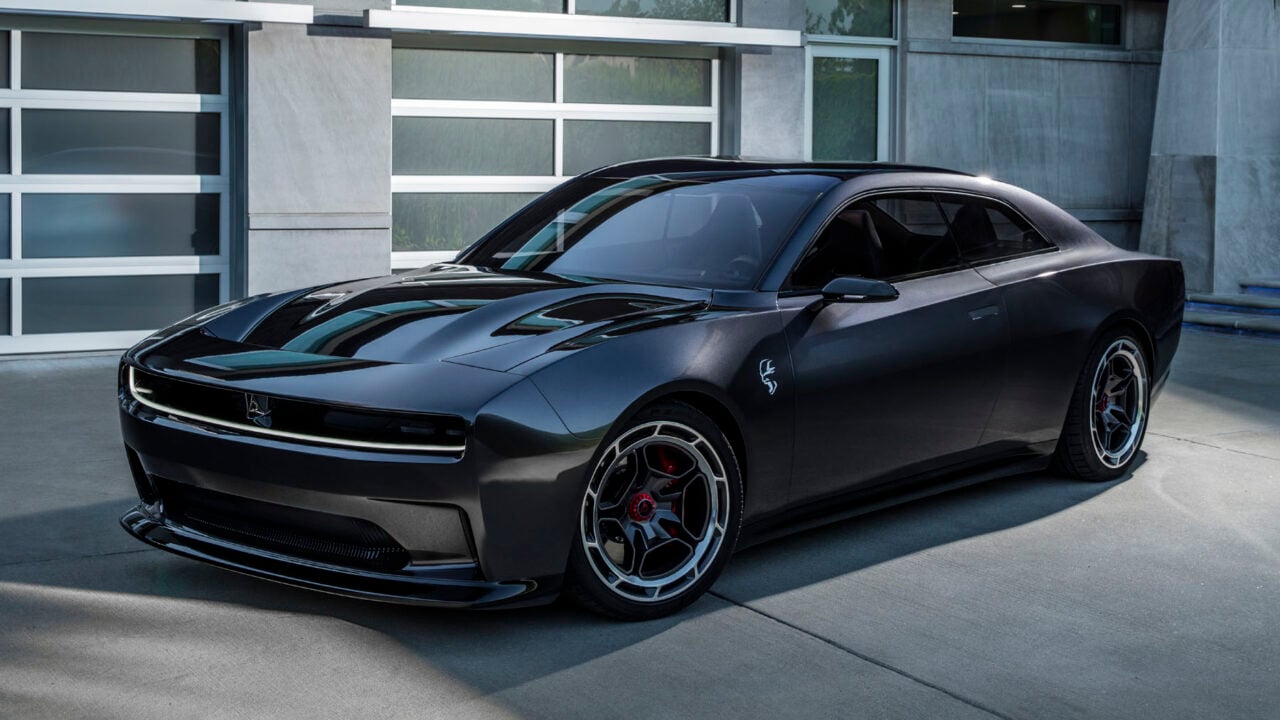
The Charger Daytona represents a major turning point for Dodge as the brand transitions away from the supercharged V8 formula that defined much of its recent identity. Replacing the Hemi-powered Charger and Challenger with an electric muscle car was always likely to divide enthusiasts.
Dodge attempted to preserve some traditional muscle car character through aggressive styling, simulated exhaust sounds, and high horsepower figures. However, reactions from both reviewers and some longtime fans suggest the emotional connection may not fully translate into the EV format for everyone.
The “Fratzonic” artificial exhaust system became one of the vehicle’s most polarizing features, with critics arguing it felt gimmicky compared to the raw sound and personality of the outgoing V8 models.
At the same time, Dodge still deserves some credit for taking risks in a segment where many automakers have abandoned performance identity entirely in favor of generic crossover-focused EVs.
Whether the Charger Daytona eventually finds a stronger audience may depend on future pricing, improved software refinement, and how willing muscle car buyers become to embrace electrification over the next several years.