A trip built around food, music, markets, and street life needs a route that keeps the day close to where people actually gather. Markets, cafés, public squares, old streets, music venues, and evening food areas should sit close enough that travelers are not spending half the day moving between neighborhoods.
Oaxaca and Palermo put markets at the center of the experience, with local dishes, street snacks, vendors, and old streets shaping the day. San Sebastián uses pintxo bars, the Old Quarter, markets, and the bay to turn dinner into a walking route instead of one formal reservation.
Savannah connects shaded squares, house museums, restaurants, and River Street inside the Historic Landmark District. Chiang Mai pairs old-city temples with food stalls, handmade goods, and evening walking streets. Galway links the Latin Quarter, traditional music, pubs, seafood, the River Corrib, and the walk toward Galway Bay.
Travelers should check market hours, dinner reservations, show times, weather, walking distance, transport after dark, and neighborhood location before building the day. The strongest routes stay focused on one main area, then add one nearby food, music, market, or evening stop.
1. Oaxaca, Mexico
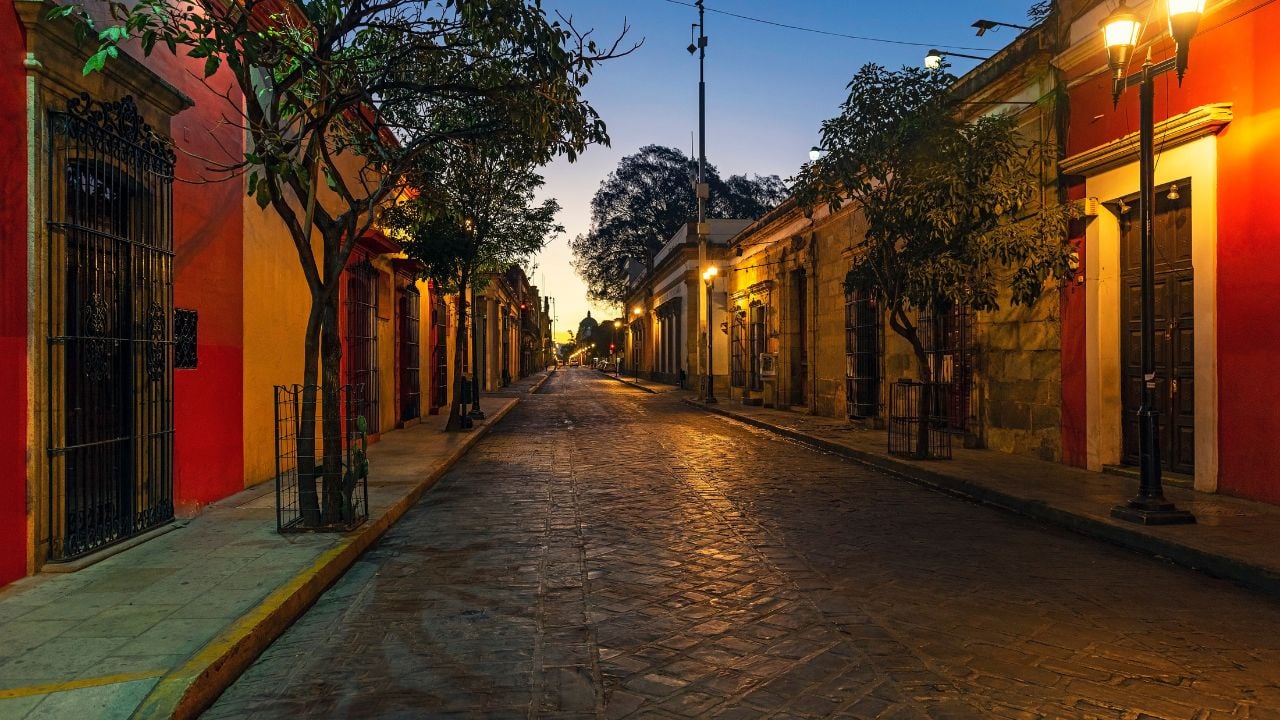
Start Oaxaca with La Merced Market rather than a long landmark route. Oaxaca’s official tourism site says La Merced Market has more than 250 tenants and dining areas serving Oaxacan breakfasts and meals such as mole, memelas, tlayudas, enfrijoladas, enchiladas, empanadas, barbecue, stews, and fresh juices.
A market morning can move into the historic center without a long transfer. Travelers can combine breakfast, chocolate, tortillas, juice stalls, nearby streets, church plazas, craft shops, and lunch inside the same central route. A hotel near the center keeps the day practical after a heavy market meal or late dinner.
Oaxaca should not be planned around one famous dish. Mole, tlayudas, memelas, mezcal, hot chocolate, corn-based snacks, markets, courtyards, and craft shops all deserve time. Travelers booking a cooking class, mezcal tasting, or market tour should reserve that block before adding another major excursion.
Monte Albán, nearby villages, mezcal producers, and weaving towns require separate transportation. The central food-and-street route can fill a day with market stops, lunch, shopping, and an evening walk close together.
2. Palermo, Sicily
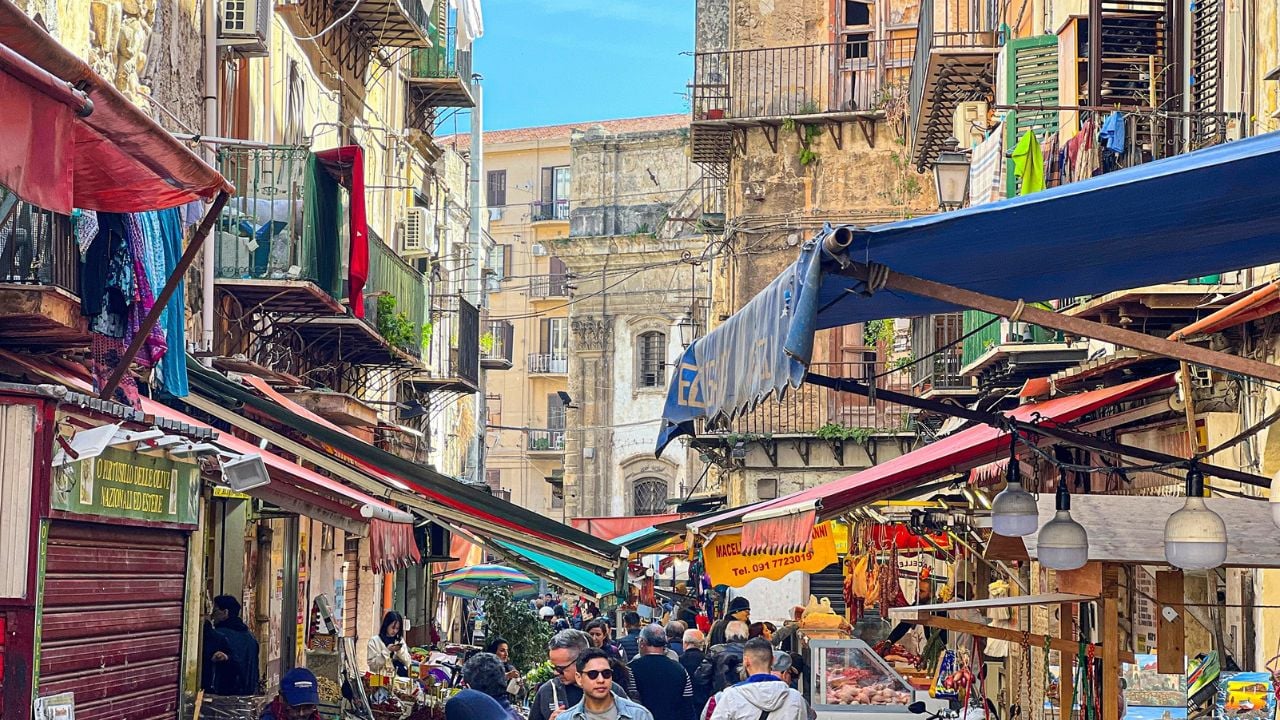
Palermo’s food route starts in the old markets. Visit Sicily says a Palermo street food route pairs naturally with the ancient markets of Vucciria, Ballarò, Capo, and Borgo Vecchio. Those markets put snacks, produce, seafood, vendors, and local foot traffic into the same walk.
Italy’s official tourism portal lists Palermo street-food staples such as panelle, crocché, arancine, sfincione, octopus, sea urchins, prickly pears, watermelon, and roasted chestnuts in winter. A walking route can use those foods as small stops instead of treating lunch as one fixed restaurant booking.
Ballarò and Capo fit a market-focused morning or lunch route. Vucciria belongs later in the day for travelers planning bars or evening food. Trying to cover every market in one afternoon creates unnecessary cross-city movement and leaves less time for the streets around each one.
Central Palermo requires practical awareness. Crowded markets, uneven paving, traffic, scooters, and busy crossings slow the day down. A hotel near the old city, Quattro Canti, Ballarò, Capo, or the chosen evening area reduces backtracking after dinner.
3. San Sebastián, Spain
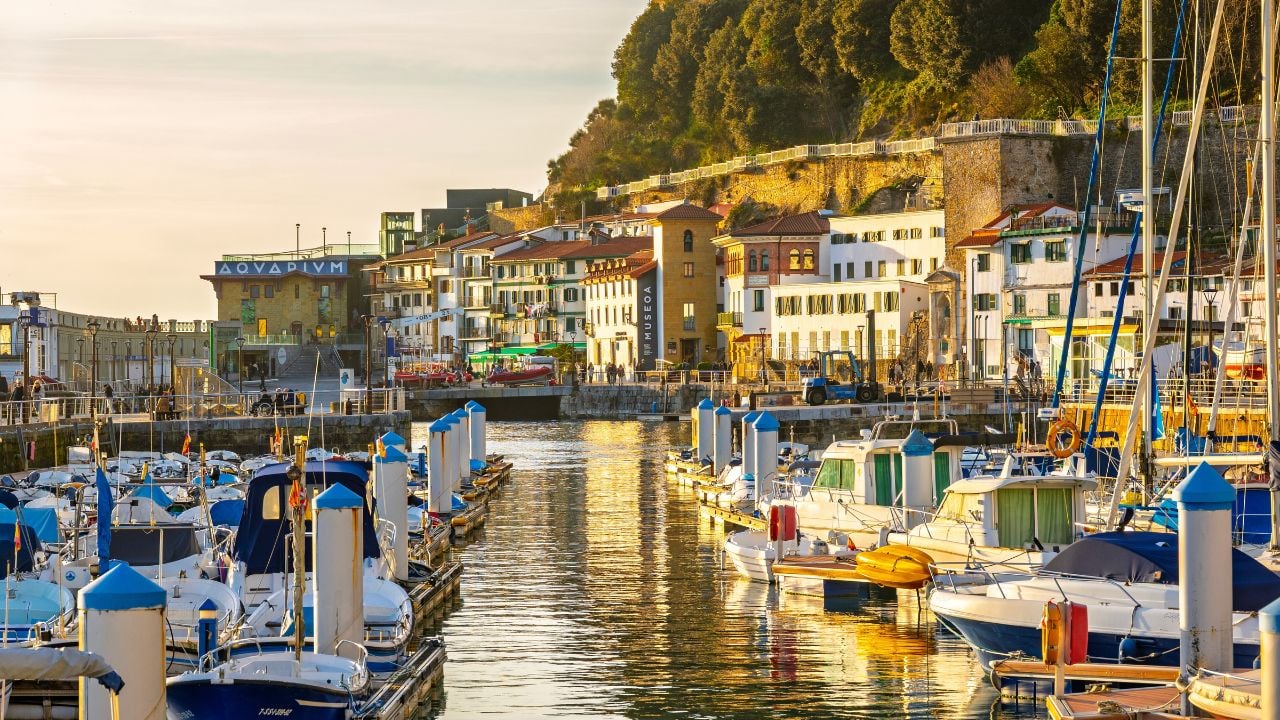
San Sebastián turns dinner into a walking route through the Old Quarter. Donostia San Sebastián Tourism says the Centre and Old Quarter include narrow streets, pintxo bars, restaurants, and the city’s oldest market. The same guide points visitors toward the Romantic Area, City Hall, Victoria Eugenia Theatre, Hotel María Cristina, and Buen Pastor Cathedral.
Pintxos give travelers a flexible food plan across several stops. The official tourism site says counters are piled high with pintxos in many city bars, with the greatest concentration in the Parte Vieja. Visitors can order one or two small plates, move to another bar, and keep the evening on foot.
A strong route starts with La Concha, continues toward the marina or Aquarium area, and moves into the Old Quarter before dinner. Travelers who want a formal restaurant should reserve it separately and avoid treating a pintxo route as a quick appetizer before a long meal.
La Bretxa, San Martín, pintxo bars, lunch hours, and evening crowds follow different rhythms. Travelers should leave space between the beach walk, market browsing, and dinner route instead of stacking them back-to-back.
4. Savannah, Georgia

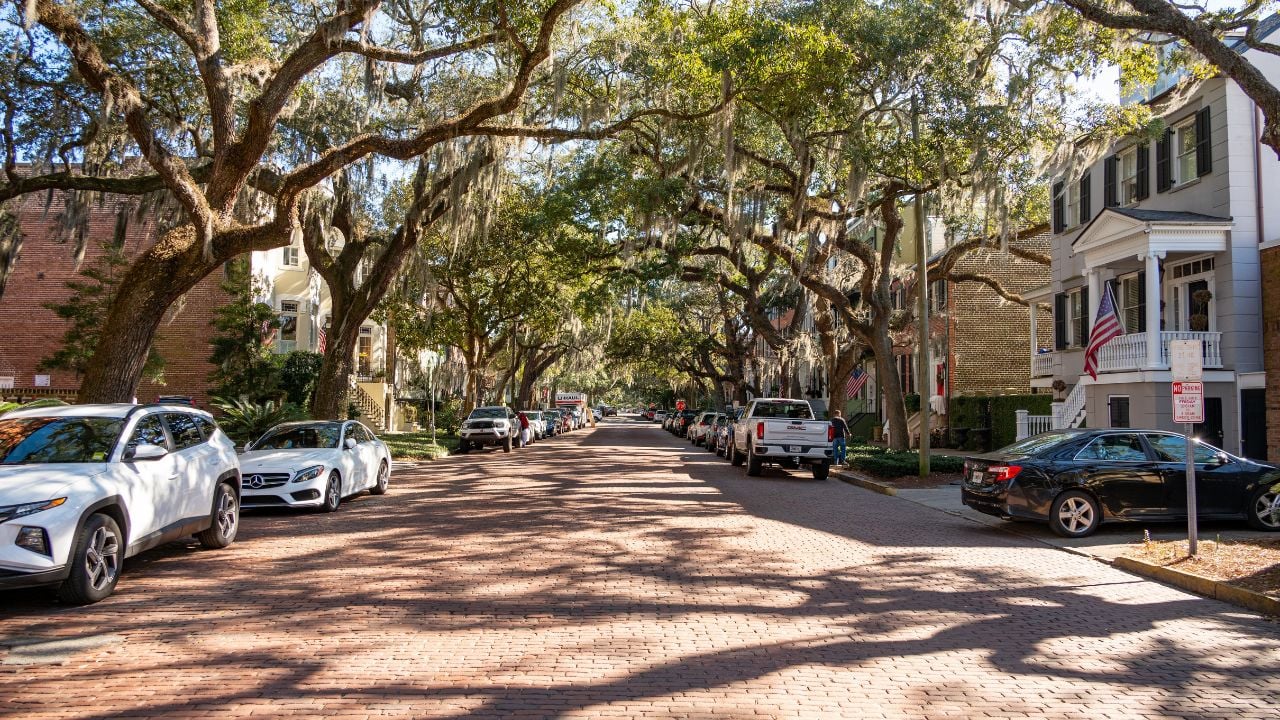
Savannah’s social route can stay inside the Historic Landmark District. Visit Savannah says the district includes park squares, museums, monuments, restored 18th-century homes, boutiques, and more than 100 restaurants. The squares create short pauses between food, house museums, shops, and River Street.
A useful walk starts at Forsyth Park and moves north through the squares toward City Market and River Street. Chippewa Square, Oglethorpe Square, Ellis Square, and nearby streets add shade, benches, monuments, and short detours between meals and historic buildings.
Food plans should stay close to the walking route. Brunch, seafood, sweets, dinner reservations, and evening drinks fit the Historic District, while Tybee Island, Bonaventure Cemetery, and farther-out restaurants require separate transportation.
Weekend crowds and humidity can change the pace. Travelers should book dinner in advance, carry water in warm months, and choose a hotel near the Historic District to reduce rides between squares, restaurants, and the riverfront.
5. Chiang Mai, Thailand

Chiang Mai can combine old-city temples, handmade goods, and evening food without turning the day into a rushed transfer plan. Tourism Thailand highlights Phra That Doi Suthep as an important Chiang Mai landmark and points visitors toward local life and handmade products at Tha Phae Walking Street.
The Old City suits a temple-and-food block. Travelers can use the moat area, Wat Chiang Man, Wat Chedi Luang, small restaurants, coffee shops, massage stops, and shaded breaks before moving toward a night market or walking street later in the day.
Doi Suthep sits outside the Old City route. Travelers should plan transport, clothing rules, weather, return timing, and enough daylight before adding it to a market evening. A late start can turn the day into back-to-back transfers.
Night markets and walking streets depend on location and day of week. Tha Phae Walking Street, food stalls, handmade products, local snacks, and evening crowds require cash, comfortable shoes, and enough browsing time before any fixed dinner or transport plan.
6. Galway, Ireland
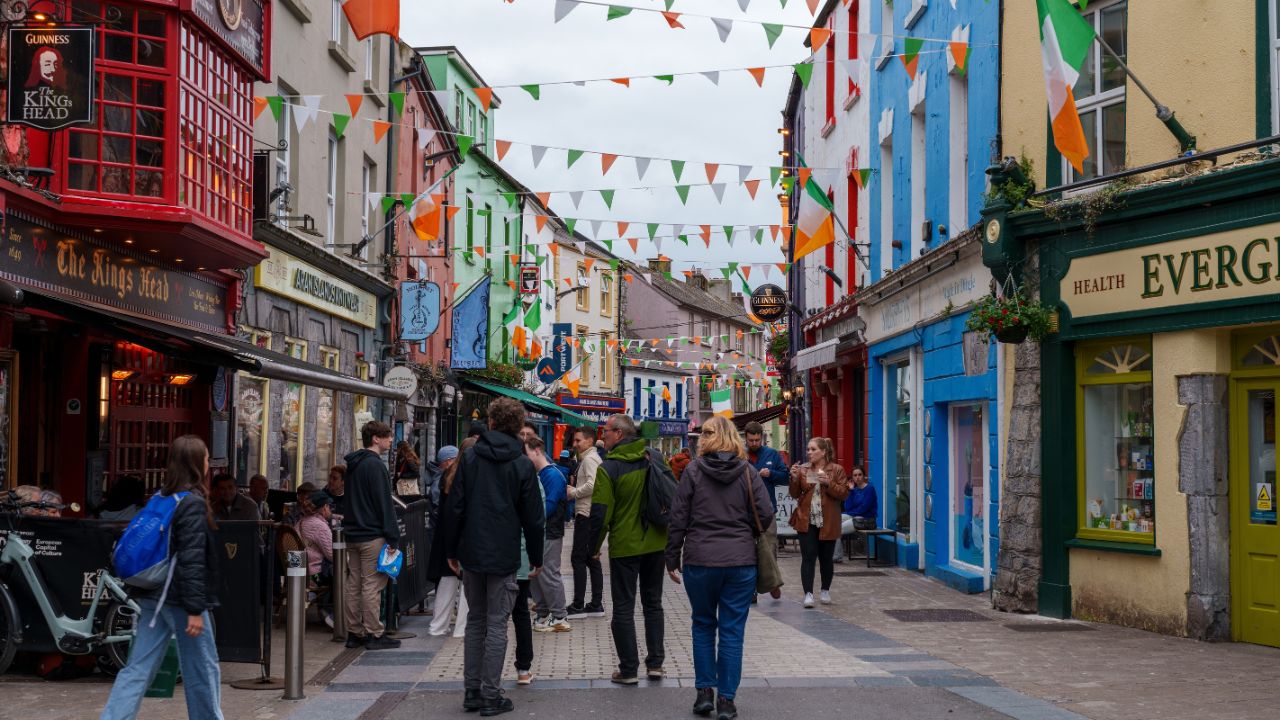
Galway’s evening route can stay close to the Latin Quarter, pubs, food, the river, and traditional music. Discover Ireland says Tig Cóilí is located on Mainguard Street in Galway City’s Latin Quarter and is famous for traditional Irish music sessions, with tourists and locals both visiting for the music.
A practical route can connect Eyre Square, Shop Street, Quay Street, the Latin Quarter, Spanish Arch, the River Corrib, and the walk toward Galway Bay. Food stops, seafood, pubs, street music, and river views can fit inside that central area without requiring a car.
Pub sessions, dinner hours, weather, and crowds can change the evening route. Travelers who want a seat for food and music should arrive earlier instead of waiting until every central pub is full.
Connemara, the Aran Islands, and the Cliffs of Moher require their own day. Galway’s central music-and-food route should not be treated as a leftover plan after a full-day excursion returns late.