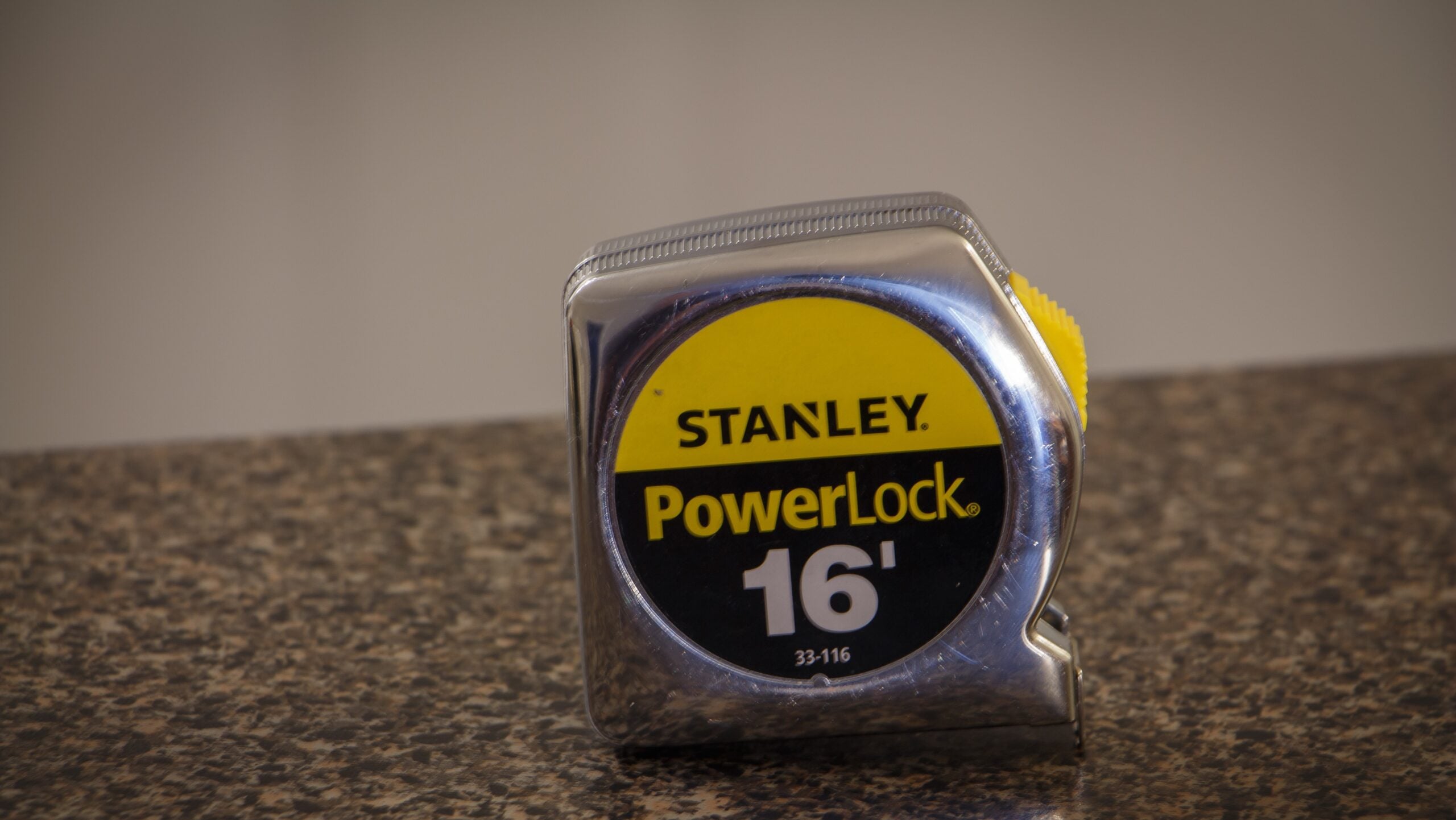

For decades, if you were wrenching on your car in the driveway, building a deck, remodeling a basement, or just digging through the junk drawer looking for a tape measure, there was a good chance it was a Stanley.
Stanley introduced its first steel “push-pull” tape measure in the early 1930s, and over time, the yellow tape became one of those tools Americans almost stopped noticing because it was everywhere. Contractors clipped them to tool belts, homeowners tossed them into kitchen drawers, and old, beat-up Stanley tapes often stayed around for decades.
Now, the final Stanley tape measure factory in New Britain, Connecticut, is shutting down, ending another chapter in the city once known as “Hardware City.”
And while Stanley Black & Decker says demand shifted toward newer double-sided tape measures made in Thailand, many longtime users are not exactly buying that explanation. Online reactions quickly filled with contractors, builders, homeowners, and longtime customers arguing the closure feels far more about offshoring and labor costs than numbers printed on both sides of a tape blade.
Stanley Says Buyers Want Double-Sided Tape Measures
According to reporting by The Wall Street Journal, Stanley Black & Decker is closing its New Britain plant on May 18, a move expected to affect about 300 jobs.
The company told the Journal that demand has shifted away from the single-sided tape measures made in Connecticut and toward newer double-sided versions produced at a Stanley facility in Thailand.
Still, many longtime Stanley users remain skeptical that the feature alone explains why one of America’s most historic tape measure factories is disappearing.
For many readers, the idea that double-sided printing could help determine the fate of a historic American factory sounded difficult to believe. But others argued the feature does have legitimate uses depending on the job.
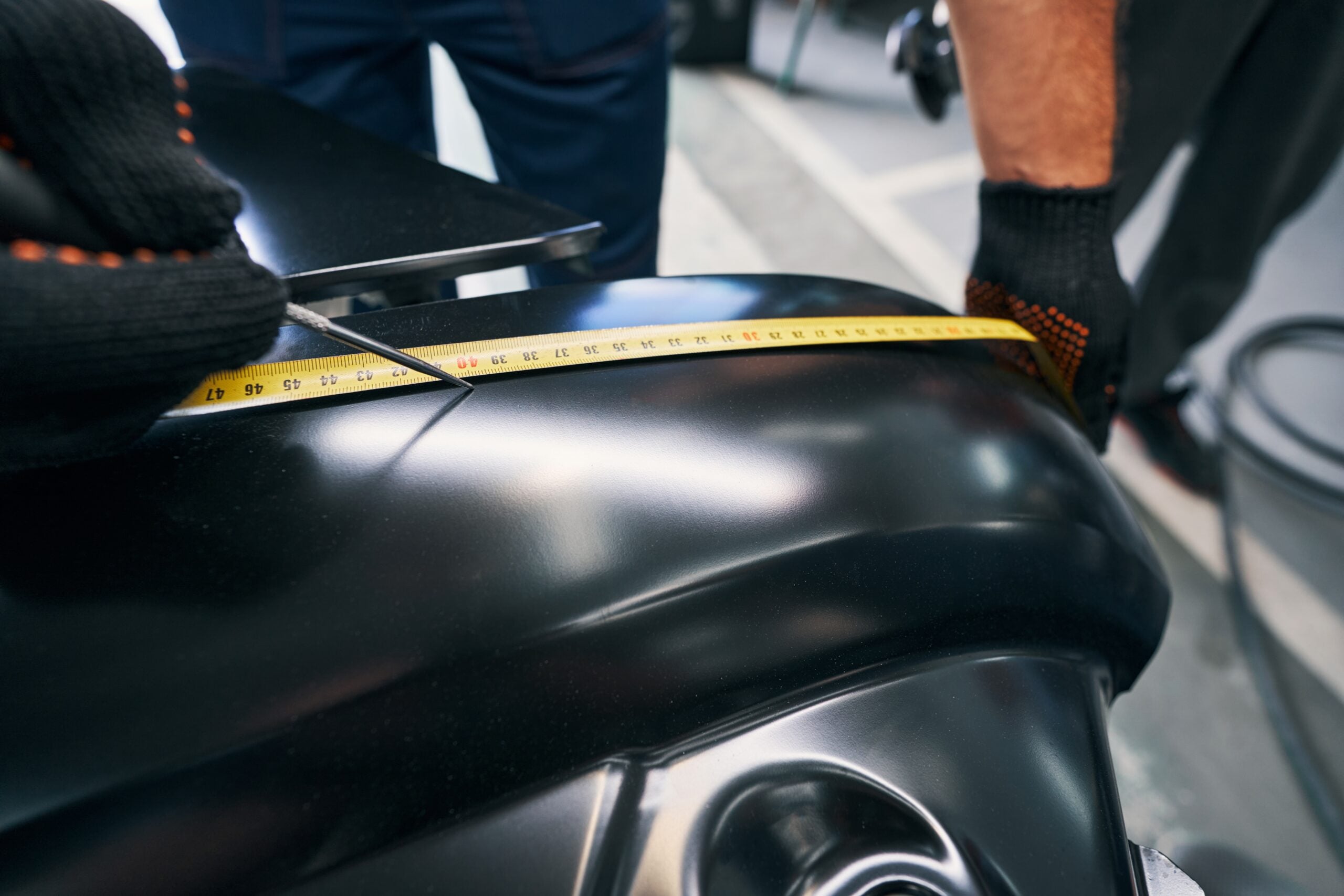
“No one here has ever had to measure something overhead?” one commenter asked.
Another reader who installs in-ceiling speakers and lighting systems argued the feature is genuinely useful in his line of work. “Anyone who’s ever tried to measure anything on the ceiling knows the importance of measurements on both sides of the tape,” he wrote. “It’s pretty important.”
That split may help explain why Stanley believed the market was changing even as many longtime customers insisted otherwise.
The Feature Many Workers Say They Never Needed
For many longtime Stanley users, the double-sided explanation sounded less like a market shift and more like a solution to a problem they never had.
“Today I learned that some of my tape measures have numbers on the back of them,” one reader joked. “Never knew that, never once needed that.”
Others argued the real test of a tape measure has always been blade stiffness and durability, not extra printing. “Everybody knows a tape measure’s worthiness is determined not by being double-sided but by how far it can extend before it annoyingly flops over,” another commenter wrote.
Some longtime users said they checked their own tape measures after reading the story because they had never once paid attention to whether any of them were double-sided.
That disconnect is part of why the closure sparked such a strong reaction online. Stanley says consumer preferences have changed. Many loyal users believe the bigger factor is simply that manufacturing tools overseas is cheaper.
Many Think This Is Really About Offshoring
Online, the discussion quickly moved beyond tape measures and into a much larger argument about American manufacturing.
For many commenters, the closure feels less like a business decision and more like the collapse of a trusted American brand identity. Stanley tape measures built in Connecticut developed an almost cult-like following among contractors, builders, and homeowners who say they never seriously considered switching brands.
One reader said he checked roughly 30 tape measures in his shop after hearing the news.
“Not a single one of them is double-sided,” he wrote. “Over half are Stanley and are the most used. Guess I need to stock up while they are still made here.”
Others viewed the situation as proof that manufacturing economics mattered more than customer loyalty, arguing the real reason likely comes down to overseas labor and production costs.
That tension is part of what makes the Stanley story so familiar. People want American-made tools, especially from legacy brands, but the modern tool market is driven by price, margins, retail shelf space, and global manufacturing networks.
The End Of A Hardware City Era
New Britain was once known as “Hardware City” because of its deep connection to American manufacturing. Stanley’s roots there go back generations, and its factories helped define the city’s identity.
That history is why this closure feels bigger than a product update. A tape measure is not a car, a house, or a factory machine, but it is the kind of tool that sits quietly at the center of all those things. It is used to frame walls, hang cabinets, cut boards, build garages, fix vehicles, and finish thousands of small jobs that never make headlines.
For many loyal Stanley users, the frustration is not just that a plant is closing. It is that one more familiar American-made tool appears to be slipping into the past.
And if the reason really comes down to numbers printed on both sides of a tape blade, plenty of longtime customers are making it clear they are not convinced.