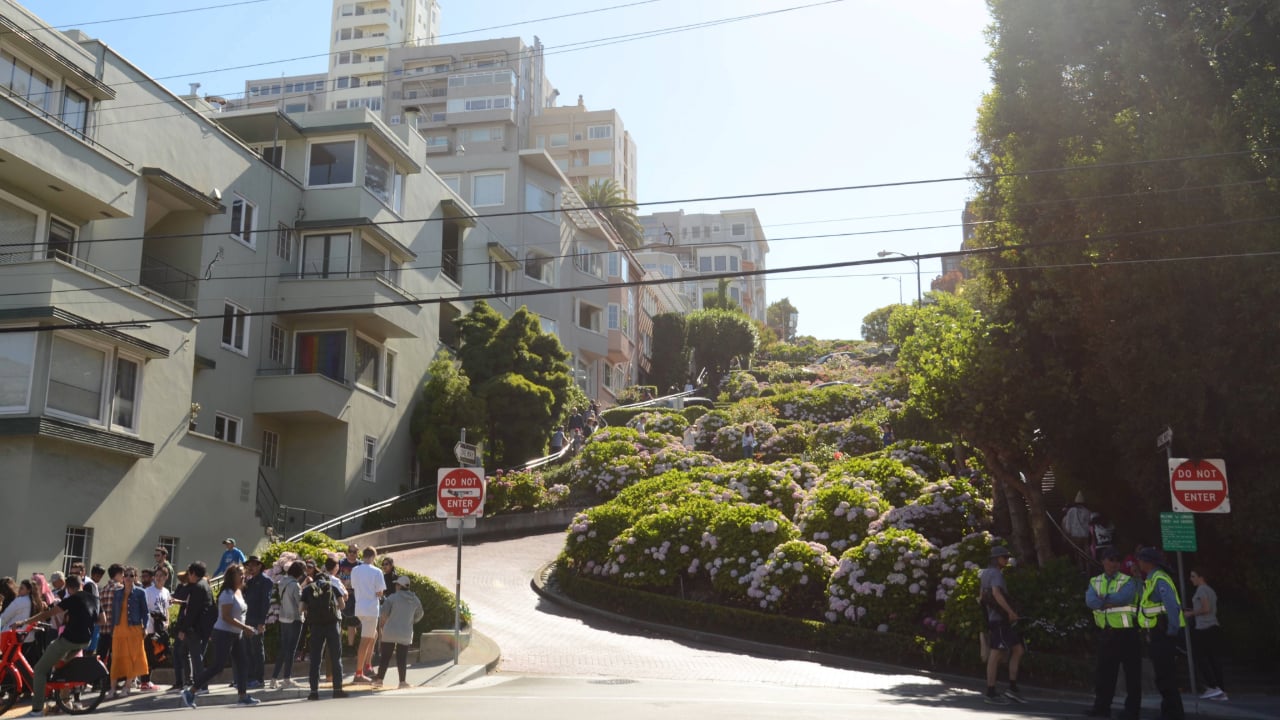
San Francisco’s got plenty of landmarks, the Golden Gate Bridge, those clanging old cable cars, but tucked right in Russian Hill, there’s a single block that really grabs attention: Lombard Street.
It’s hard to miss, with its dramatic zig-zag curves, steep drop, and picture-perfect gardens. Every year, crowds pour in by the million just to cruise down the switchbacks, stroll along the flower-edged sidewalks, and snap photos of what’s probably America’s most famous street.
San Francisco has never really been a city that does things the ordinary way. Between the steep hills, colorful Victorian homes, historic cable cars, and waterfront views, there’s always something unusual around the next corner.
But among all the city’s landmarks, one street stands out more than almost any other. It’s not the biggest road or the oldest attraction, yet millions of people make the trip every year just to see it in person. Tucked away in Russian Hill, Lombard Street has become one of San Francisco’s most iconic and photographed destinations.
The Story Behind Lombard Street’s Famous Curves
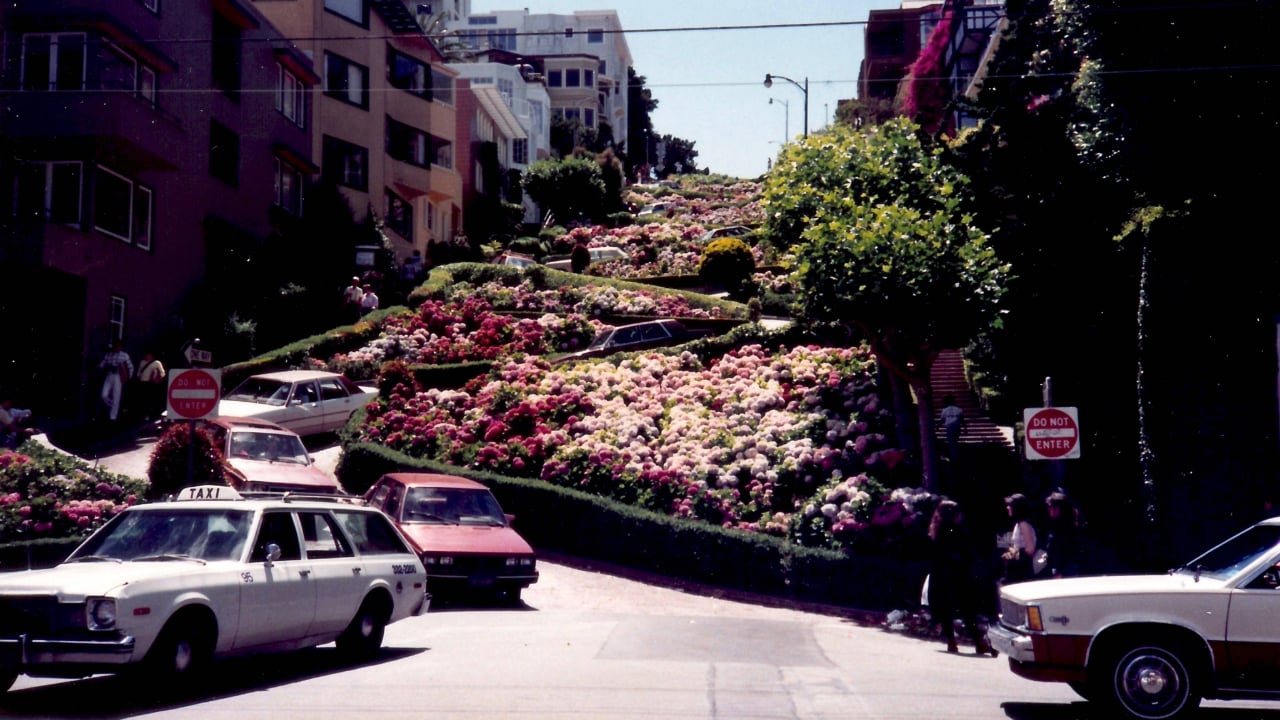
At first glance, it almost seems like the city built Lombard just to entertain tourists. I mean, eight hairpin turns wind their way down an otherwise normal block, twisting so sharply they look like something from a comic book.
The funny thing? That was not the plan at all. The city did not set out to create an icon. They just needed a way to deal with a pretty serious problem because the hill was way too steep.
Back in the early 1920s, this stretch of Lombard Street was threatened by a crazy 27 percent grade. Driving or even walking up or down was a real risk. That’s when Carl Henry, a local property owner, apparently suggested adding switchbacks to make it less terrifying.
City engineer Clyde Healy jumped in, and by 1922, they had built the eight tight bends you see today. Suddenly, instead of a straight-up and down challenge, the hill was actually manageable.
How Lombard Street Became a Tourist Attraction
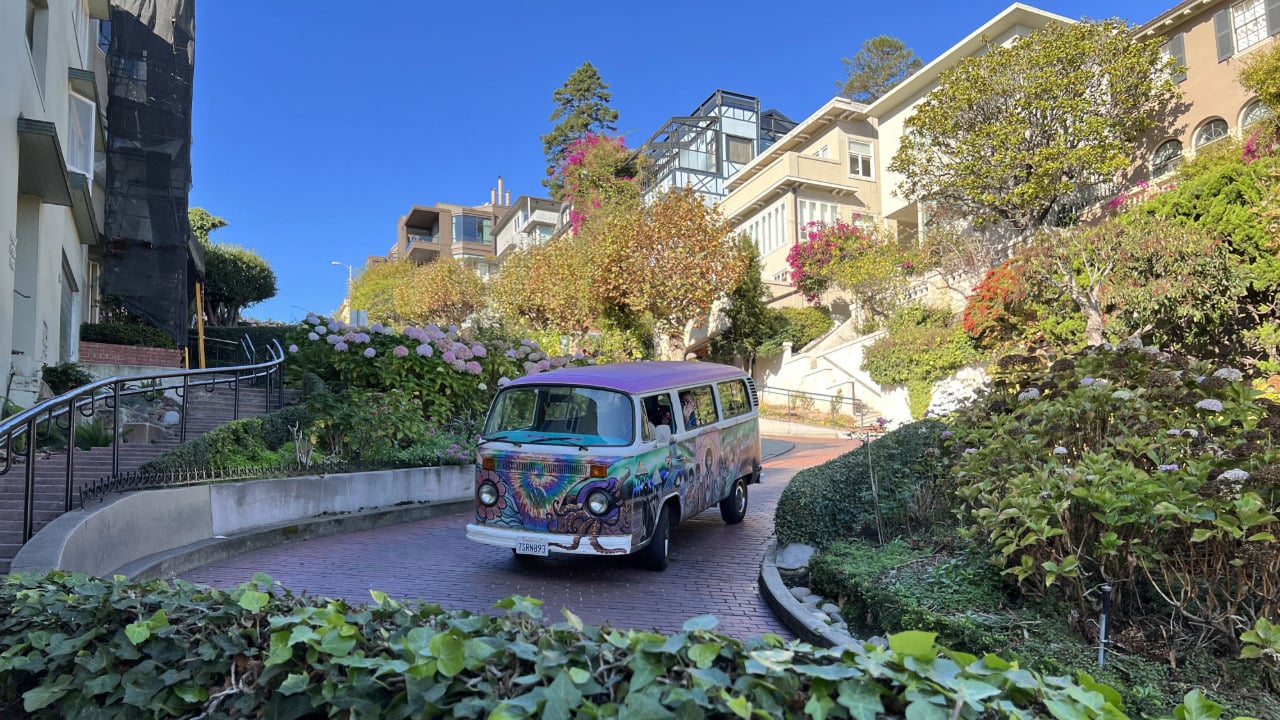
The design worked. Cars had to slow down, walking got easier, and folks living along Lombard could actually get to their homes. Eventually, the city made it a one-way road heading downhill, mostly to keep things safe as more people started driving through.
But what really launched Lombard Street into fame was the look. Over time, neighbors filled the block with neat gardens, fluffy hydrangeas, and bright shrubs, all wrapped around that little red brick lane. By the 1960s, Lombard was showing up on postcards and in travel books, and pretty soon it was just part of the San Francisco must-see circuit.
Hollywood did not hurt, either. Lombard has popped up in movies like Vertigo and The Love Bug. That kind of exposure introduced the street’s wild curves to people all over the world, making it one of San Francisco’s most photographed spots.
Why Lombard Street Still Draws Millions Every Year
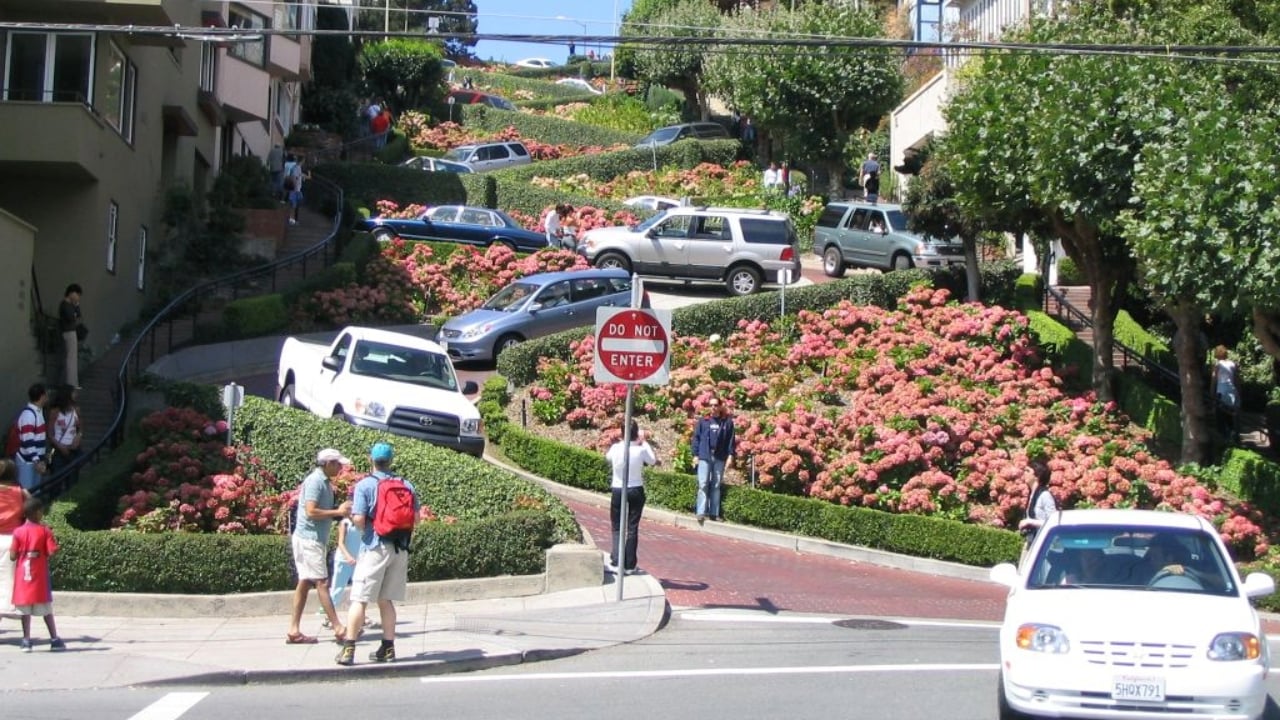
These days, around two million people visit Lombard Street each year, and on summer weekends, it gets packed. Some people walk down for the bay views, others inch their cars through the curves at a crawl because just five miles an hour is the suggested speed.
Here’s a fun detail everyone gets wrong. Lombard is famous as “the crookedest street in the world,” but Vermont Street, also in San Francisco, actually has tighter turns and a steeper angle. Still, Lombard comes out on top when it comes to fame. Those flowers and views just win every time.
But Lombard is not just a spot to grab a selfie. The whole Russian Hill area is pretty stunning from the top, with city views, old homes, handy cable car stops, and it’s a quick walk to places like Fisherman’s Wharf and Chinatown. Most people end up mixing a visit here with a full on San Francisco sightseeing day, taking in the hills and waterfront.
What makes Lombard Street such a gem is the fact that it was never built for show. All those wild, curving bricks are there because some stubborn hill needed taming. Now, more than a hundred years later, that clever fix is a symbol of the city and still one of the most unforgettable streets you will ever see.