
Connecticut authorities are warning residents about a growing scam that uses fake court notices, spoofed government phone numbers, and threatening text messages to pressure people into handing over money. The scheme has spread across multiple towns in recent weeks, prompting confusion at courthouses and police departments after victims showed up believing they had outstanding warrants or unpaid violations.
Officials say scammers are impersonating agencies, including the Connecticut Judicial Branch, and state law enforcement. Many of the messages claim recipients failed to pay tolls, missed jury duty, or ignored traffic citations. Others threaten arrests, license suspensions, or vehicle registration holds unless payment is made immediately.
The scam has become convincing enough that some residents have nearly fallen victim before realizing the notices were fake. Authorities across the state are now urging the public to slow down, verify communications independently, and avoid clicking suspicious links or QR codes.
Fake Notices Spark Panic Across Connecticut
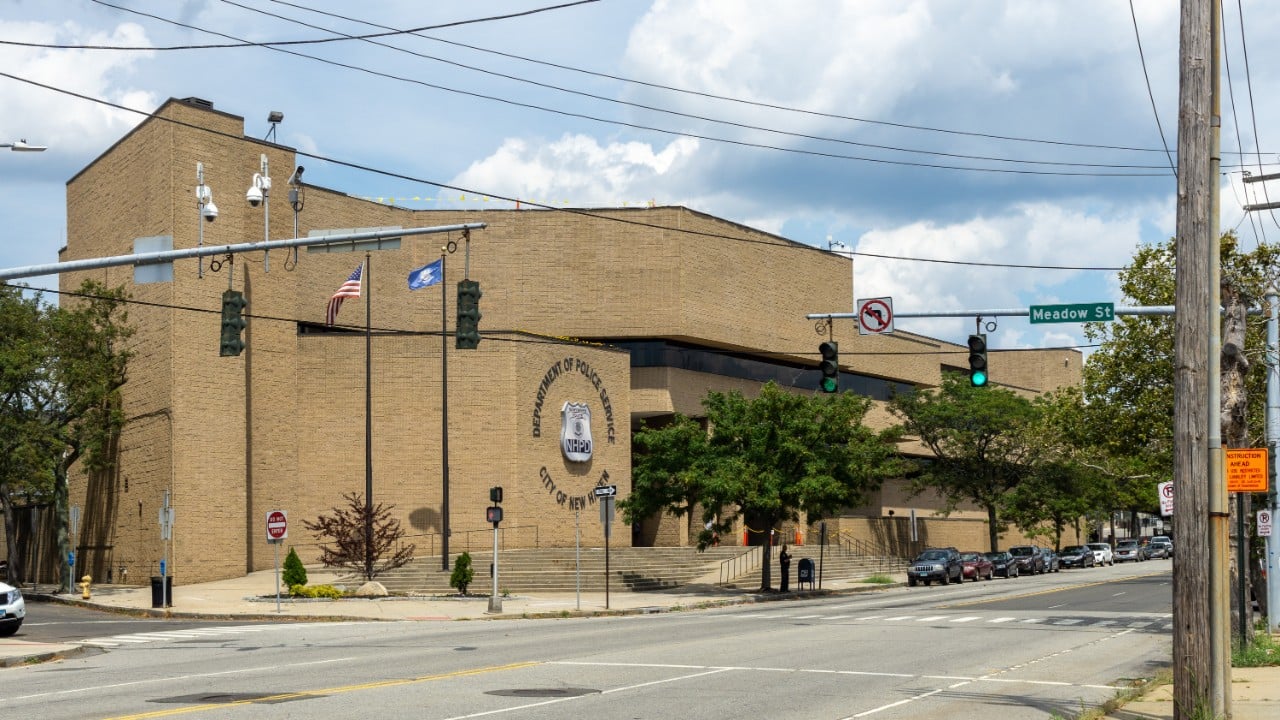
The latest wave of scams has hit residents through texts, emails, and phone calls designed to resemble official court communications. According to Connecticut officials, the messages often use fake case numbers, and urgent deadlines to create panic. Some notices claim recipients owe money for traffic violations or unpaid tolls, while others warn of arrest warrants for missed jury duty.
Police departments in towns including Westport, Monroe, Manchester, Shelton, Vernon, and Windsor Locks have all issued public warnings about the fraudulent notices. Several agencies said scammers instructed victims to scan QR codes, or click payment links tied to fake government websites.
Officials say the messages frequently rely on spoofed phone numbers and email addresses that appear legitimate at first glance. Connecticut’s Department of Consumer Protection has warned residents that scammers often imitate official state domains or government personnel to gain trust.
The Judicial Branch also stressed that courts do not demand payments through unsolicited text messages or emails. Legitimate court notifications are typically handled through formal mail or official online portals.
Courthouses See an Increase in Concerned Residents
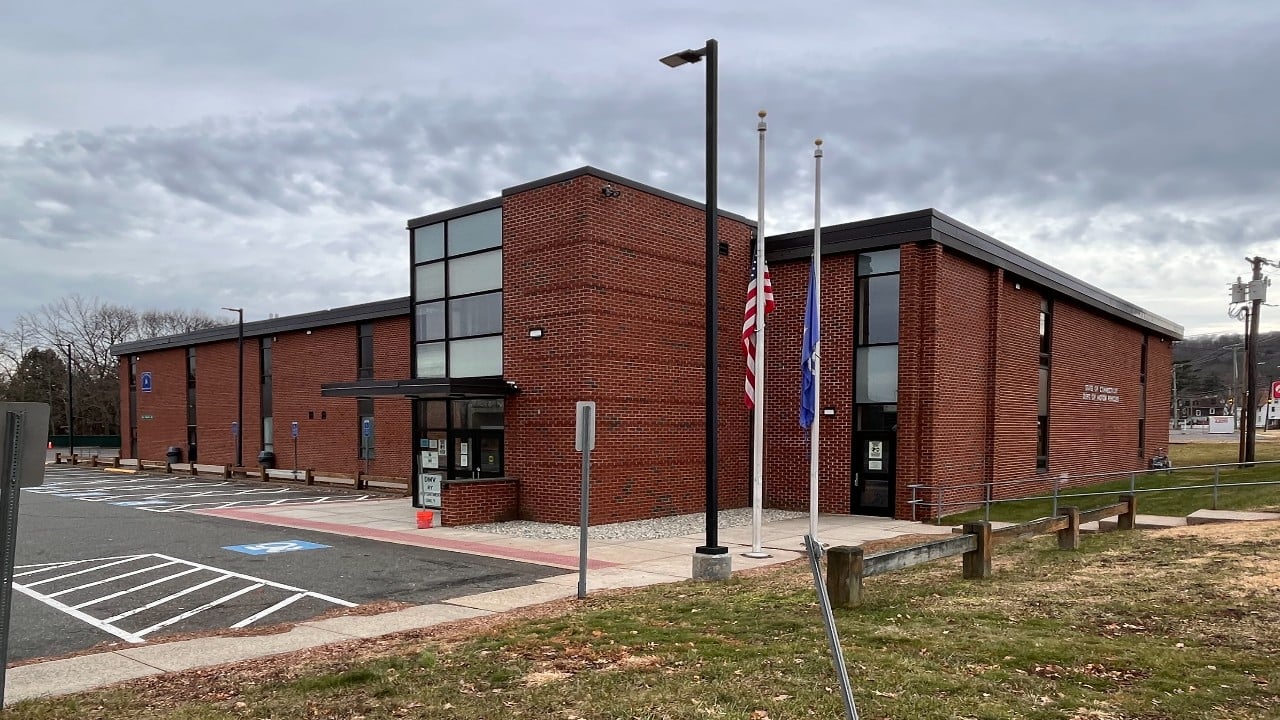
The scam has caused enough alarm that courthouses across Connecticut have reported an increase in residents arriving in person to verify whether the notices are real. Officials in Hartford, Manchester, and Waterbury said people appeared at court buildings after receiving fraudulent messages claiming they faced legal consequences.
Online discussions show just how widespread the scam has become. In several Connecticut-based Reddit threads, users reported receiving nearly identical messages from different phone numbers over the span of a few days. Many noted the texts lacked personal details and addressed recipients generically as “Dear Driver.” Others pointed out that some numbers originated overseas.
One user wrote that the scam briefly seemed believable because they actually had a pending traffic ticket. Another said both they and a family member received the same fake notice within minutes of each other.
Law enforcement agencies say emotional pressure is a key part of the operation. Threats of arrest, fines, or suspended driving privileges are designed to push victims into acting before verifying the claims. The Federal Trade Commission has repeatedly warned that government impersonation scams remain one of the most profitable fraud tactics in the United States.
Officials Urge Residents to Verify Before Responding
Connecticut agencies are reminding residents that legitimate government offices do not request payments through gift cards, cryptocurrency, wire transfers, or random payment links. State marshals and law enforcement officials also say they will never threaten immediate arrest over unsolicited calls or texts.
The DMV has specifically warned residents not to respond to messages claiming that unpaid traffic citations require immediate online payment. Officials advised recipients to delete suspicious texts, and report them through the Federal Trade Commission’s fraud reporting system.
Authorities say residents should independently verify any suspicious communication by contacting the agency directly through official websites or publicly listed phone numbers. Experts also recommend avoiding links embedded in texts and emails, even if the messages appear authentic.
The warnings come as impersonation scams continue evolving nationwide.