A neighborhood-based city trip needs a different plan from a landmark checklist. One area should carry each half-day: coffee or breakfast, a few streets worth walking, a market or shop stop, lunch, one museum or viewpoint, and an evening route close enough to avoid backtracking across the city.
Lisbon, Melbourne, Montréal, Tokyo, Copenhagen, Buenos Aires, and New Orleans all make more sense when travelers group the day by district. The useful question is not only “What is famous here?” It is also “Which neighborhood can carry the next four or five hours without turning the day into transfers?”
That approach changes the schedule. Alfama should not be squeezed between Belém and Bairro Alto without checking the hills and transit. Melbourne’s Fitzroy, Carlton, St Kilda, and Footscray deserve separate blocks. Tokyo needs district grouping because Shibuya, Asakusa, Ueno, Shinjuku, Harajuku, and Akihabara sit on different routes.
The same rule applies in Buenos Aires and New Orleans. San Telmo, Palermo, Recoleta, La Boca, the French Quarter, Marigny, Bywater, Garden District, and Mid-City all have different food, streets, architecture, transit needs, and evening plans. A better trip gives each area enough time to be more than a quick stop.
1. Lisbon, Portugal
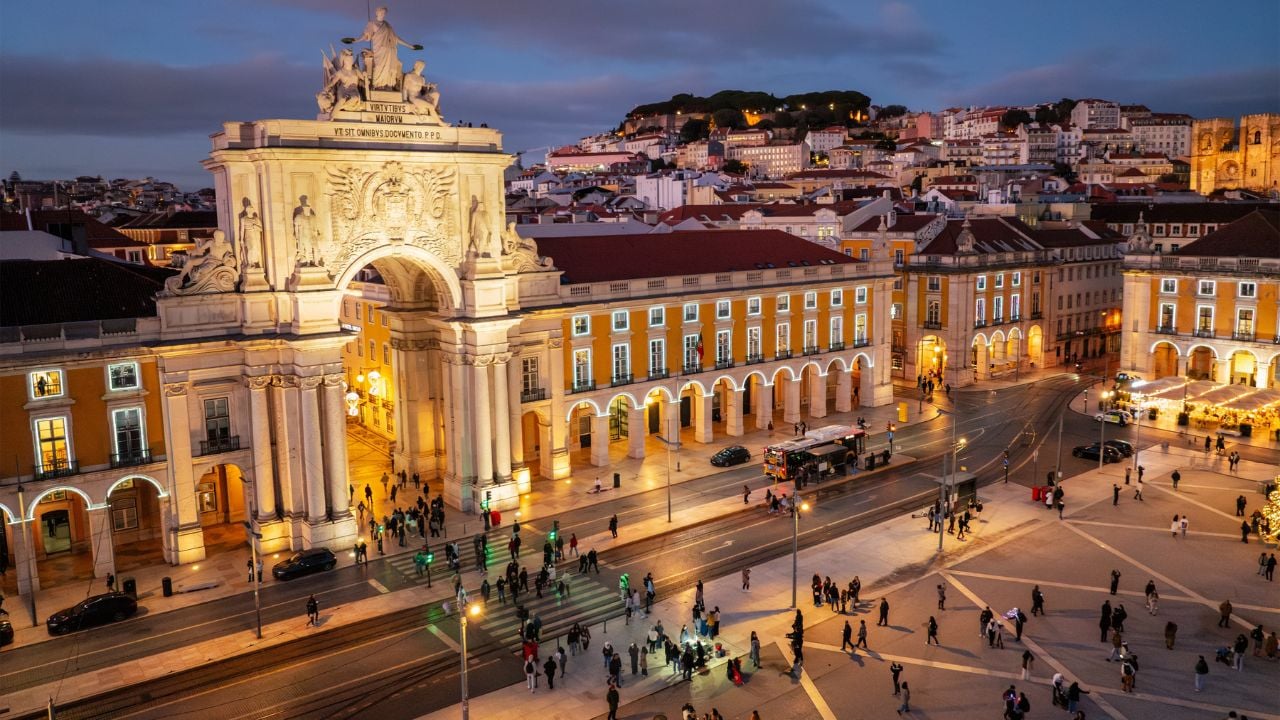
Lisbon should be planned by hills and neighborhoods, not only by famous viewpoints. Visit Lisboa, which lists historic neighborhoods including Alfama, Bairro Alto, Baixa, Belém, Cais do Sodré, Chiado, and Graça. Those areas do not all belong in one rushed walking route, especially after a long flight or on a hot afternoon.
Alfama and Graça can take a morning or late afternoon with steep lanes, tiled buildings, viewpoints, churches, and fado-linked streets. Baixa and Chiado suit a more central block with squares, shops, cafés, and easier walking. Cais do Sodré and Bairro Alto fit better later in the day, when restaurants, bars, and evening foot traffic become part of the route.
Belém needs a separate block because it sits west of the central hills. Travelers going there can plan around the riverfront, monuments, museums, and pastel de nata stops instead of adding it casually after Alfama. That prevents the day from turning into a long sequence of climbs, tram rides, and cross-town moves.
A practical Lisbon schedule pairs one hill district with one flatter or riverside area. Alfama plus Baixa, Chiado plus Cais do Sodré, or Belém as its own half-day gives each neighborhood enough time without forcing every stop into one route.
2. Melbourne, Australia

Melbourne should not be reduced to the central business district. Visit Victoria’s neighborhood guide points travelers toward Brunswick, Carlton, Collingwood, Fitzroy, St Kilda, Footscray, and Richmond, with food, creative scenes, seaside life, and different communities spread across the city.
Carlton can take a morning or lunch block with Italian cafés, bookshops, restaurants, and streets close to the city center. Fitzroy and Collingwood fit a separate plan built around shops, bars, galleries, street art, and evening venues. St Kilda should be treated as a seaside block rather than a quick detour from the CBD.
Footscray and Richmond add food-focused routes in different directions from the center. Travelers who want Vietnamese, African, or broader global food scenes should check opening hours and transit before going, because the best meal plan may not match a standard museum-day schedule.
A better Melbourne weekend uses the CBD for arrival and orientation, then assigns each half-day to one area. Carlton for cafés, Fitzroy or Collingwood for shops and bars, St Kilda for the waterfront, and Footscray or Richmond for food creates a stronger route than repeated returns to the same central streets.
3. Montréal, Canada

Montréal’s neighborhood plan should include more than Downtown and Old Montréal. Tourisme Montréal lists must-visit neighborhoods including Old Montréal, Downtown, the Plateau, and Hochelaga-Maisonneuve, among others. Each area changes the walking route, food plan, and evening options.
Old Montréal and the Old Port can take a first day with stone streets, riverfront paths, restaurants, galleries, and historic buildings. Downtown works better for museums, shopping, hotels, transit access, and indoor plans in bad weather. The Plateau and Mile End give travelers a different route built around cafés, staircases, murals, bagels, terraces, and residential streets.
Hochelaga-Maisonneuve needs its own time rather than a casual add-on. Tourisme Montréal describes the Hochelaga-Maisonneuve area through the Olympic Stadium, Espace pour la vie, bistros, cafés, and local discoveries. That makes it more practical as a planned east-end block than a leftover hour after Old Montréal.
A strong Montréal route might pair Old Montréal with the Old Port, then use another day for the Plateau and Mile End. Travelers adding Olympic Park, Jean-Talon Market, Little Italy, or canal-side areas should group those stops by transit line and meal timing.
4. Tokyo, Japan

Tokyo needs district grouping before the first train route is chosen. The official Tokyo tourism guide describes the city as a patchwork of neighborhoods arranged around the Imperial Palace, with each area having its own distinct character. Treating Tokyo as one continuous walking city creates unnecessary station changes and backtracking.
Asakusa and Ueno can share a day built around temple streets, parks, museums, old shopping lanes, and river access. Shibuya and Harajuku fit better together for fashion, crowds, youth culture, cafés, shopping, and nearby side streets. Tokyo Station, Ginza, and the Imperial Palace area can form a central day with food halls, department stores, gardens, architecture, and evening dining.
Shinjuku should not be treated as a quick final stop if dinner, observation decks, bars, nightlife, or late trains are involved. Akihabara, Shimokitazawa, Koenji, Roppongi, and Daikanyama all need different routes and different times of day. A visitor who adds too many districts to one day spends more time in stations than on streets.
Tokyo rewards tight daily geography. Pick one side of the city, check the train operator and final destination, and leave enough time for station exits, platform changes, food queues, and evening crowds.
5. Copenhagen, Denmark
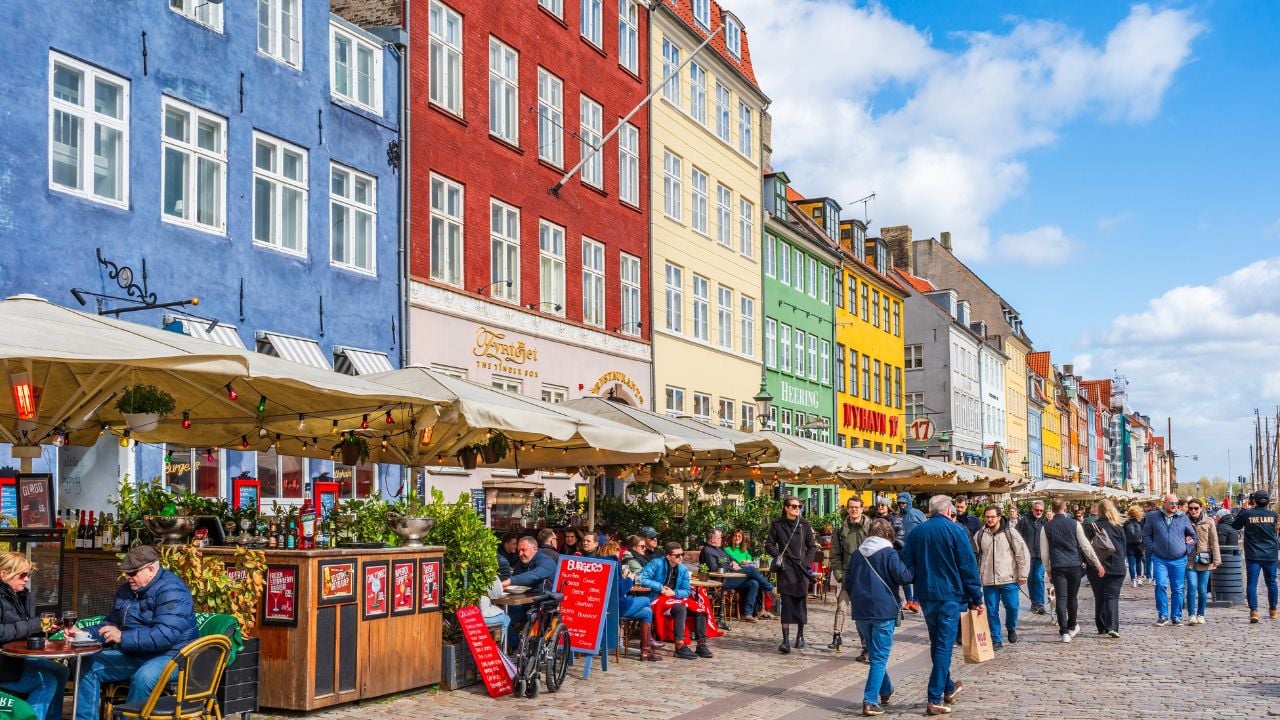
Copenhagen’s neighborhood plan should go beyond Nyhavn and palace stops. Visit Copenhagen’s neighborhood guide describes the capital as divided into very different neighborhoods, from industrial Refshaleøen to elegant Frederiksberg.
Vesterbro and the Meatpacking District can handle a food, bar, and design-focused evening. Nørrebro suits a route built around cafés, shops, Assistens Cemetery, restaurants, and street life. Christianshavn links canals, waterfront paths, houseboats, and Christiania-area walking, while Østerbro and Frederiksberg can give the day more parks, quieter streets, and local cafés.
Refshaleøen needs planning because it sits outside the most obvious central route. Visit Copenhagen describes Refshaleøen as a former industrial district that has become a creative area with food, festivals, alternative urban development, and access by bike, bus, or harbor bus.
Travelers who do not cycle can still build district-based days with metro, buses, trains, harbor buses, and walking. A useful schedule might put Christianshavn and Refshaleøen together, keep Vesterbro for evening food, and give Nørrebro its own afternoon instead of crossing the city repeatedly.
6. Buenos Aires, Argentina

Buenos Aires should be planned by barrio. The official tourism site says Buenos Aires has 48 neighborhoods, with emblematic areas such as San Telmo, Recoleta, La Boca, Palermo, Puerto Madero, and Belgrano carrying their own character.
San Telmo can take a day with old buildings, antiques, cafés, bars, and Sunday market energy when the timing fits. Recoleta suits a route with grand architecture, cemetery visits, museums, parks, and cafés. Palermo covers a much larger area, so travelers should decide before arrival whether they are aiming for parks, restaurants, boutiques, nightlife, or a specific sub-area.
La Boca should be planned carefully around Caminito and match-day or daylight timing, not added casually at the end of a long day. Puerto Madero can work for a waterfront meal, modern streets, and river-adjacent walking. Belgrano needs a different route again, especially if the plan includes Chinatown or residential streets farther from the central hotel zone.
A better Buenos Aires stay gives each barrio enough time for food and walking rather than treating the city as a checklist. San Telmo, Recoleta, Palermo, La Boca, Puerto Madero, and Belgrano pull the route in different directions, so taxi, rideshare, subway, and walking times should be checked before the day is built.
7. New Orleans, Louisiana
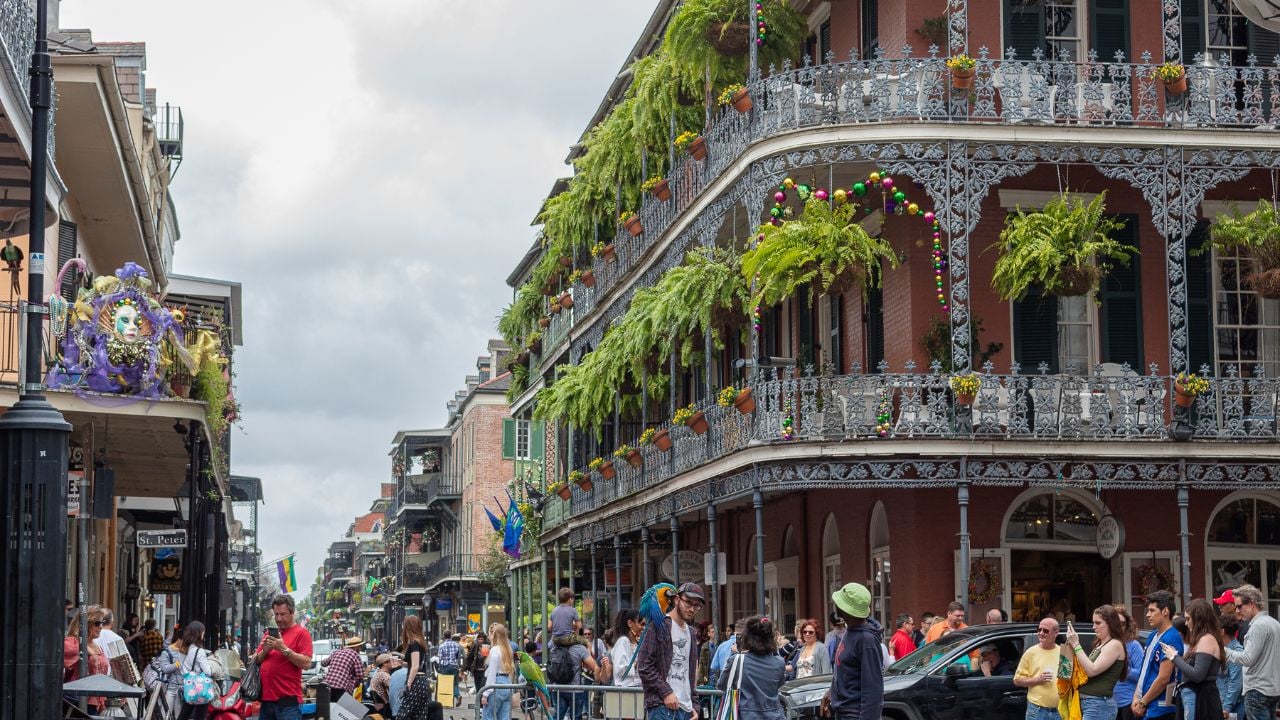
New Orleans should not be planned as if the French Quarter were the whole city. New Orleans & Company says the city’s architecture, food, entertainment, and culture are spread through many diverse neighborhoods, from the French Quarter to the Marigny and beyond.
The French Quarter can take a first day with Jackson Square, Royal Street, Decatur Street, courtyards, restaurants, bars, and riverfront time. The Marigny and Bywater should be treated as separate areas for music, restaurants, Creole cottages, bars, and side streets. The Garden District and Magazine Street need a different route with historic houses, shops, restaurants, and the St. Charles Avenue streetcar corridor.
Tremé, Mid-City, Uptown, the Warehouse District, and City Park can each pull the day away from the Quarter. Travelers should check transit, rideshare timing, music schedules, restaurant reservations, and festival dates before building a route across several neighborhoods.
A stronger New Orleans plan gives each day a base area. French Quarter and Marigny can share one evening if the walking route and music plan make sense. Garden District and Magazine Street can share another block. City Park or Mid-City should not be added as an afterthought between a late brunch and a Frenchmen Street night.