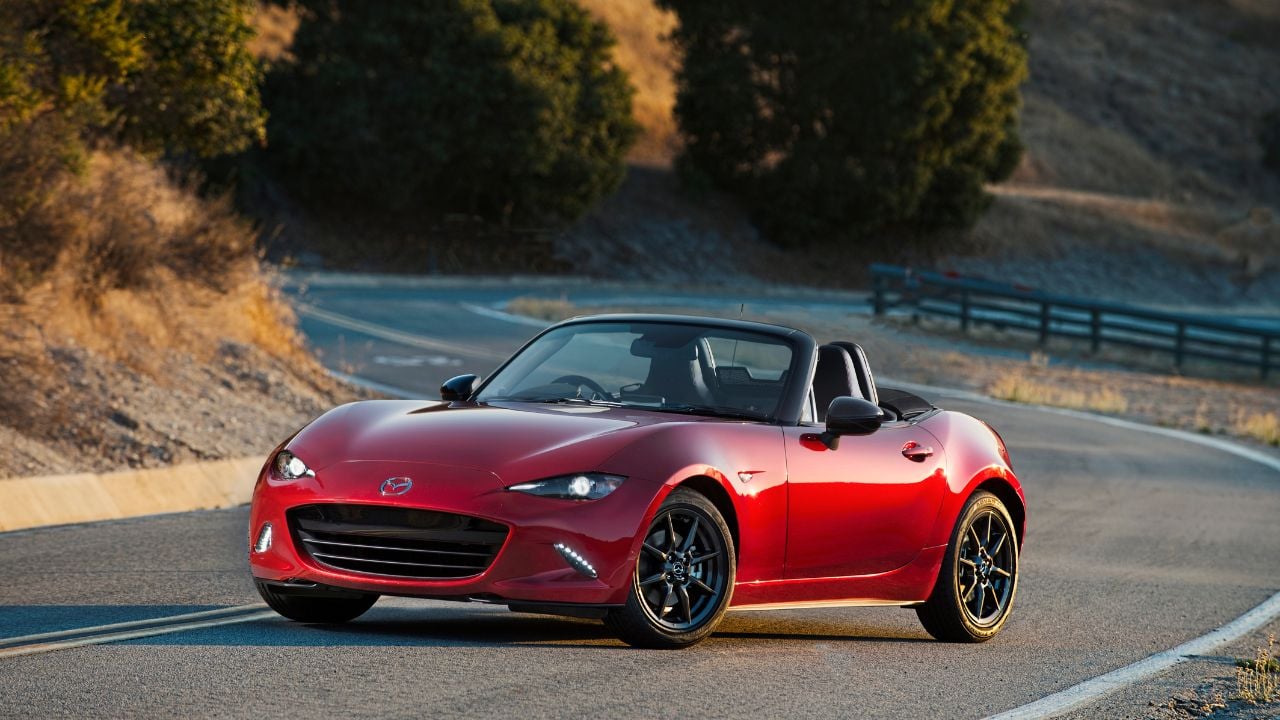
Mazda’s latest U.S. sales figures send a mixed message for the Japanese automaker. While several of the brand’s SUVs posted significant declines in April, the iconic MX-5 Miata continues gaining momentum as buyers show renewed interest in lightweight, enthusiast-focused sports cars.
According to Mazda’s newly released sales report, the company sold 31,128 vehicles in the United States during April 2026, representing a 17.3 percent decline compared to the same month last year. Year-to-date sales are also down 15.1 percent, with Mazda moving 125,601 vehicles through the first four months of the year.
The most surprising part of the report is where Mazda’s strength currently lies. Rather than premium SUVs or high-margin family crossovers, the standout performer was once again the MX-5 Miata, a compact two-seat roadster that has remained largely faithful to its lightweight formula for decades.
The contrast highlights an increasingly important question for Mazda as it continues trying to move upscale in the market. Buyers appear to appreciate the brand most when it leans into its traditional strengths: engaging driving dynamics, simplicity, and relatively affordable enthusiast vehicles.
Mazda’s Premium SUV Push Is Facing Resistance
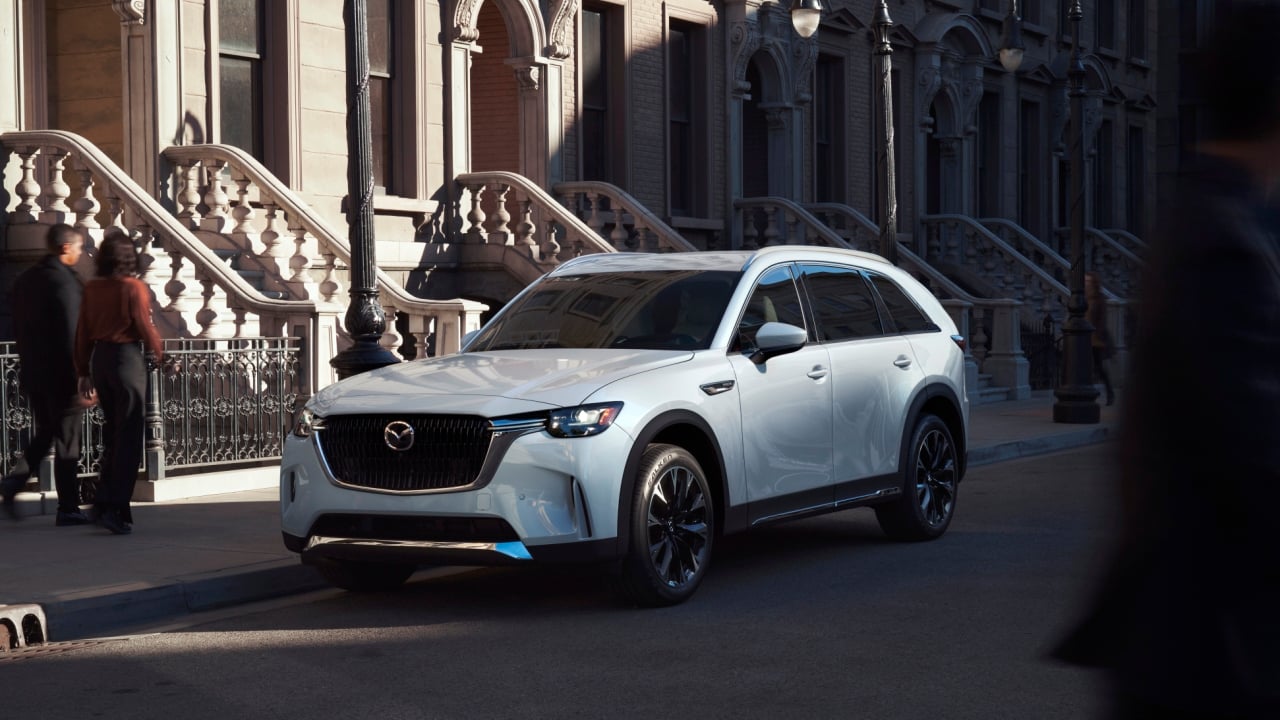
Several of Mazda’s newer and more expensive crossover models experienced some of the steepest declines in the company’s lineup during April. The flagship three-row CX-90 dropped 39.2 percent compared to last year, while the two-row CX-70 fell an even sharper 42.6 percent.
Those models represent Mazda’s most ambitious attempts to compete against premium brands in the $40,000 to $60,000 segment. With upscale interiors, rear-drive-based platforms, turbocharged inline-six engines, and premium styling, Mazda has clearly been targeting buyers who might otherwise shop BMW, Acura, Lexus, or Mercedes-Benz.
So far, however, the strategy appears to be struggling to gain traction. Buyers shopping at higher price points often prioritize established luxury badges, broader dealer networks, and stronger brand prestige, areas where Mazda still faces significant challenges despite the quality of its newer vehicles.
The pressure is not limited to Mazda’s flagship SUVs either. The smaller CX-30 compact crossover fell 35 percent in April, while the longtime best-selling CX-5 dropped 18.9 percent.
One exception was the CX-50, which posted a modest 5.8 percent increase. Much of that improvement appears tied to the arrival of the model’s new hybrid powertrain, which may be helping the crossover remain competitive as fuel economy becomes increasingly important to buyers.
The MX-5 Miata Continues to Defy Industry Trends
While SUV sales softened, the MX-5 Miata delivered one of the strongest performances in Mazda’s entire lineup. Overall Miata sales surged 60 percent in April compared to the previous year.
The traditional soft-top convertible gained 44.8 percent, while the retractable-hardtop RF model jumped an impressive 81 percent. Although the Miata remains a relatively low-volume product compared to Mazda’s SUVs, the growth is significant given the shrinking sports car segment overall.
The Miata’s continued popularity suggests there is still meaningful demand for lightweight, affordable sports cars focused on driving enjoyment rather than outright power or technology overload. In an era increasingly dominated by large crossovers, electrification, and rising vehicle weights, the Miata’s simplicity continues resonating with enthusiasts.
Mazda has spent decades building a reputation around balanced handling and driver engagement, and the MX-5 remains the clearest expression of that philosophy. The car’s formula has changed very little over the years because buyers continue responding to its analog driving experience.
Mazda’s Identity May Be at a Crossroads
Mazda’s recent sales trends could force the company to reevaluate how aggressively it wants to pursue premium positioning in the future. The automaker has invested heavily in upscale interiors, new platforms, and more sophisticated powertrains designed to elevate the brand’s image.
There is no question that modern Mazdas feel more refined and expensive than their predecessors. However, the latest sales figures suggest many buyers still associate the company primarily with affordable, driver-focused vehicles rather than luxury transportation.
That creates a difficult balancing act. SUVs remain essential for profitability in today’s market, and premium models typically generate higher margins than sports cars. At the same time, enthusiast-focused vehicles like the Miata help define Mazda’s identity in ways crossovers often cannot.
The company’s challenge moving forward may be finding a way to maintain its enthusiast roots while still competing in segments dominated by larger luxury brands.
Buyers Still Seem Drawn to Mazda’s Original Formula
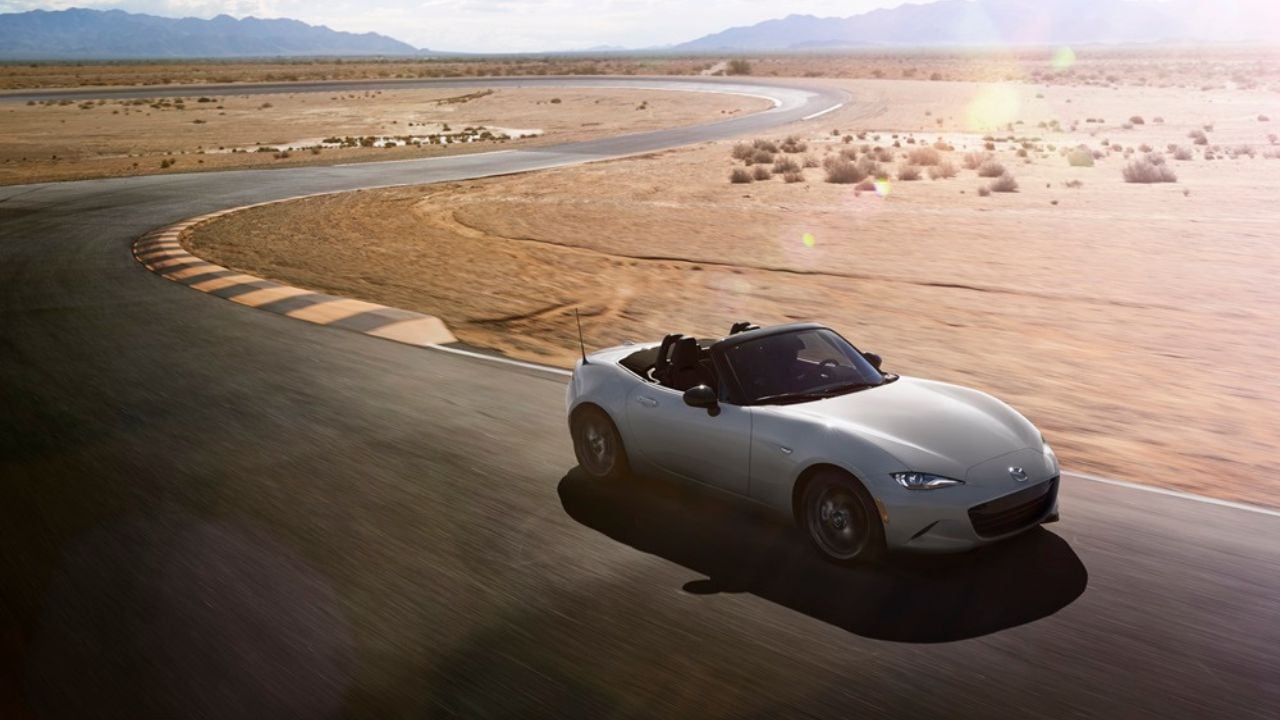
The latest sales numbers reinforce something many enthusiasts have argued for years: Mazda’s strongest appeal often comes from its focus on driving enjoyment rather than outright luxury aspirations.
The Miata’s success shows there is still a dedicated audience for smaller, lighter, and more engaging vehicles, even as much of the industry continues shifting toward larger and more expensive SUVs.
Mazda’s future lineup will almost certainly remain crossover-heavy because that is where the broader market continues moving. Still, the company may need to remember that its reputation was built on accessible, fun-to-drive cars that delivered personality without requiring luxury-brand pricing.
Right now, the humble Miata appears to be reminding everyone exactly why people fell in love with Mazda in the first place.