
Drivers in eastern California are heading across state lines in search of cheaper fuel as gasoline prices continue climbing in parts of the state. In the desert city of Needles, motorists are reportedly skipping local stations and driving into neighboring Arizona, where prices are dramatically lower despite the short distance between the two locations.
The contrast has drawn attention after a video from Inside Edition highlighted a Mobil station in Needles selling gasoline for $7.49 per gallon. Just 1.5 miles away in Arizona’s Mojave Valley, drivers were finding fuel for $4.19 per gallon, creating a savings of more than $3 per gallon for anyone willing to make the brief detour.
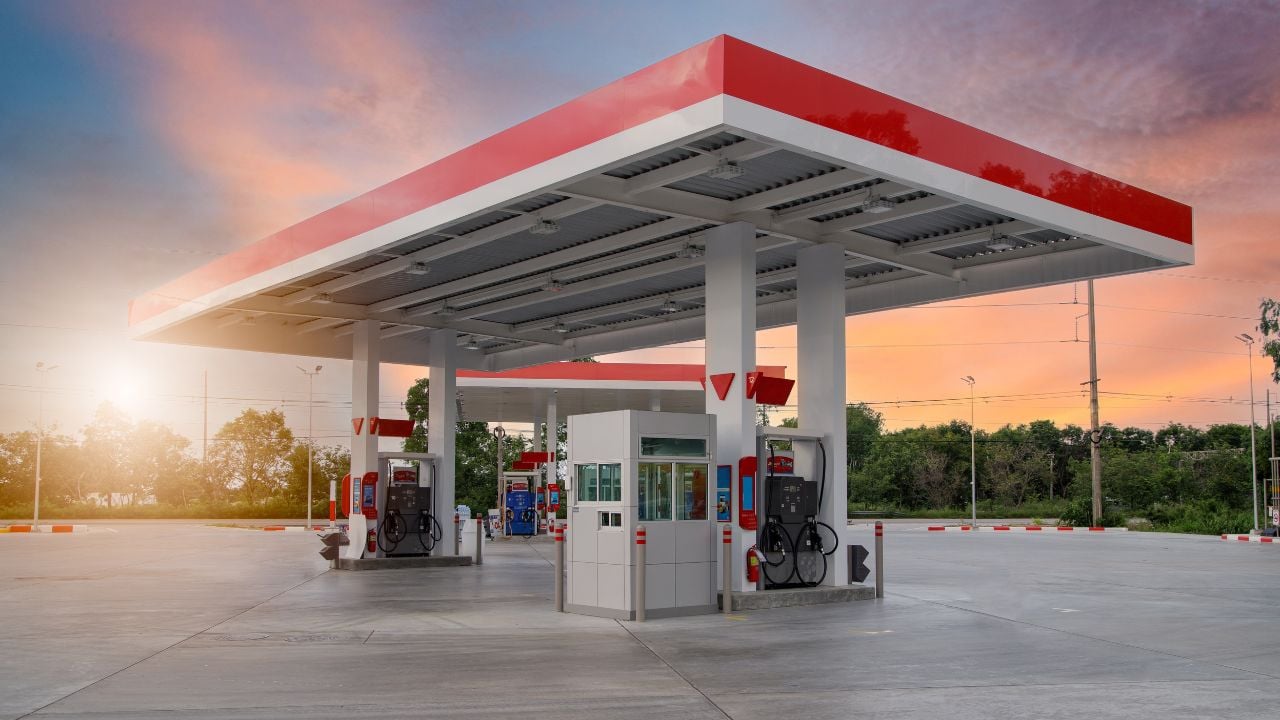
For local station owners, the price gap is creating an unusual situation. Cody Eggleston, manager of the Needles Mobil station featured in the report, said many of the customers who once stopped there now continue directly into Arizona to fill up instead.
The situation reflects the growing pressure high fuel prices are placing on drivers across California, particularly in remote border regions where neighboring states offer significantly lower prices. With tensions affecting global oil markets and fuel costs remaining volatile, motorists are increasingly looking for practical ways to reduce everyday expenses.
Why California Gas Prices Are So Much Higher
One of the biggest reasons for the sharp difference comes down to taxes and fuel regulations. California currently has the highest state gasoline tax in the United States, at roughly 70 cents per gallon, while Arizona’s gas tax sits closer to 18 cents per gallon.
California also requires a specialized cleaner-burning gasoline blend designed to reduce emissions. While environmental advocates argue that the fuel standards help improve air quality, the blend is more expensive to refine and distribute than conventional fuel sold in many other states.
Those added costs become especially noticeable in isolated communities like Needles, where drivers can reach a lower-tax state in only a few minutes. In larger urban areas, residents may not have the same option available nearby.
Global energy concerns have also contributed to rising fuel prices in recent months. Ongoing instability surrounding the Middle East and shipping routes tied to the Strait of Hormuz has increased pressure on oil markets, pushing gasoline prices upward nationwide.
Border Town Drivers Are Changing Their Habits
For many motorists, the savings are significant enough to justify the extra drive. Filling a 15-gallon tank in Arizona instead of California could save drivers nearly $50 based on the prices highlighted in the report.
Modern vehicles also make the short trip easier to justify financially. Many newer sedans and compact crossovers now achieve fuel economy figures well above 30 mpg, meaning the additional mileage used to cross state lines has little impact on overall savings.
Some drivers are also changing other habits to offset rising costs. Carpooling has reportedly become more common again in some regions, while others are combining errands or reducing unnecessary trips altogether.
Fuel prices have historically influenced driver behavior, though the stark difference between neighboring states has made the current situation particularly noticeable along the California-Arizona border.
High Fuel Costs Continue to Push EV Interest
California’s long-term transportation policies are also part of the general discussion surrounding fuel prices. The state continues to aggressively support electric vehicle adoption and plans to phase out sales of new gasoline-powered vehicles by 2035, although the policy has faced legal and political challenges.
As gasoline prices rise, some consumers are increasingly considering hybrids and EVs as alternatives to traditional combustion vehicles. Analysts have noted stronger demand for fuel-efficient vehicles during periods of sustained fuel price increases, especially in markets like California, where gasoline already carries a premium.
Automakers have also reported growing interest in electric models during recent months. Hyundai, for example, has seen strong momentum for EVs like the Ioniq 5 in the U.S. market, while used-car studies suggest hybrids and EVs are selling more quickly than before.
Recent research found that vehicles such as the Tesla Model X, Lexus RX 350h, and Honda Civic Hybrid are among the fastest-selling used vehicles in the country. Rising operating costs for gasoline-powered vehicles appear to be playing a role in shifting consumer priorities.
A Short Drive That Highlights a Bigger Issue
The short trip from Needles to Mojave Valley has become a striking example of how regional fuel policies and taxes can dramatically affect pump prices. Even a distance of less than two miles can produce savings large enough to alter driver behavior and hurt local businesses on one side of the border.
For station owners in California border towns, the challenge is difficult to overcome. Competing against another state with substantially lower taxes and operating costs leaves little room to attract budget-conscious drivers.
With fuel prices expected to remain unpredictable, similar cross-border fueling trends could become increasingly common in areas where drivers have quick access to cheaper neighboring states.