Small-city weekends need a usable center, short routes, and clear day blocks. A good base should put restaurants, shops, galleries, parks, waterfront paths, or historic streets close enough that travelers are not driving between every meal and stop.
Burlington can use Church Street Marketplace and Lake Champlain as the main route. Santa Fe can split the trip between the Plaza, downtown galleries, restaurants, and Canyon Road. Traverse City can combine downtown, the bayfront, and a planned winery route on Old Mission Peninsula or Leelanau Peninsula.
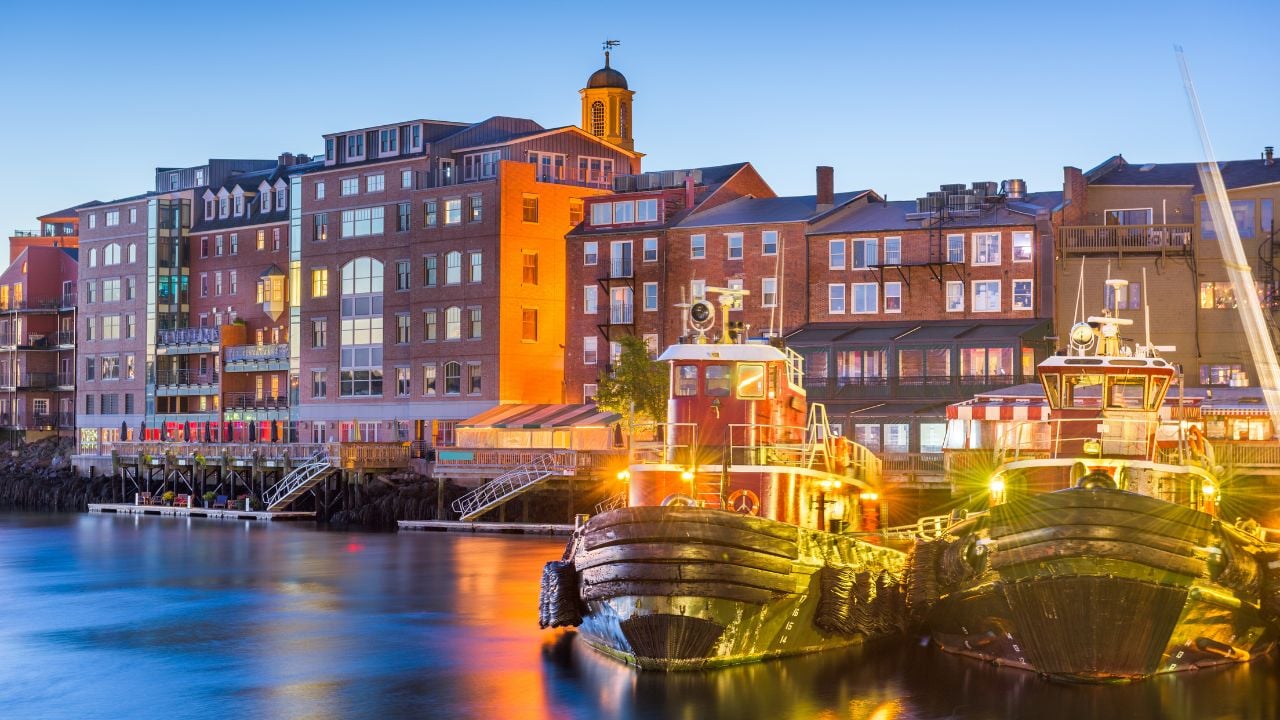
Portsmouth keeps restaurants, shops, live music, historic streets, harbor walks, and tours close to Market Square and the waterfront. Ashland’s schedule should be built around Oregon Shakespeare Festival showtimes, downtown meals, galleries, Lithia Park, and nearby outdoor time. Greenville connects Falls Park, Liberty Bridge, Main Street, restaurants, trails, and shops in the center of town.
St. Augustine can keep much of a weekend inside the historic district, with old streets, museums, churches, dining, shops, bayfront views, and trolley options. Each destination still needs hotel research, restaurant reservations, parking checks, and realistic time blocks for anything outside the main center.
1. Burlington, Vermont

Burlington’s weekend route can start on Church Street Marketplace and move toward Lake Champlain later in the day. The official Church Street Marketplace site says the pedestrian mall has more than 100 stores and restaurants, plus year-round events and entertainment.
A central hotel near Church Street, the waterfront, or the blocks between them reduces car use for meals, shopping, coffee, and evening plans. Travelers can keep the downtown portion on foot, then walk or bike toward the lake for sunset views, waterfront paths, or a slower afternoon.
Church Street can cover shopping, lunch, cafés, bookstores, and dinner without a long transfer. The lakefront adds the outdoor half of the trip, especially when the weather supports biking, walking, or sitting near the water before dinner.
Longer Lake Champlain outings, nearby farms, mountain areas, and ski-related plans need separate time. A short Burlington stay should not treat every Vermont stop as a quick add-on after a downtown meal.
2. Santa Fe, New Mexico
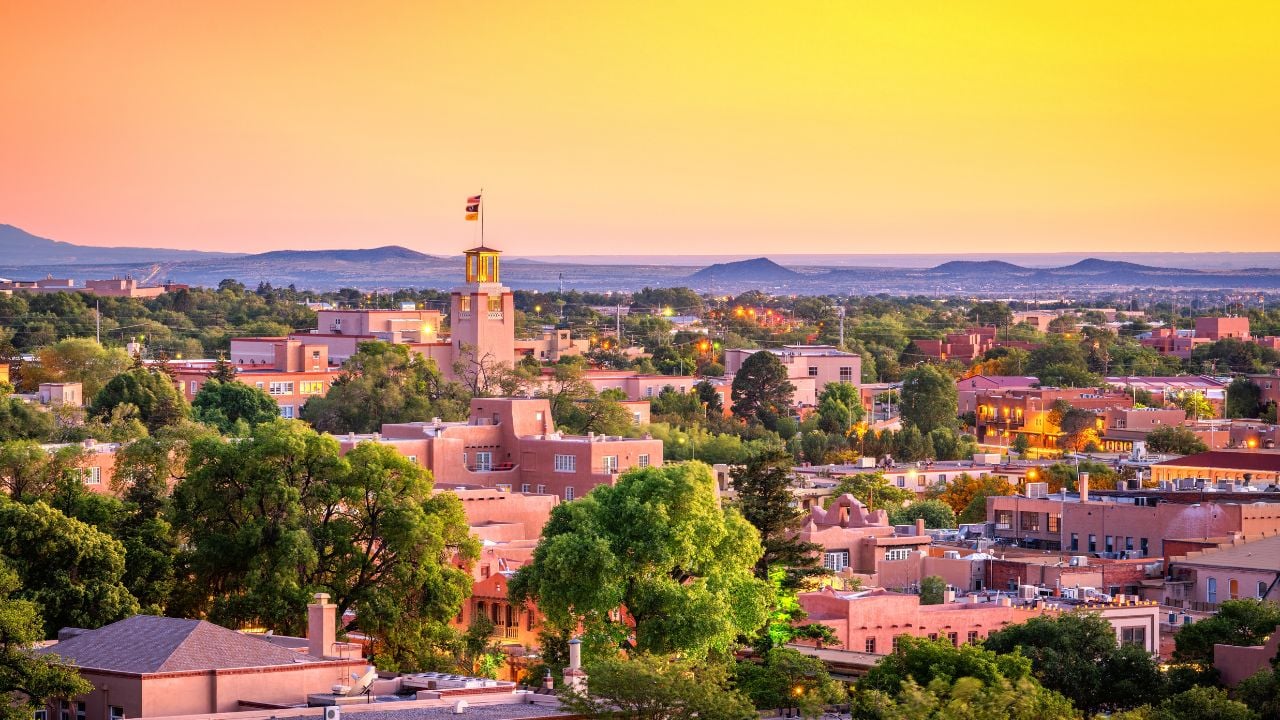
Santa Fe’s downtown plan should start near the Plaza. Tourism Santa Fe describes Plaza and Downtown as the original city center, with the historic Plaza, the Palace of the Governors, classic architecture, restaurants, galleries, boutiques, bookstores, museums, and hotels nearby.
A Plaza-based route can include Palace Avenue, the Palace of the Governors area, the Cathedral Basilica area, central galleries, restaurants, and nearby museums. A hotel near the Plaza cuts down on driving between dinner, shops, galleries, and museum stops.
Canyon Road needs its own half-day instead of a rushed stop between lunch and a scenic drive. Tourism Santa Fe says Canyon Road has more than 100 galleries along a half-mile, tree-lined, pedestrian-friendly stretch. Travelers who want galleries, courtyards, studios, adobe buildings, and dinner nearby should block enough time for that area.
Outdoor plans require separate checks for altitude, sun exposure, weather, and drive time. Hikes, spa stops, high-desert scenery, and regional drives should not be stacked onto the same schedule as a full downtown-and-gallery day.
3. Traverse City, Michigan
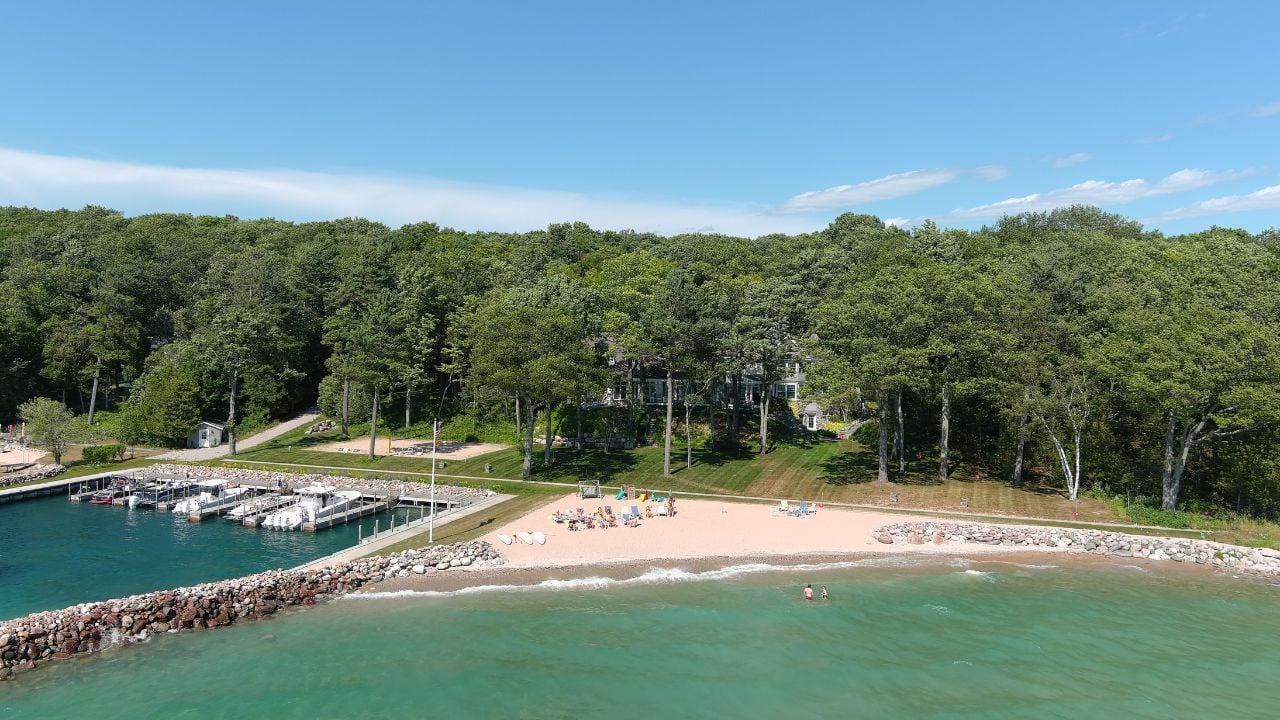
Traverse City needs three separate pieces in the plan: downtown, the bayfront, and wine-country time. Downtown can handle coffee, shops, restaurants, a market stop, and an evening meal, while Grand Traverse Bay adds beaches, marina views, and a waterfront walk.
Wine routes should not be treated as errands after lunch. Traverse City Tourism says the region has 50-plus wineries across bays, bluffs, and vineyard-lined peninsulas. Old Mission Peninsula and Leelanau Peninsula both need a tasting route, a transportation plan, and enough time between stops.
A practical weekend can use one block for downtown and the bay, then another for winery stops or Sleeping Bear Dunes-area scenery if the drive time fits. Travelers should choose a designated driver, tour, or car-service plan before building a tasting day.
Season changes the schedule. Summer brings beach traffic and busy restaurants, fall adds color and wine-country demand, and winter shifts more of the day toward restaurants, indoor stops, and shorter outdoor windows.
4. Portsmouth, New Hampshire

Portsmouth’s compact route starts around Market Square and the downtown waterfront. The official Go Portsmouth tourism site points visitors toward restaurants, boutique shops, live music, dining, and historic exploring.
Congress Street, Market Square, local shops, lunch downtown, a harbor walk, and dinner near the center can fit into a walk-based schedule. Travelers who want more history can add Strawbery Banke, a walking tour, or historic house stops as a dedicated block instead of cramming every site between meals.
Weekend dining and live music need advance checks. Go Portsmouth’s activity guide points visitors toward restaurants, shopping, nightlife, live music, walking tours, historic sites, antiquing, seasonal happenings, and sunset cruises, so the evening plan should be checked before arrival.
Sunset cruises, nearby beaches, Kittery shopping, and coastal drives pull the route outside the compact downtown area. Those plans need parking, timing, and weather checks before they are added to a short weekend.
5. Ashland, Oregon
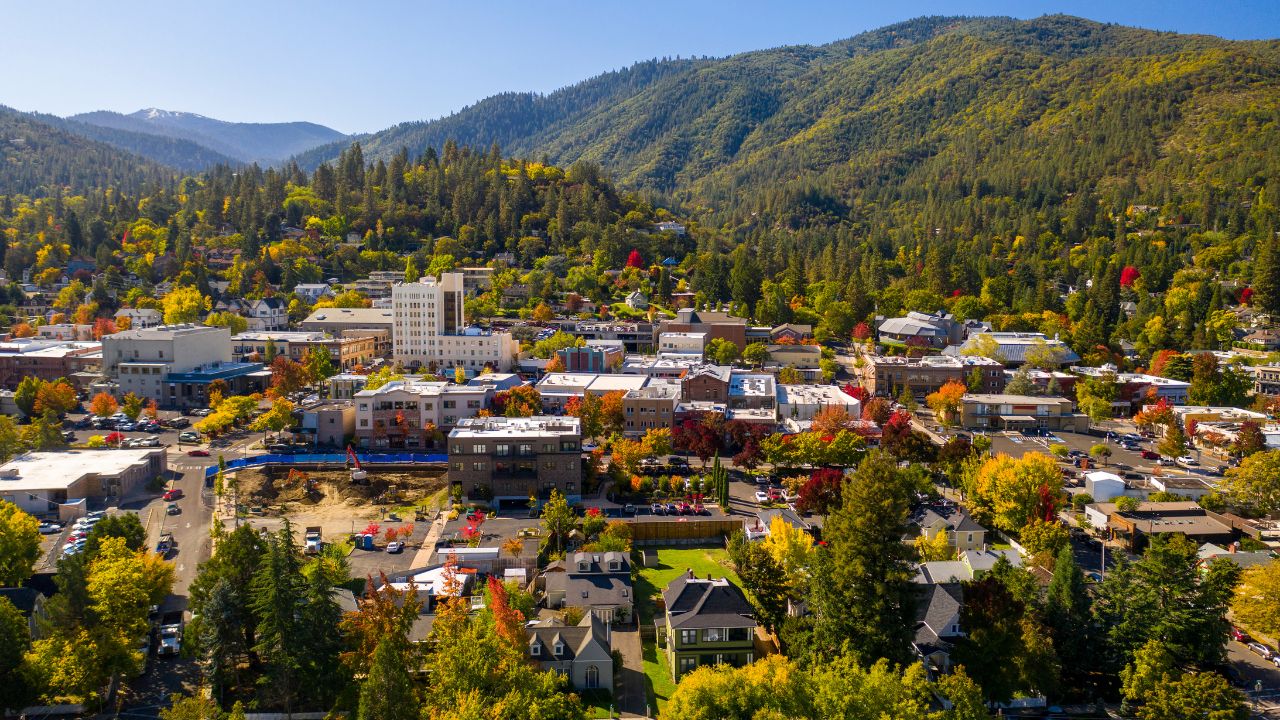
Ashland’s schedule should be built around performance times, meals, and outdoor blocks. Travel Oregon calls Ashland a cultural hot spot connected to the Oregon Shakespeare Festival, galleries, theaters, restaurants, and outdoor recreation near the Siskiyou and Cascade mountain ranges.
The Oregon Shakespeare Festival should be planned before dinner reservations or longer excursions. The official festival site offers plays, activities, and events, so travelers should check show dates and times before adding a park-heavy afternoon, wine-country stop, or mountain drive.
Downtown restaurants, galleries, shops, and Lithia Park can fill the non-theater portion of the day. A central hotel reduces movement between the theater district, meals, shops, and park paths.
Outdoor recreation around Ashland should be treated as a separate block. Mountain drives, longer hikes, winery stops, and regional scenery need daylight, weather checks, and travel time that may not fit around a matinee or evening show.
6. Greenville, South Carolina
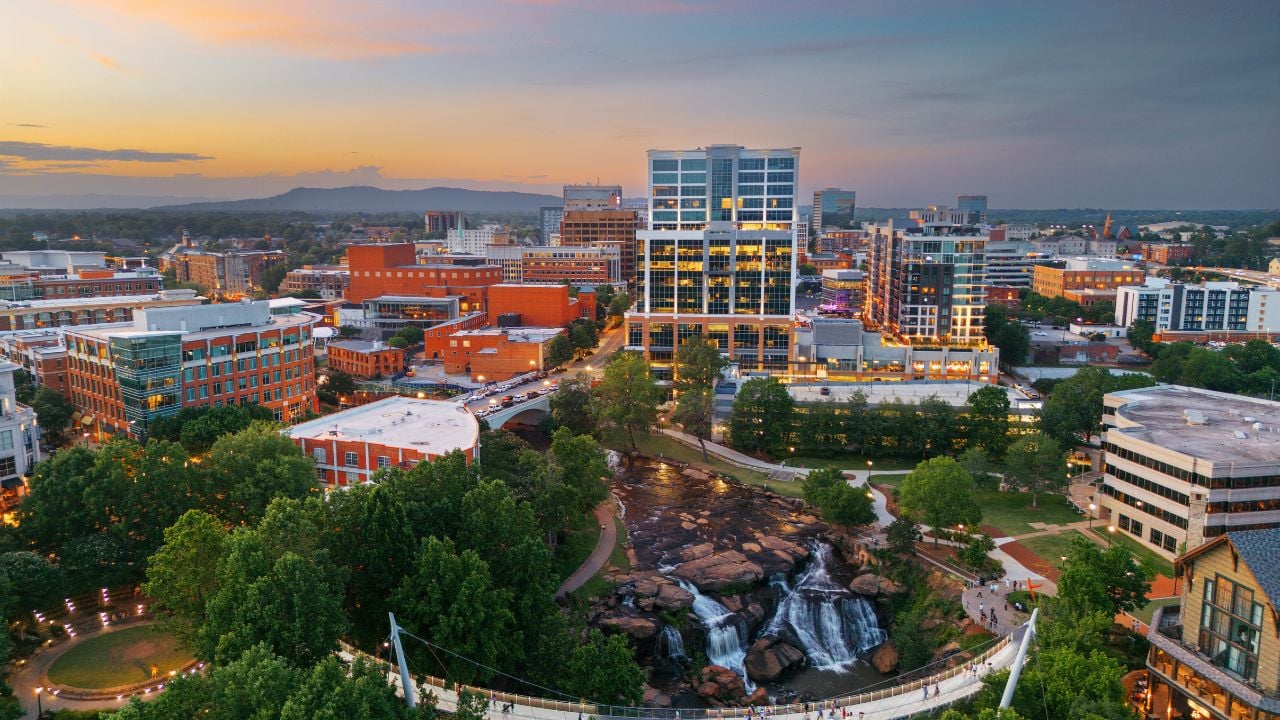
Greenville places its main outdoor stop inside downtown. The City of Greenville says Falls Park includes the Liberty Bridge, a curved cantilevered bridge over the Reedy River. Visit Greenville identifies Liberty Bridge as a 345-foot span above Falls Park on the Reedy.
A downtown route can start at Falls Park, cross Liberty Bridge, continue along the Reedy River area, and move into Main Street for lunch, shops, craft beer, or dinner. The park and restaurant district sit close enough to share the same walking plan.
The Swamp Rabbit Trail, additional breweries, performance venues, and nearby neighborhoods need separate time. Travelers staying downtown can walk to the park and Main Street, then decide whether to add a trail ride, show, or restaurant reservation later in the day.
Parking and dinner timing need attention on weekends. A hotel near Main Street or Falls Park reduces driving after dinner and keeps the core route within walking distance.
7. St. Augustine, Florida
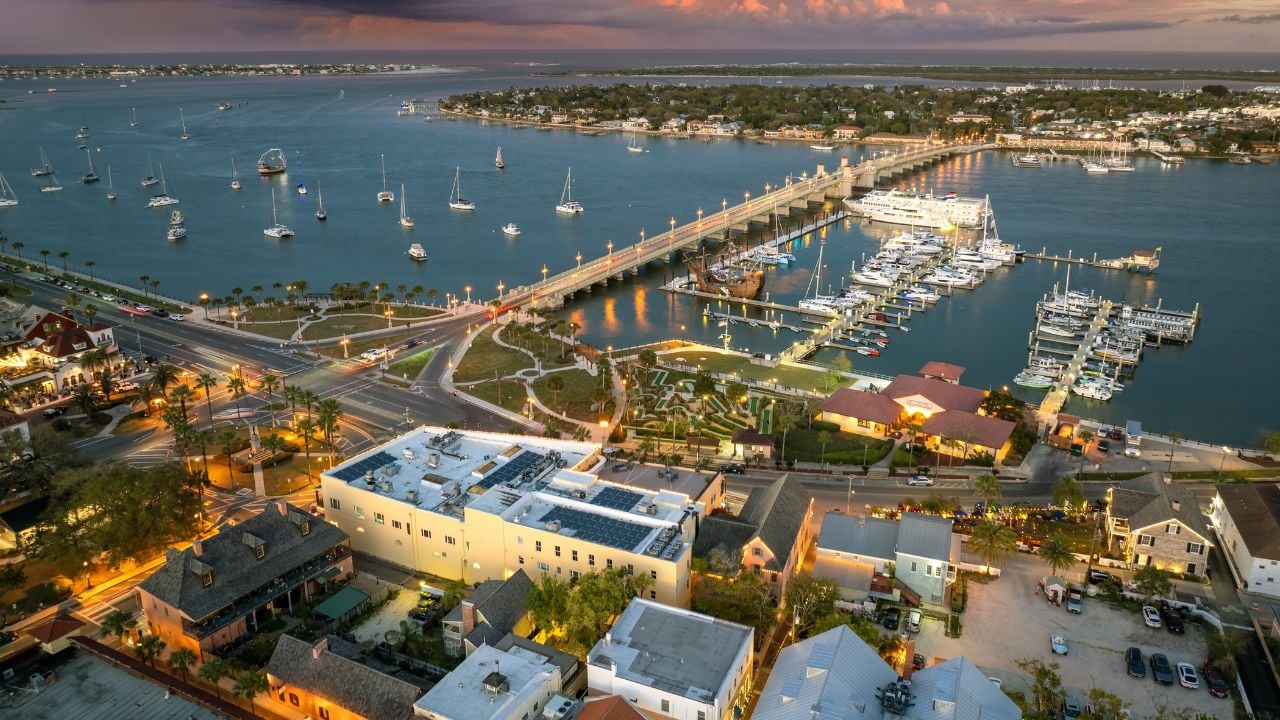
St. Augustine’s historic district supports a park-once weekend. Florida’s Historic Coast says St. Augustine is very walkable and that visitors can often leave the car at the hotel while touring on foot. The same visitor guidance also points to trolley services with hop-on, hop-off stops.
A central route can include old streets, museums, churches, dining, shops, bayfront views, and live music. Travelers should choose a hotel or inn close to the historic district if they want to reduce parking searches and short drives between meals and attractions.
The Castillo de San Marcos area, St. George Street, bayfront paths, historic churches, museums, and evening streets can fill a day without a beach drive. Beach time, Anastasia Island, lighthouse visits, and farther coastal stops need separate blocks.
Traffic and parking can build around the historic district on weekends, holidays, and event dates. Travelers should confirm hotel parking, trolley options, and walking distance before arrival.