A short trip gets worse when the best stops sit too far apart. One long transfer can push lunch late, a bad parking plan can waste the first hour, and a sightseeing list with scattered stops can turn a relaxed day into map-checking and backtracking.
These five destinations keep the strongest parts of a first visit close together. Bruges has canals, bridges, boat landings, market squares, chocolate shops, and cafés inside the historic center. Santa Fe connects the Plaza, the Palace of the Governors, downtown restaurants, museums, and Canyon Road galleries without requiring a complicated cross-city plan.
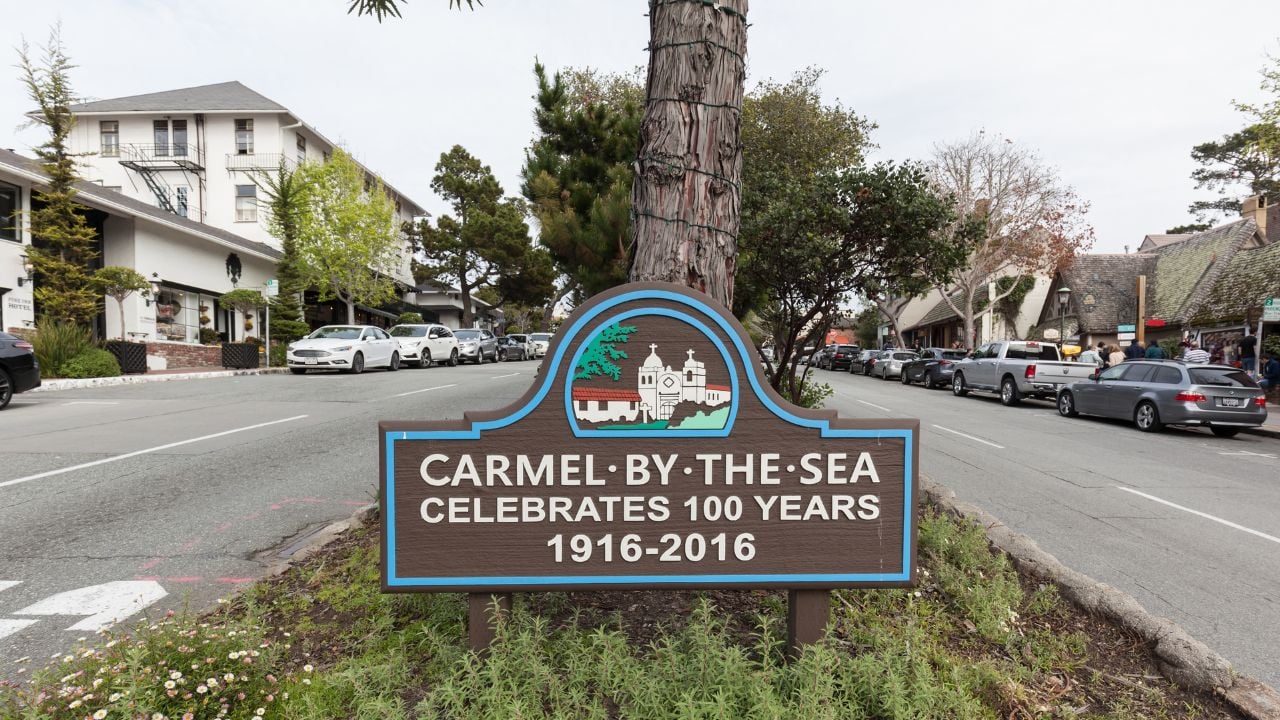
San Sebastián links La Concha, the marina, the Old Town, beaches, and pintxo bars into one walkable coastal route. Victoria, British Columbia, uses the Inner Harbour as a base for ferries, float planes, water taxis, restaurants, museums, and waterfront paths. Carmel-by-the-Sea keeps hotels, restaurants, tasting rooms, galleries, shops, and Carmel Beach inside a small village layout.
For a one-day or two-day visit, the better plan is to choose one compact area and build around it. Book a central room, pick one meal or timed activity, and leave the rest of the day for stops that sit on the same walking route.
1. Bruges, Belgium

Start in Bruges around Markt or Burg Square, then walk toward the canals instead of building the day around distant stops. The historic center puts brick bridges, stepped-gable buildings, church towers, chocolate shops, beer cafés, and quiet waterside streets within a small area. A first visit can cover the main atmosphere on foot without a car or a transit plan.
The canal boats add a short, fixed activity without taking over the day. Visit Bruges says boat trips depart from five landing stages in the heart of Bruges and last about half an hour. The route runs between Jan van Eyck Square and the Beguinage, giving travelers a water-level view of bridges, gardens, and medieval buildings.
Doing the boat ride early can help visitors choose the rest of the walk. A bridge, garden wall, or canal corner seen from the water can become the next stop on foot. That keeps the route focused instead of sending travelers through the center at random.
A one-day Bruges route can stay tight: Markt, Burg Square, a canal walk, one boat trip, and one long food stop. Fries, waffles, chocolate, beer, or a café table can fill the afternoon without sending the itinerary outside the historic core.
2. Santa Fe, New Mexico

Use the Plaza as the first anchor in Santa Fe. Tourism Santa Fe describes the Plaza and Downtown area as the original city center, with the Plaza, the Palace of the Governors, classic architecture, restaurants, galleries, boutiques, bookstores, museums, and hotels nearby.
The downtown area gives travelers enough stops for a full morning without moving the car. Adobe buildings, shaded portals, museum entrances, jewelry vendors, church stops, lunch options, and courtyard shops sit close together. The Plaza can function as the meeting point before and after each short walk.
Canyon Road gives the afternoon a separate focus. Tourism Santa Fe says Canyon Road has more than 100 galleries along a half-mile, tree-lined, pedestrian-friendly stretch. Visitors can move between galleries, courtyards, studios, jewelry stops, and restaurants without treating the art scene like a formal museum route.
A first Santa Fe day can stay within two zones: the Plaza and Downtown before lunch, Canyon Road after lunch, and dinner back near the center. Travelers who want one extra stop can add the Georgia O’Keeffe Museum, the Cathedral Basilica of St. Francis of Assisi, or an evening performance instead of adding another neighborhood.
3. San Sebastián, Spain
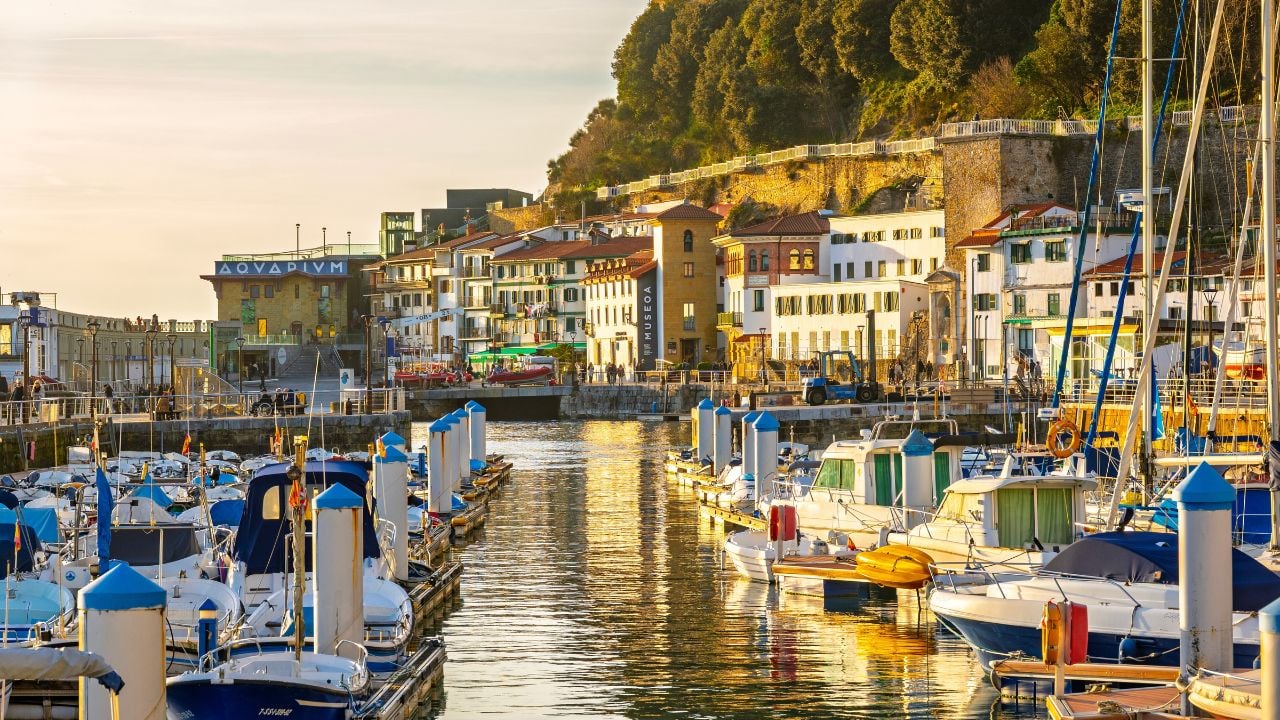
Plan San Sebastián around the bay first. La Concha, the marina, the Aquarium area, and the Old Town sit close enough for a single afternoon and evening route. Travelers can walk the promenade, pause near the water, continue toward the Old Town, and start dinner without switching neighborhoods.
The official tourism site lists San Sebastián’s beaches as year-round attractions, with La Concha, Ondarreta, Zurriola, and Santa Clara Island offering different settings. La Concha gives the classic bay view; Ondarreta sits toward the western side; Zurriola draws more surf activity; and Santa Clara adds an island beach option when access and conditions allow.
Dinner can stay informal because pintxo bars cluster heavily in the Old Town and central neighborhoods. Donostia San Sebastián Tourism describes going for pintxos as an essential part of visiting the city and organizes suggestions by neighborhood, taste, and experience style. Visitors can order one or two small plates, move to the next bar, and keep the meal flexible.
A strong first day can include La Concha before sunset, the marina or Aquarium area, the Old Town for pintxos, and the return walk by the water. Extra time can go to Monte Igueldo for bay views, Monte Urgull for paths and fortifications, or Zurriola for a surf-focused stop.
4. Victoria, British Columbia

Start Victoria at the Inner Harbor, where transportation and sightseeing share the same waterfront. Tourism Victoria says the Inner Harbour serves whale-watching and ecotourism businesses, float planes, ferry connections, and water taxi services. The British Columbia Parliament Buildings, the Fairmont Empress, waterfront paths, tour departures, restaurants, and museum stops sit around the same central area.
The first walk can follow the harbor edge. Travelers can watch ferries and float planes, stop near the Parliament Buildings, continue toward a restaurant or museum, and return to the water without leaving the central loop. The route works for a slow first day because the next stop is usually visible or signed from the harbor area.
Water taxis can replace part of the walk or connect nearby waterfront points. Victoria Harbour Ferry lists water taxi service around the harbor, with pickup by dock QR code or phone. A short hop can link downtown, Old Town, Fisherman’s Wharf, and other harbor stops.
Butchart Gardens, whale watching, and longer coastal outings should be scheduled as separate blocks. Those trips take visitors beyond the central harbor loop and can absorb several hours. For a short stay, keep one day around the Inner Harbour and give larger excursions their own morning or afternoon.
5. Carmel-by-the-Sea, California

Book inside Carmel-by-the-Sea’s village if the goal is to park once and spend the day on foot. The official travel site describes Carmel as a one-square-mile village with restaurants, wine tasting, boutique shops, art galleries, a white-sand beach, scenery, and hotels or inns within walking distance.
Ocean Avenue and the surrounding blocks give visitors a practical walking route. From a central hotel or inn, travelers can reach galleries, courtyards, cottages, shops, tasting rooms, restaurant patios, and the downhill walk to Carmel Beach before dinner. Staying in the village removes the need to move the car between each stop.
The food and wine scene can fill the afternoon and evening without adding extra driving. Carmel’s official site lists 60 restaurants and 18 wine tasting rooms within walking distance. A tasting room, a gallery stop, a beach walk, and dinner can fit into one day if the hotel is central.
The walking advantage drops if the room is outside the village. Travelers based elsewhere on the Monterey Peninsula may still need to drive, find parking, and plan around wider regional traffic. A central Carmel stay keeps the trip focused on the village streets, Carmel Beach, dinner, and the walk back after sunset.