
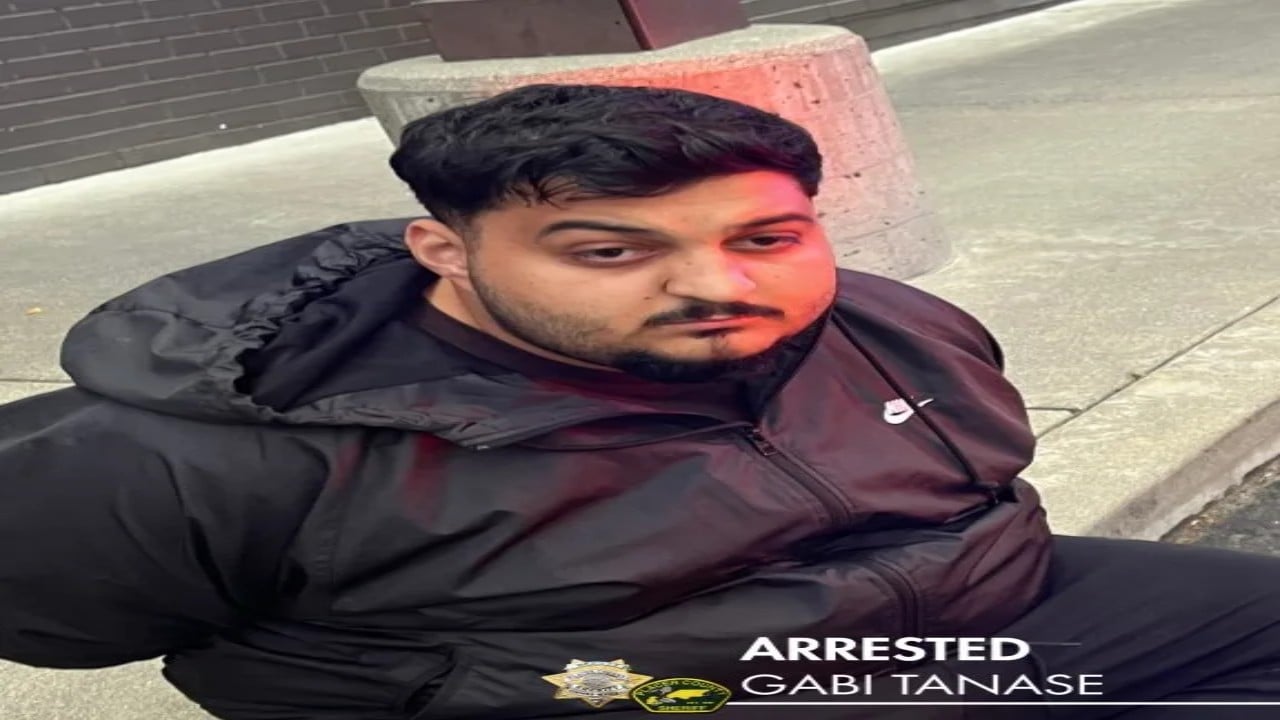
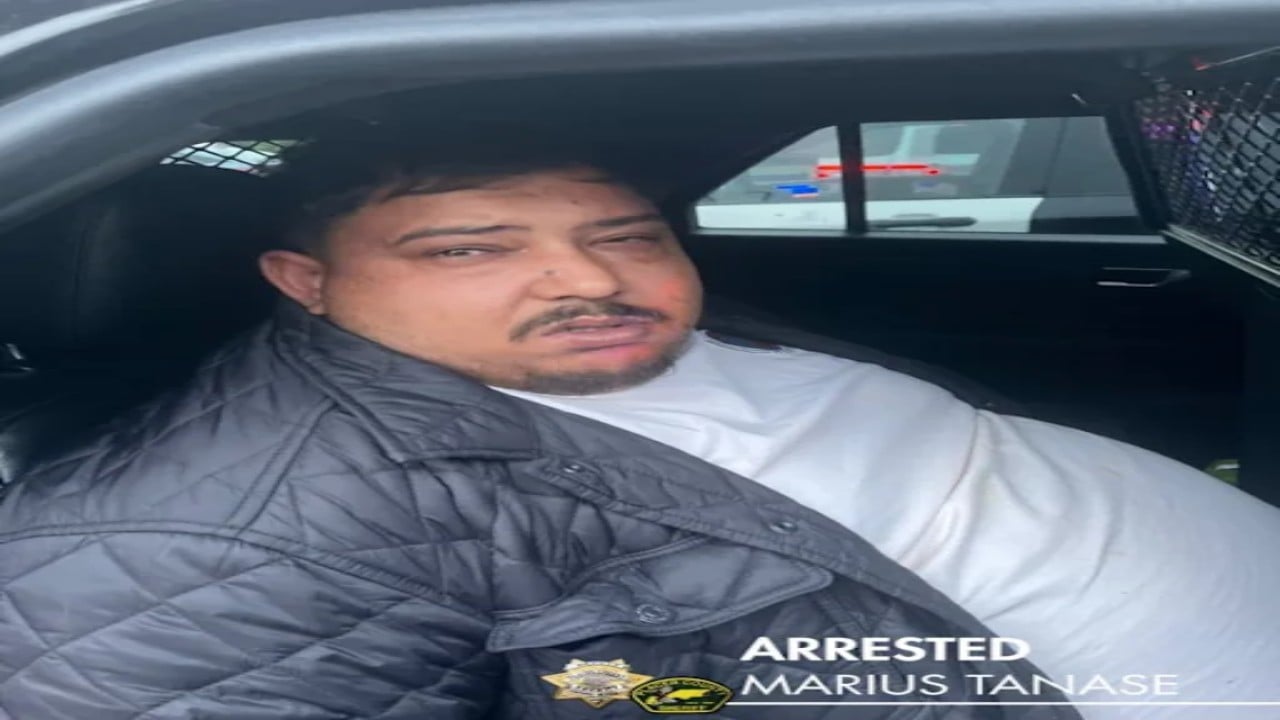
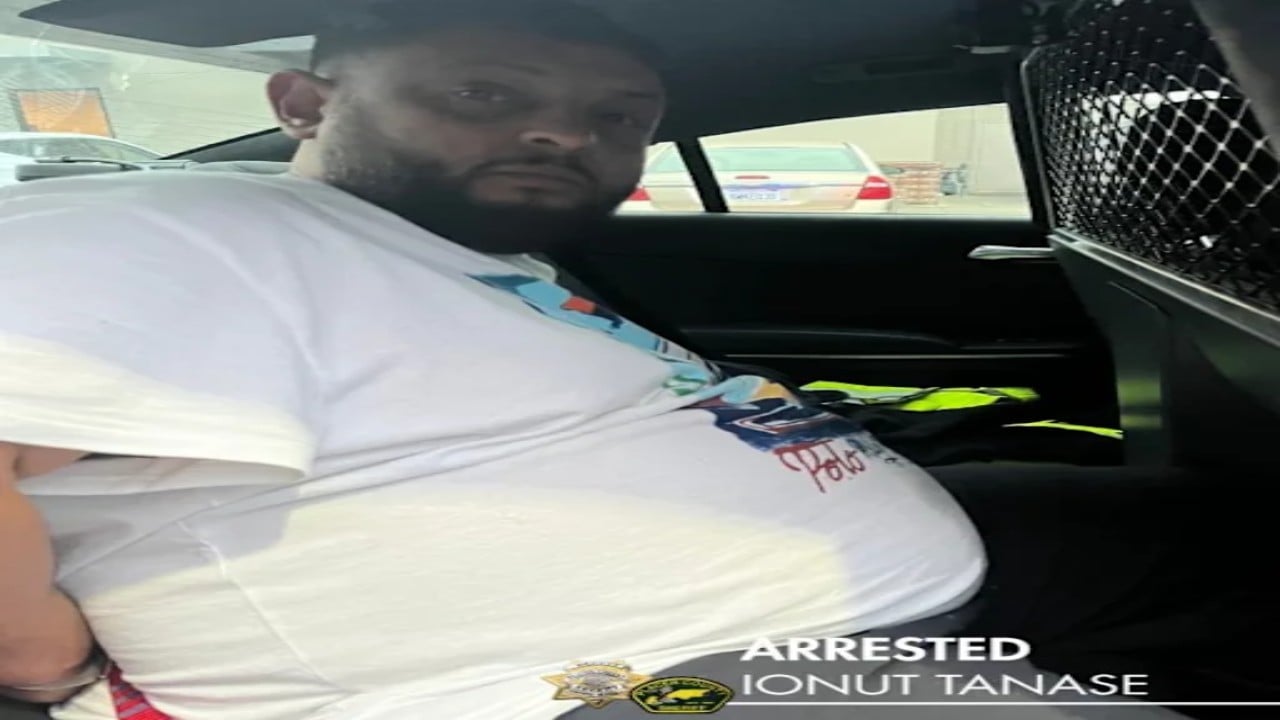
Authorities in California have arrested three men accused of carrying out a coordinated car sale scam that targeted private sellers across multiple counties in Los Angeles. Investigators say the suspects used a deceptive tactic designed to trick sellers into believing their vehicles had serious mechanical faults, allowing the group to negotiate sharply reduced prices.
The arrests follow a wider investigation into similar incidents reported across the state, with officials now urging more victims to come forward. Law enforcement agencies believe the scheme is not isolated, citing patterns in previous cases involving the same method. The case highlights growing risks in private vehicle sales, particularly those arranged through online marketplaces, where buyers and sellers often meet with little verification or oversight.
How the Scam Worked
According to investigators, the suspects posed as legitimate buyers responding to online car listings. They would arrange in-person meetings with sellers, often arriving in groups. During the inspection, one individual would distract the seller while the other secretly tampered with the engine.
Authorities say the group poured oil onto engine components to create the appearance of a serious mechanical problem. When the vehicle was started or taken for a test drive, it would start smoking, reinforcing the illusion of engine problems.
Using this staged damage, the suspects would claim the car was faulty and pressure the seller into accepting a much lower offer. In some cases, vehicles valued at thousands of dollars were purchased for a fraction of their asking price. Investigators say this tactic, often referred to as the “oil-in-the-engine” scam, has been used in multiple cases across California and beyond.
Arrests and Investigations Expand
According to the Placer County Sheriff’s office, “During the encounter, the suspects attempted to manipulate the situation to make it appear the car had a serious mechanical issue. The victim grew suspicious, declined to sell, and contacted law enforcement.”
The suspects, identified as members of the same group, were arrested after authorities linked them to several incidents across different counties. Law enforcement agencies collaborated to track their movements, noting similarities in how each scam was executed.
During the arrests, deputies reportedly recovered cash and items believed to be connected to the scheme. Officials say the investigation remains ongoing, with evidence suggesting the group may be connected to additional cases, where arrests were made. Authorities are now asking anyone who may have sold a vehicle under suspicious circumstances to contact law enforcement.
The case reflects a broader trend. Similar scams have been reported in other parts of the United States, often involving small groups that move between regions to avoid detection.
Growing Concern for Private Sellers
Law enforcement agencies are warning that scams targeting private vehicle sales are becoming more common, particularly as more transactions shift online. Platforms such as Facebook Marketplace and Craigslist make it easier for buyers and sellers to connect, but they also reduce the safeguards that traditional dealerships provide.
Officials strongly advise private sellers to meet buyers in well-lit public areas, verify all identification, and bring another person to every transaction. Remain especially cautious if a buyer creates sudden concerns about the car’s condition or tries to rush negotiations, as these are key warning signs of a potential scam.
Experts note that the scam relies heavily on psychological pressure. By creating an urgent problem, like perceived engine issues, these scammers push sellers into making quick decisions before they can independently verify the issue.
Authorities stress that legitimate buyers will welcome basic safety measures, such as having a trusted mechanic inspect the vehicle. The hope is that by raising awareness of these key warnings, it will protect more private sellers as the investigation continues.