The McLaren F1 used a BMW V12. The modern Toyota GR Supra uses a BMW inline-six. The Rolls-Royce Phantom VII relied on a BMW-era V12, and the Bentley Arnage briefly carried a BMW-derived twin-turbo V8. Those are not small footnotes. They are proof that some of BMW’s best engines became important far outside the brand’s own showrooms.
The surprise is how different the cars are. A central-seat McLaren supercar, a Japanese sports coupe, a handmade Morgan roadster, a British luxury flagship, an Italian mid-engine exotic, and a forgotten British supercar all used BMW engineering for very different reasons.
In some cases, the engine brought smoothness and refinement. In others, it brought speed, response, or credibility that the carmaker did not want to develop from scratch. The same basic idea could serve a 240-mph supercar, a quiet luxury sedan, or a lightweight roadster with old-school bodywork.
These seven cars show how far BMW engine engineering reached when other manufacturers needed the right answer under the hood.
How BMW Power Ended Up In Such Different Cars
Every car here was factory-built with a documented BMW engine connection. Engine swaps, tuner builds, concepts, and rumor-based cases stay out of the picture.
The engine also had to shape the car’s reputation. These examples stand out because the BMW unit affected how the car drove, what it became known for, or why enthusiasts still talk about it today.
McLaren F1
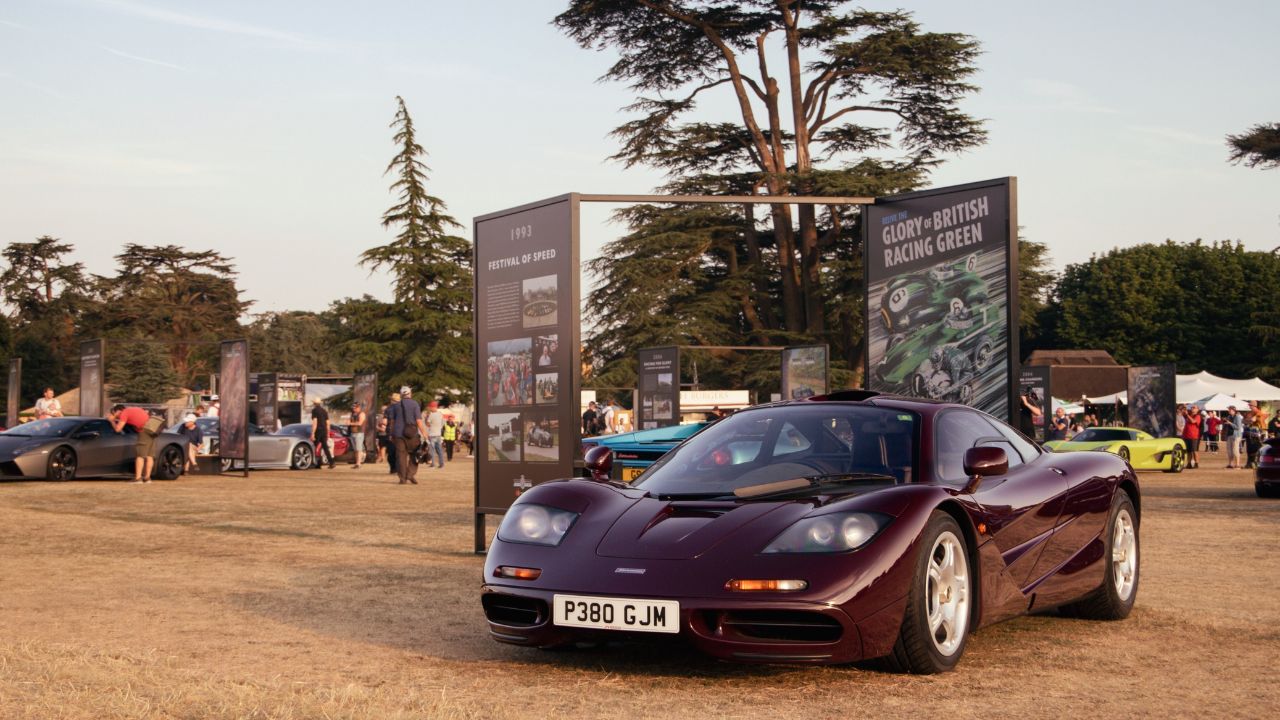
The McLaren F1 is the most famous BMW-powered car ever built. Gordon Murray wanted a naturally aspirated V12 with racing pedigree, instant response, low weight, and enough strength to make the F1 the fastest road car of its era.
BMW Motorsport answered with the S70/2, a 6.1-liter, roughly 370-cubic-inch V12 developed under Paul Rosche. It produced 627 PS, or about 618 hp, and roughly 479 lb-ft of torque, with quad overhead cams, variable valve timing, dry-sump lubrication, and an engine bay famously lined with gold foil for heat management.
That engine helped the F1 reach 240 mph and gave it a sound no modern turbocharged engine can copy. The car was pure McLaren in concept, but its defining mechanical feature came from BMW Motorsport.
Toyota GR Supra
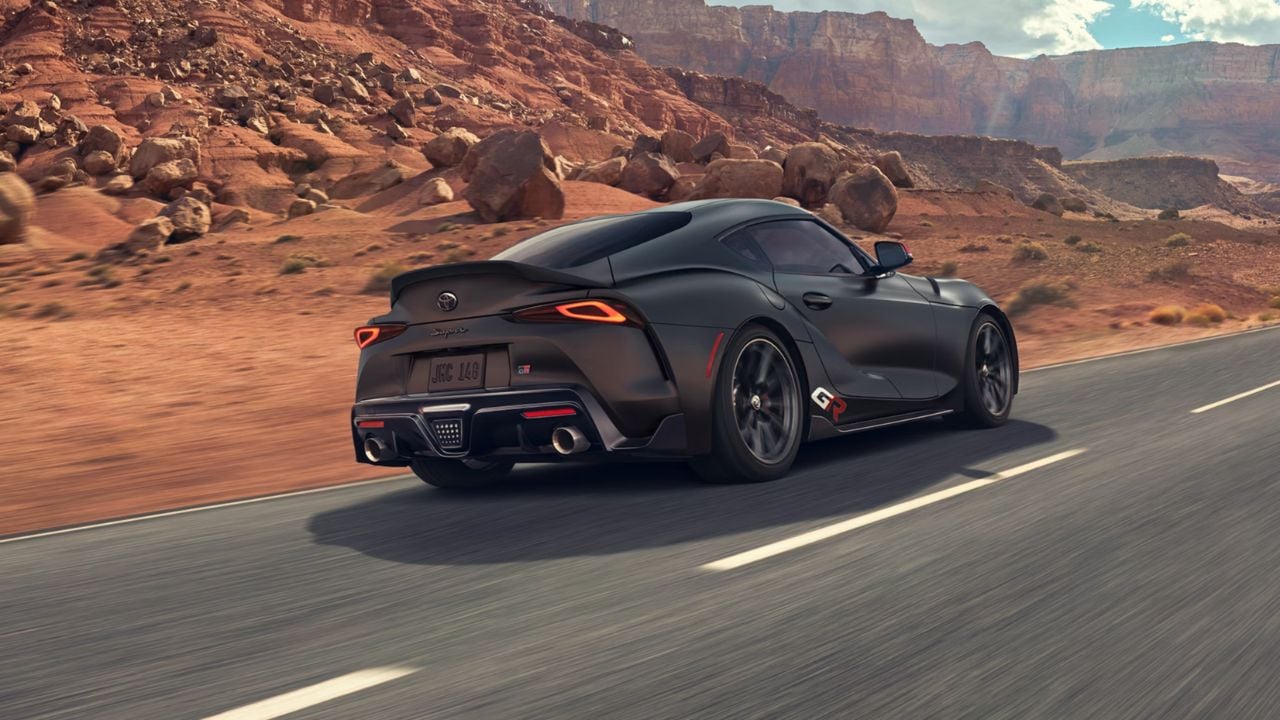
The modern Toyota GR Supra became controversial because Toyota revived one of its most famous performance names with help from BMW. The car shares its core architecture with the BMW Z4 and uses BMW’s B58 turbocharged inline-six.
For 2026, the GR Supra’s 3.0-liter engine, about 183 cubic inches, makes 382 hp and 368 lb-ft of torque. Toyota offers it with rear-wheel drive and either a 6-speed manual or an 8-speed automatic, with the automatic listed at 3.9 seconds from 0 to 60 mph.
The engine suits the car better than the controversy suggests. It gives the Supra strong midrange power, smooth delivery, and serious tuning potential. The badge is Toyota, but the straight-six character comes from one of BMW’s most respected modern engines.
Morgan Plus Six
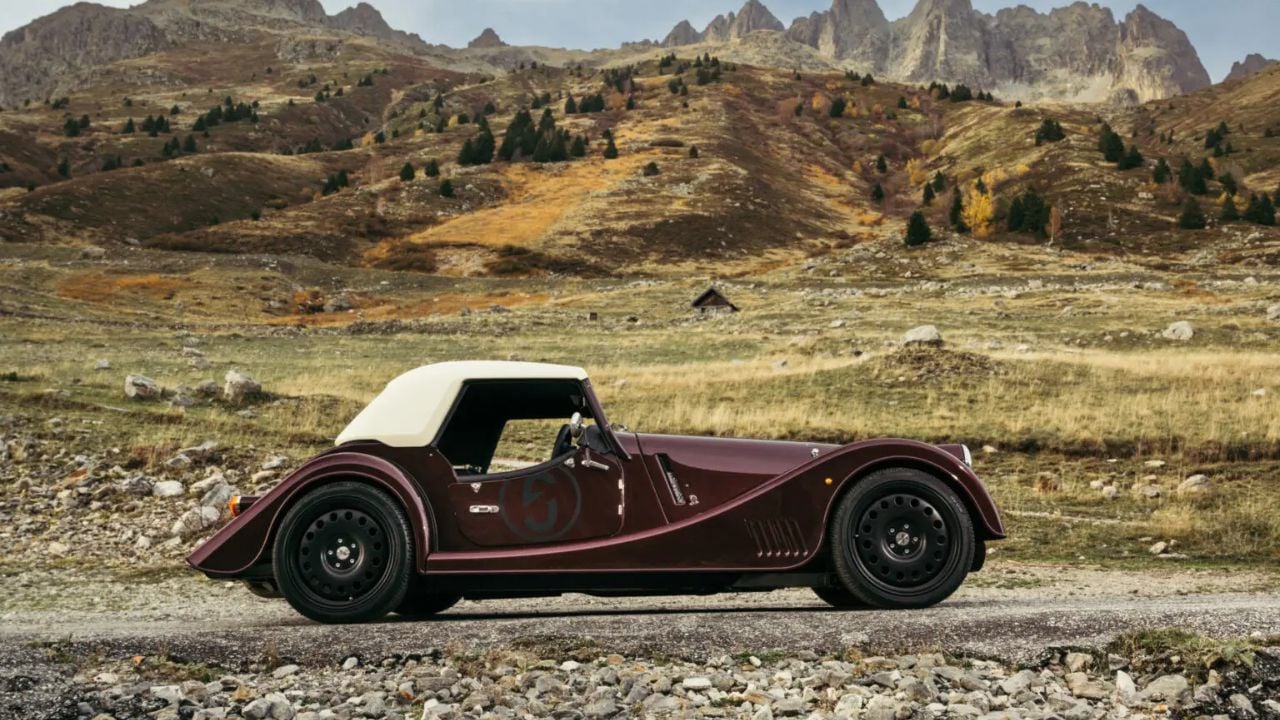
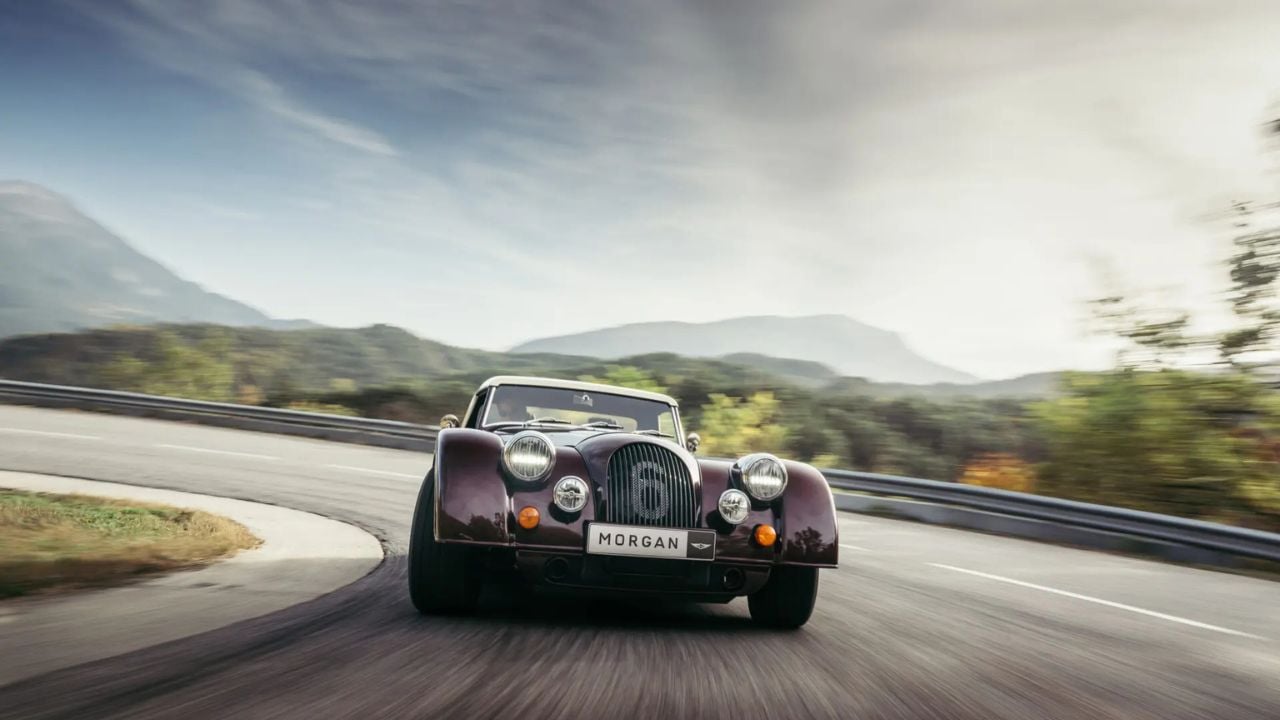
The Morgan Plus Six looks traditional from almost every angle. The long fenders, low cabin, and handmade bodywork belong to Morgan’s old-world roadster identity. Underneath, the car uses BMW’s B58 TwinPower Turbo inline-six.
Morgan listed the Plus Six at 335 hp and 369 lb-ft of torque, with a 0-to-62-mph time of 4.2 seconds and a 166-mph top speed. In a lightweight roadster, that engine gives the car far more pace than its nostalgic shape prepares you for.
The BMW six does not erase the Morgan character. It sharpens the contrast. The car still looks handmade and traditional, but the power delivery is smooth, muscular, and modern.
Rolls-Royce Phantom VII
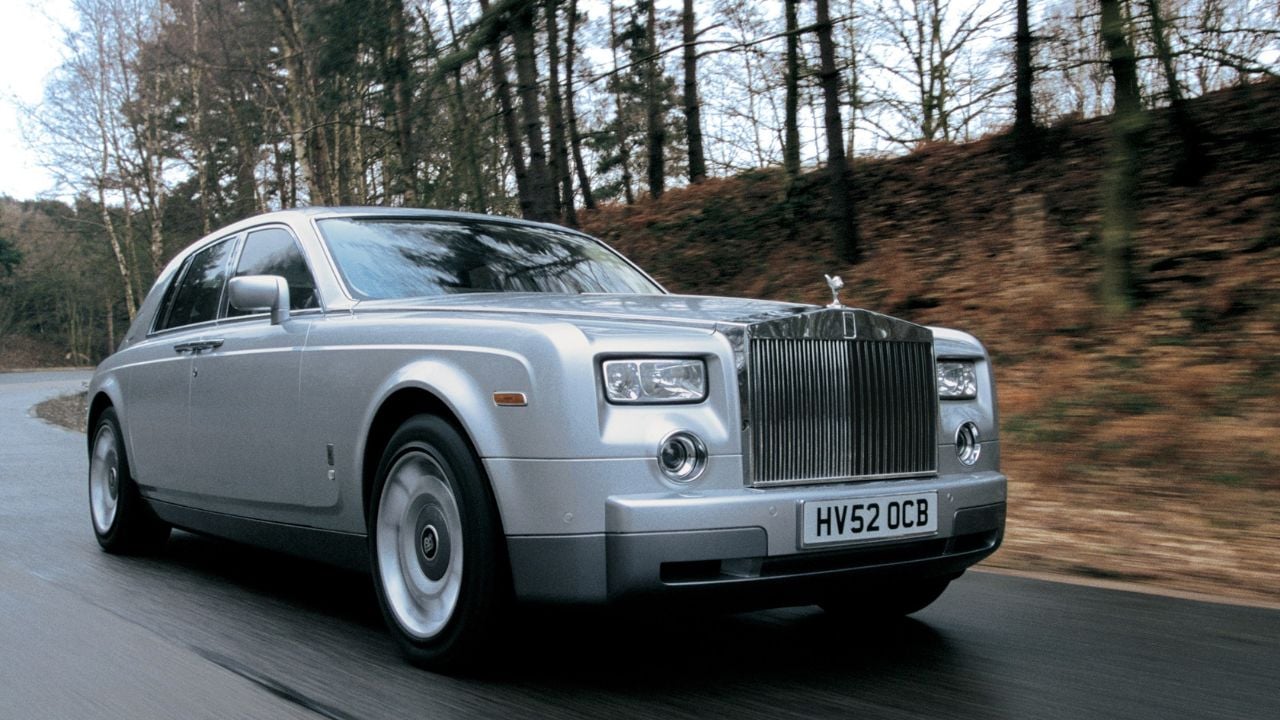
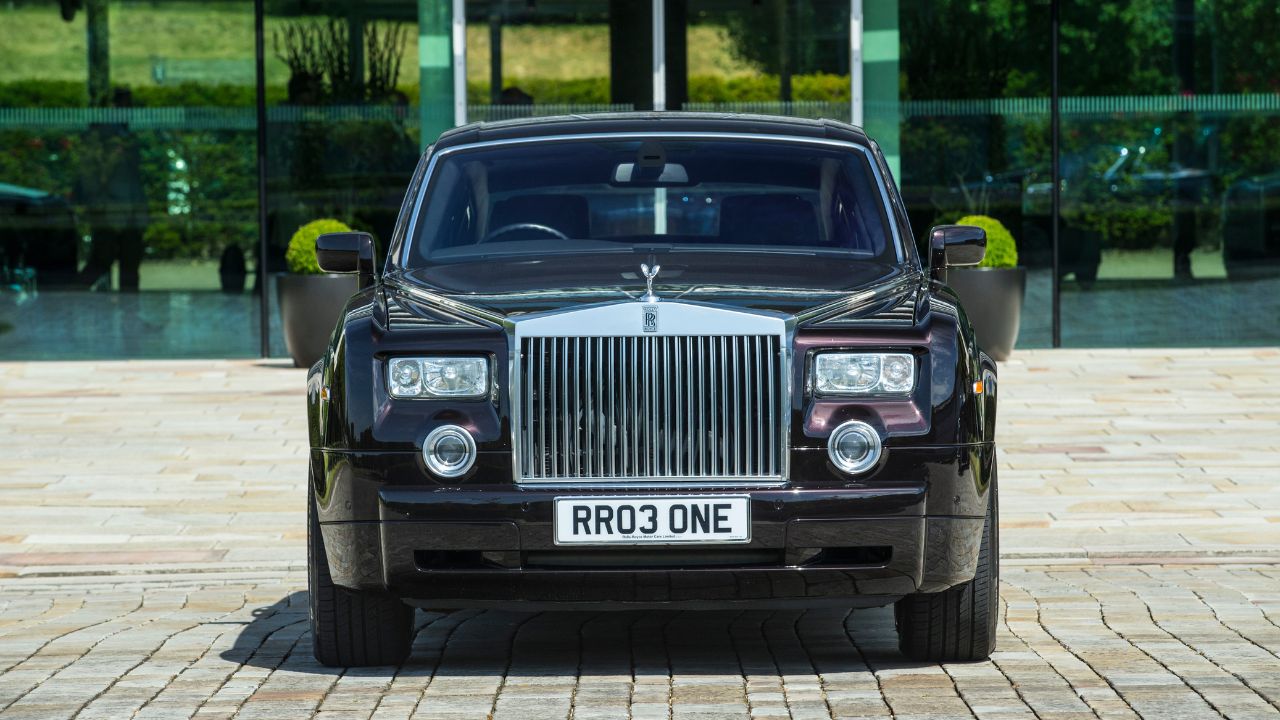
The Rolls-Royce Phantom VII marked the brand’s rebirth under BMW ownership. Its design, cabin, and road presence carried the Rolls-Royce image, but the engine belonged to BMW’s modern V12 family.
The Phantom VII used the Rolls-Royce version of BMW’s N73 V12, the 6.75-liter N73B68. That displacement equals roughly 412 cubic inches, and output was about 454 hp and 531 lb-ft of torque.
The result was not a sporty engine in a formal body. It was BMW-era V12 engineering tuned for silence, weight, and effortlessness. In the Phantom, the engine’s success came from how little it seemed to intrude.
Bentley Arnage Green Label
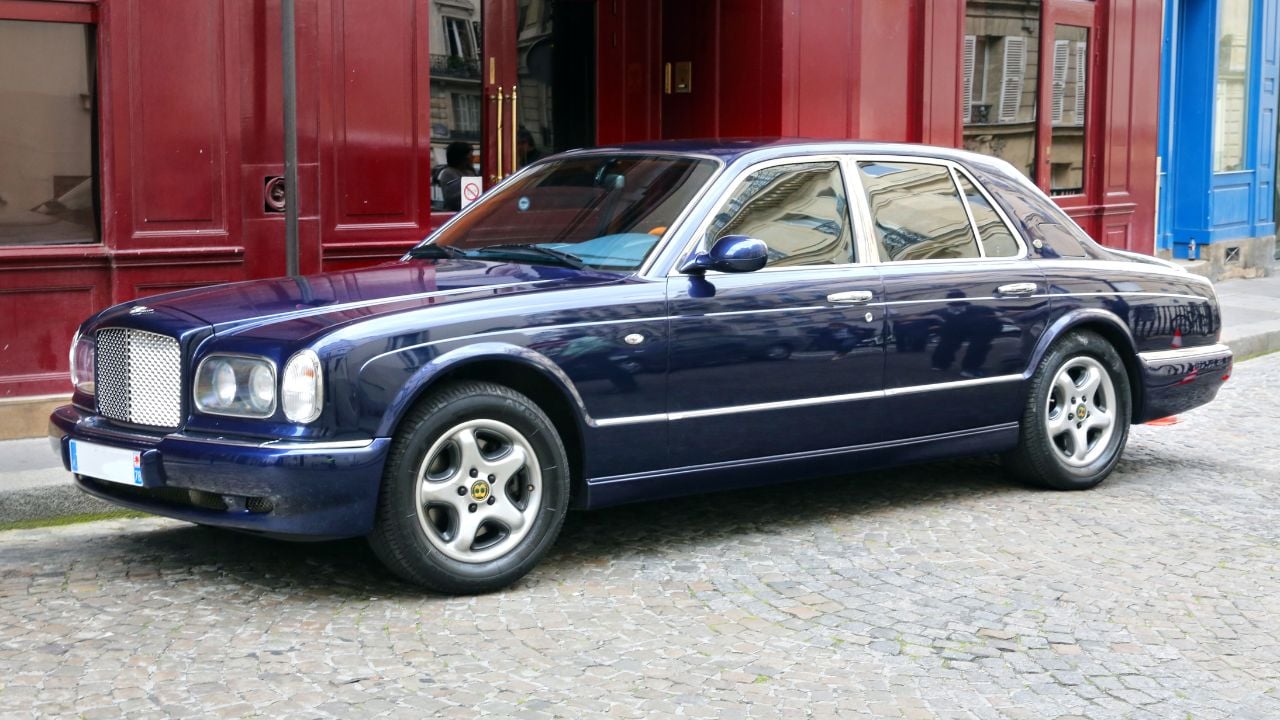
The BMW-powered Bentley Arnage, later known as the Green Label, came from a strange moment in Bentley history. The first Arnage launched with a BMW-derived 4.4-liter V8 before Bentley shifted attention back to its traditional 6.75-liter V8 in the Red Label.
The 4.4-liter unit used Cosworth twin-turbocharging and produced about 349 hp and 420 lb-ft of torque. It gave the Arnage a smoother and more rev-friendly personality than many old-school Bentley buyers expected.
That short-lived engine choice makes the Green Label fascinating today. For a brief period, one of Britain’s most traditional luxury sedans used a modern German V8 instead of the large-displacement Bentley engine most people associate with the brand.
De Tomaso Guarà
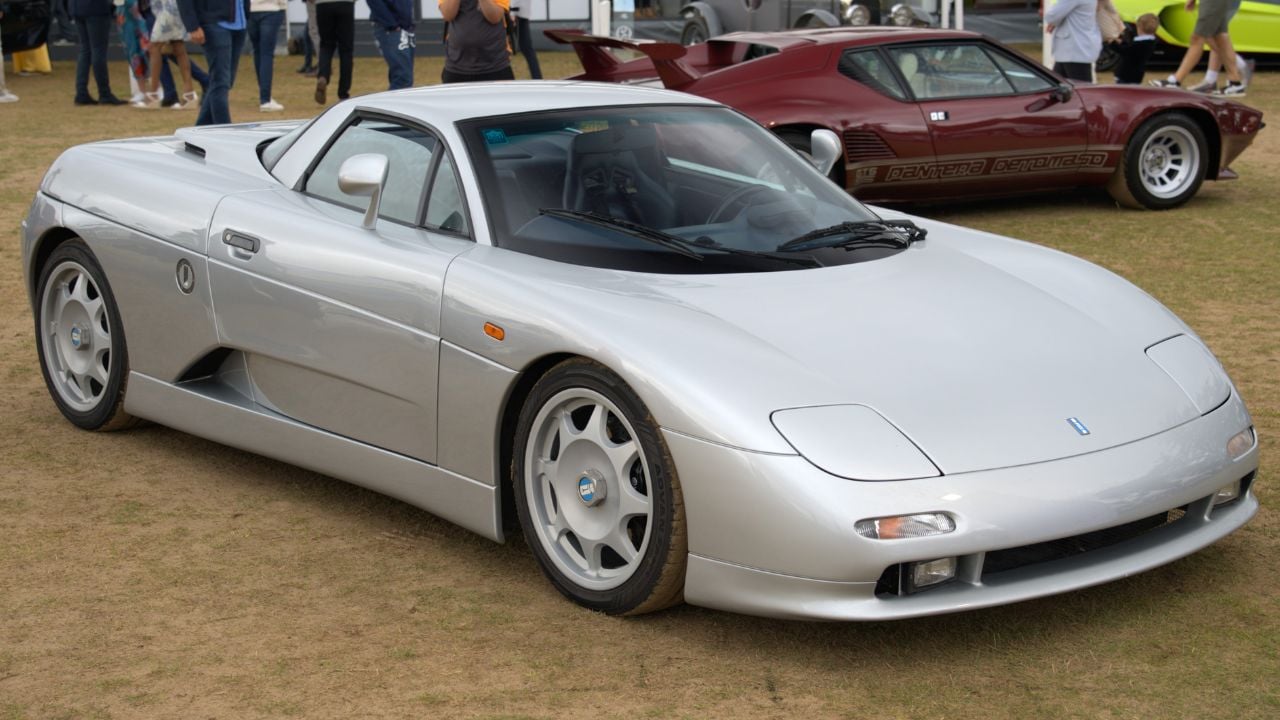
The De Tomaso Guarà was the final production car tied to Alejandro de Tomaso’s original company. Instead of following the Pantera’s American V8 formula, early Guarà versions used BMW’s M60B40, a naturally aspirated 4.0-liter V8 mounted behind the cabin.
Depending on version and source, BMW-powered Guarà output is commonly cited from the high-280-hp range to about 304 hp. Auto Data lists the Guarà Barchetta at 304 hp and about 318 lb-ft of torque, with a calculated 0-to-60-mph time of 4.8 seconds and a 168-mph top speed.
The BMW V8 gave the Guarà a different personality from earlier De Tomaso legends. It was less about brute American muscle and more about a compact, rev-happy European engine inside a rare Italian sports car.
Ascari KZ1
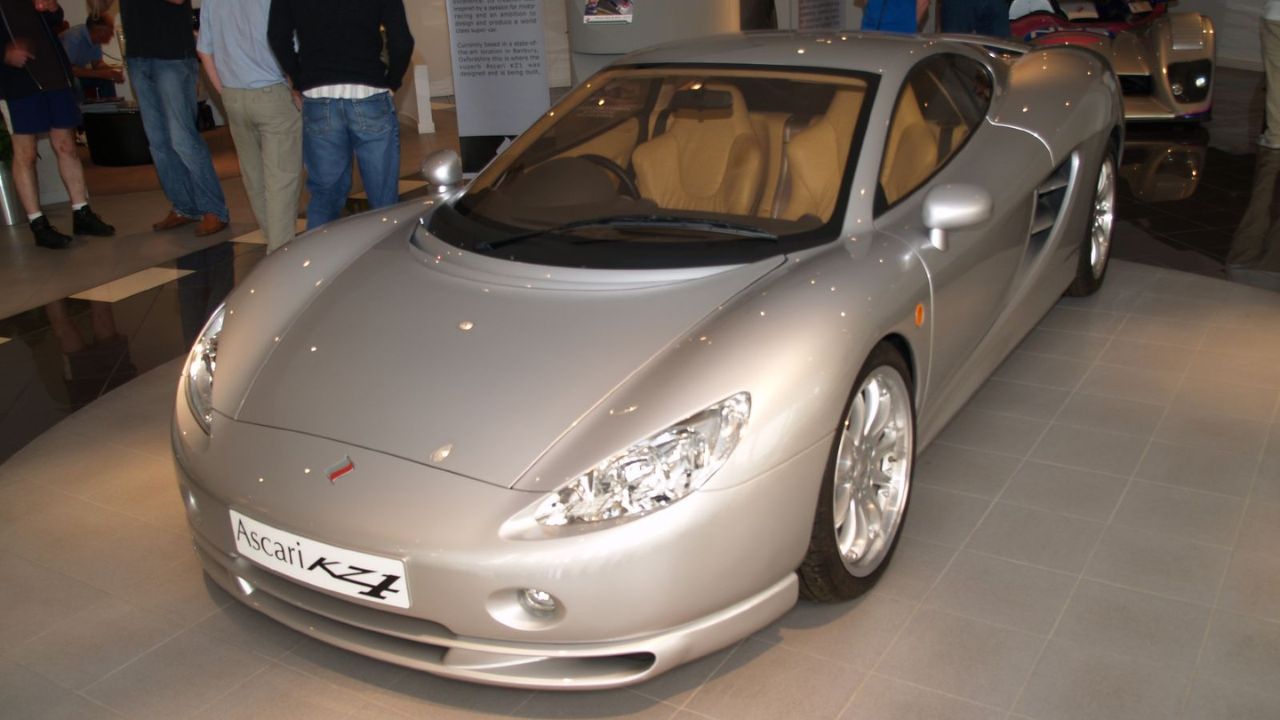
The Ascari KZ1 used BMW M hardware in a setting far more exotic than an M5 sedan. Its engine was a dry-sump version of BMW’s S62, the 4.9-liter, roughly 302-cubic-inch V8 family known from the E39 M5 and BMW Z8.
In the KZ1, the engine was tuned to 500 hp at 7,000 rpm and about 406 lb-ft of torque. It sat behind the driver and worked with a 6-speed manual gearbox, giving Ascari a serious supercar layout without the cost of developing its own engine from scratch.
The KZ1 remains obscure, but its engine choice gives it real credibility. BMW M’s V8 helped turn a low-volume British project into a proper mid-engine exotic.
The Hidden Reach Of BMW Engineering
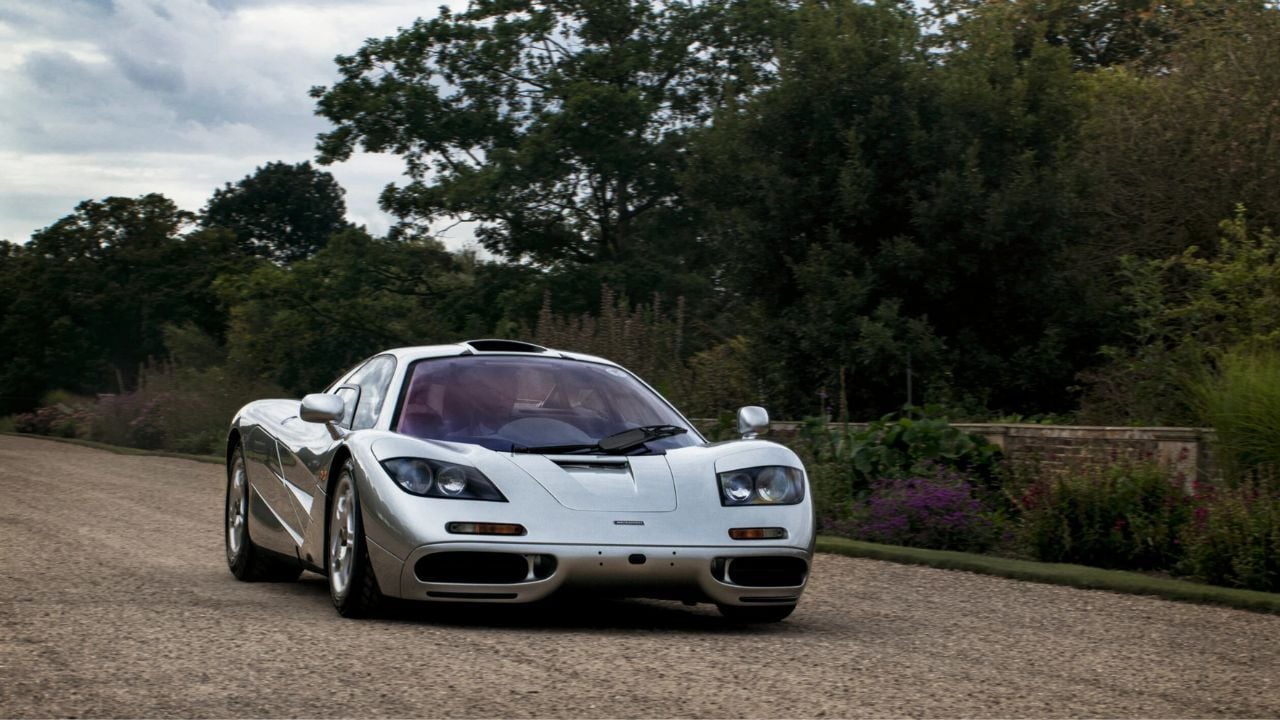
The McLaren F1 used BMW engineering to chase a road-car record. The Supra and Morgan Plus Six used the B58 inline-six to deliver modern sports-car performance in completely different packages.
The Phantom VII and Arnage Green Label show the luxury side of the story, where BMW-derived power served silence, smoothness, and status rather than outright aggression. The Guarà and KZ1 pushed BMW V8s into rare exotics that most readers would never connect with Munich at first glance.
That is what makes these cars worth grouping together. They do not look related, and they were not built for the same buyers. The link is mechanical. BMW supplied engines strong enough to become part of each car’s identity, even when another badge carried the story.