
For decades, Hertz has done one thing really well: renting cars. However, the way people use vehicles is changing fast, and simply handing over keys at a counter isn’t enough anymore. The company knows it needs to evolve or risk becoming irrelevant.
That change is now happening in a big way, as Hertz has teamed up with Uber to move into the robotaxi space, marking one of its boldest pivots yet. Instead of just renting cars, it’s stepping into the business of managing entire mobility fleets.
At first glance, this might seem like a strange move, but upon closer examination, it actually makes a lot of sense. Autonomous driving is coming whether people like it or not, and companies that adapt early stand to benefit the most.
The real story here is about survival, not just robotaxis, as Hertz is betting that its expertise in managing large vehicle fleets can give it a serious edge in the next era of transportation.
Hertz Is Reinventing Itself
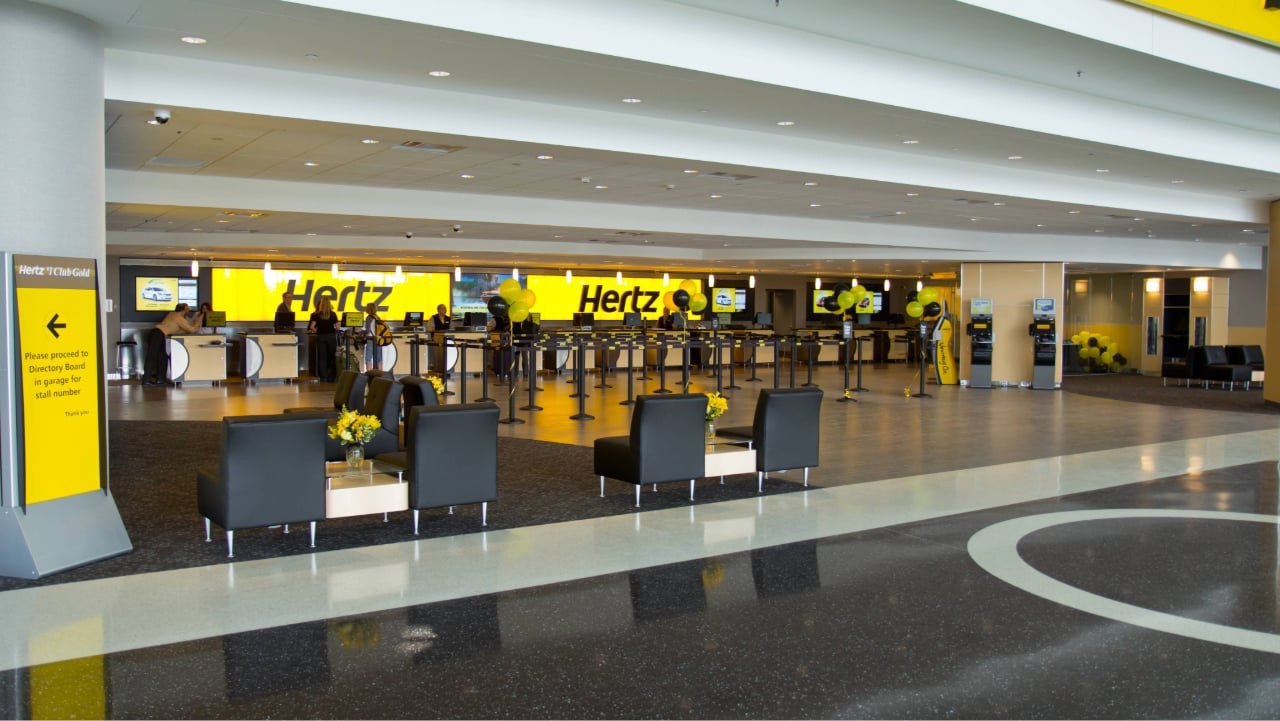
To make this transition happen, Hertz has launched a new subsidiary called Oro Mobility. This makes it obvious that the company is serious about moving beyond traditional rentals. Oro is designed to handle the complex logistics behind modern mobility services.
That includes everything from charging and cleaning vehicles to handling maintenance and repairs. In other words, all the unglamorous but essential work that keeps a fleet running smoothly. It’s the kind of behind-the-scenes role Hertz is perfectly suited for.
Instead of competing directly with ride-hailing platforms, Hertz is positioning itself as the backbone that keeps them running. That’s a smarter play than trying to reinvent the wheel.
The Uber Partnership Is The Key
Uber is the first major partner in this new strategy, and it’s a big one. The ride-hailing giant is pushing hard into autonomous vehicles, and it needs reliable partners to manage those fleets. That’s where Hertz, and specifically Oro Mobility, comes in.
The plan involves a fleet of Lucid electric SUVs equipped with autonomous technology developed by Nuro. Uber will handle the platform and customer experience, while Hertz manages the vehicles themselves. It’s a clear division of roles that plays to each company’s strengths.
This isn’t just theoretical, either, as initial operations are expected to launch in places like the San Francisco Bay Area, with expansion plans already being discussed for 2027.
It’s Not Fully Autonomous Yet
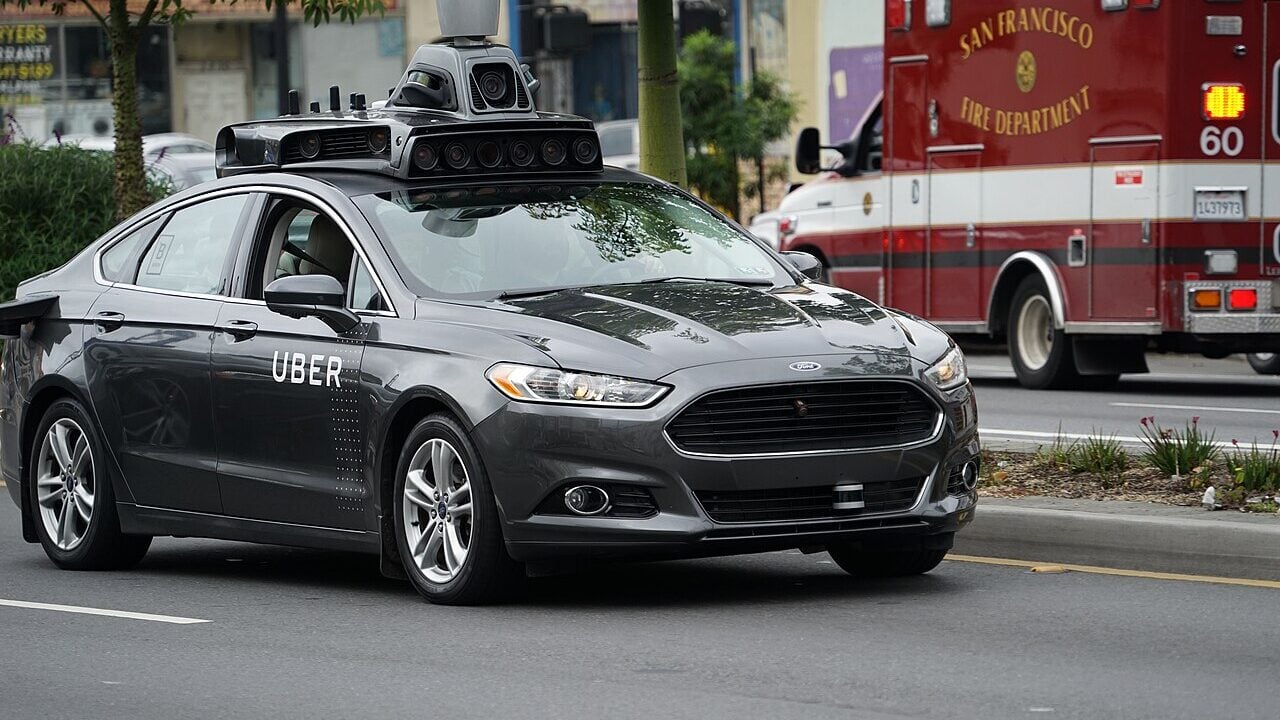
Robotaxis aren’t fully ready to take over just yet, and while the long-term goal is a fully autonomous fleet, the current setup still relies on human drivers in many cases. Hertz is already running driver-led fleets through Uber in cities like Los Angeles and San Francisco.
This hybrid approach allows both companies to scale faster while the technology continues to develop. It also helps meet current demand without waiting for full autonomy to be perfected. Think of it as a stepping stone rather than the final destination.
In practice, that means Hertz is managing both traditional rideshare vehicles and future robotaxis at the same time, and that flexibility could prove to be a major advantage.
Hertz Is Playing To Its Strengths
If there’s one thing Hertz understands, it’s fleet management. The company has spent over a century dealing with logistics, maintenance, and large-scale vehicle operations, and that experience translates directly into this new business model.
Running a robotaxi fleet isn’t just about software and sensors. Vehicles still need to be cleaned, repaired, charged, and maintained on a daily basis, which is where Hertz can provide real value.
Instead of trying to become a tech company, Hertz is doubling down on what it already does best. It’s a grounded, practical approach in an industry full of hype.
The Industry Is Moving In This Direction
Hertz isn’t alone in making this move. Competitors like Avis have already partnered with companies like Waymo to manage autonomous fleets.
For these car rental companies, it’s a natural progression to evolve into mobility service providers. They already have the infrastructure, the expertise, and the operational scale. All they need is the right partnerships to plug into the autonomous ecosystem.
As robotaxis expand into more cities, the demand for reliable fleet management will only grow, putting companies like Hertz in a strong position if they execute properly.
This Could Reshape How We Use Cars

The bigger picture here is that the entire concept of car ownership is being challenged. More people are starting to see transportation as a service rather than something they need to own.
Robotaxis accelerate that transformation. If you can summon a clean, fully charged vehicle on demand, the need to own one becomes less compelling. That’s especially true in urban areas where convenience matters more than anything else.
Hertz is clearly betting on that future. By embedding itself in the infrastructure behind these services, it ensures it still has a role to play, even if traditional rentals decline.
A Risky But Necessary Move
This isn’t a guaranteed win. Autonomous technology still faces regulatory hurdles, technical challenges, and public skepticism. There’s also the question of profitability, which remains unclear for many of these ventures.
That said, standing still would be a bigger risk, because the rental car business isn’t what it used to be, and Hertz knows it. Moving into robotaxis is a necessity as much as it is an opportunity.
If this strategy works, Hertz could transform itself into a key player in the future of mobility. If it doesn’t, at least it won’t be remembered as the company that failed to adapt when the industry changed.